本内容说明
Commodity Education is a reference work about materials: what they are, where they come from, who controls them, what they become, and why any of it matters. It covers 146 materials, 51 ore minerals, 44 named mines and deposits, 27 processing and manufacturing plants, 56 companies, 19 end markets and 17 technologies, held together by 8,886 sourced data points.
It is written to be useful at more than one level at once. Every material page opens with a sentence a ten-year-old can read, and continues into ore grades, processing routes, by-product economics and the reporting conventions a technical report would use. You choose the depth; the page does not choose for you.
其不属于什么
It is not investment research, and it never recommends a security. Company pages exist because companies own the mines and plants; the delayed share price on them is context, not a signal. It is also not an engineering document — material intensity figures are indicative ranges to reason with, not specifications to build from.
构建方式
Production, reserves, consumption, import reliance, export controls and annual average prices come from the U.S. Geological Survey's Mineral Commodity Summaries 2026 data release, which is public domain. Those rows are stored verbatim, so any figure on any page can be traced to the exact row it came from, with its own unit, year and footnote — including the source's own codes for withheld and unavailable values, which this site prints rather than silently blanking.
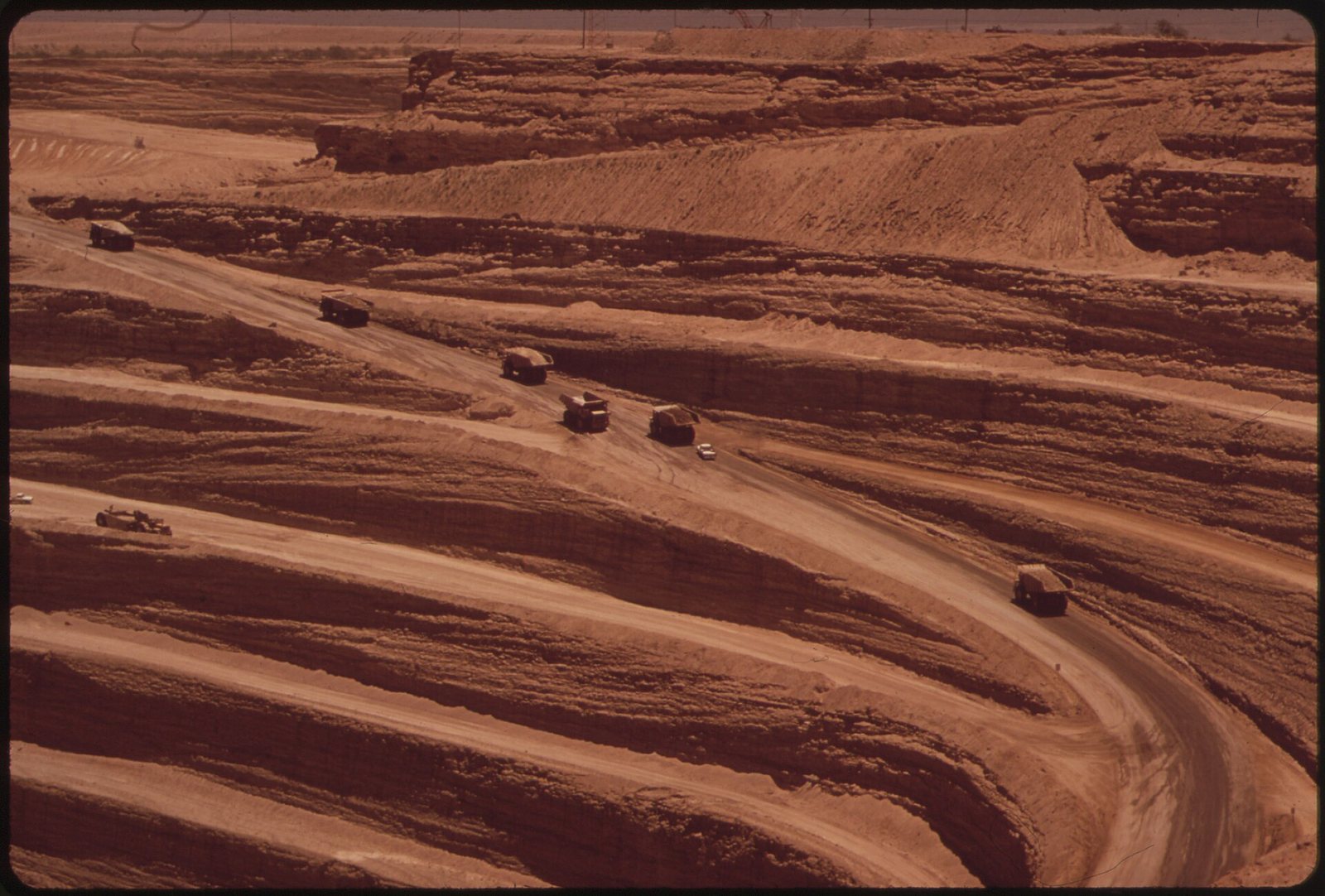
The structural layer — which minerals carry which metals, which mines are real and who runs them, which plants sit between the mine and the product — is compiled editorially from public company reporting and standard reference works. Photographs are real, licensed images from Wikimedia Commons, credited under every one. Long-form explanatory text is drafted with AI assistance and reviewed; figures inside it come from the datasets, not from the model.
Details are on the methodology and data sources pages, and the way news and AI writing are handled is set out in the editorial policy.
纠错
If a figure here disagrees with a primary source, the primary source is right and we want to know. Tell us and we will fix it and say what changed. The same goes for any photograph: if you hold rights to an image used here and the licence has been misread, write to us and it comes down.