Courses
Follow one commodity all the way through
The material pages on this site answer what is it and where does it come from. These courses answer the longer question: what happens to it between the ground and the buyer, who touches it at each handover, and which of those handovers is the one that actually breaks. 45 lessons across 3 courses, about 463 minutes of reading, 176 questions. Free, no sign-up, and your place is kept in your own browser.
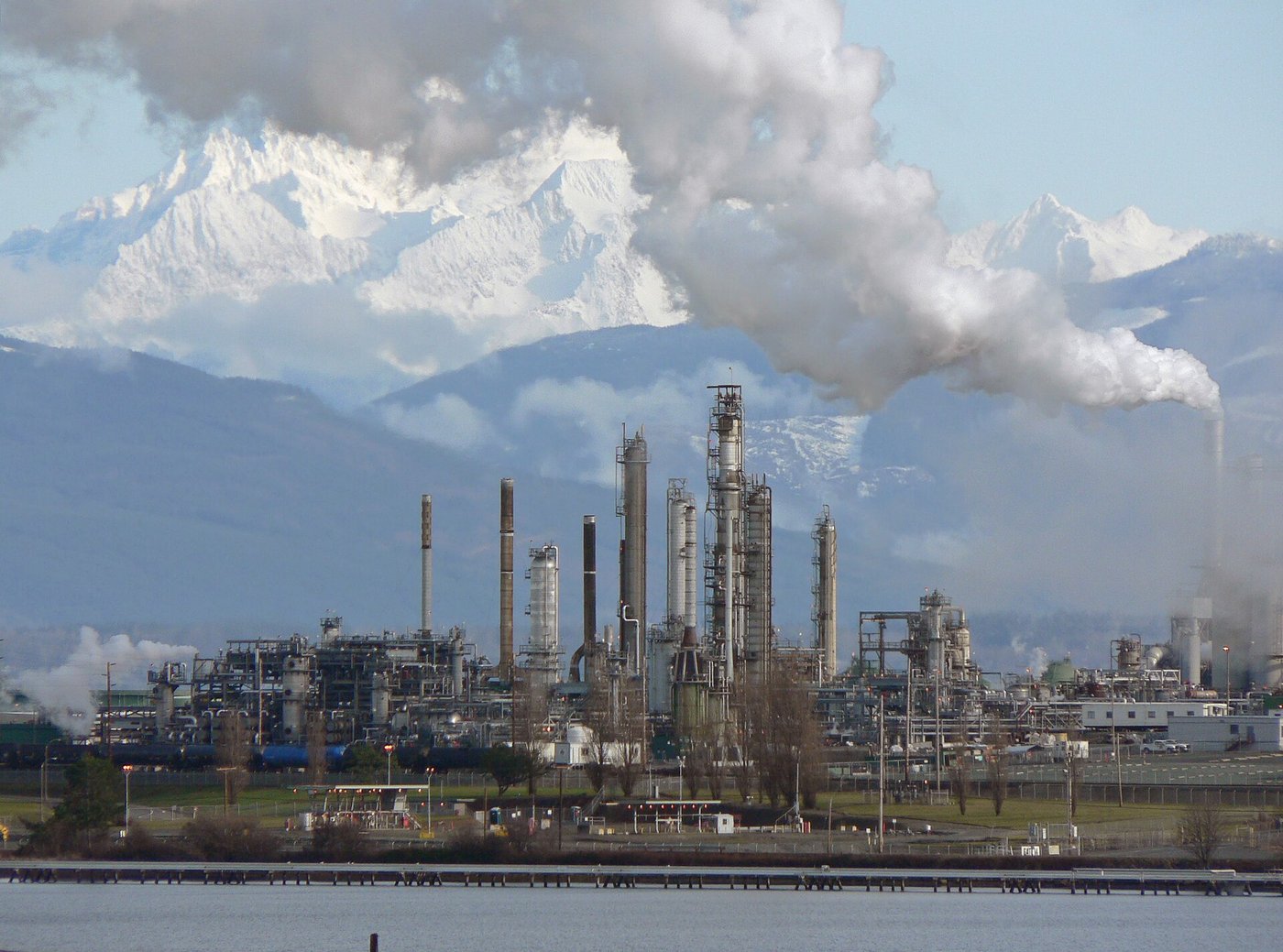
Crude Oil, End to End
From a dead plankton bloom to the pump, the plastic and the aluminium smelter's anode - every handover in between, and who owns the barrel at each one.
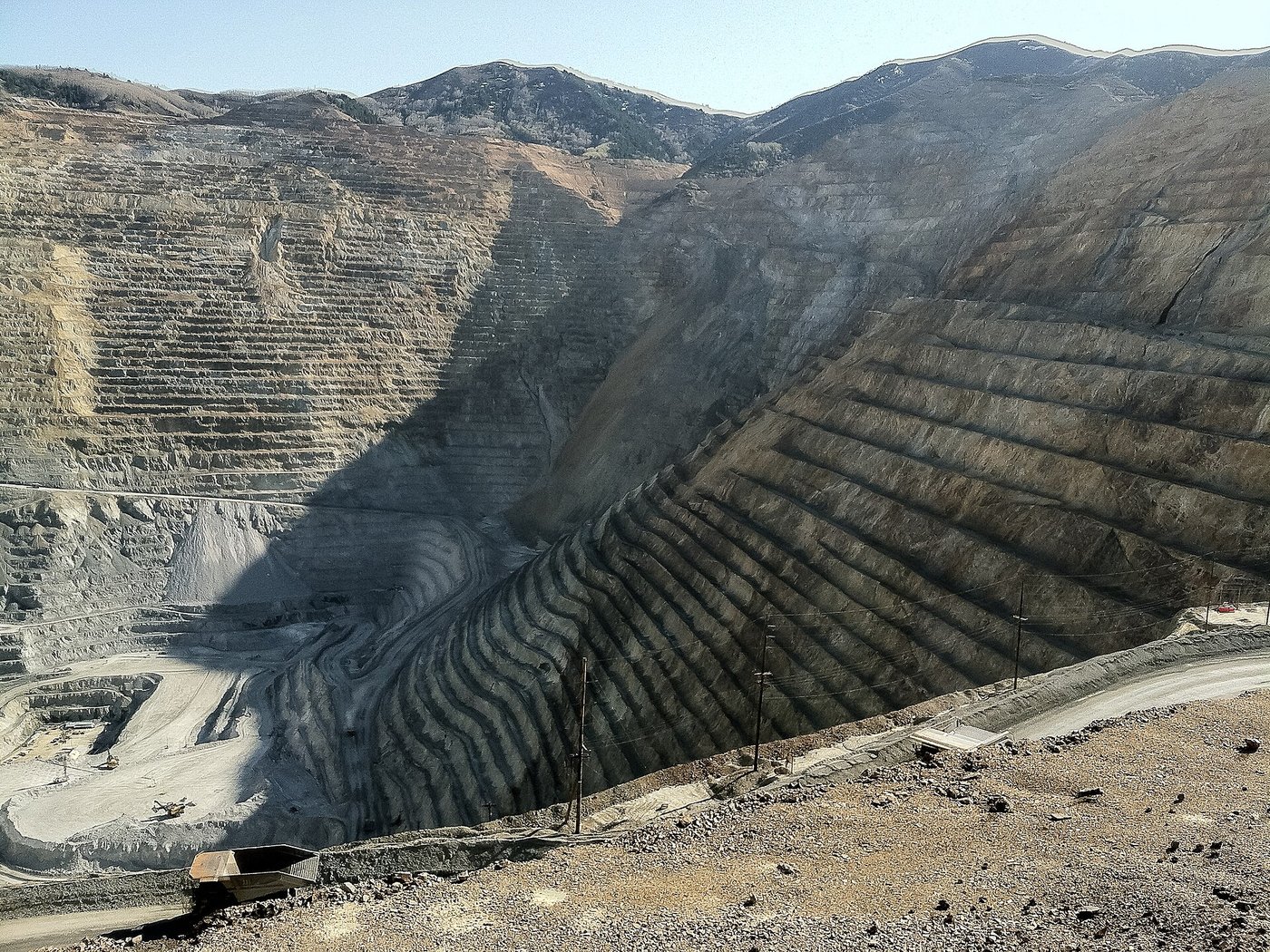
Copper, Rock to Cathode to Grid
Rock that is under one per cent metal becomes wire that is 99.99% metal. Every step in between, who does it, and why the hard part is not the mining.
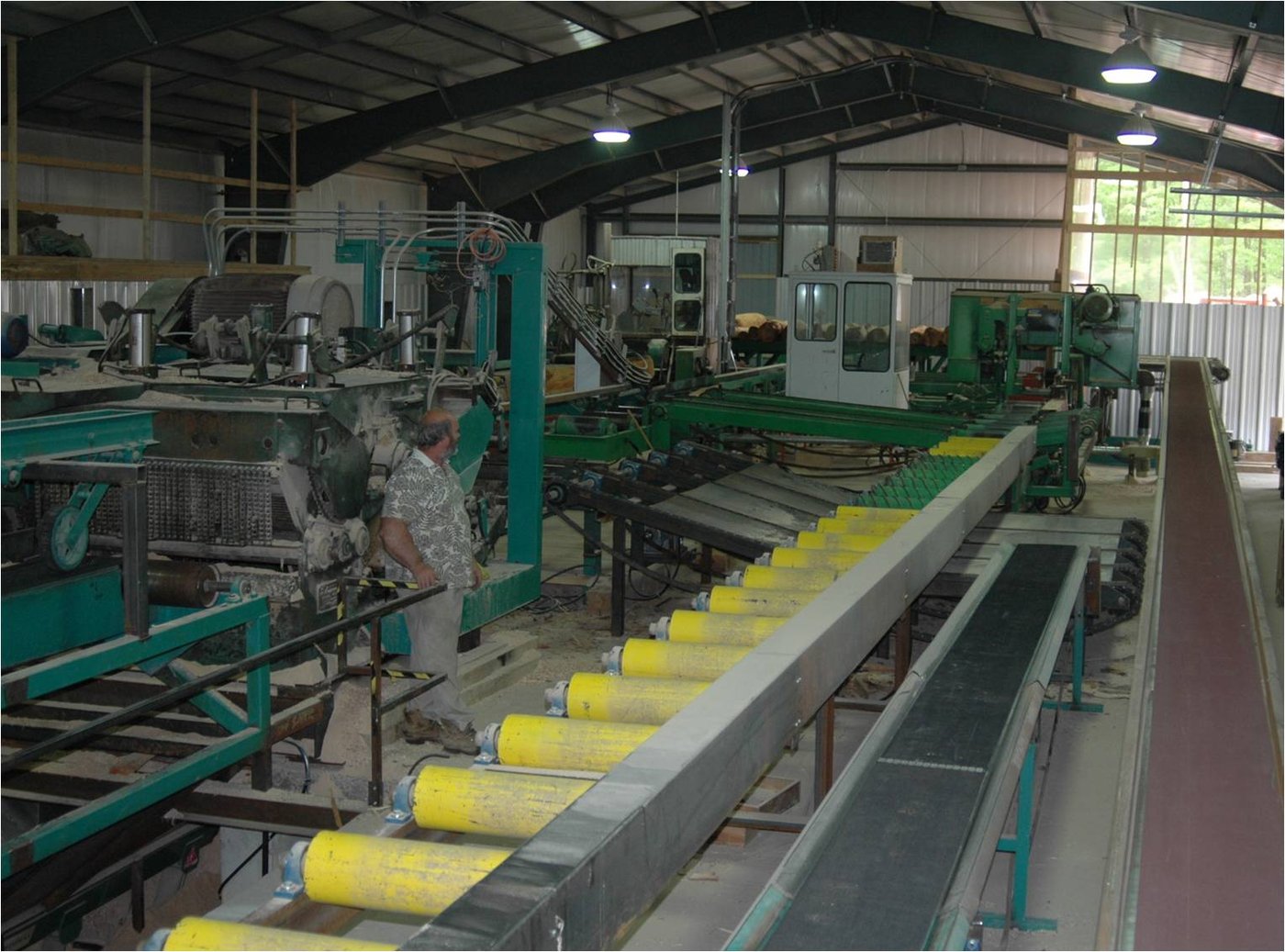
Lumber and Timber, Stump to Buyer
The species, what a tree is worth in board feet, who buys each kind of wood and what for - and what happens to everything the sawmill could not sell as a board.
How they are put together
Each course follows the same nine-stage spine the rest of the site uses — raw material, deposit, mine or well, processing, refining, component, product, end market, and the companies that own the assets — and each lesson is tagged Level 1 (foundation), 2 (working knowledge) or 3 (specialist), so you can read the spine first and come back for the detail. Every figure appears in a table with its reference period and its source. Every lesson ends with questions that carry an explanation rather than a bare right-or-wrong mark, and with links into the materials, mines, facilities and custody journeys that cover the same ground in reference form.
Educational content only. Nothing here is investment, trading, tax or legal advice, a recommendation to buy or sell any commodity, contract or security, or a valuation of any asset. Figures are stated with their reference period and source, and are indicative of scale rather than live market quotations. Course set compiled 2026-09-30; drafted with AI assistance and editorially reviewed, per the editorial policy.