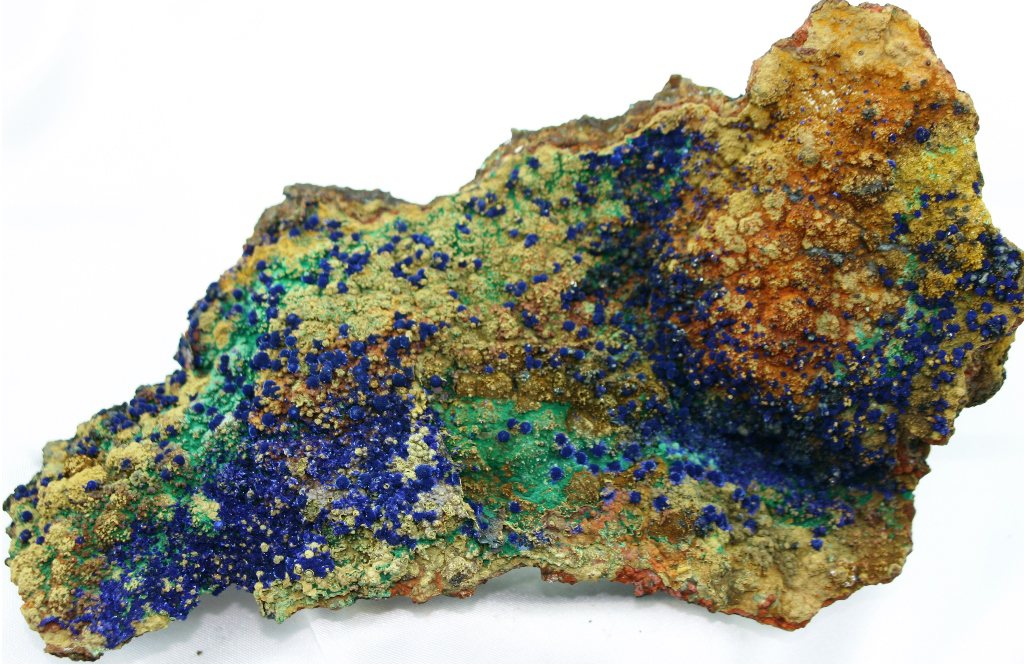
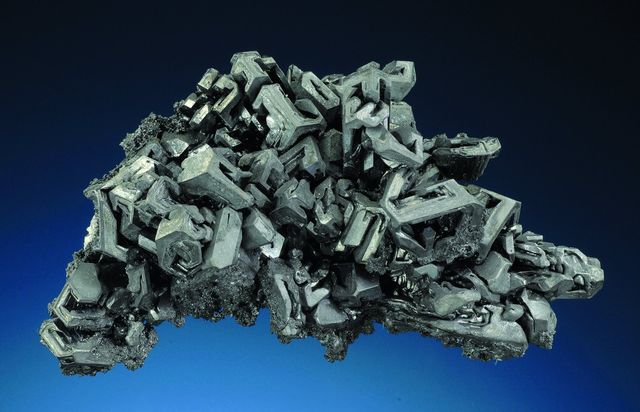
Acanthite (silver sulfide)
The main primary silver mineral, though most silver is recovered from lead-zinc and copper concentrates.
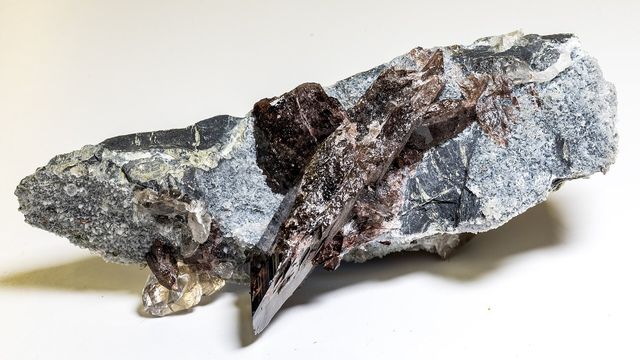
Apatite
The phosphate mineral of both igneous rock and your own teeth. Sedimentary phosphorite is the ore actually mined.
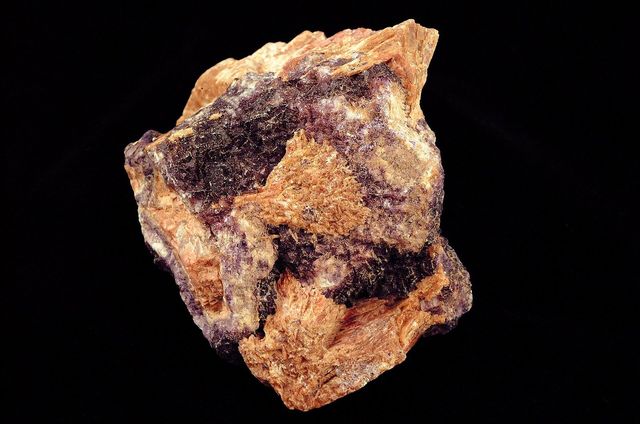
Barite
Recognisable in the field purely by weight — a hand sample feels wrong for its size.
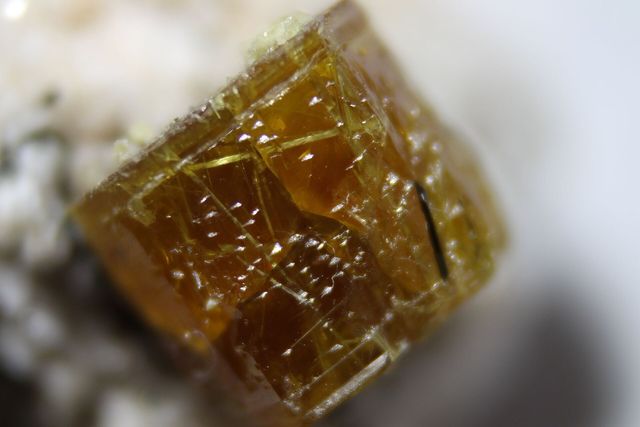
Bastnäsite
The world's principal light rare-earth mineral, mined from carbonatites. Low in thorium, which makes it easier to…
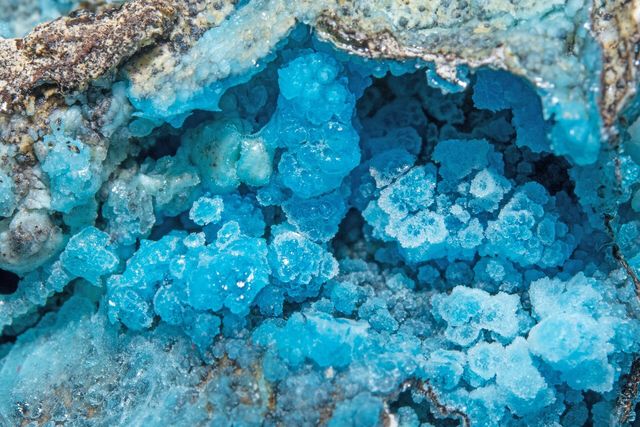
Bauxite (gibbsite/boehmite)
Not one mineral but a rock of aluminium hydroxides left after millions of years of tropical weathering.
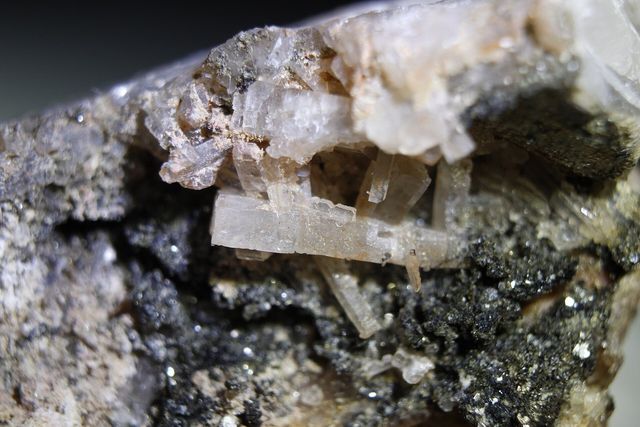
Bertrandite
A low-grade beryllium silicate in volcanic tuff, and the source of most Western beryllium production.
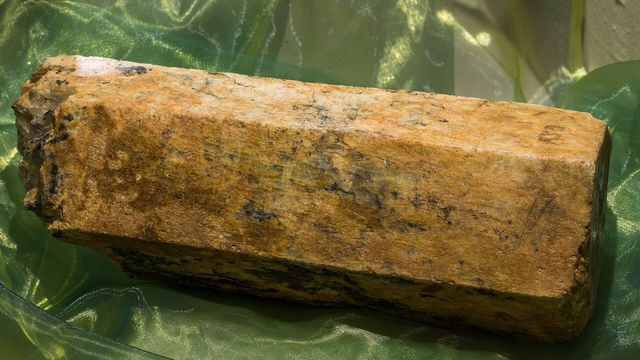
Beryl
The classic beryllium mineral. Most commercial beryllium now comes from bertrandite, a lower-grade but far more…
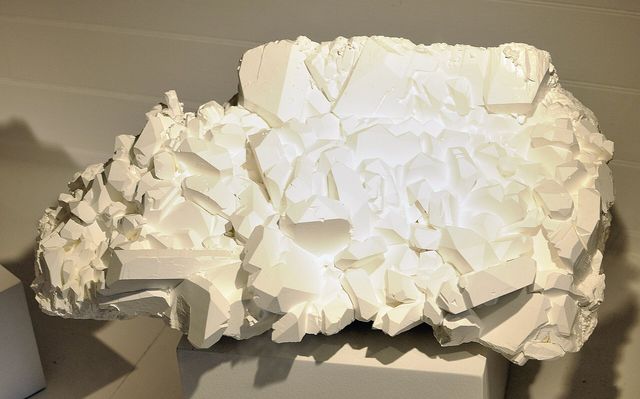
Borax
A soft evaporite borate from dried desert lakes; the industrial source of boron.
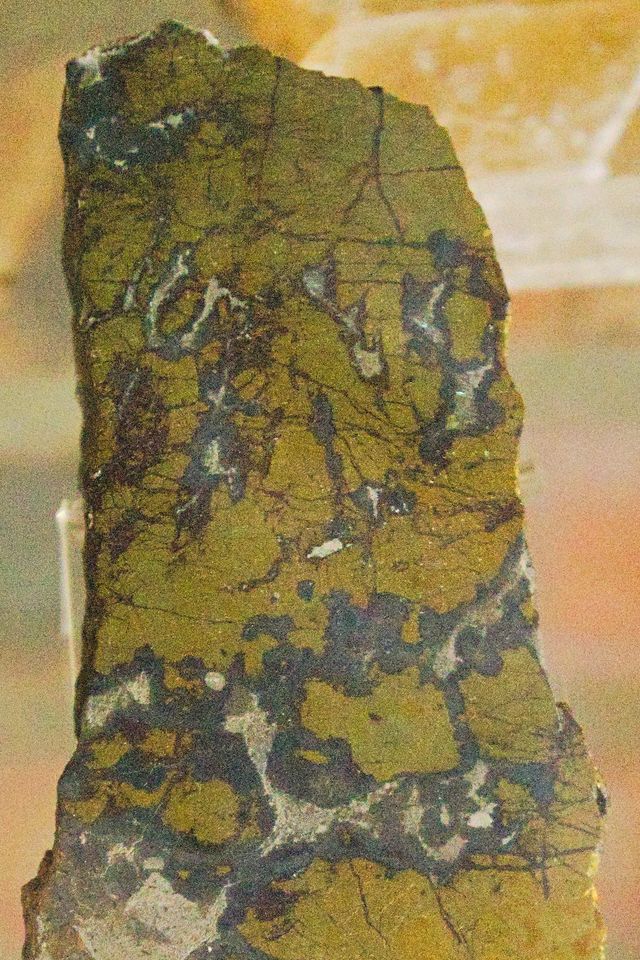
Bornite
A richer copper sulfide than chalcopyrite at about 63% Cu, common in the upper enriched zones of porphyry deposits.
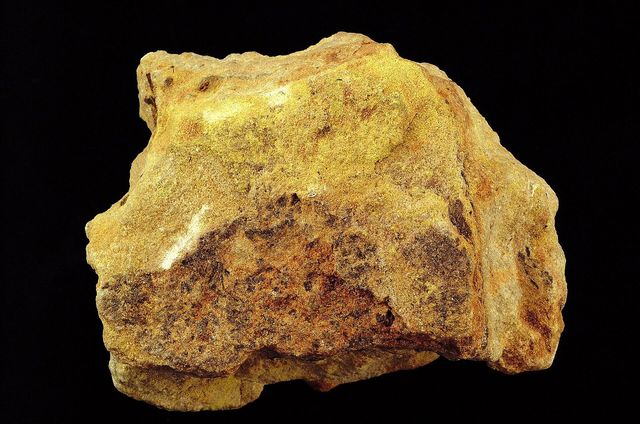
Carnotite
A secondary uranium-vanadium mineral of sandstone deposits; the classic in-situ recovery target.
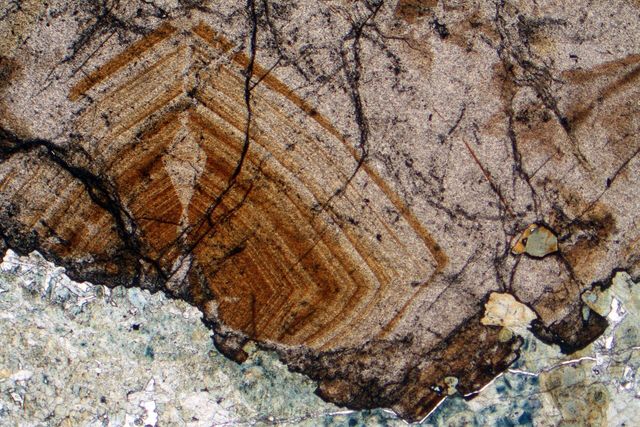
Cassiterite
The only significant tin ore. Its high density is why tin has been recovered by panning alluvial gravels for millennia.
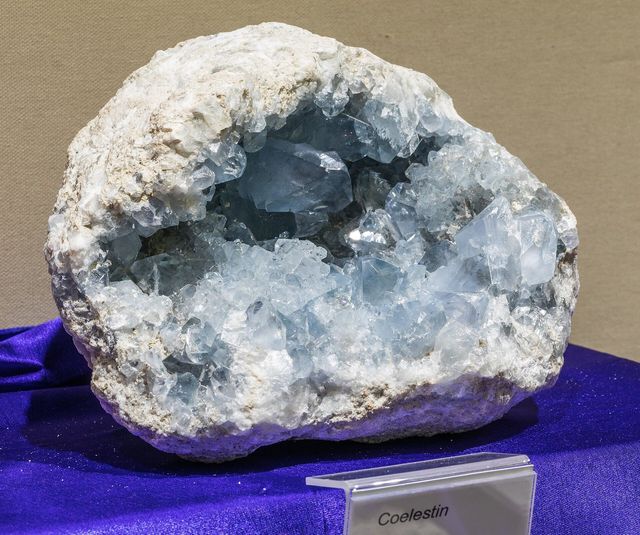
Celestine
The strontium mineral, named for its colour; used in ceramic magnets, pyrotechnics and glass.
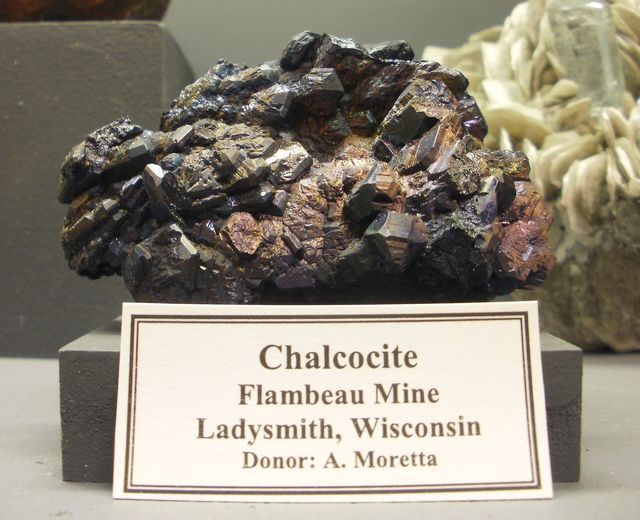
Chalcocite
The richest common copper sulfide, near 80% Cu, formed where weathering has redeposited copper below the water table.
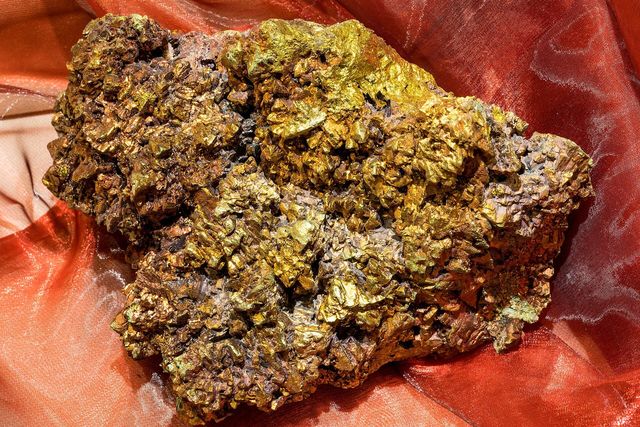
Chalcopyrite
The most important copper ore mineral on Earth. About 34% copper by weight when pure; typical ore grades are under 1%.
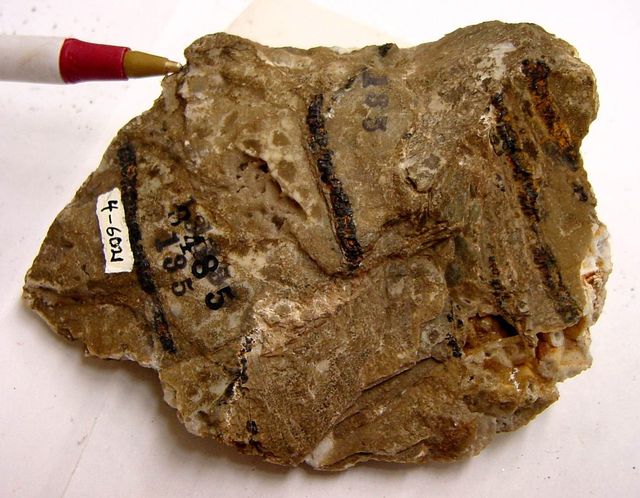
Chromite
The only ore of chromium, formed in layered mafic intrusions where it settles out in bands.
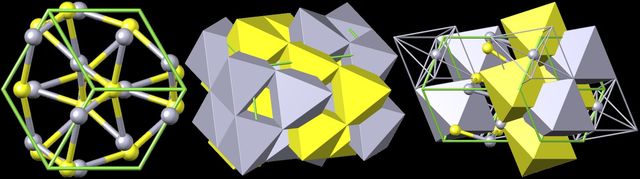
Cinnabar
The mercury ore, and the source of the pigment vermilion used for millennia before its toxicity was understood.
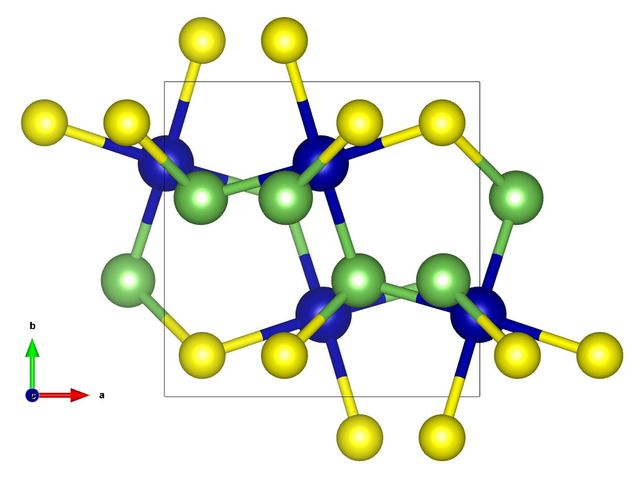
Cobaltite
A primary cobalt mineral, though most cobalt is actually recovered from copper and nickel ores rather than from cobalt…
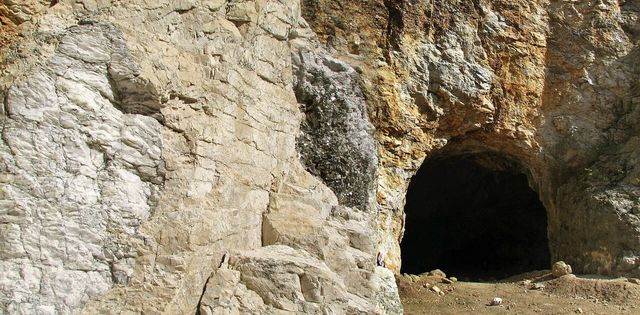
Columbite-Tantalite (coltan)
A solid-solution series: niobium-rich at one end, tantalum-rich at the other. Source of both metals, and a designated…
Flake Graphite
Crystalline carbon in flat sheets. Large flakes command a premium because they can be rounded into battery anode…
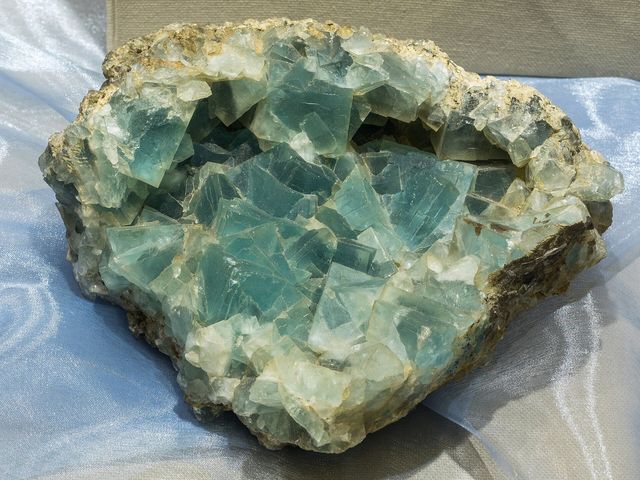
Fluorite
The mineral that gave 'fluorescence' its name, and the origin of every fluorine atom used by industry.
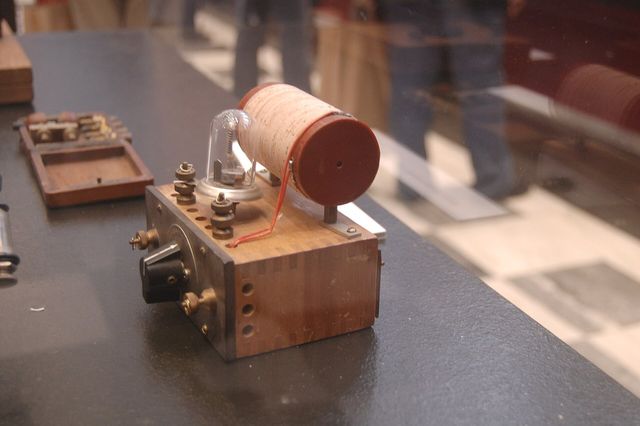
Galena
The main lead ore, and a principal carrier of silver — which is why most silver is a by-product.
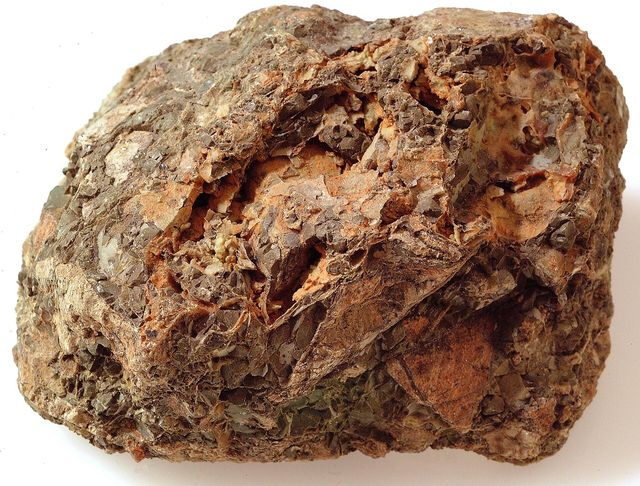
Garnierite (nickel laterite)
A green nickel silicate from tropically weathered rock. Laterite ore is soft and shallow but needs high-pressure acid…
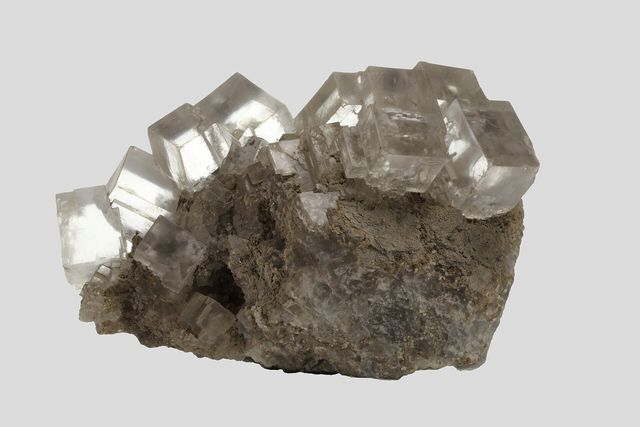
Halite
Rock salt. Deforms plastically under pressure, which is why it rises into domes and traps oil against their flanks.
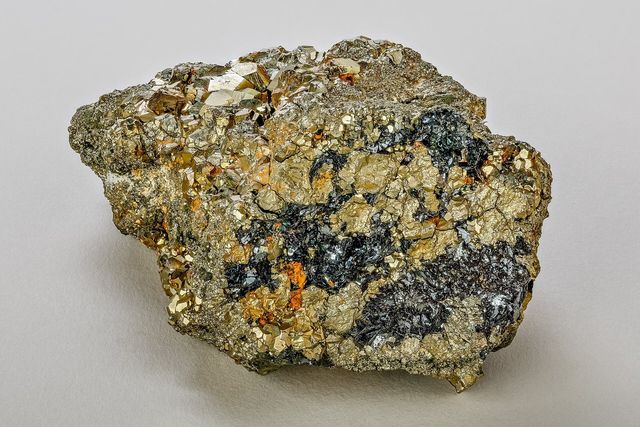
Hematite
70% iron when pure. Direct-shipping hematite ore needs little processing, which is why it built the Pilbara and Carajás.
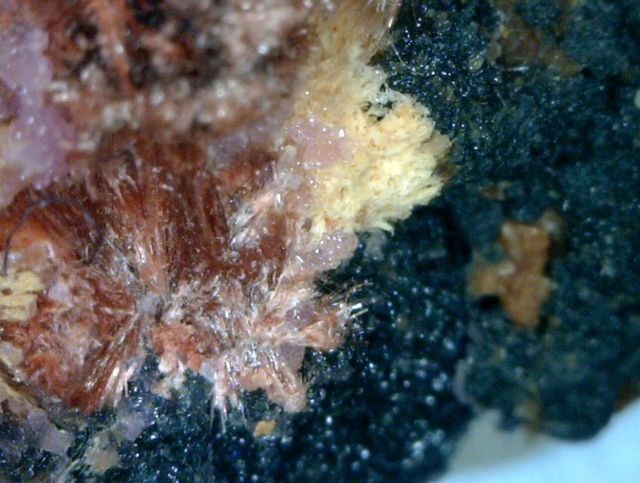
Heterogenite
The oxidised cobalt mineral of the Central African Copperbelt, and the ore most artisanal cobalt mining targets.
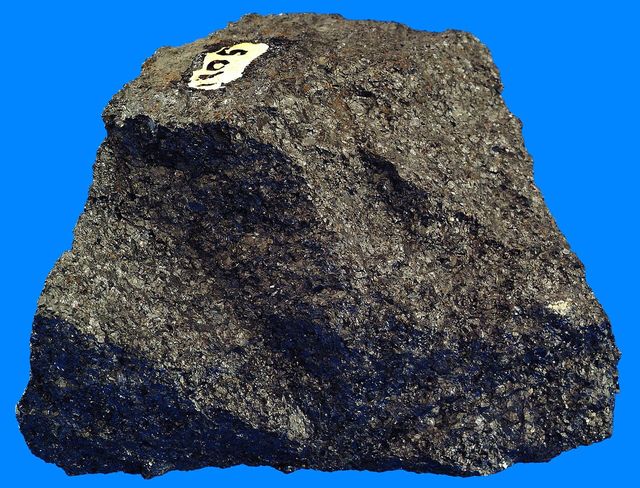
Ilmenite
The dominant titanium mineral, about 45-65% TiO2, mined from heavy mineral sand deposits along ancient shorelines.
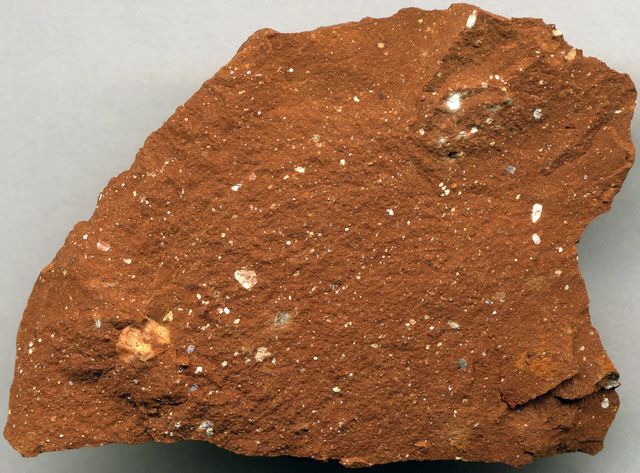
Ion-Adsorption Clay
Weathered granite where rare-earth ions cling loosely to clay surfaces. Grades are very low but the metal washes out…
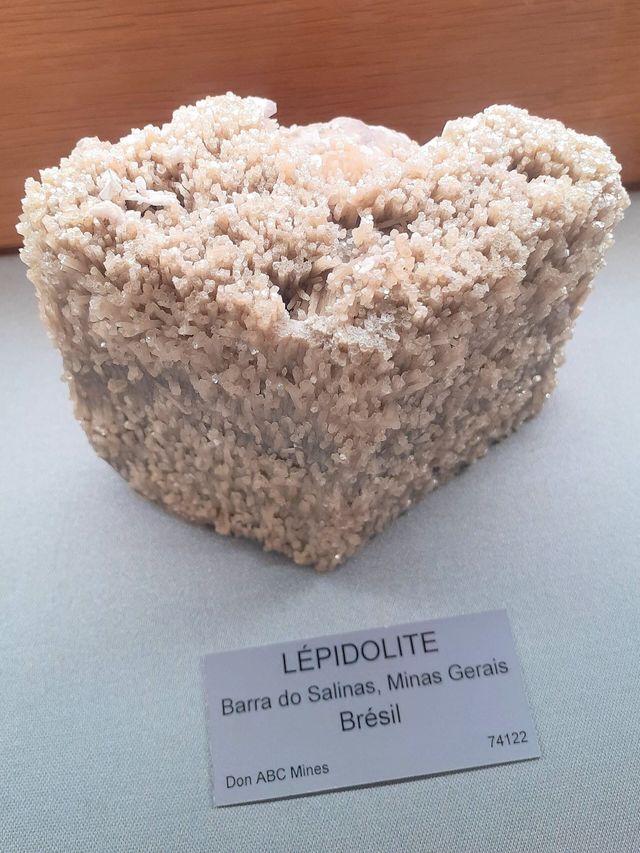
Lepidolite
A lithium mica. Rich in fluorine, which complicates processing, but also carries rubidium and caesium.
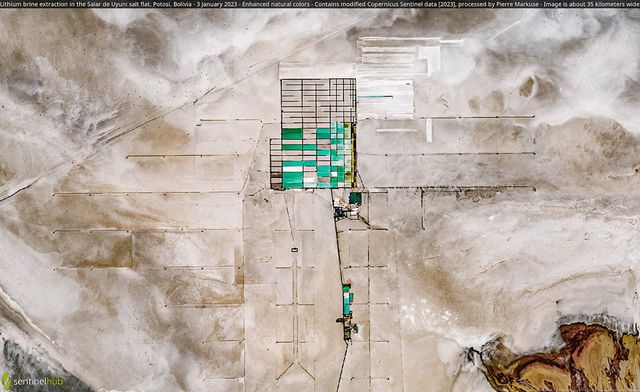
Lithium Brine
Not a mineral but a saturated salt solution beneath a salar. Concentrated by solar evaporation over 12-24 months, or…
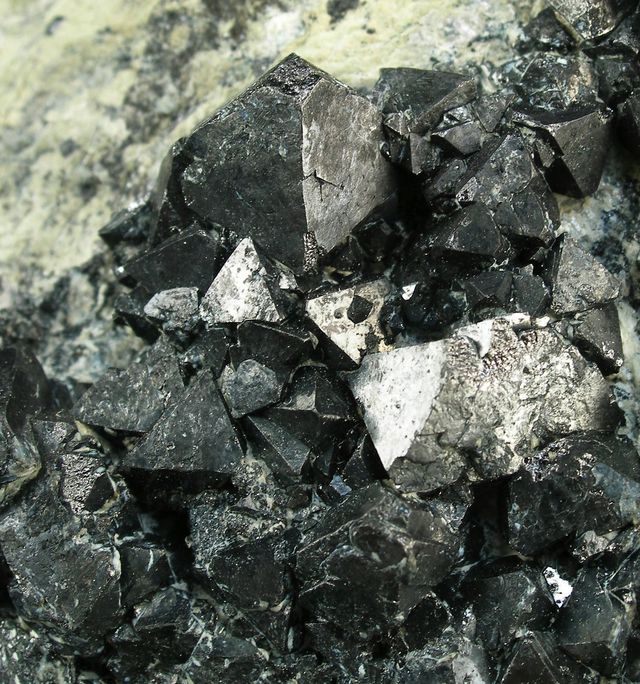
Magnetite
72% iron when pure but usually low grade in the ground; it is upgraded by magnetic separation into high-purity pellet…
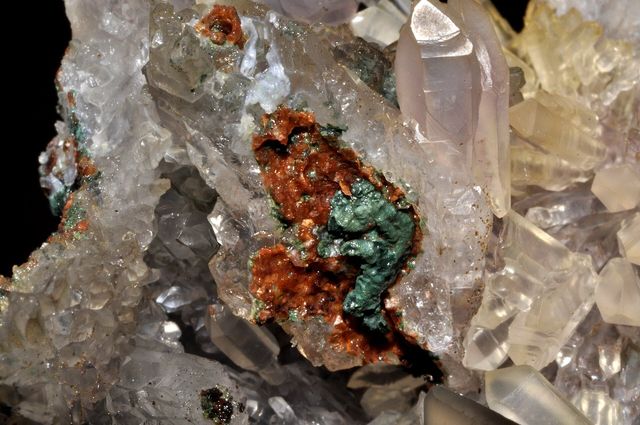
Malachite
An oxidised copper mineral. Leachable with acid without smelting, which is why oxide caps are mined first.
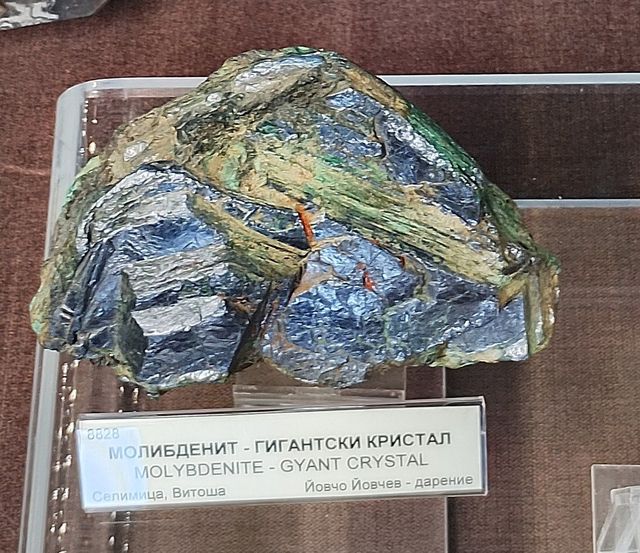
Molybdenite
Soft enough to mark paper. Also a dry lubricant, and now a two-dimensional semiconductor under study.
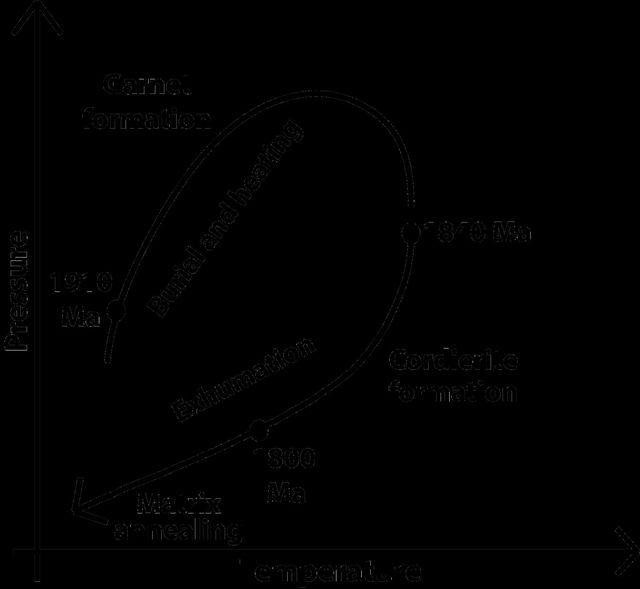
Monazite
A rare-earth phosphate found in heavy mineral sands. Carries thorium, so it is radioactive enough to be regulated.
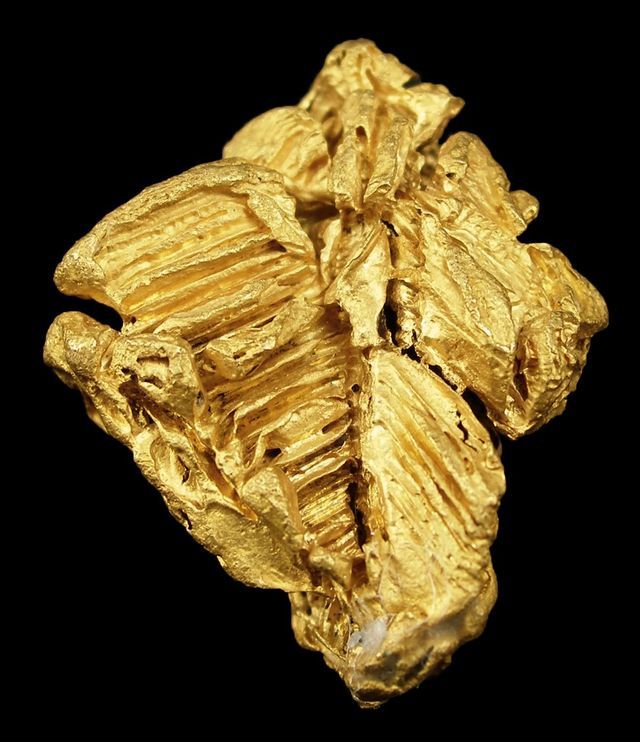
Native Gold
Gold occurs as the metal itself, usually as microscopic grains locked in sulfide or quartz rather than as visible…
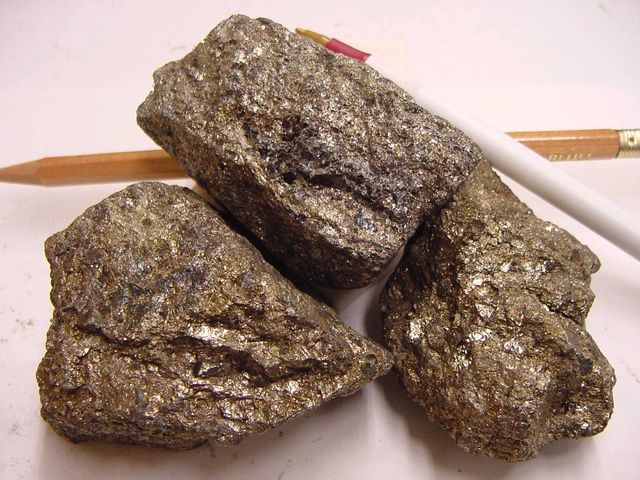
Pentlandite
The main nickel sulfide ore mineral, and the host that also carries most by-product platinum-group metals.
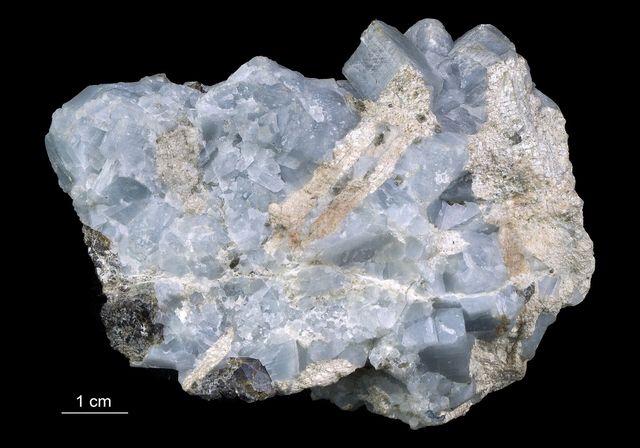
Petalite
A lower-grade lithium silicate, historically important in glass and ceramics.
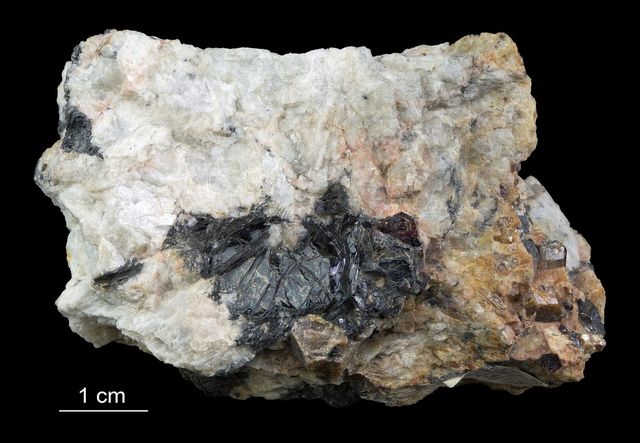
Pyrochlore
The niobium mineral of carbonatite deposits, and the reason niobium supply is so geographically concentrated.
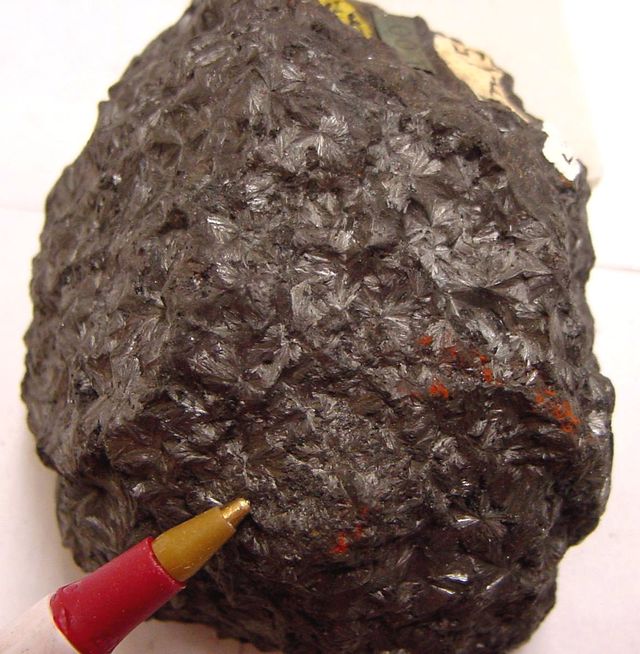
Pyrolusite
The principal manganese ore, and the mineral that gave the world its first battery cathode.
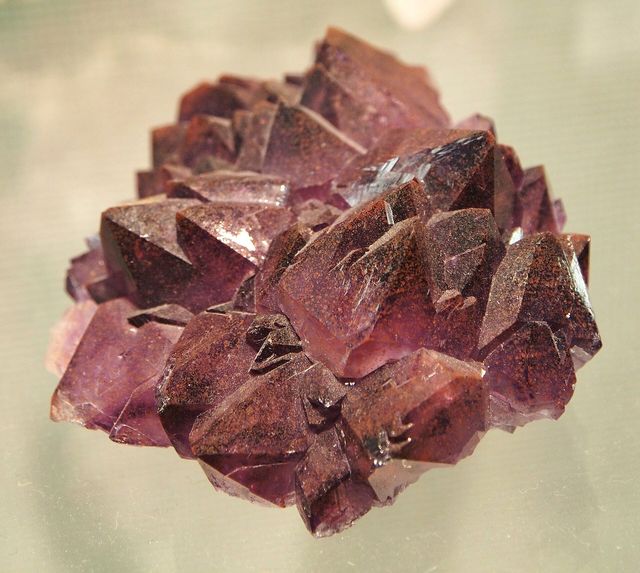
Quartz
The most common mineral in the continental crust, and — in a few unusually pure deposits — the start of the…
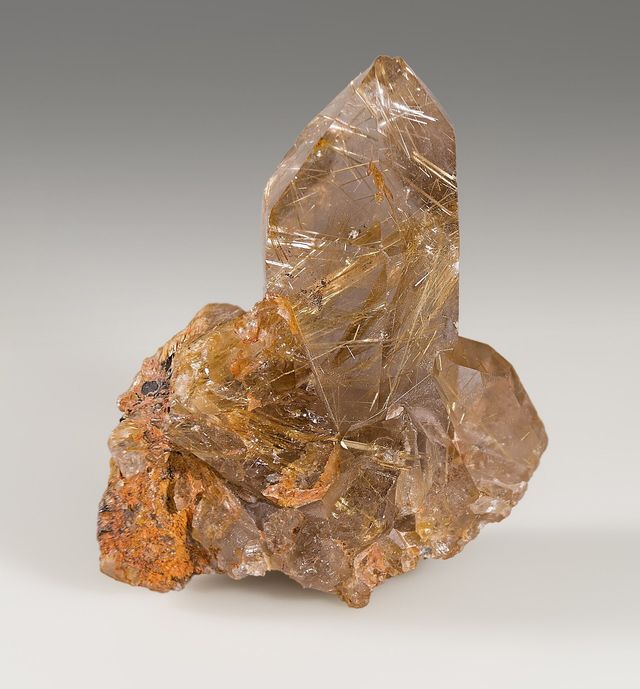
Rutile
Nearly pure titanium dioxide at about 95%. Scarcer and more valuable than ilmenite, and the preferred feed for titanium…
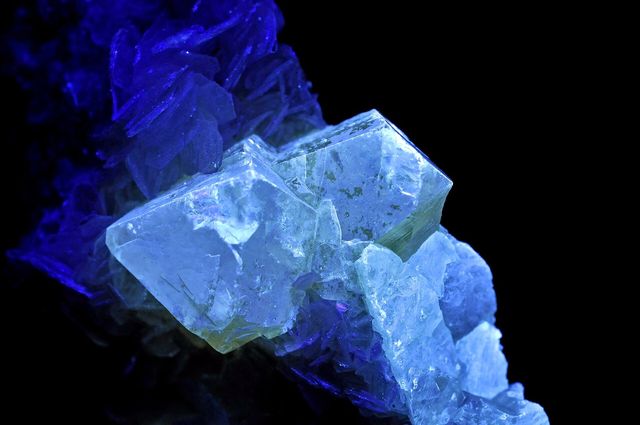
Scheelite
The skarn tungsten mineral. Its bright blue fluorescence under UV light is a standard field prospecting tool.
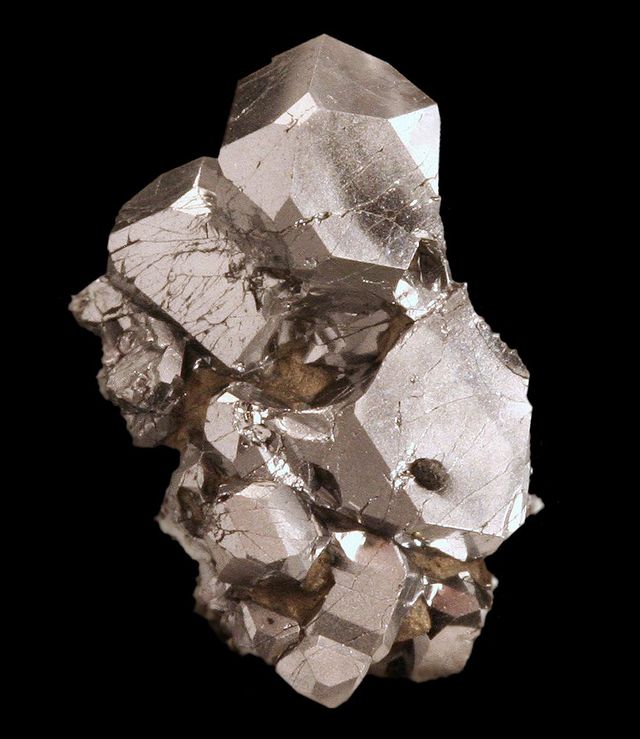
Sperrylite
The most common platinum mineral, a hard arsenide found in nickel-copper sulfide ores.
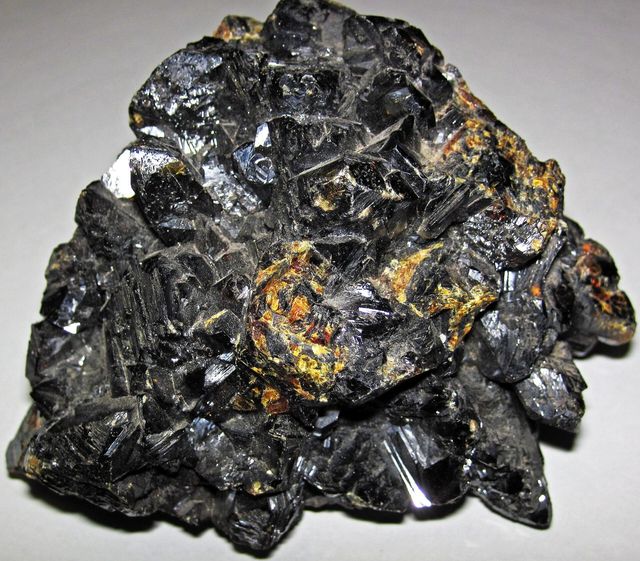
Sphalerite
The main zinc ore, and the world's main source of indium, germanium and gallium as trace substitutions in its lattice.
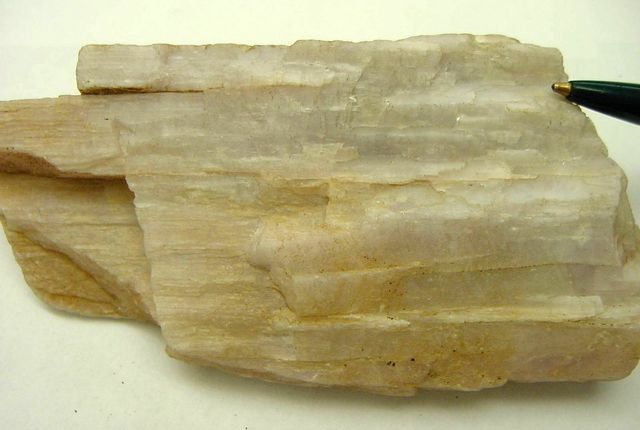
Spodumene
The main hard-rock lithium mineral. Fresh spodumene contains up to 8% Li2O; concentrate is sold at about 6%.
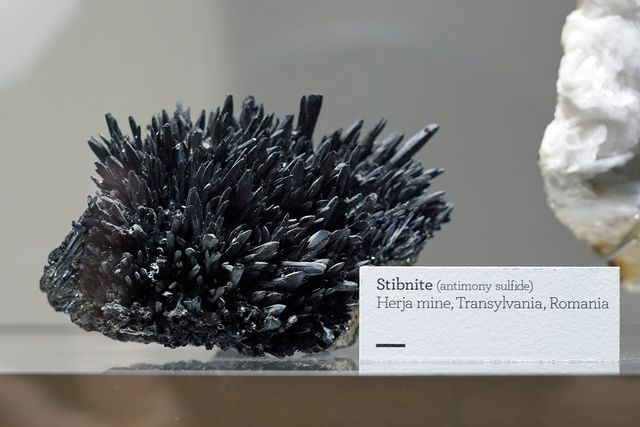
Stibnite
The antimony ore, forming spectacular sprays of metallic blades. Used as eye cosmetic (kohl) for thousands of years.
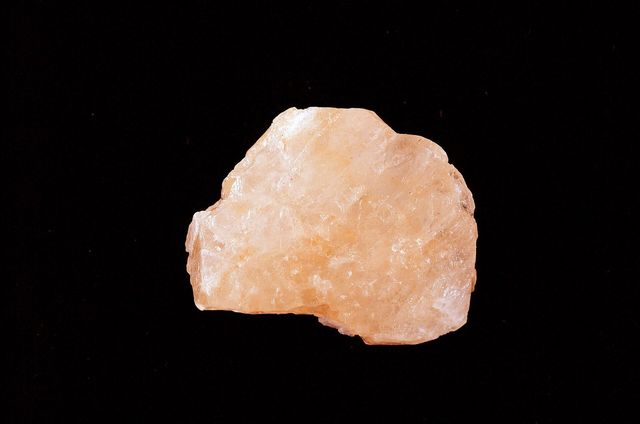
Sylvite
The potash mineral. Bitter rather than salty, and mined from beds left by evaporated inland seas.
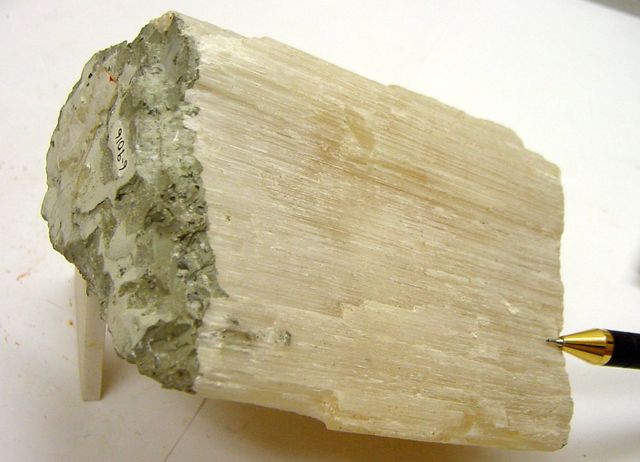
Trona
The natural soda-ash mineral. Where it is mined, synthetic soda ash cannot compete on cost.
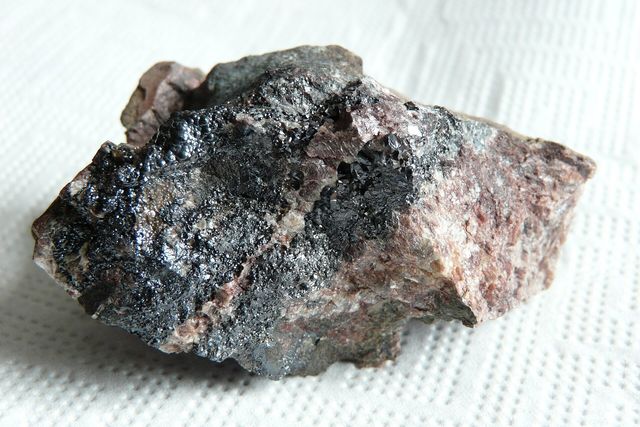
Uraninite (pitchblende)
The main uranium ore. The Athabasca Basin's unconformity deposits reach grades over 15% U — a hundred times typical.
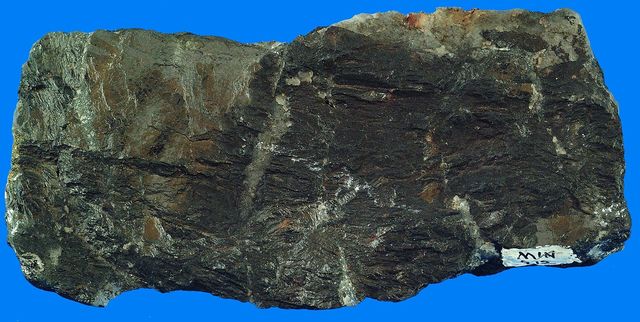
Wolframite
One of two tungsten ores; the classic vein mineral of granite-hosted systems.
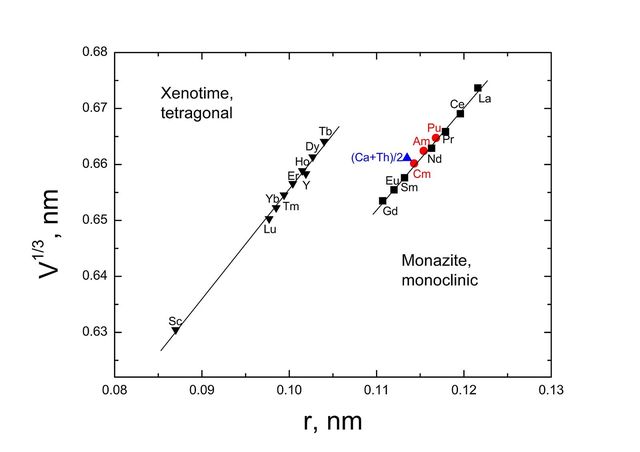
Xenotime
A yttrium phosphate that also carries the heavy rare earths — dysprosium, terbium, erbium — that magnets need.
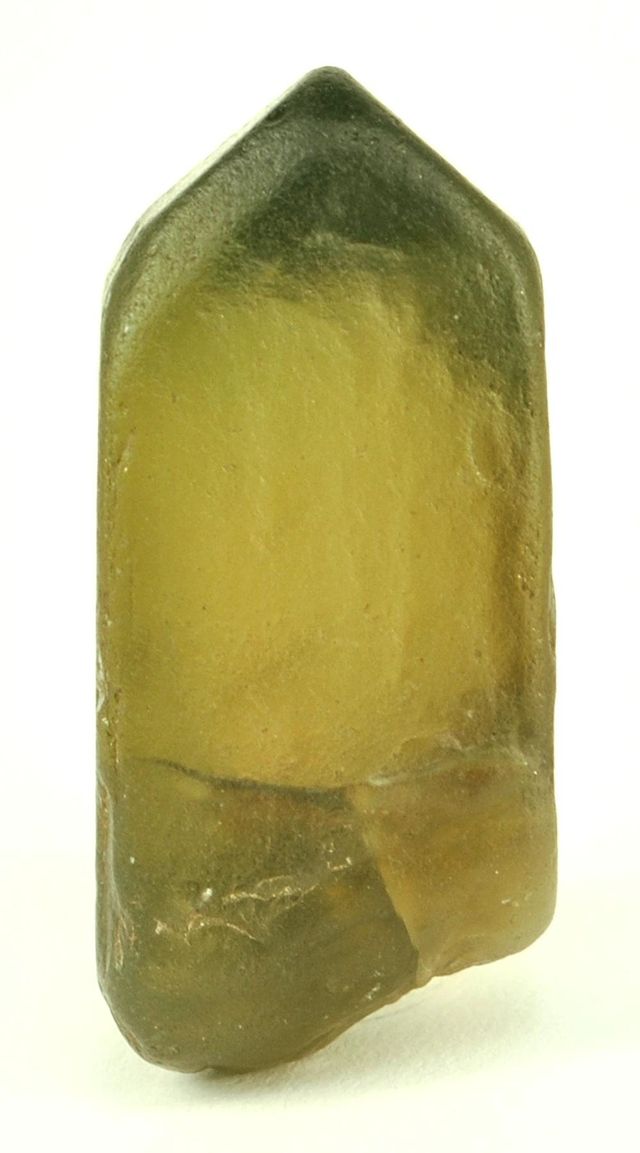
Zircon
The zirconium mineral, mined from the same beach sands as ilmenite. Individual crystals are the oldest known fragments…