Module 4 · From cathode to the thing you can buy
End markets, and what is competing for the same metal
Level 1 · Foundation 9 min read 3 questions
Buildings, grids, motors, vehicles and data centres all draw on the same refined copper, and several of them are growing at once.
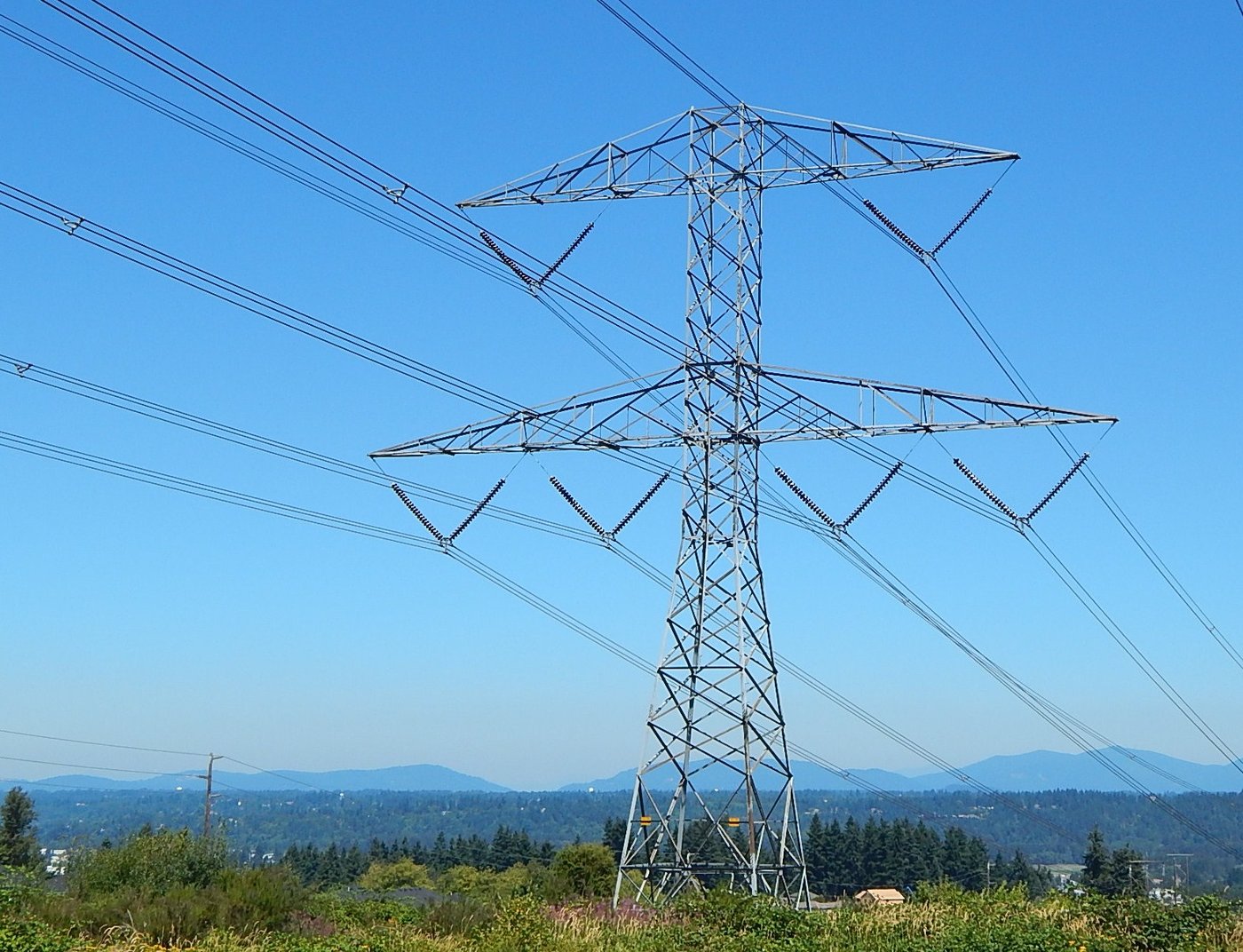
Copper's end markets are easy to list and easy to underestimate, because the largest of them is invisible. Almost every building contains tens or hundreds of kilograms of copper in wiring, plumbing and fittings, and that stock has to be maintained and replaced whether or not anything new is being built.
The markets
- Construction
- Historically the largest single end use and still very large: building wire, plumbing tube, roofing, air-conditioning coils. Replacement demand here is relatively insensitive to the economic cycle.
- Power generation and transmission
- Generator windings, transformers, and the cable between them and the consumer. Power grids is the end market attached to the site's copper chain page, and grid investment is one of the largest sources of incremental demand.
- Industrial machinery and motors
- Electric motors are copper windings around steel. A very large share of the world's electricity passes through them, and efficiency regulation tends to increase copper per motor.
- Transport
- Vehicles have always contained copper in harnesses and motors. Electric vehicles add traction motor windings, battery current collectors, busbars - and, outside the vehicle, charging infrastructure and the grid reinforcement behind it.
- Data centres
- Data centres need dense copper in busbars, power distribution and network cabling, and their power draw has risen sharply with the expansion of computing capacity.
- Consumer and electronics
- Smaller per unit, enormous in aggregate, and the hardest part of the stock to recover at end of life.
What would change the picture
The material page sets out the conditions symmetrically, and they are worth taking seriously in both directions. For demand to fall sharply, one of a small number of things would have to be true: a viable affordable substitute would have to emerge at scale in one or more high-volume applications; electrification programmes would have to slow or reverse; or growth in the regions that build and wire the most infrastructure would have to stall for an extended period. For demand to exceed what supply can deliver, the current pace of electrification and data-infrastructure build-out would have to be sustained while new mine supply takes the time it typically requires.
Substitution, honestly
Aluminium substitutes in transmission lines, some building wire and some vehicle harnesses, and it has taken real share in those uses. Optical fibre replaced copper for signal, though not for the power that runs the equipment at each end. In most other applications substitution means accepting a performance penalty, a size penalty or a reliability penalty - which happens readily at high copper prices and unwinds at low ones. Substitution is therefore best understood as a price-sensitive brake on demand rather than a one-way structural loss. See substitution.
- Construction is the largest and least cyclical end use, because replacement wiring is not optional.
- Grids, EVs and data centres compete for the same cathode and are expanding together.
- Substitution is mostly price-elastic rather than permanent, outside transmission lines and signal cable.
- Installed stock
- The copper already in use in buildings and equipment, which generates replacement demand.
- Semis-based demand
- Consumption measured at the fabrication stage rather than at the refinery.
- Power gridson this site
- Electric vehicleson this site
- Data centreson this site
- Substitutionon this site
Check yourself
1. Why is construction demand for copper less cyclical than it first appears?
The installed stock of wiring and plumbing has to be maintained regardless of the rate of new construction.
2. Electric vehicles increase copper demand beyond the vehicle itself because of:
A large part of the incremental copper sits outside the car: chargers, distribution and transmission.
3. Substitution of aluminium for copper is best described as:
Transmission lines are a settled aluminium win; most other substitution involves a penalty that becomes tolerable when copper is expensive.