Module 2 · Upstream: finding it and lifting it
Finding it, and what a reserve figure means
Level 2 · Working knowledge 10 min read 3 questions
Reserves are not a measurement of oil in the ground. They are an estimate of what is recoverable under stated assumptions, and the assumptions are the interesting part.
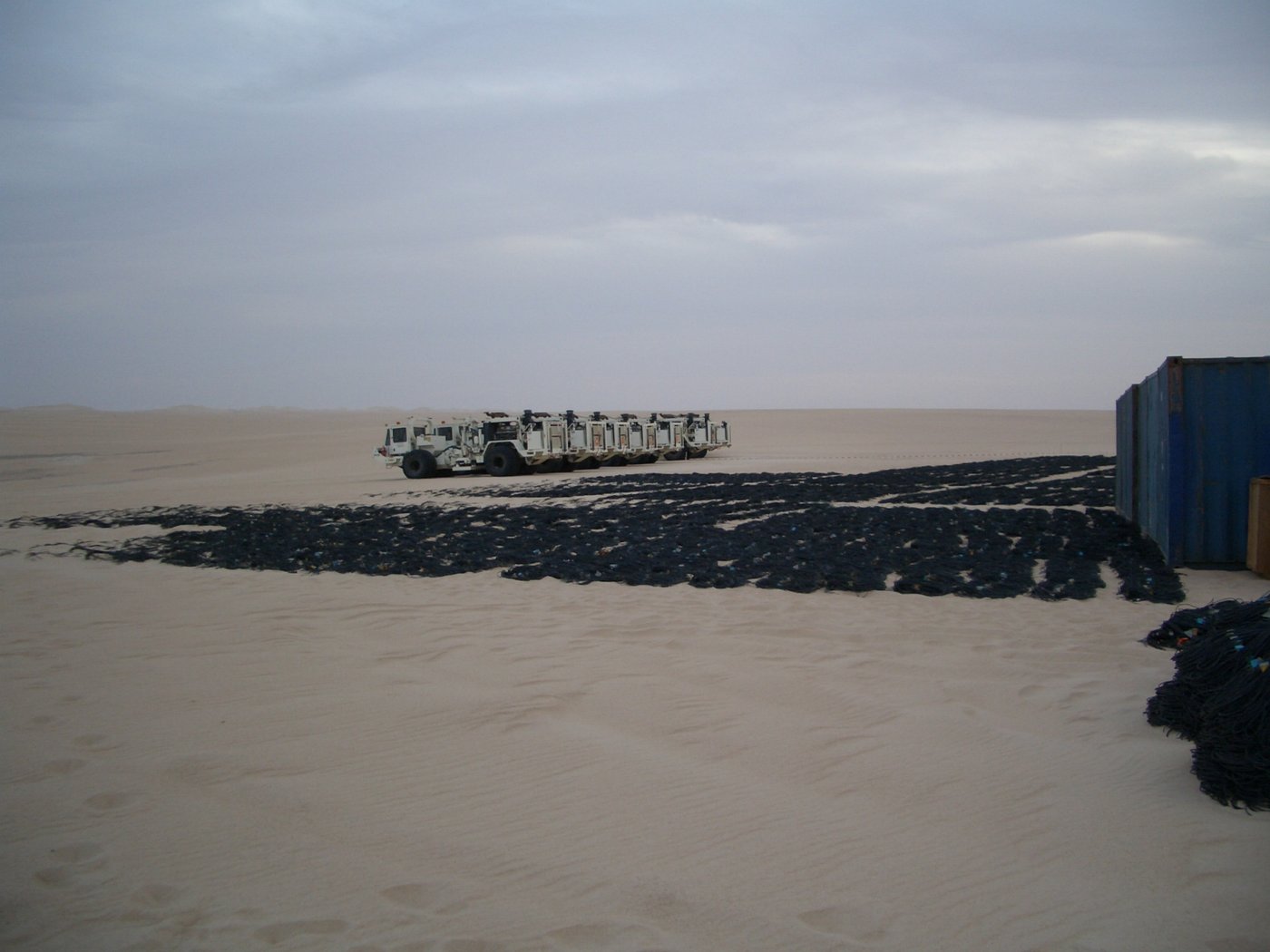
Exploration for oil looks nothing like exploration for copper, because the target is a fluid in pore space rather than a mineral in rock, and because you cannot see it. The sequence is regional geology, then seismic survey, then a well.
The three questions a reserve figure answers
A reserves number is a triple judgement, and the arguments about it are almost always about which of the three is being stretched.
- Is it there? How much oil is physically in the rock - oil initially in place.
- Can it be got out? What fraction can actually be produced with the methods to be applied. This is the recovery factor, and it varies enormously with reservoir type and fluid.
- Does it pay? At what price, cost and fiscal terms. A barrel that costs more to lift than it sells for is not a reserve, however certain its existence.
| Category | Shorthand | Rough meaning |
|---|---|---|
| Proved | 1P | Reasonably certain to be recoverable under current conditions |
| Proved plus probable | 2P | At least as likely as not to be recovered; the usual internal planning case |
| Proved plus probable plus possible | 3P | A low-probability upside case |
| Contingent resources | - | Discovered, potentially recoverable, but not yet commercial |
| Prospective resources | - | Undiscovered. An estimate of what might be found |
Definitions current under PRMS 2018 · Society of Petroleum Engineers, Petroleum Resources Management System
Listed companies reporting to the US Securities and Exchange Commission report proved reserves under SEC rules, which are stricter than PRMS in places. National figures published by governments follow neither consistently.
Reserves move without any new oil being found
Because price and technology are inside the definition, a reserve figure can rise or fall with no change underground at all. A sustained price rise makes marginal barrels commercial, and reserves go up. A change in recovery technique raises the recovery factor, and reserves go up. A fiscal change that takes a larger share of revenue can make the tail of a field uneconomic, and reserves go down. Read any headline about reserves rising or falling with that in mind before concluding anything about geology.
Reserve life is a ratio, not a countdown
Dividing reserves by current annual production gives the reserves-to-production ratio, usually quoted in years. It is a useful scale indicator and a terrible forecast. It assumes production stays flat and then stops dead, which is not how any field behaves; real fields decline along a curve, and the reserves figure in the numerator is itself being revised every year.
- A reserve is a commercial judgement wrapped around a geological estimate; price and technology sit inside the definition.
- 1P, 2P, 3P, contingent and prospective mean different things and cannot be compared or added.
- Reserves-to-production is a scale indicator, not a countdown to running out.
- Oil initially in place
- The total oil estimated to be in the rock, before any question of whether it can be produced.
- Recovery factor
- The fraction of oil in place that can actually be produced.
- 1P / 2P / 3P
- Proved; proved plus probable; proved plus probable plus possible.
- Reserves versus resourceson this site
- Reading a technical reporton this site
- Exploration, in miningon this site
- SPE Petroleum Resources Management Systemprimary source
Check yourself
1. A country's published reserves rise sharply in a year with no significant new discoveries. The most plausible explanations include all of the following EXCEPT:
Oil formation takes tens of millions of years. Everything else on the list moves reserves without a molecule changing.
2. What does the recovery factor measure?
It is the fraction of oil in place that the chosen methods can actually get out, and it is where most of the engineering effort in a producing field goes.
3. Seismic surveying is best described as:
Seismic shows where a trap could be. Only a well establishes whether there is producible oil in it.