Module 5 · Ownership, price and failure
Futures, hedging and paper barrels
Level 3 · Specialist 11 min read 4 questions
Far more oil is traded on paper than is produced. This lesson is what those contracts are for, who uses them and why, and what the volume figures do and do not mean.
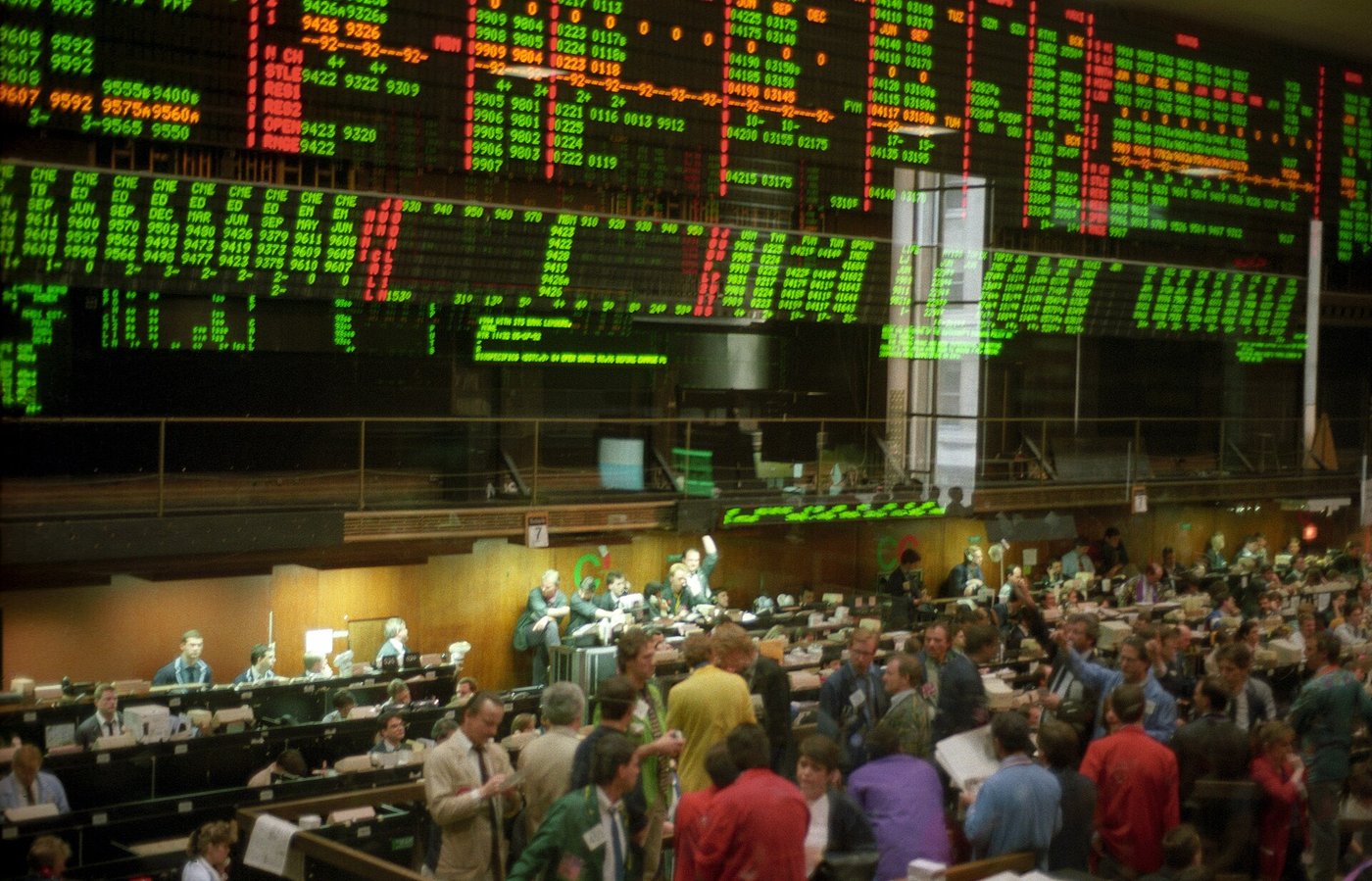
Alongside the physical chain runs a financial one. A futures contract is a standardised agreement to buy or sell a defined quantity of a defined grade at a defined place and month, traded on an exchange that stands between the parties. The standardisation is what makes it tradeable by people who never intend to touch oil.
Who uses these contracts, and for what
- Producers
- Sell forward to lock in revenue and protect a capital programme or a debt covenant. A producer hedged at a fixed level keeps drilling when prices fall - which is part of why supply responds more slowly to price falls than intuition suggests.
- Refiners
- Hedge the spread rather than the level: buy crude futures and sell product futures, locking a crack spread, because the refinery's income is the difference and not either leg.
- Airlines and shippers
- Buy forward to stabilise a major input cost. Jet fuel is often hedged with a related contract plus a basis adjustment, because the jet contract itself may not be liquid enough.
- Physical traders
- Use paper to hedge the price risk on cargoes they own while keeping the location and timing risk they are paid to manage.
- Financial participants
- Take positions on price without physical exposure. They provide much of the liquidity that lets the hedgers transact at all, and they are also the group whose positioning shifts fastest.
Hedging removes upside as well as downside
This is the point most often lost. A producer who sells forward at a fixed price is protected if the market falls and gives up the gain if it rises. Hedging is not a bet that prices will fall; it is a decision to convert an uncertain revenue into a certain one, usually because certainty is what the balance sheet or the lender requires. Judging a hedge by whether it 'made money' against the eventual spot price misunderstands what it was bought for.
Paper volume is not physical volume
Traded volume in oil futures greatly exceeds physical production, and the ratio is not evidence of anything improper. A single physical cargo passing down a chain of intermediaries, each hedging and unwinding, generates multiples of its own volume in paper. Positions are also opened and closed many times before expiry - the overwhelming majority of contracts never go to delivery, because delivery is the mechanism that keeps the contract honest rather than the purpose of trading it.
Where paper and physical meet
Three mechanisms tie the two together, and all three matter when reading a dislocation.
- Delivery. A contract that can be delivered against forces convergence at expiry: if the futures price and the physical price at the delivery point diverge, someone can profit by taking or making delivery.
- Exchange for physical. A standard mechanism that lets counterparties swap a futures position for a physical one off-exchange, which is how a great deal of physical oil actually changes hands.
- Storage. The carry trade from lesson 7 links the shape of the paper curve to the physical act of filling a tank.
When the delivery point is physically constrained - tanks full, pipelines committed - the third mechanism stops working, and the futures price can move to a level that makes no sense as a price for oil in general. It is still a perfectly sensible price for oil *at that point on that day*, which is all the contract ever promised.
- Hedging converts uncertain revenue into certain revenue; it gives up upside by design.
- Paper volume exceeding physical production is structural, not suspicious; open interest is the more informative figure.
- Delivery, exchange for physical and storage are what tie paper to the physical barrel - and all three can jam.
- Futures contract
- A standardised, exchange-traded agreement for a defined quantity, grade, place and month.
- Open interest
- The number of contracts outstanding, as distinct from the number traded.
- Exchange for physical
- A mechanism to swap a futures position for a physical one off-exchange.
- Basis
- The difference between the price of what you hold and the price of the contract you hedged it with.
- CME energy contract specificationsprimary source
- How metals are pricedon this site
- Copper pricing and trading, the metals versionanother lesson
Check yourself
1. A refiner hedging its business would most naturally:
A refinery's income is the difference between product value and crude cost, so the spread is the exposure worth hedging, not either leg alone.
2. Which figure better indicates how much positioning is actually held in a futures market?
Volume counts transactions including intraday round trips; open interest counts contracts outstanding.
3. A producer hedged a year's output at a fixed price, and spot prices then rose well above it. The correct assessment is:
Hedging is bought for certainty, not for outperformance. Judging it against the eventual spot price mistakes its purpose.
4. Why do the great majority of oil futures contracts never go to physical delivery?
Deliverability is the disciplining mechanism. Most participants want the price exposure, not the barrels, and close out beforehand.