Module 5 · Ownership, price and failure
Where the oil chain actually breaks
Level 3 · Specialist 11 min read 4 questions
Not at the wells. The failure modes that matter are a mismatched refinery, a full pipeline, a constrained strait and a sanctioned counterparty.
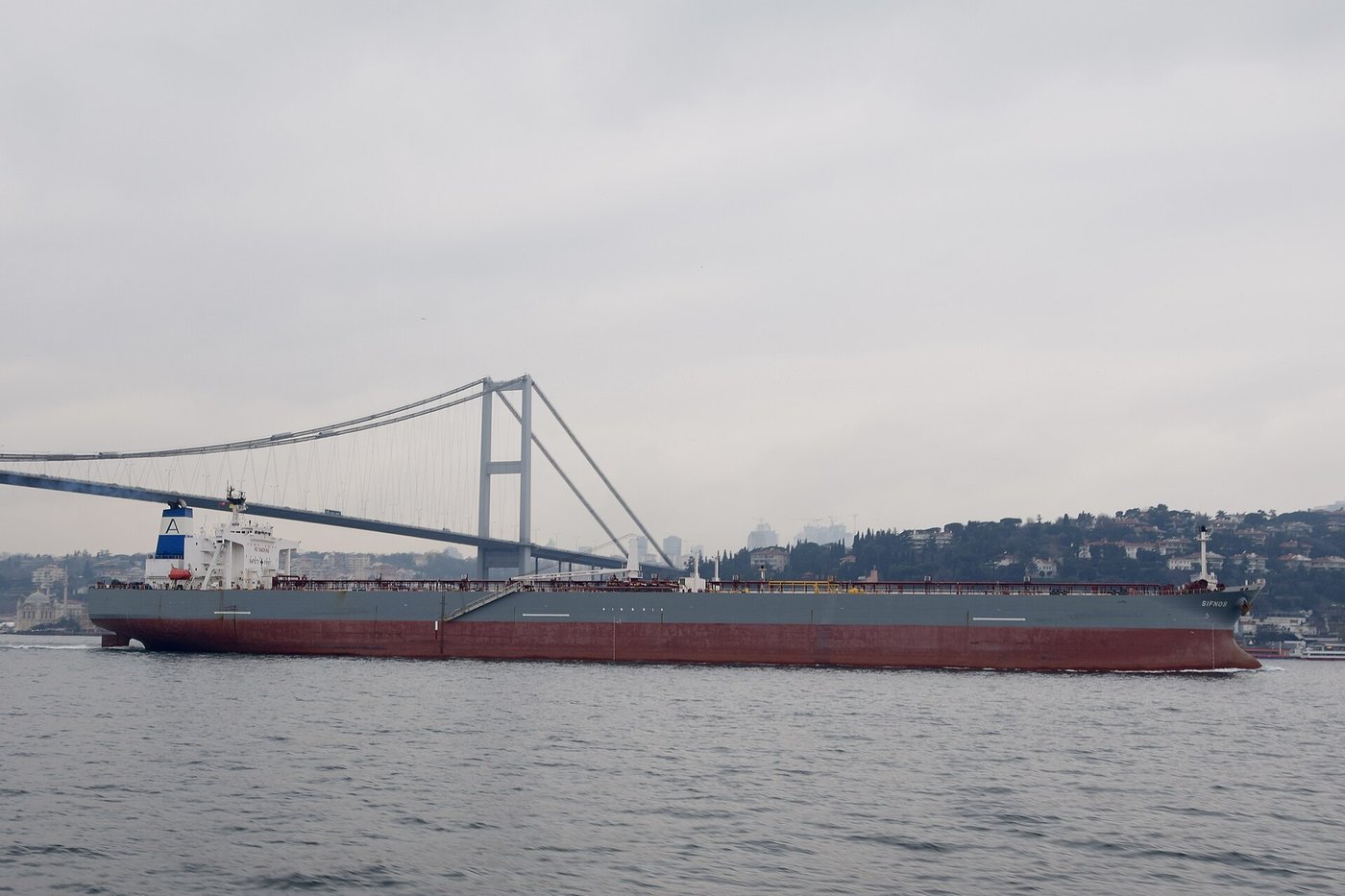
This site's general argument, set out in what is a supply chain, is that the mine is rarely the fragile part. Oil is a clean example. Wells are numerous, geographically spread and individually small relative to world supply. The failures that bite are further along.
Failure mode 1: the wrong barrel for the plant
Refineries are configured for a crude slate. When a particular grade becomes unavailable - through sanctions, war, an export terminal outage - the refineries built around it cannot simply switch. A deep-conversion refinery designed for heavy sour crude running light sweet crude will under-use its expensive conversion units and may be limited elsewhere. The barrels exist; the matching does not. This is the single most underappreciated constraint in oil, and it is why 'there is plenty of oil in the world' can be true at the same time as a regional shortage of diesel.
Failure mode 2: the pipe is full
Takeaway capacity out of a producing basin, or out of a pipeline hub, is a hard limit. When drilling outruns pipelines, the local price falls until a more expensive route clears the volume. The oil is produced, the demand exists, and the value is destroyed in between by logistics.
Failure mode 3: the strait
Lesson 8 covered the physical chokepoints. The point to carry forward is that partial disruption is the normal case and it works through cost, insurance and fleet utilisation rather than through outright closure. A strait does not have to shut to reprice the market.
Failure mode 4: the counterparty
Sanctions and export controls operate on people, companies, vessels, banks and insurers rather than on molecules. The physical oil remains; the ability to transact it legally does not. In practice this reroutes trade rather than removing it: barrels find buyers in jurisdictions that will take them, at wider discounts, with longer voyages, through opaquer intermediaries and often outside mainstream insurance. This site's export controls lesson covers the mechanics.
Failure mode 5: refining concentration and turnaround
Refining capacity is geographically concentrated and ages. Every plant needs periodic turnarounds - planned shutdowns for maintenance lasting weeks - and they cluster seasonally. An unplanned outage on top of a heavy turnaround season, in a region with limited import options, produces a product shortage from a fully supplied crude market. Again: crude and products are different markets, and the second is where consumers live.
Ranking them
| Failure mode | Binds how often | What it looks like in the numbers |
|---|---|---|
| Crude and refinery mismatch | Persistent | Wide, grade-specific differentials; regional product cracks diverge |
| Refinery outage and turnaround | Seasonal and episodic | Product cracks spike while crude is unmoved |
| Takeaway capacity | Episodic, regional | A local grade disconnects from its benchmark |
| Sanctions and counterparty risk | Episodic, persistent once started | Discounts on the affected grade; freight and insurance costs rise |
| Chokepoint disruption | Rare, high impact | Freight rates and war-risk premiums rise before volumes change |
| Loss of producing capacity | Rare | Spare capacity is drawn down; the whole curve moves |
Qualitative ranking, not time-specific · Structured from the failure modes described in IEA and EIA market commentary
Ordered by frequency, not by severity. The rarest row is the one that moves price most when it happens.
- Oil's fragile links are matching, logistics and legality - not the wells.
- A crude surplus and a regional product shortage can coexist, and often do.
- Sanctions reroute trade rather than removing it, at the cost of efficiency and transparency.
- Crude slate
- The mix of crude grades a refinery is configured to run.
- Turnaround
- A planned refinery maintenance shutdown.
- Takeaway capacity
- Pipeline capacity available to move production out of a basin.
- Chokepointson this site
- Export controlson this site
- What is a supply chain?on this site
- IEA Oil Market Reportprimary source
Check yourself
1. A region reports ample crude supply but a diesel shortage. The most likely explanation is:
Crude and products are different markets. Product shortages come from the conversion step, not from the resource.
2. Sanctions on a producer typically result in:
Sanctions act on transactions, not molecules. Volumes usually find a way through at a cost in efficiency and visibility.
3. Which of these binds most persistently rather than episodically?
Mismatch is a standing feature of the system, which is why grade differentials are always with us; the others are events.
4. A refinery turnaround is:
They are planned, necessary and seasonal, which is why product cracks have a predictable seasonal component before any unplanned event.