Module 4 · The buyers and the market
Reading the numbers without being caught out
Level 2 · Working knowledge 10 min read 4 questions
Wood has more unit traps than any other commodity on this site. This lesson is the checklist, and the sources worth reading.
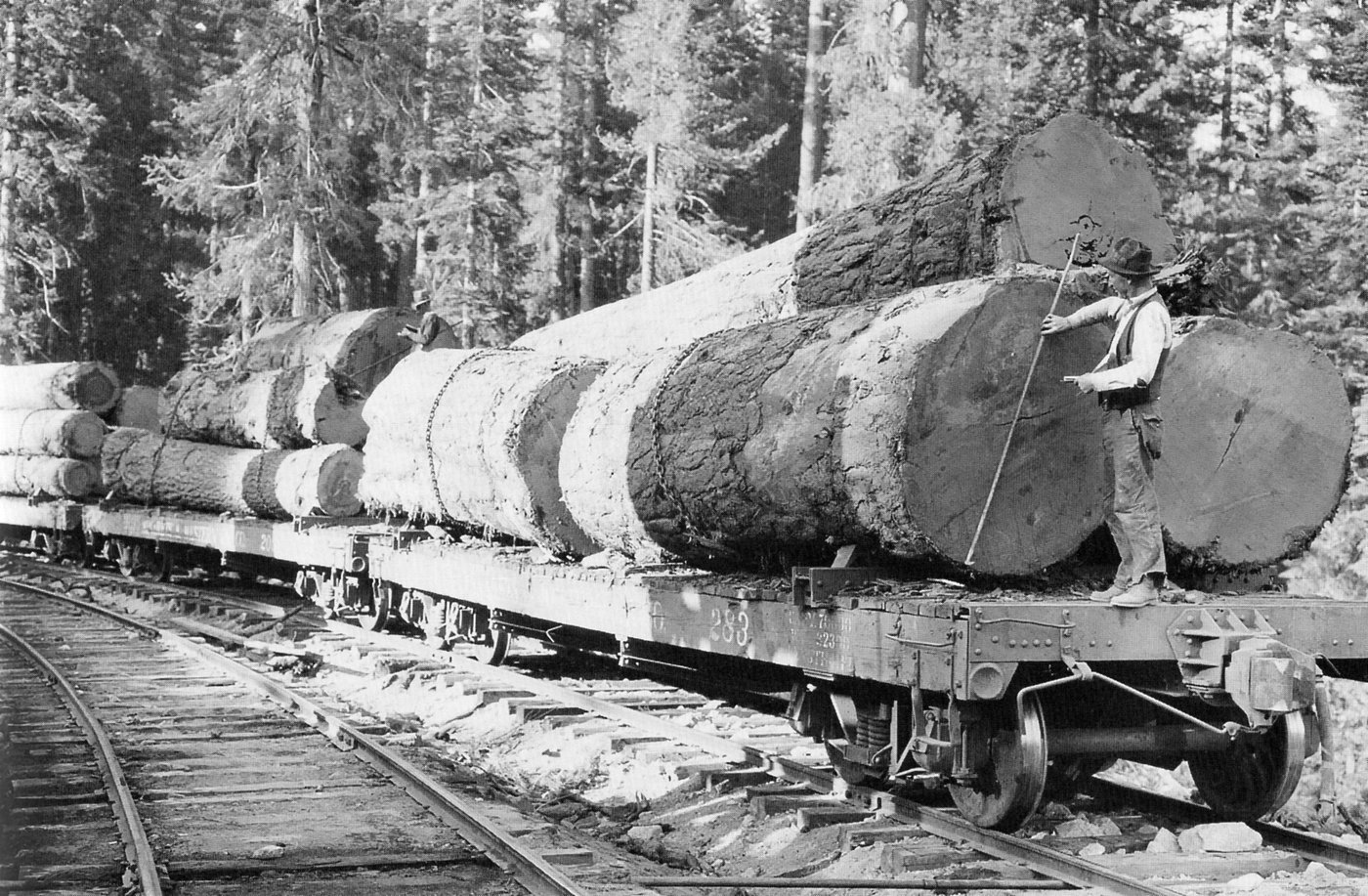
Every commodity has a measurement trap or two. Oil has crude against total liquids; copper has mine against refinery production. Wood has at least six, and they compound, so a figure can be wrong by a factor of two without anybody making an arithmetic error.
The six traps
| Trap | The question to ask |
|---|---|
| Which log rule | Doyle, Scribner or International? On small timber they differ by a factor of two |
| Nominal or actual | Board footage is computed on nominal size, so it counts wood that was planed away |
| Green or dry weight | Residuals and pulpwood are sold by weight, and green wood carries a great deal of water |
| Solid volume or stacked volume | A cord is 128 cubic feet of stack, including the air between the pieces, not of wood |
| Roundwood or product | Roundwood removals, sawnwood output and panel output count the same tree at different stages - the same double-counting trap as oil and copper |
| Fuelwood or industrial | About half of world roundwood removals are fuel. A figure that includes them describes a different industry |
Definitional; applies to all vintages · Unit definitions per FAO Forest Products Definitions; log rule differences per Ohio State University Extension
Where the numbers come from
- FAO
- The only genuinely global source. FAOSTAT's forestry database carries roundwood, sawnwood, panels, pulp, paper and pellets by country in cubic metres and tonnes, assembled from national submissions. Coverage and reliability vary by country, and fuelwood especially is estimated rather than measured.
- USDA Forest Service Forest Inventory and Analysis
- A continuous statistical inventory of US forests: standing volume, growth, removals and mortality by species and state, from permanent field plots. It is the best long-run picture of a national forest resource anywhere, and it answers the questions about species availability that trade data cannot.
- Forest Products Laboratory
- The USDA research arm behind the Wood Handbook, which is the reference for species properties used throughout this course.
- Price reporting services
- Subscription services publishing transaction-based softwood and hardwood price series by item, species, grade and region.
- Housing starts and construction data
- The demand indicator for softwood, published monthly by national statistical agencies.
| Measure | 2024 |
|---|---|
| Roundwood removals, all uses | About 4 billion cubic metres a year |
| Of which industrial roundwood | 1.96 billion cubic metres |
| Wood-based panels | 393 million cubic metres |
| Wood pulp | 189 million tonnes |
| Recovered paper consumed | 243 million tonnes |
| Wood pellets | 48 million tonnes |
| Wood and paper product exports | US$486 billion |
2024; the 4 billion cubic metre figure is a recent-years average · FAO, Global forest products trade and production, 2024 update
Roughly half of total removals is fuelwood, directly or converted to charcoal and pellets. The industrial roundwood row is the input to everything else in this course.
The checklist
- What is being counted - standing volume, removals, roundwood, sawnwood, or a finished product?
- In what unit, and on what rule or basis?
- Green or dry, solid or stacked, nominal or actual?
- Over what period, and is it measured, submitted or estimated?
- Does it include fuelwood?
- Is it comparable with the number I am putting it next to?
That is the same checklist the oil course ends with, and the same discipline the copper course insists on. It is the habit this site is built around: the physical chain has stages, every number belongs to one stage, and most bad analysis comes from quietly moving a number from the stage it was measured at to a different one.
- Log rule, nominal-versus-actual, green-versus-dry, solid-versus-stacked, stage and fuelwood are six compounding traps.
- Industrial roundwood and sawnwood count the same wood at different stages and must not be added.
- FAO for the world, FIA for the US resource, the Wood Handbook for species properties.
- FIA
- The USDA Forest Service Forest Inventory and Analysis programme.
- Removals
- Wood harvested and removed from the forest, as distinct from standing volume or growth.
- Fuelwood
- Roundwood used for energy, directly or as charcoal or pellets.
- FAO forestry statisticsprimary source
- USDA Forest Inventory and Analysisprimary source
- Reading the oil numbers, the same disciplineanother lesson
- This site's methodologyon this site
Check yourself
1. A cord is 128 cubic feet of:
It is a stack measurement, so the solid wood content depends on how the pieces are shaped and stacked.
2. Adding a country's industrial roundwood removals to its sawnwood production is:
It is the same stage-confusion error as adding mine production to refinery production in copper.
3. Roughly half of world roundwood removals is:
Fuelwood is about half of the world's total removals, which is why any global wood figure has to state whether it includes it.
4. Before agreeing a timber price, the single most important thing to establish in writing is:
Unstated measurement conventions cost more money in this trade than negotiation does - a Doyle price and an International price are not comparable.