Module 4 · The buyers and the market
Scrap wood: how it is actually sold
Level 2 · Working knowledge 12 min read 5 questions
Wood after its first life is four different markets with four different economics, and in one of them the material is a liability rather than a commodity.
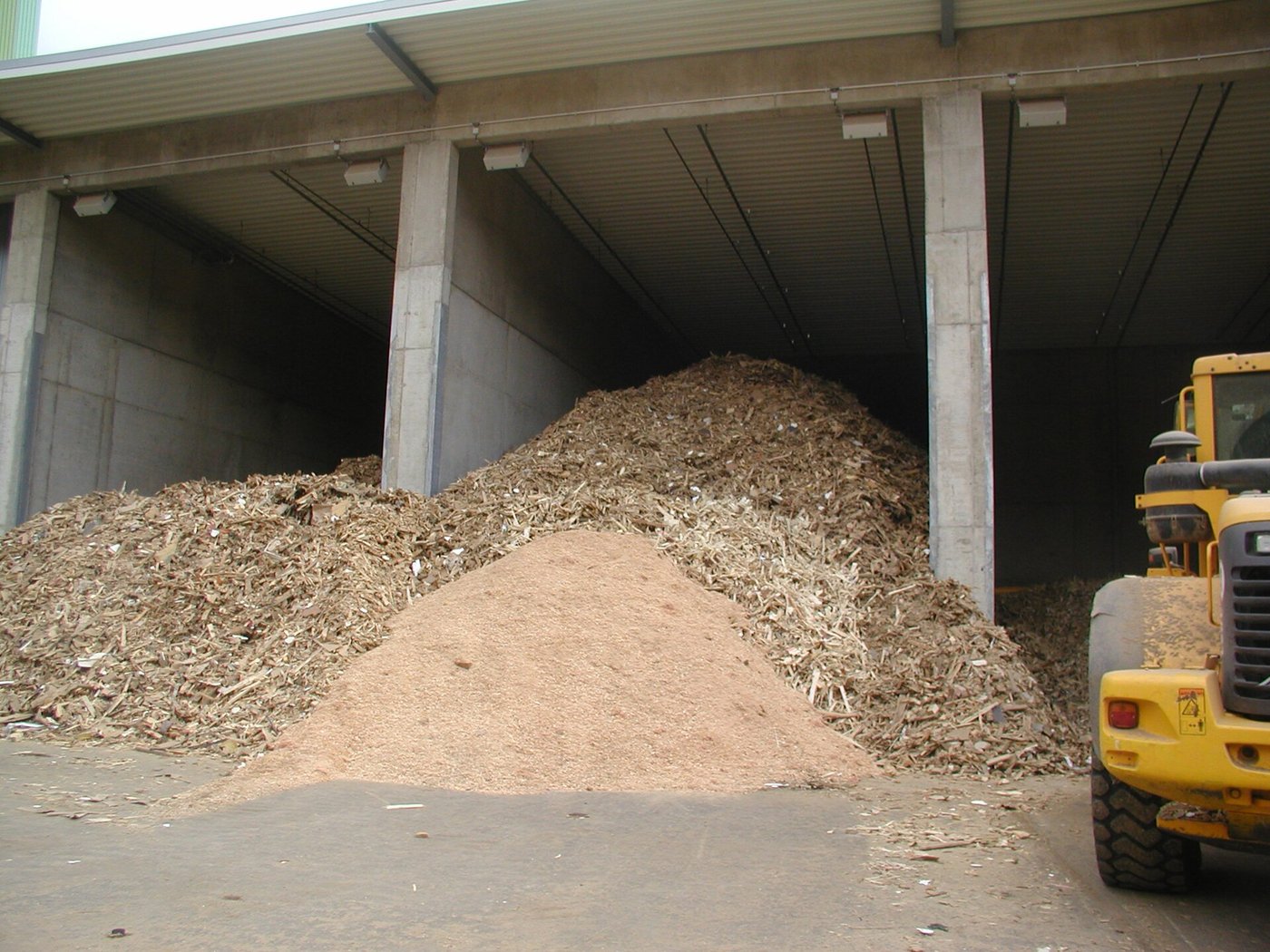
Lesson 10 covered mill residuals - the co-products of sawing. This lesson covers what happens to wood after it has been a product: pallets, packaging, demolition timber, offcuts from construction sites, felled urban trees and treated wood at the end of its service life. It is the part of the chain most people mean by 'scrap wood', and it is four separate markets.
1. Pallets: the largest and best organised
Pallets are the most systematically recycled wood product in existence, because they are standardised, they accumulate at known locations, and a repaired pallet is worth a large fraction of a new one. A pallet recycling business collects used pallets from distribution centres, sorts them, repairs what can be repaired and dismantles the rest.
| Condition | What happens | Sold as |
|---|---|---|
| Sound, standard size | Inspected and resold directly | A recycled pallet, at a discount to new |
| Repairable | Damaged deckboards or stringers replaced | A repaired pallet, often graded A or B |
| Odd size or badly damaged | Dismantled; usable boards and stringers recovered | Cores and recovered boards, sold to other pallet builders |
| Unusable | Ground, with nails removed magnetically | Mulch, animal bedding, panel furnish or boiler fuel |
Current commercial practice · Pallet sector practice as described in Fastmarkets annual US pallet estimates and USDA Forest Service pallet research
'Core' in this trade means a used pallet bought for repair or dismantling, not the core of a panel. The core market is real, priced and traded between recyclers.
2. Reclaimed and architectural salvage
Timber recovered from demolished buildings is a genuine premium market, and the reason is that it cannot be reproduced. Old-growth heart pine, chestnut felled by blight a century ago, and wide clear boards from trees nobody is growing any more all command prices far above new lumber for flooring, beams and furniture.
- It is sold by the board foot or by the piece, graded by appearance and by story - provenance is genuinely part of the price.
- Deconstruction costs far more than demolition, so it only pays where the material is valuable, and it is usually the contractor who takes the risk.
- Metal is the enemy. Every reclaimed board has to be checked - visually and with metal detectors - before it goes near a saw, and remilling is the main cost.
3. Urban wood and construction waste
Two large, low-value streams are handled almost identically. Urban wood is trees removed from streets, parks and gardens; construction and demolition wood is offcuts, formwork, packaging and framing from sites. Both are bulky, mixed and contaminated, and both are usually handled through a processing yard that takes them for a fee.
A processor therefore earns at both ends - a fee to take the material and a price for the product - which is exactly how the economics of most low-value recycling work. When mulch or fuel demand is weak, tipping fees rise to cover the gap.
Within urban wood there is a small high-value exception worth knowing: an urban street tree is often a large, open-grown specimen of a desirable species, and a growing trade mills these into slabs and lumber locally. The obstacle is the one from lesson 4 - embedded metal - and the cost of moving a very large log out of a residential street.
4. Treated and contaminated wood: a cost, not a commodity
Railway ties are a partial exception: used ties have an established market as landscape timbers where permitted, and a large volume goes to permitted co-firing facilities designed and licensed to burn them. The important word in both cases is permitted - the outlet exists because a regulator authorised it, not because the market found it.
What makes a wood waste stream worth money
- Concentration. Can a truckload be collected from one place? Pallets yes, garden waste no.
- Cleanliness. Is it free of paint, preservative, glue, grit and metal? This determines whether it can go into bedding and panels, or only into fuel.
- Dryness. Water is weight you pay freight on and energy you pay to remove.
- Species and size identity. Known and uniform material is worth far more than mixed. This is the same principle as the scrap grades in the copper course: the cleaner and better-identified the material, the further down the chain it can re-enter, and the more of the chain's cost it skips.
That parallel is exact and worth sitting with. Copper scrap and wood waste obey the same law from opposite ends of the value scale. Bare bright copper wire skips mining, smelting and refining; a sound pallet skips the forest, the sawmill and the nail gun. Mixed, dirty material in both industries goes back to the bottom of the chain or out of it altogether.
- Pallets are the best-organised wood recycling market because collection is concentrated.
- Urban and construction wood processors earn at both ends: a tipping fee in, a product price out.
- Treated wood is a disposal cost with regulatory strings, not a commodity.
- Core
- A used pallet bought for repair or dismantling.
- Tipping fee
- A charge paid by the generator to deliver waste material to a processor.
- Deconstruction
- Dismantling a building to recover materials, as opposed to demolishing it.
- Urban wood
- Timber from trees removed from streets, parks and gardens.
- Copper scrap and the secondary loopanother lesson
- Why recycling is not enoughon this site
- Fastmarkets pallet estimatesprimary source
Check yourself
1. A 'core' in the pallet recycling trade is:
Cores are traded between recyclers as raw material for repair and rebuilding.
2. Why do construction and demolition wood processors charge a tipping fee?
They earn at both ends - fee in, product out - and the fee rises when product demand is weak.
3. Preservative-treated wood at end of life is:
It is a liability with regulatory requirements attached, and outlets exist only where specifically permitted.
4. Reclaimed old-growth timber commands a premium mainly because:
Scarcity and appearance drive it. The material's history is genuinely part of what buyers pay for.
5. The principle shared by copper scrap grading and wood waste sorting is that:
It is the same economics at very different price points: identity and cleanliness buy re-entry point.