Module 4 · The buyers and the market
Who buys what
Level 2 · Working knowledge 12 min read 4 questions
The buyer of a species is rarely the industry it is famous for. This lesson maps the buyers by volume, by value, and by what they are actually specifying.
Wood has no single customer. It has a dozen industries, each buying a different part of the tree, graded a different way, on a different price basis, and several of them competing for the same logs. This lesson is the map.
The buyers, by what they take
| Buyer | What they buy | What decides their choice |
|---|---|---|
| Homebuilders and framing contractors | Dimension softwood lumber, No. 2 and Better; OSB and plywood sheathing; engineered joists and headers | Design values, straightness, price per MBF, and availability on the day of the pour |
| Pro dealers and lumber yards | The same, bought in volume and broken into house packages | Inventory turn, credit terms and delivery reliability; they carry the price risk between mill and builder |
| Big-box retail | Dimension lumber, treated wood, panels, boards, decking | Consistent appearance and dimension for a consumer who sights down every board |
| Treated wood plants | Southern yellow pine above all; some hem-fir and red pine | Treatability - the ability to get preservative into the piece |
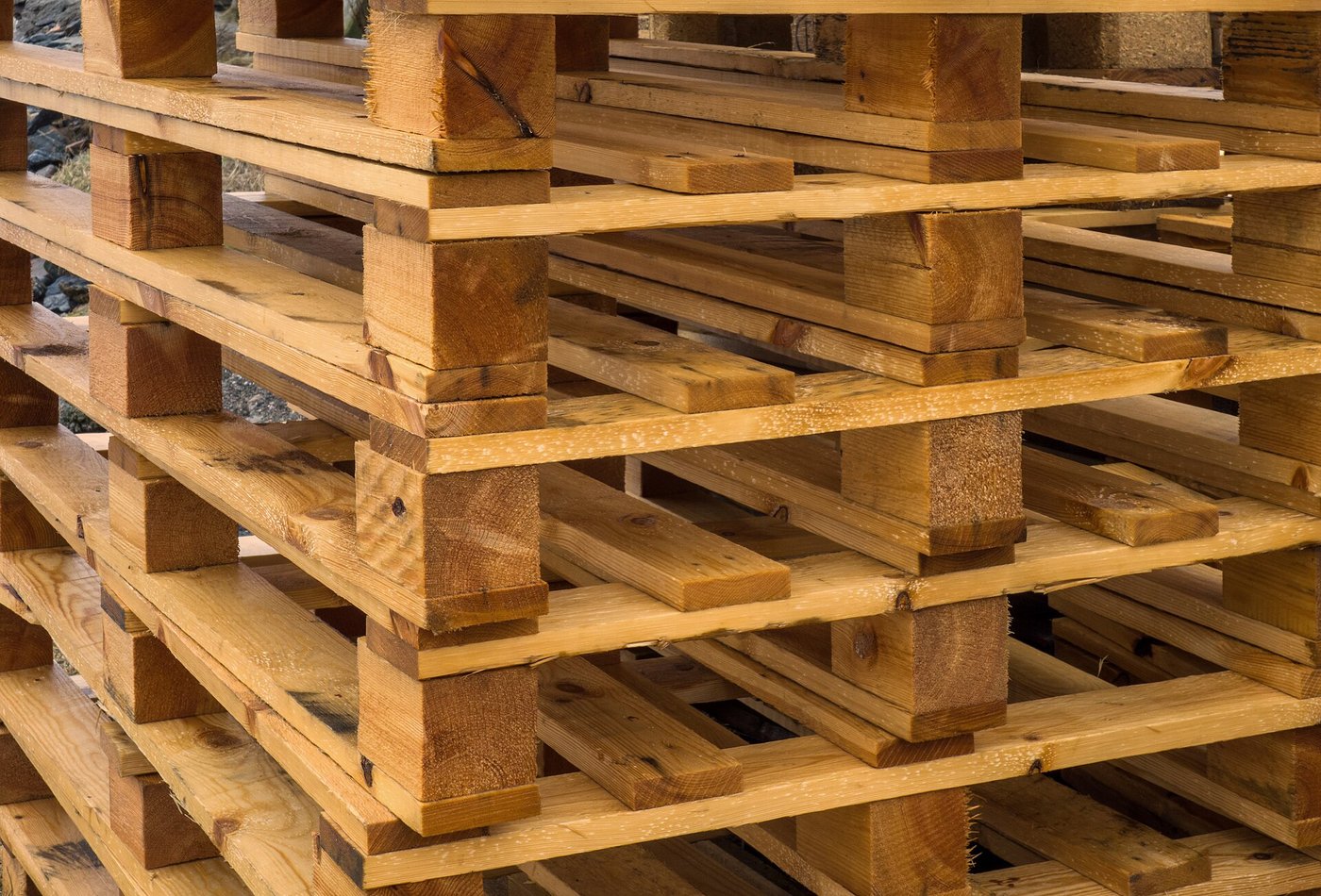
| Pallet and crating manufacturers | Low-grade hardwood and, increasingly, softwood; cants and short lengths | Cost per board foot and nothing else; appearance is irrelevant |
| Railways and utilities | Large low-grade hardwood for ties; treated softwood and cedar for poles | Size, strength, and ability to hold preservative and spikes |
| Furniture and cabinet manufacturers | Kiln-dried hardwood, No. 1 Common and better; panels; veneer | Clear cutting yield against their own cutting list, and colour consistency |
| Flooring manufacturers | Red and white oak, hard maple, hickory, ash; increasing engineered flooring | Hardness, wear resistance, colour and grade yield |
| Millwork and joinery | Stable, clear, paintable species - pine, poplar, MDF for paint grade | Stability and machining quality above strength |
| Cooperage | High-grade white oak, quartersawn, tight grained | Liquid tightness and flavour chemistry; competes with flooring for the best logs |
| Musical instrument makers | Sitka spruce, maple, mahogany, ebony, rosewood | Acoustic properties and figure; tiny volumes at extraordinary prices |
| Pulp and paper mills | Pulpwood roundwood and mill chips, by weight | Fibre properties and delivered cost per ton; species matters but grade does not |
| Panel plants (OSB, particleboard, MDF) | Small roundwood, thinnings, chips, sawdust, shavings | Delivered cost and consistency; they can use what a sawmill rejects |
| Pellet plants | Dry residuals and, increasingly, purpose-grown roundwood | Moisture content and delivered cost per ton |
| Export buyers | Logs, lumber and veneer, by species and grade | Species availability at home, currency, freight and tariff |
Current commercial practice · Buyer categories compiled editorially from trade practice and from the end-use literature cited throughout this course
This is an editorial mapping, in the same spirit as the company exposure tables elsewhere on this site: it describes who buys what, and it is not a ranking, an endorsement or a view on any company.
The three rules that explain the map
- Every log produces every grade. A single hardwood sawlog yields a little veneer-quality material, some FAS, a lot of Common, and cants and edgings. So a single log supplies a furniture plant, a flooring plant and a pallet plant simultaneously. The buyers are not competing for different trees; they are competing for different parts of the same tree.
- The volume buyer and the value buyer are different people. Pallets consume far more hardwood board footage than fine furniture does, and pay a fraction of the price. Both are necessary: without the pallet market the log does not pay to saw, and without the furniture market the good material has no premium outlet.
- Freight decides more than anyone admits. Low-value, bulky products - pulpwood, chips, pallets, mulch - can only travel a short distance. High-value products - veneer, instrument stock, fine hardwood - travel the world. The same species has a local market for its low grades and a global market for its high ones.
Named buyers, and what the categories look like in practice
In North America the retail and distribution end is concentrated in a small number of very large buyers - the big-box chains, and the large pro dealers and component manufacturers that supply builders - while the manufacturing end is fragmented across a great many mills, pallet shops, flooring plants and cabinet makers. The concentration is asymmetric: a handful of retail and distribution buyers face thousands of producers, which shapes who sets terms.
Two export markets deserve specific mention because they changed the industry. Hardwood log and lumber exports to China and Southeast Asia became a major outlet for North American hardwood, particularly red and white oak, and furniture manufacture largely relocated to those regions - so the wood is exported, made into furniture and imported back. And Japanese demand for specific Douglas-fir and hemlock grades for post-and-beam construction has long supported a premium market for log sizes and qualities that North American framing does not value.
- Buyers compete for different parts of the same log, not for different trees.
- The volume buyer and the value buyer are different industries, and the log needs both.
- Freight splits every species into a local market for low grades and a global market for high ones.
- Pro dealer
- A distributor supplying builders, carrying inventory and price risk between mill and site.
- House package
- A complete framing and materials package assembled by a dealer for one building.
- Value density
- Value per unit weight or volume, which decides how far a product can travel.
- The smelting chokepoint, for the same argument in copperanother lesson
- Export controlson this site
Check yourself
1. Furniture makers and pallet manufacturers are best described as:
Every log yields a range of grades at once. Both outlets have to exist for the log to be worth sawing.
2. Why can veneer-quality walnut travel worldwide while pulpwood cannot travel far?
It is a value-density argument. The same logic separates local and global markets for every species.
3. Treated wood plants specify southern yellow pine because of its:
Permeable sapwood is what allows preservative to penetrate the piece, which other structural softwoods resist.
4. Restrictions on raw log exports are usually justified on the grounds that exporting logs:
It is the same argument made about exporting mineral concentrate instead of refined metal: capture the processing stage domestically.