Warum es für Werkstoffe bedeutsam ist
A single MRI machine needs a superconducting magnet cooled by helium, and the contrast agent injected into the patient is a rare earth. Neither has an obvious alternative.
Woraus es besteht
Alle Materialien →| Material | Was es hier tut | Bedeutung |
|---|---|---|
| Gadolinium kritisch | MRI contrast agent | Definition |
| Helium | Cooling superconducting MRI magnets | Definition |
| Niobium kritisch | Superconducting MRI wire | Definition |
| Titanium kritisch | Implants and instruments | Definition |
| Barite kritisch | X-ray contrast | Wichtig |
| Cobalt kritisch | Radiotherapy sources and implant alloys | Wichtig |
| Lutetium kritisch | PET scanner crystals and cancer therapy | Wichtig |
| Platinum kritisch | Chemotherapy drugs and electrodes | Wichtig |
| Holmium kritisch | Surgical lasers | Gegenwart |
| Silver kritisch | Antimicrobial dressings | Gegenwart |
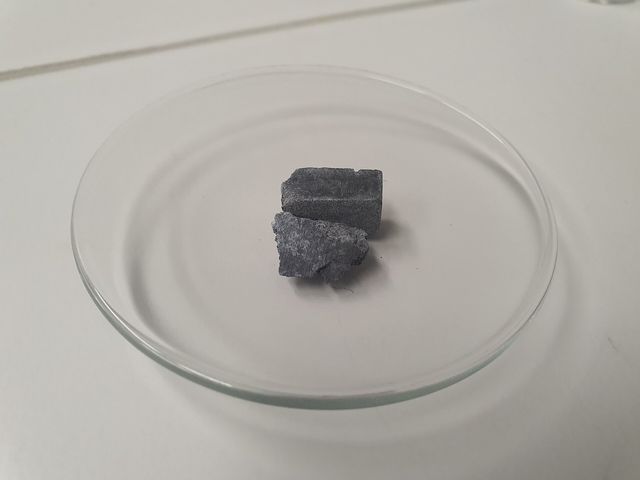
Gadolinium
A rare earth that absorbs neutrons better than almost anything, and that makes MRI scans easier to read.
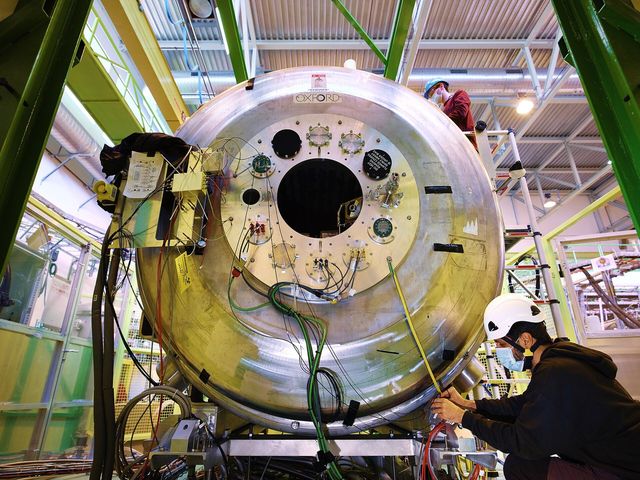
Helium
The only element cold enough to keep an MRI magnet superconducting, and the only one light enough to escape Earth's…

Niobium
A metal that makes steel much stronger when added in tiny amounts — a few hundred grams per tonne changes the whole…
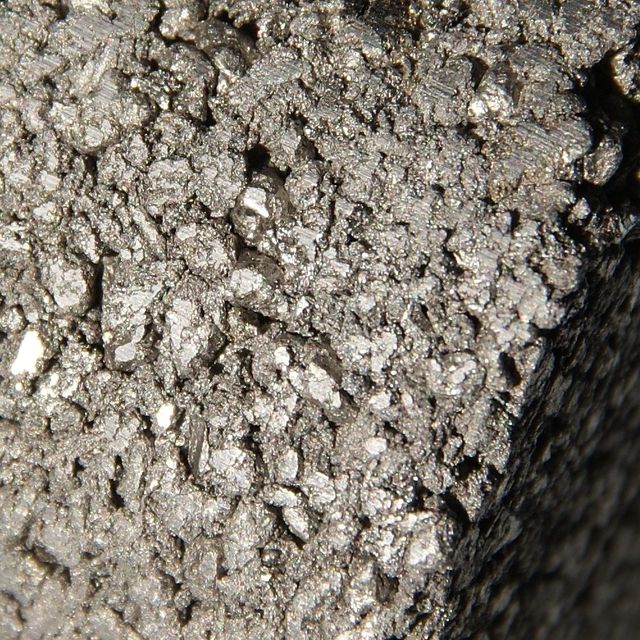
Titanium
A metal as strong as steel at about half the weight, which does not corrode in seawater or in the human body.
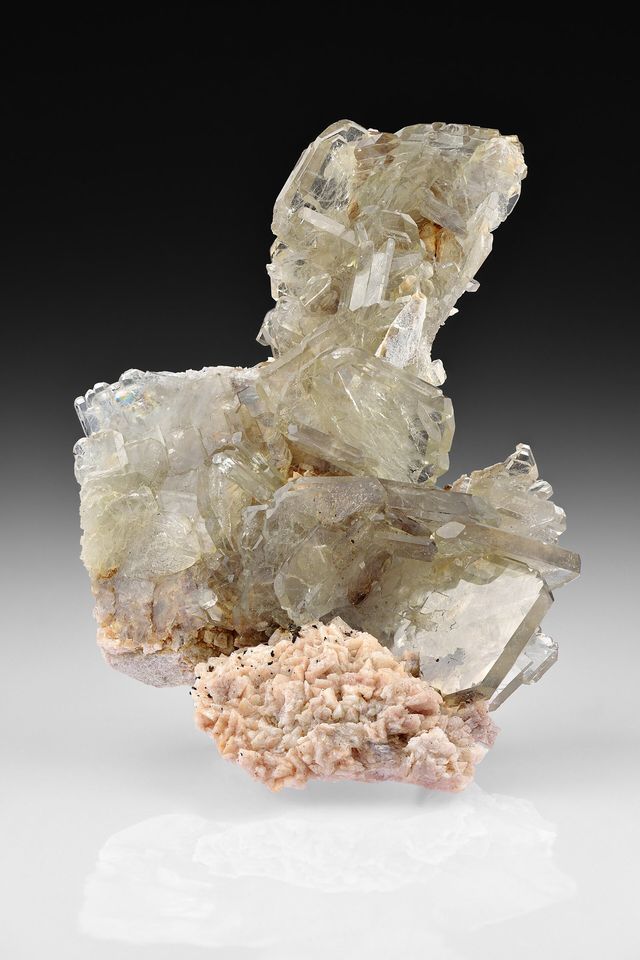
Barite
A very heavy, soft mineral used mostly to weigh down drilling mud so an oil well does not blow out.
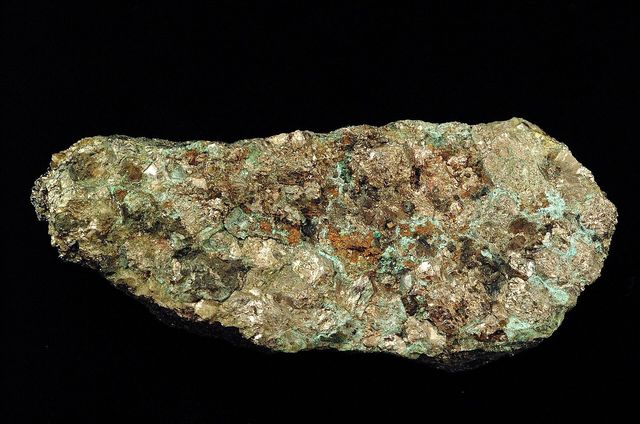
Cobalt
A hard, bluish metal that keeps a battery's cathode stable so it does not overheat, and that holds its strength when…