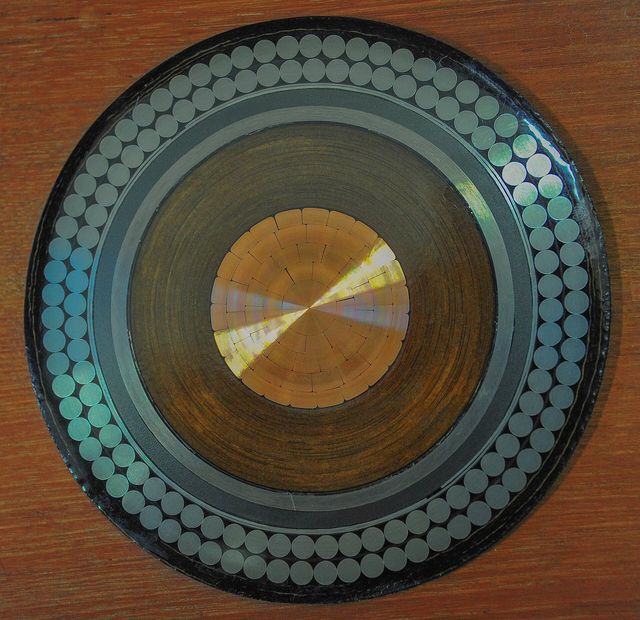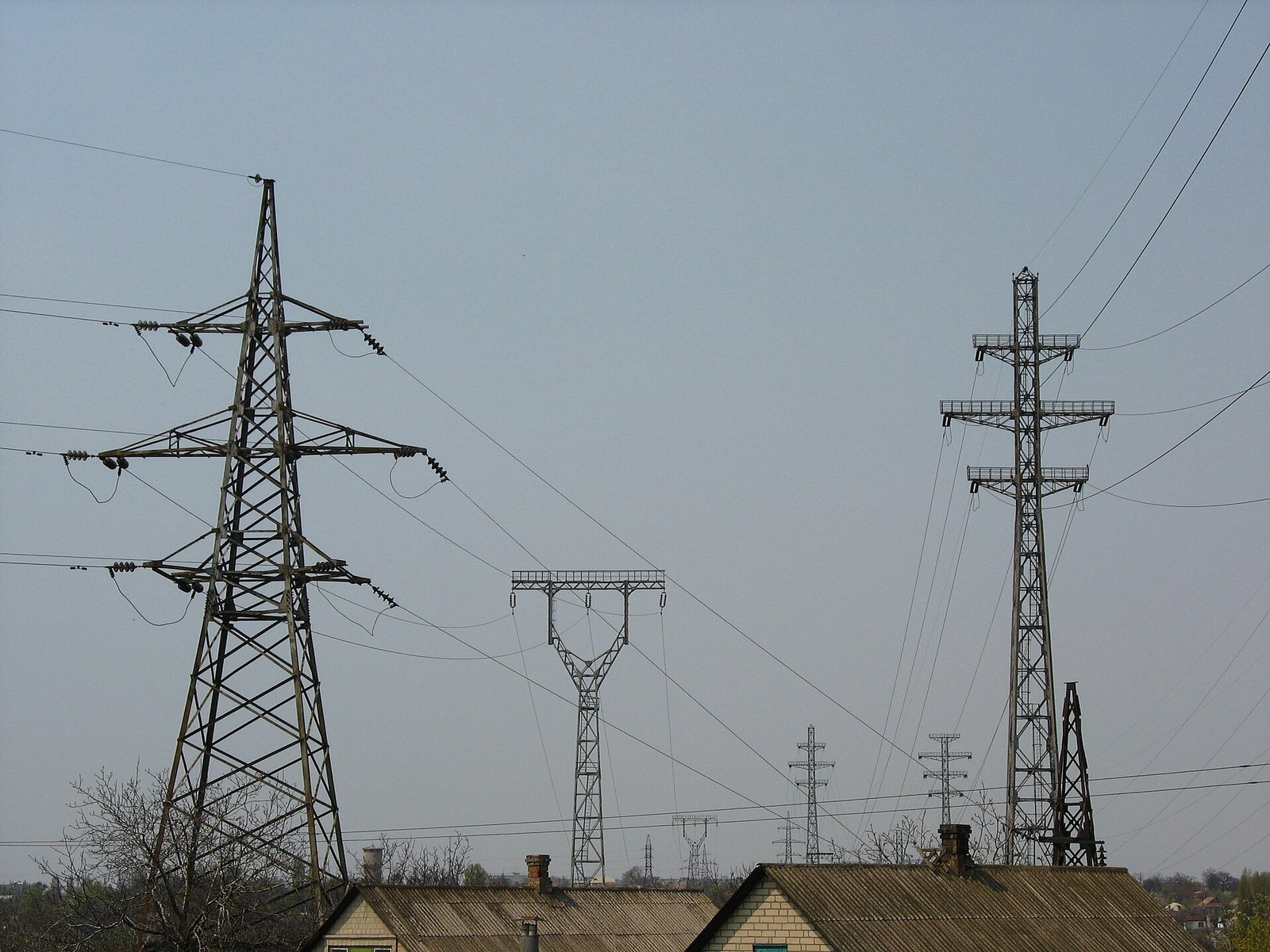
Tại sao nó quan trọng đối với vật liệu
Electrification is a grid problem before it is anything else. Every new wind farm, solar field, factory and data centre needs conductors, transformers and switchgear — and transformers need grain-oriented electrical steel, which is itself a constrained product.
Thành phần cấu tạo
Tất cả vật liệu →| Vật liệu | Chức năng của nó tại đây | Tầm quan trọng |
|---|---|---|
| Aluminium thiết yếu | Overhead lines and some cable cores | Định nghĩa |
| Copper thiết yếu | Cables, windings and busbars | Định nghĩa |
| Iron & Steel | Towers, transformer cores and enclosures | Định nghĩa |
| Lithium thiết yếu | Battery storage on the network | Quan trọng |
| Silicon thiết yếu | Grid-scale power electronics and HVDC valves | Quan trọng |
| Zinc thiết yếu | Galvanising every steel structure outdoors | Quan trọng |
| Silver thiết yếu | Contacts and switchgear | Hiện tại |
| Vanadium thiết yếu | Flow batteries for long-duration storage | Hiện tại |
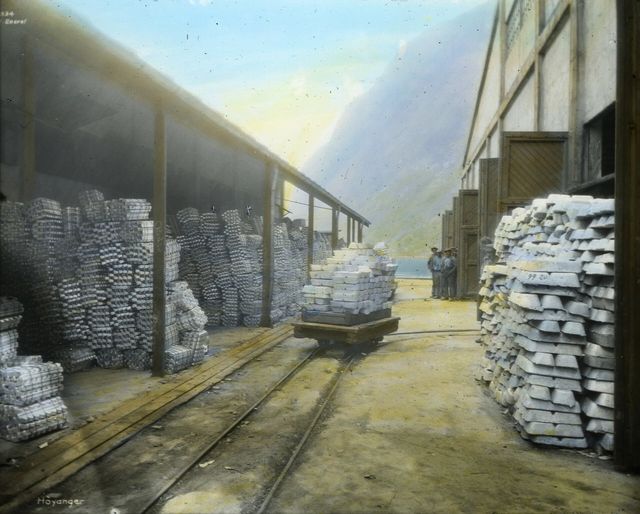
Aluminium
A light silvery metal made by passing an enormous electric current through dissolved bauxite — which is why people…
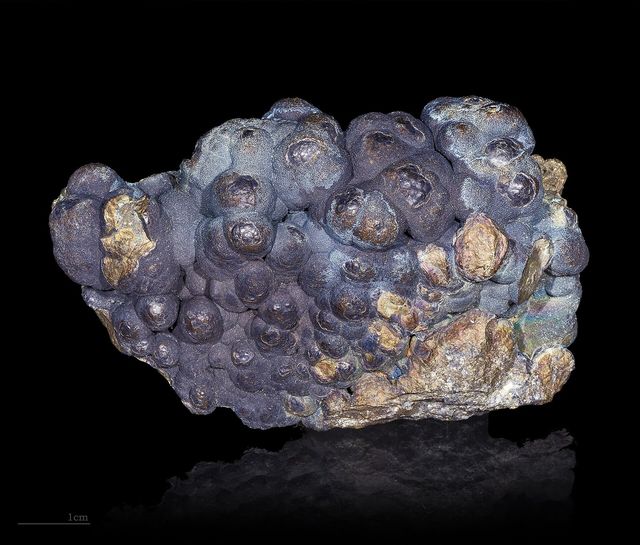
Copper
The reddish metal that carries electricity better than anything except silver, and which humans have been smelting…
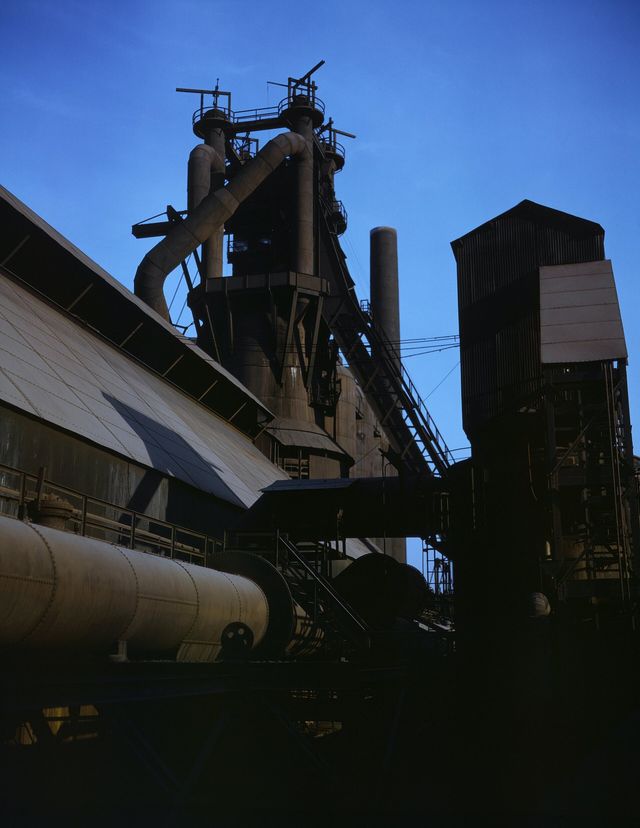
Iron & Steel
Iron with a little carbon in it, and the most-produced manufactured material on the planet.
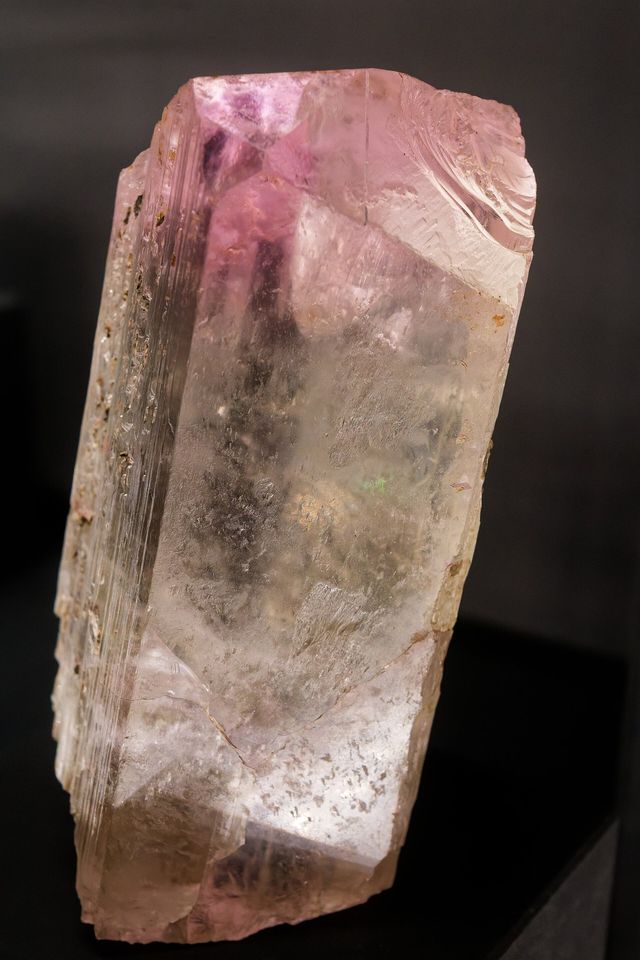
Lithium
A soft, silvery metal so light it floats on water, and the element that lets a rechargeable battery store a lot of…
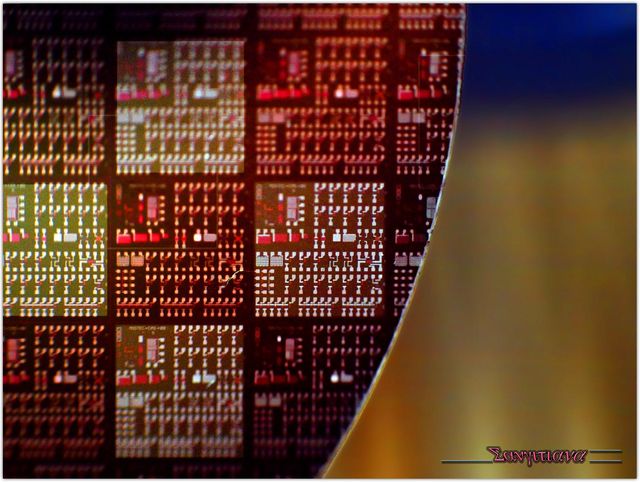
Silicon
The second-most-common element in the Earth's crust — ordinary sand — purified until only one atom in a billion is…
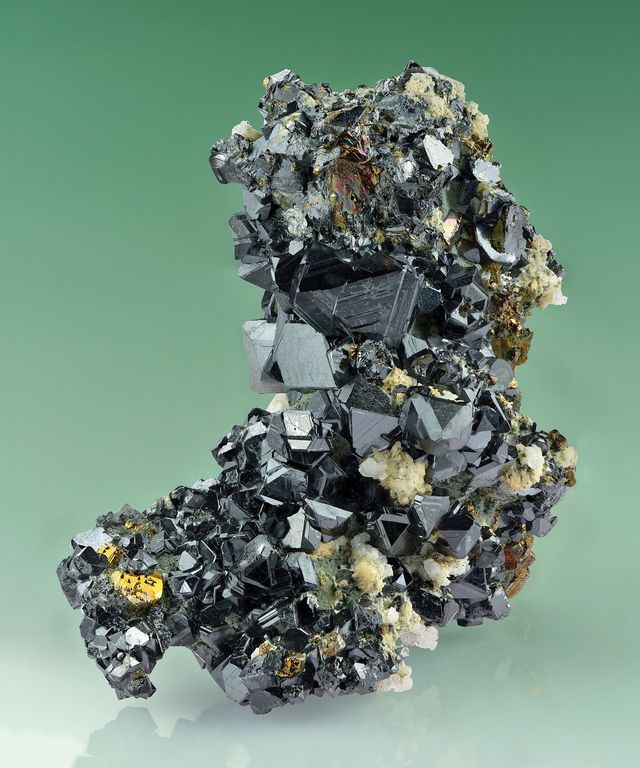
Zinc
The metal that steel is dipped in so it does not rust — a sacrificial coating that corrodes instead of the iron…