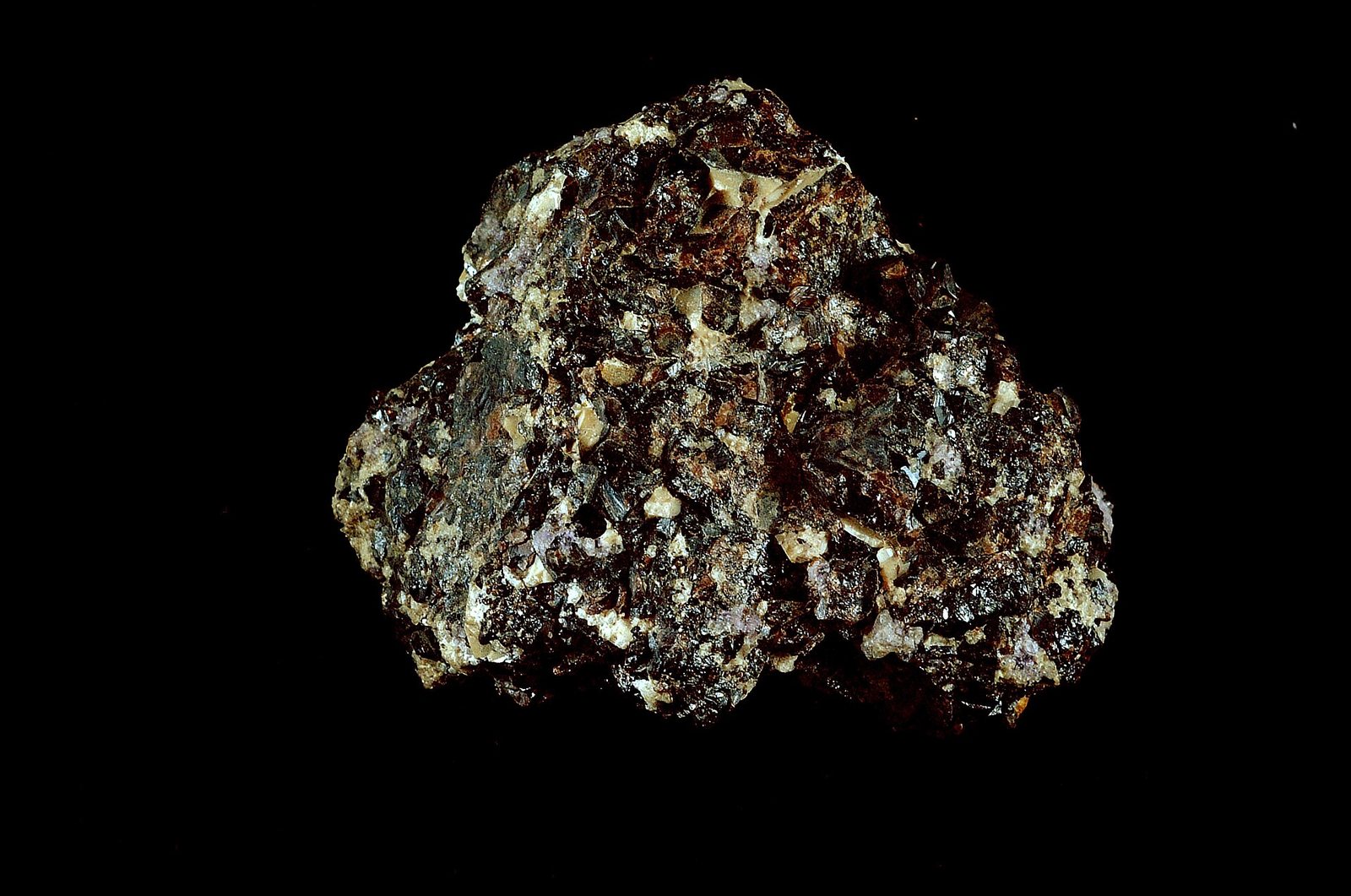
What is it?
A soft metal with a low melting point, which is why nearly every electrical joint in every device is held together with it.
Why does it matter?
Solder is about half of tin demand. It has been called the most electronics-exposed of all the base metals.
Deeper written sections for this material have not been published yet. Everything below is drawn straight from the source datasets and is complete.
Where it comes from in the rock
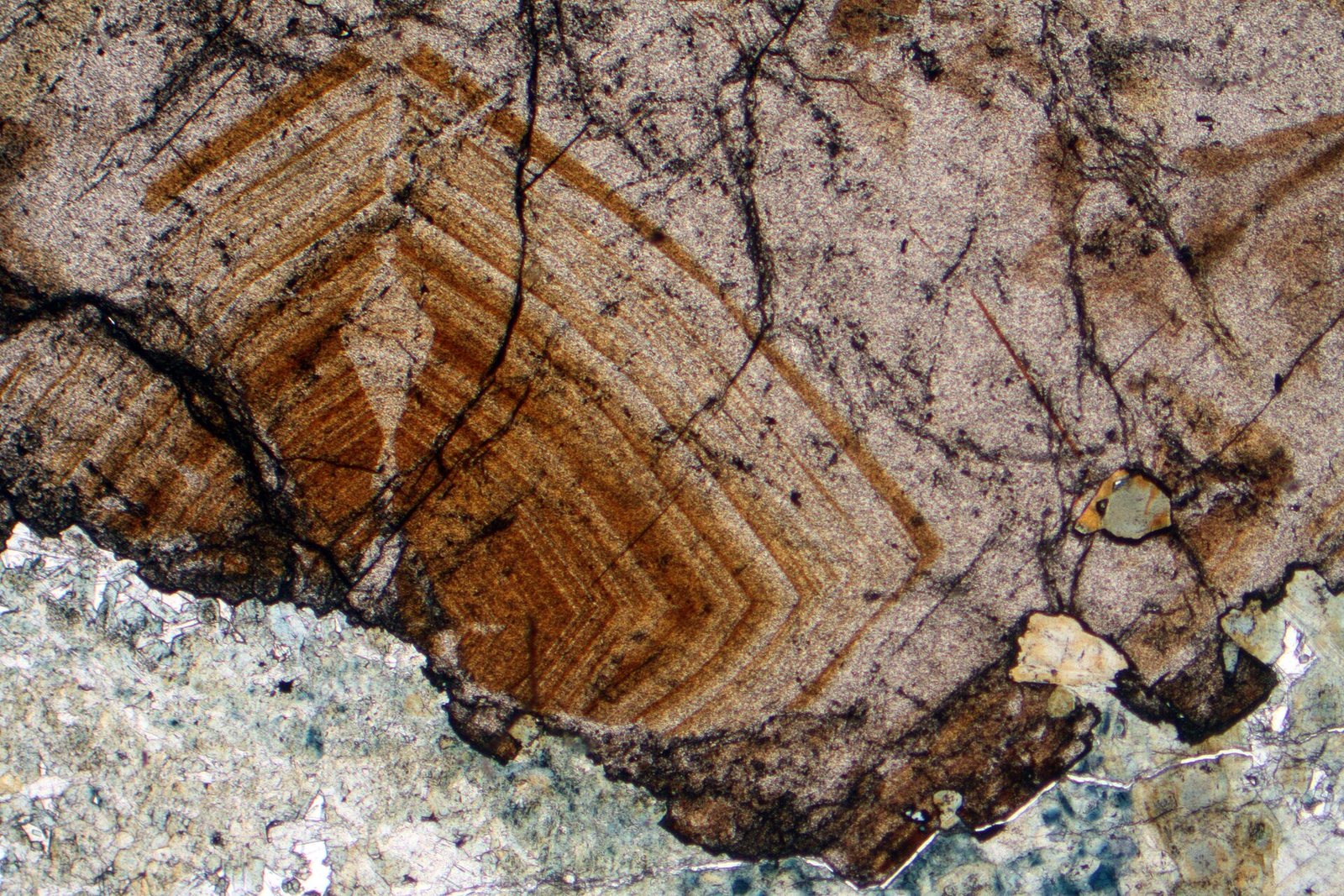
All ore minerals →These are the minerals that actually carry tin. A deposit is only an orebody if one of them is concentrated enough to pay for digging it up.
Who produces it
See it on a map →Mine production
Mine productionmetric tons 2025 (estimated) World total 290,000 metric tons
USGS Mineral Commodity Summaries 2026 · Mine production of contained tin. · source ↗
Scroll the table sideways for the remaining columns.
| Country | Production | Share of world |
|---|---|---|
| China | 71,000 | 24.5% |
| Indonesia | 61,000 | 21.0% |
| Peru | 33,000 | 11.4% |
| Brazil | 28,000 | 9.7% |
| Congo (Kinshasa) | 27,000 | 9.3% |
| Bolivia | 15,000 | 5.2% |
| Burma | 12,000 | 4.1% |
| Australia | 12,000 | 4.1% |
| Vietnam | 11,000 | 3.8% |
| Malaysia | 5,000 | 1.7% |
| Rwanda | 4,600 | 1.6% |
| Russia | 4,500 | 1.6% |
| Nigeria | 3,500 | 1.2% |
| Laos | 1,800 | 0.6% |
| Other countries | 1,700 | 0.6% |
| United States | Zero | — |
| World total | 290,000 | 100% |
“Withheld” means the USGS suppressed the figure to avoid disclosing an individual company's data — it does not mean zero. Country rows do not always sum to the world total because the source rounds each figure independently and does not always break out an “other countries” line.
Who holds the reserves
Reserves
Reservesmetric tons 2025
USGS Mineral Commodity Summaries 2026 · source ↗
| Country | Reserves | Share of world |
|---|---|---|
| Indonesia | 1,400,000 | 23.3% |
| China | 1,200,000 | 20.0% |
| Brazil | 700,000 | 11.7% |
| Burma | 700,000 | 11.7% |
| Australia | 570,000 | 9.5% |
| Russia | 460,000 | 7.7% |
| Bolivia | 400,000 | 6.7% |
| Other countries | 310,000 | 5.2% |
| Peru | 150,000 | 2.5% |
| Congo (Kinshasa) | 91,000 | 1.5% |
| Vietnam | 23,000 | 0.4% |
| United States | Zero | — |
| Laos | Not applicable | — |
| Malaysia | Not applicable | — |
| Nigeria | Not applicable | — |
| Rwanda | Not applicable | — |
| World total | >6,000,000 | 100% |
The source publishes this world total as a bound rather than a point figure, so the shares in the last column are themselves bounds.
Price
Tin, global price
Annual averageUS$ per tonne
Basis: IMF global price of tin — 99.85% pure, LME spot. Annual averages as published in FRED (IMF primary commodity prices) · source ↗. These are reference annual averages, not a live market quote.
average, cents per pound: New York dealer
Annual averagecents per pound
Basis: average, cents per pound: New York dealer. Annual averages as published in USGS Mineral Commodity Summaries 2026 · source ↗. These are reference annual averages, not a live market quote.
average, cents per pound: London Metal Exchange (LME), cash
Annual averagecents per pound
Basis: average, cents per pound: London Metal Exchange (LME), cash. Annual averages as published in USGS Mineral Commodity Summaries 2026 · source ↗. These are reference annual averages, not a live market quote.
What it is used for
All end markets →| End market | What it does there | Importance |
|---|---|---|
| Consumer Electronics | Solder | Defining |
| Data Centres & AI | Solder on every board | Important |
| Solar Power | Solder-coated interconnect ribbon | Important |
| Semiconductors | EUV light source and solder | Important |