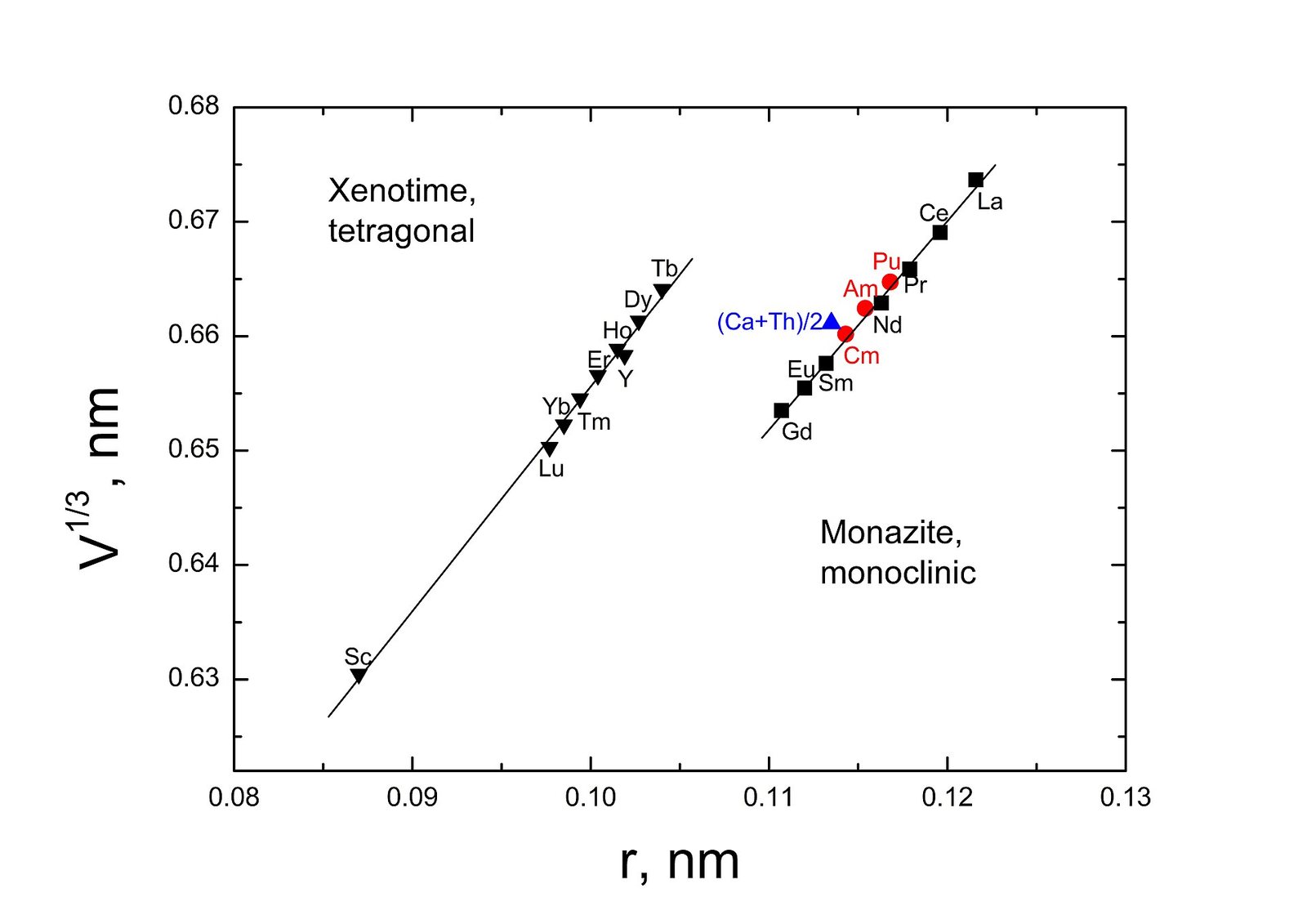
O que é
A yttrium phosphate that also carries the heavy rare earths — dysprosium, terbium, erbium — that magnets need.
Materiais que dele provêm
| Material | Função | Nota sobre o teor |
|---|---|---|
| Dysprosium | Major source | — |
| Erbium | Principal source | — |
| Gadolinium | Source | — |
| Holmium | Principal source | — |
| Lutetium | Principal source | — |
| Rare Earths (all) | Principal heavy-REE mineral | — |
| Terbium | Major source | — |
| Thulium | Principal source | — |
| Ytterbium | Principal source | — |
| Yttrium | Principal source | — |
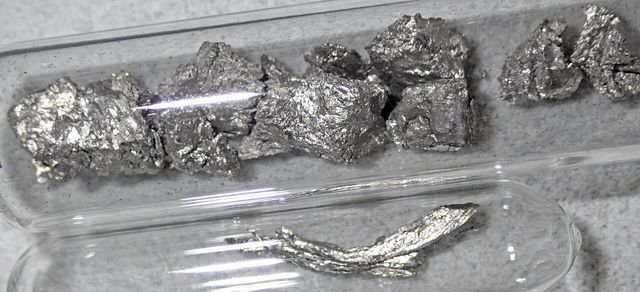
Dysprosium
A heavy rare earth added in small amounts to magnets so they keep working when they get hot.
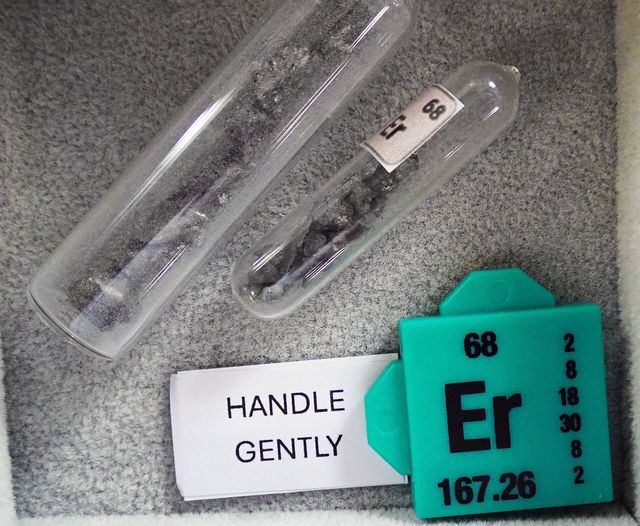
Erbium
The rare earth that amplifies light inside a fibre-optic cable without ever turning it back into electricity.
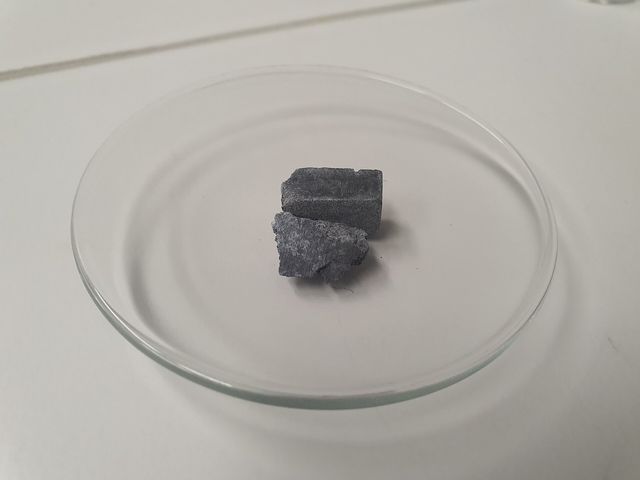
Gadolinium
A rare earth that absorbs neutrons better than almost anything, and that makes MRI scans easier to read.
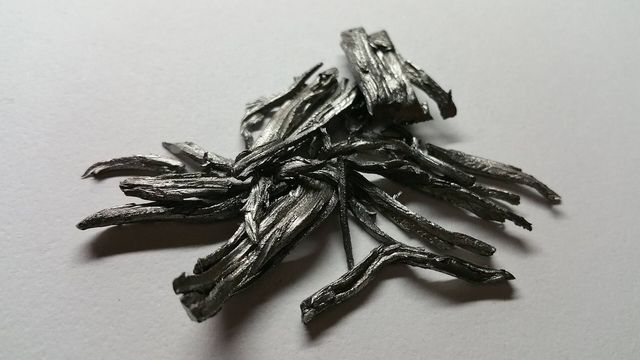
Holmium
The rare earth with the strongest magnetic moment of any element, used in the pole pieces of the most powerful…
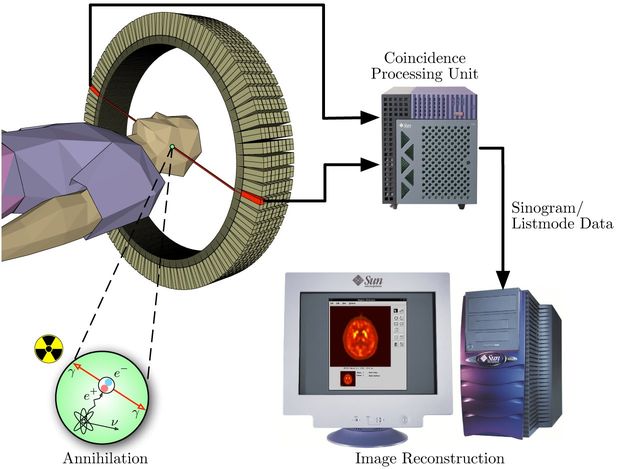
Lutetium
The last and densest rare earth, used in the crystals that detect gamma rays inside a PET scanner.

Rare Earths (all)
A family of seventeen metals that are not actually rare in the ground, but are hard to separate from each other…
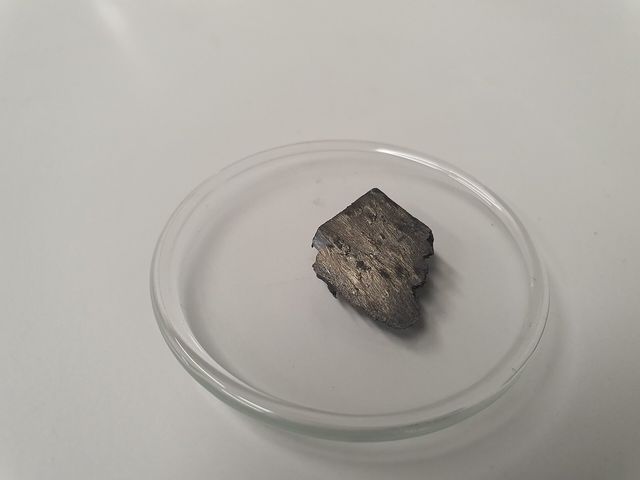
Terbium
The scarcest of the four magnet rare earths, used in tiny quantities to make a magnet survive high temperature.
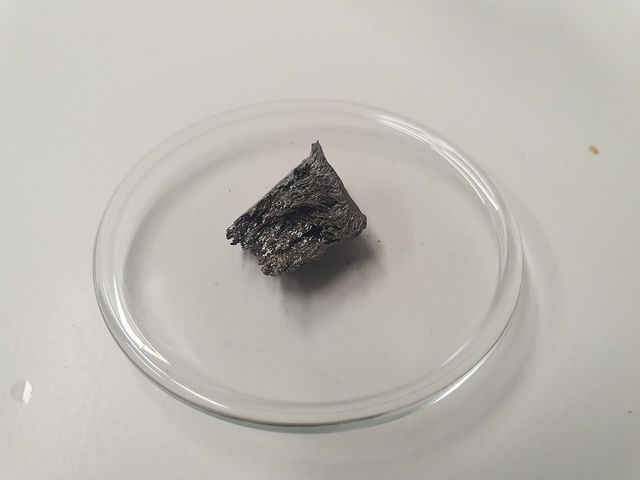
Thulium
The least abundant stable rare earth, used in portable X-ray sources and in surgical lasers.
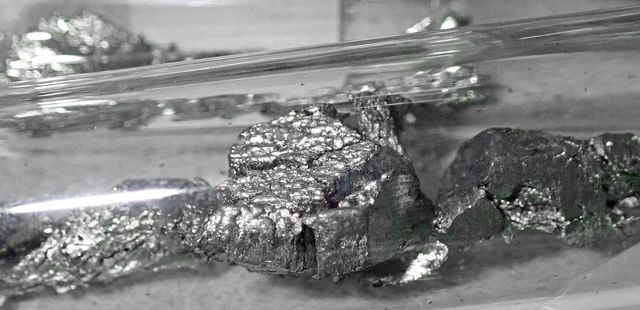
Ytterbium
A rare earth used in the fibre lasers that cut steel in factories, and in some of the most accurate atomic clocks…
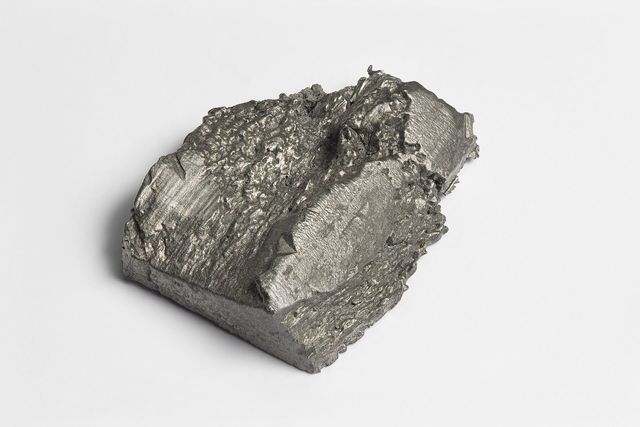
Yttrium
Counted as a rare earth even though it sits elsewhere on the periodic table, because it behaves like one and is found…