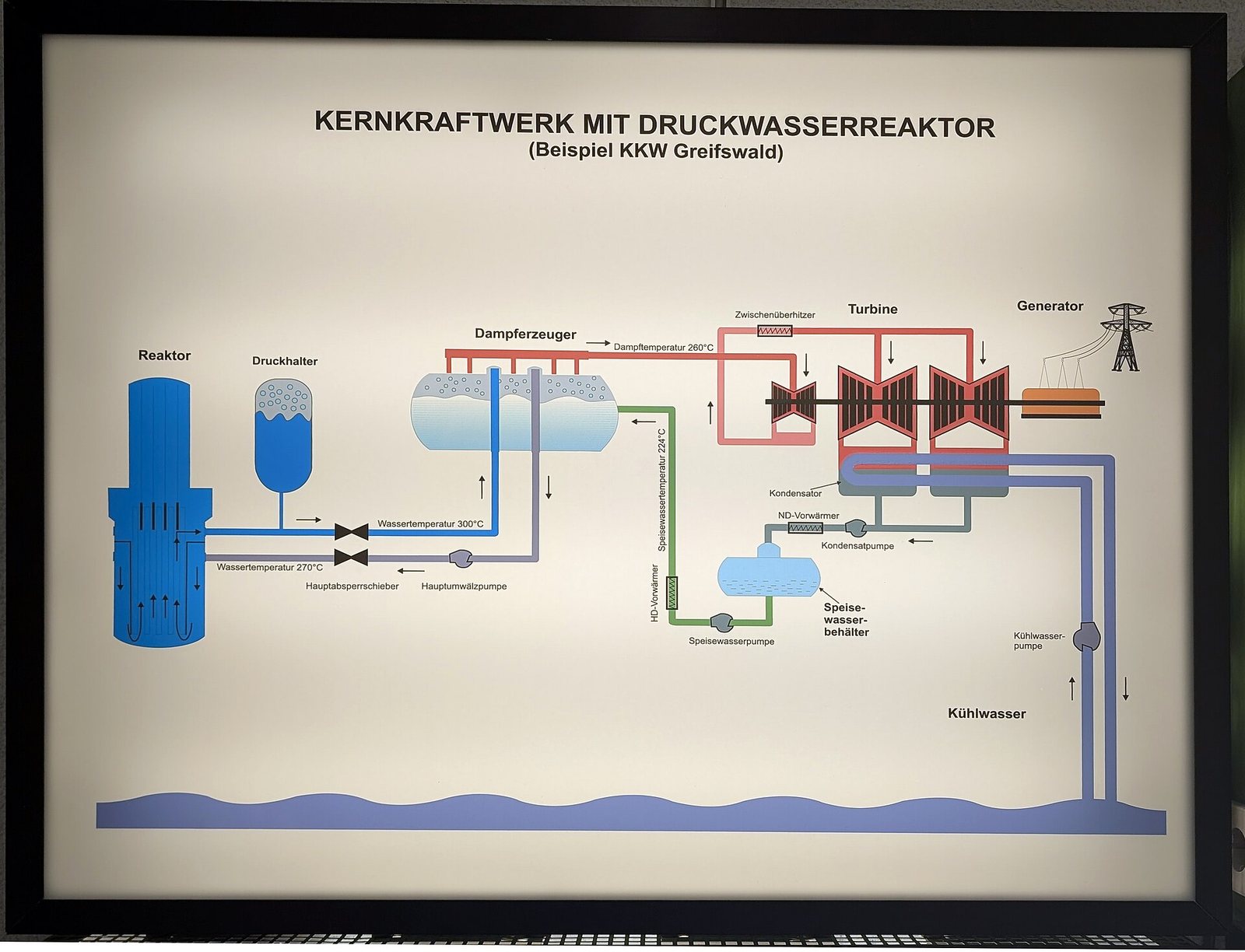
Ce que c'est
A gigawatt reactor's annual fuel load is roughly 25 tonnes of enriched uranium — about the volume of a small van, replacing millions of tonnes of coal.
Le bilan matière
Changer d'échelle →Les quantités sont per GW of capacityfourchette indicative
| Matériau | Faible | Élevé | Unité | Base |
|---|---|---|---|---|
| Copper critique | 1,000 | 2,000 | t | Generator, transformers and plant wiring |
| Nickel critique | 500.0 | 1,500 | t | Steam generators and alloy components |
| Uranium Depends on enrichment level and tails assay; the loaded fuel is far less. | 150.0 | 250.0 | t | Natural uranium needed per year of operation |
| Zirconium critique | 20.00 | 40.00 | t | Cladding tubes and structural grids |
| Boron critique | 5.00 | 20.00 | t | Control rods and coolant chemistry |
| Hafnium critique | 0.5 | 3.00 | t | Control rods |
Indicative range compiled from published technology studies and chemistry; verify against a manufacturer specification before use. Les lignes marquées « trace » contiennent la matière en quantités trop faibles pour être exprimées utilement en masse — la contrainte est alors la pureté ou le nombre de fournisseurs, non le tonnage.
Les alternatives
La substitution est la force la plus sous-estimée dans le domaine des matériaux. Lorsqu'un métal devient coûteux ou politiquement difficile, les ingénieurs le contournent dans leurs conceptions — et la demande pour toute une mine peut s'évaporer.
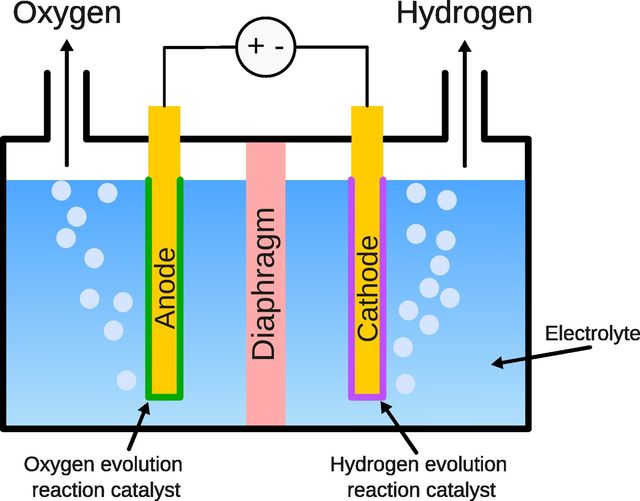
Alkaline Electrolyser
The century-old design: steel, nickel and potassium hydroxide, with no precious metals at all.
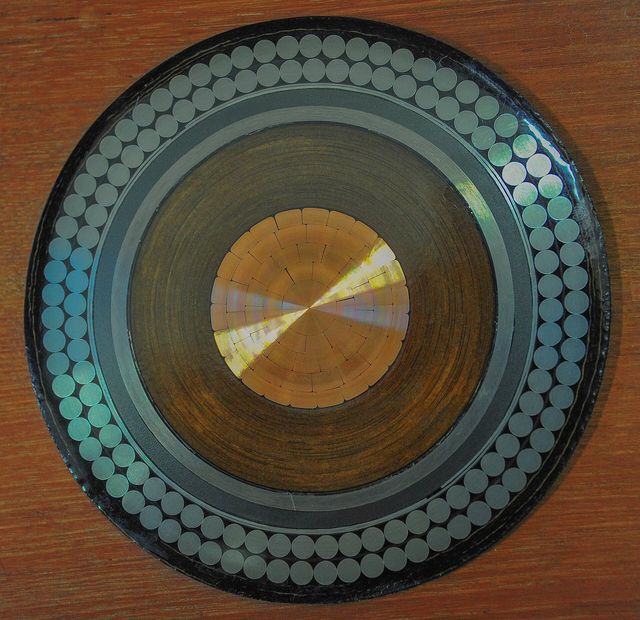
HVDC Transmission Cable
High-voltage direct-current cable, the technology used to move power hundreds of kilometres with low loss.
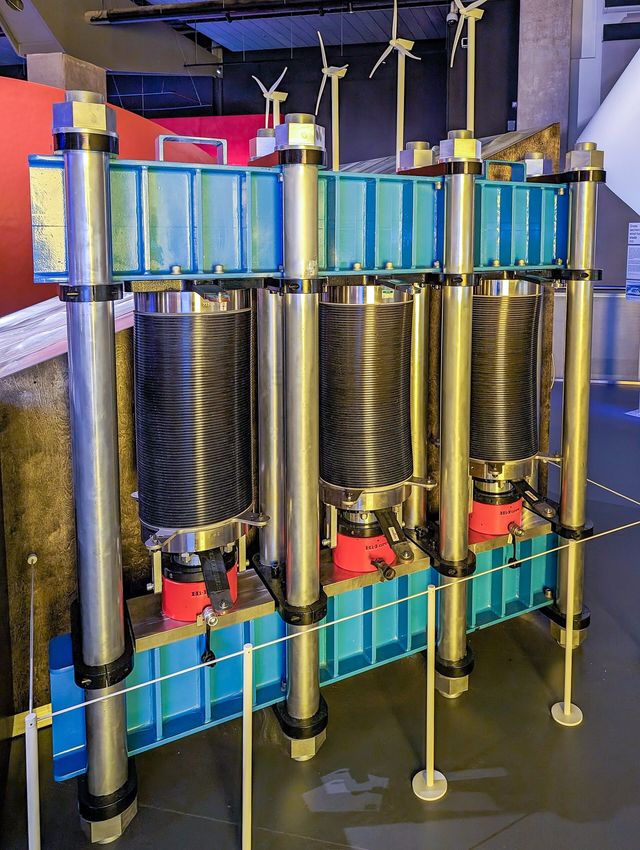
PEM Electrolyser
Splits water using a polymer membrane, platinum and iridium — fast-responding but catalyst-hungry.
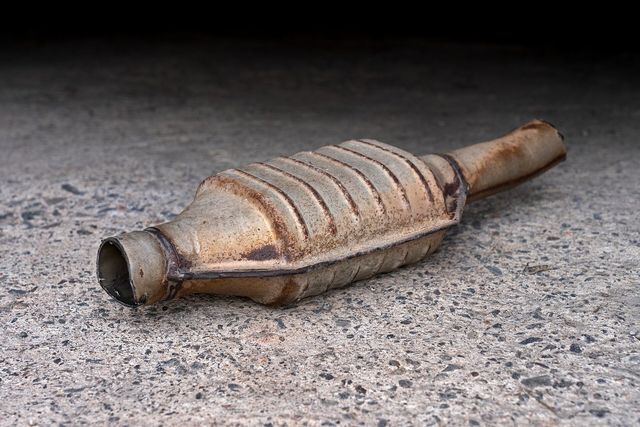
Three-Way Catalytic Converter
The ceramic honeycomb in an exhaust that converts three pollutants at once, coated in platinum-group metals.