Module 1 · The metal and the rock
Why anyone wants copper
Level 1 · Foundation 8 min read 3 questions
Copper is bought for one physical property, and almost everything about the industry follows from the fact that the only better substitute is more expensive.
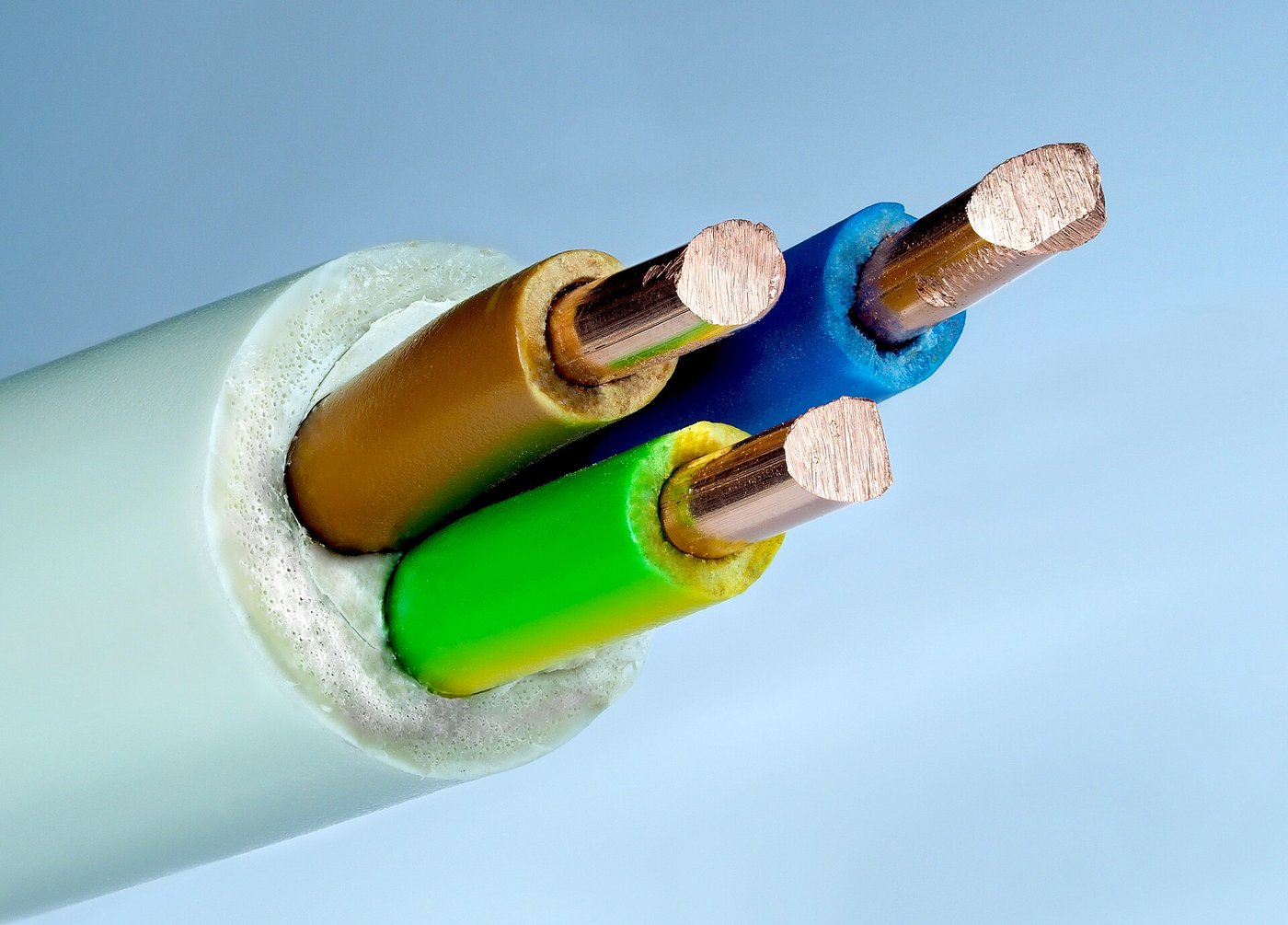
Copper conducts electricity better than any other metal except silver, which is far scarcer and far more expensive. That single comparison has made copper the default conductor in essentially every electrical application for more than a century, and it is why the demand side of this chain is unusually predictable: anything that moves electrons needs copper, and the alternatives are worse, heavier or dearer.
Aluminium is the real competitor. It conducts less well per unit of cross-section but much better per unit of weight, so it wins where weight and volume of metal matter more than compactness - overhead transmission lines especially. It loses where connections, space and durability matter, which is most of what happens inside a building or a machine. The general treatment of this trade-off is at substitution.
What the metal is actually used in
The end markets are unglamorous and enormous: the wiring inside buildings, the windings inside motors, the cables between generators and consumers, the plumbing, the busbars. The site's copper material page puts the structural point plainly: construction has historically been the largest single end use and remains very large, and replacing the wiring in existing buildings is a continuing, replacement-driven demand that is largely independent of economic cycles.
What has changed the shape of demand is the scale of electrification in energy and transport. The material intensity figures in this site's database make the point concretely, and they are worth having in mind for the whole course, because they are why copper appears in nearly every other chain on the site.
| Technology | Copper required |
|---|---|
| Direct-drive offshore wind | 3,000-8,000 kg per MW |
| Photovoltaic solar installation | 2,000-4,000 kg per MW |
| Pressurised water reactor | 1,000-2,000 t per GW |
Indicative material intensity, as published on this site · commodityeducation.com material intensity database
Ranges, not point estimates: intensity varies with design, voltage, cable run length and how much of the grid connection is counted inside the project boundary.
The three-sentence version of the chain
Each of those steps removes material and adds cost, and each is done by a different kind of company in a different place. The rest of the course is that sentence, expanded.
- Copper is bought for conductivity; the only better conductor is far more expensive.
- Aluminium substitutes where weight matters more than compactness, and not elsewhere.
- Material intensity figures are ranges because the system boundary varies - always ask what was counted.
- Cathode
- Refined copper, 99.99% pure, in the plate form that leaves an electrorefinery.
- Material intensity
- How much of a material a unit of some technology requires, quoted with a system boundary.
- Copper - the material pageon this site
- Copper to the gridon this site
- Substitutionon this site
- Material requirement calculatoron this site
Check yourself
1. Aluminium replaces copper most readily in:
Aluminium conducts better per unit of weight and worse per unit of cross-section, so it wins where the line has to hang in the air and loses where space and connections dominate.
2. Why is copper intensity for offshore wind quoted as a wide range rather than a single number?
The system boundary - how much of the grid connection is counted - moves the number more than the turbine design does.
3. In one sentence, copper's chain is:
Copper is one element and the job is removing everything else. Sorting a mixture into fractions is oil's chain, not copper's.