Rock to product, traced
The Materials Atlas
Materials Mines & deposits Processing & refining Custody journeys Supply chains Companies Countries News
Materials by shelf Battery Materials Rare Earth Elements Copper & Electrical Semiconductor Materials Nuclear Materials Aerospace & Defence Precious Metals Steel & Alloy Metals Industrial Minerals Agricultural Minerals Energy Raw Materials Ore minerals Periodic table
Demand End markets Technologies Material calculator Maps Screener
Learn & tools LearnGlossary Ask the DataAI agents Research & dataAPI ★ Saved
About About usMethodology Data sourcesContact Disclaimer
Reading options
🧭 Guided View New to this — ore grades, concentrate, refining, by-products? We explain every term as you browse, in plain English. Same data, with the help built in.
⚡ Expert View You already know the industry. Just the data — clean, fast and compact, with no extra explanations. This is the default view.
Theme
Interface language
Depth Material pages are written at four levels. Pick one on any material page and it is remembered.
★ Saved Research & data
Copper to the Grid

Supply chain

Copper to the Grid

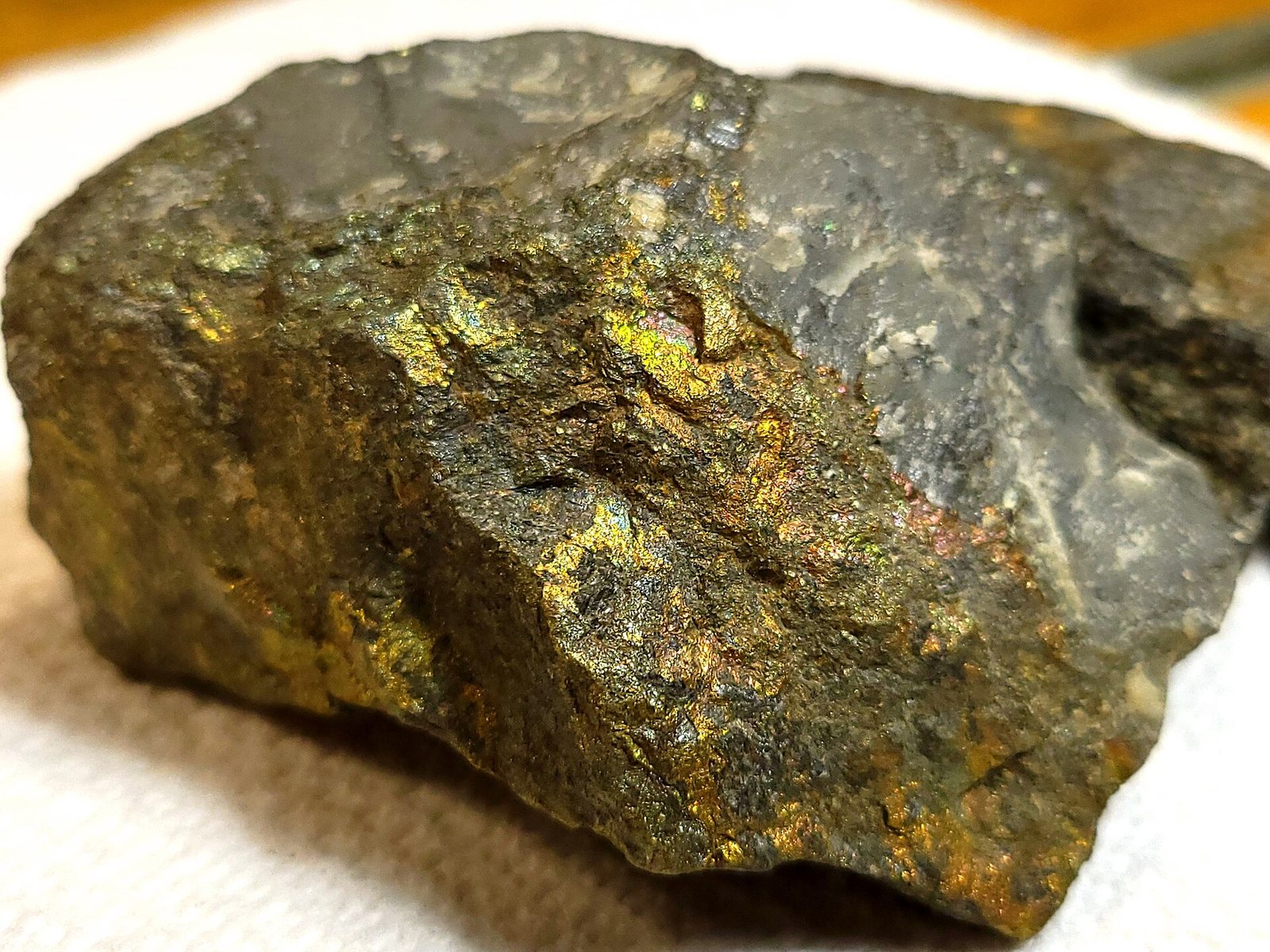
From 0.5% rock to 99.99% cathode to the wire in a wall.

Chalcopyrite Ore Sample · TimBomBom1 · CC BY-SA 4.0 · Wikimedia Commons

The short version

Copper's chain is a purification story. The ore is under one percent metal; the finished product is 99.99%. Between them sit flotation, smelting, converting and electrorefining — and a smelter fleet that sits mostly on a different continent from the mines.

The narrowest link. Smelting and refining capacity, not mining, is where copper's geography concentrates.

Stage by stage

01Deposit

Porphyry copper system

A cooling granite intrusion cracks the rock above it and copper-bearing fluids precipitate sulfides through a huge, low-grade volume.
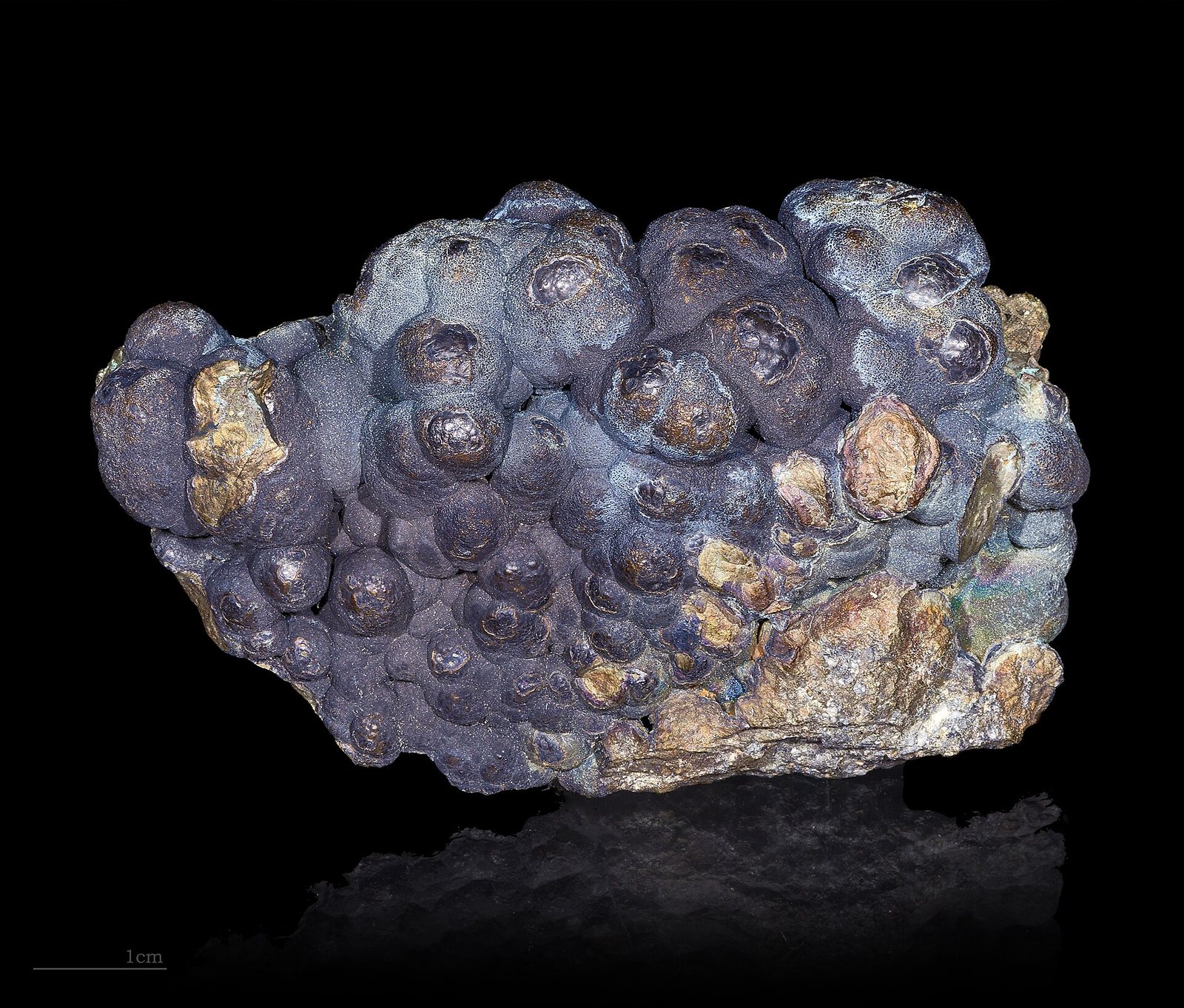
Copper →

Copper
Chalcopyrite botroïdale · CC BY-SA 3.0 via Wikimedia Commons
02Mine

Escondida or Bingham Canyon

Hundreds of thousands of tonnes of rock are moved per day. Sulfide ore is crushed, ground and floated to about 30% copper.

Note: Around 99.7% of the mined rock becomes waste or tailings.
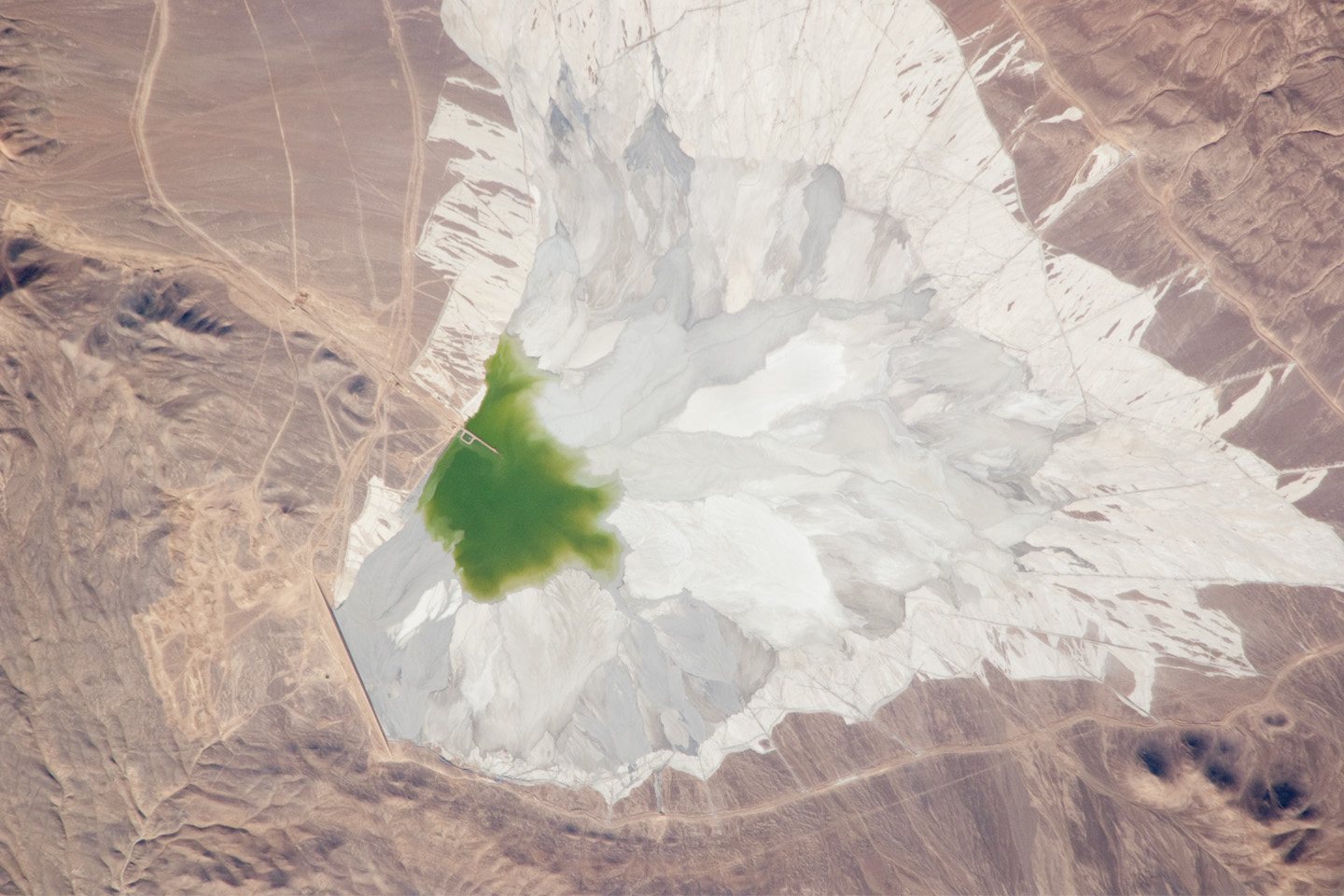
Escondida →

Escondida
Escondida Copper Mine, Atacama Desert, Chile … · Public domain via Wikimedia Commons
03Processing

Smelter

Concentrate is melted with oxygen. Iron and sulfur burn off; the sulfur is captured as sulfuric acid rather than released.

Note: Blister copper is about 98% pure.
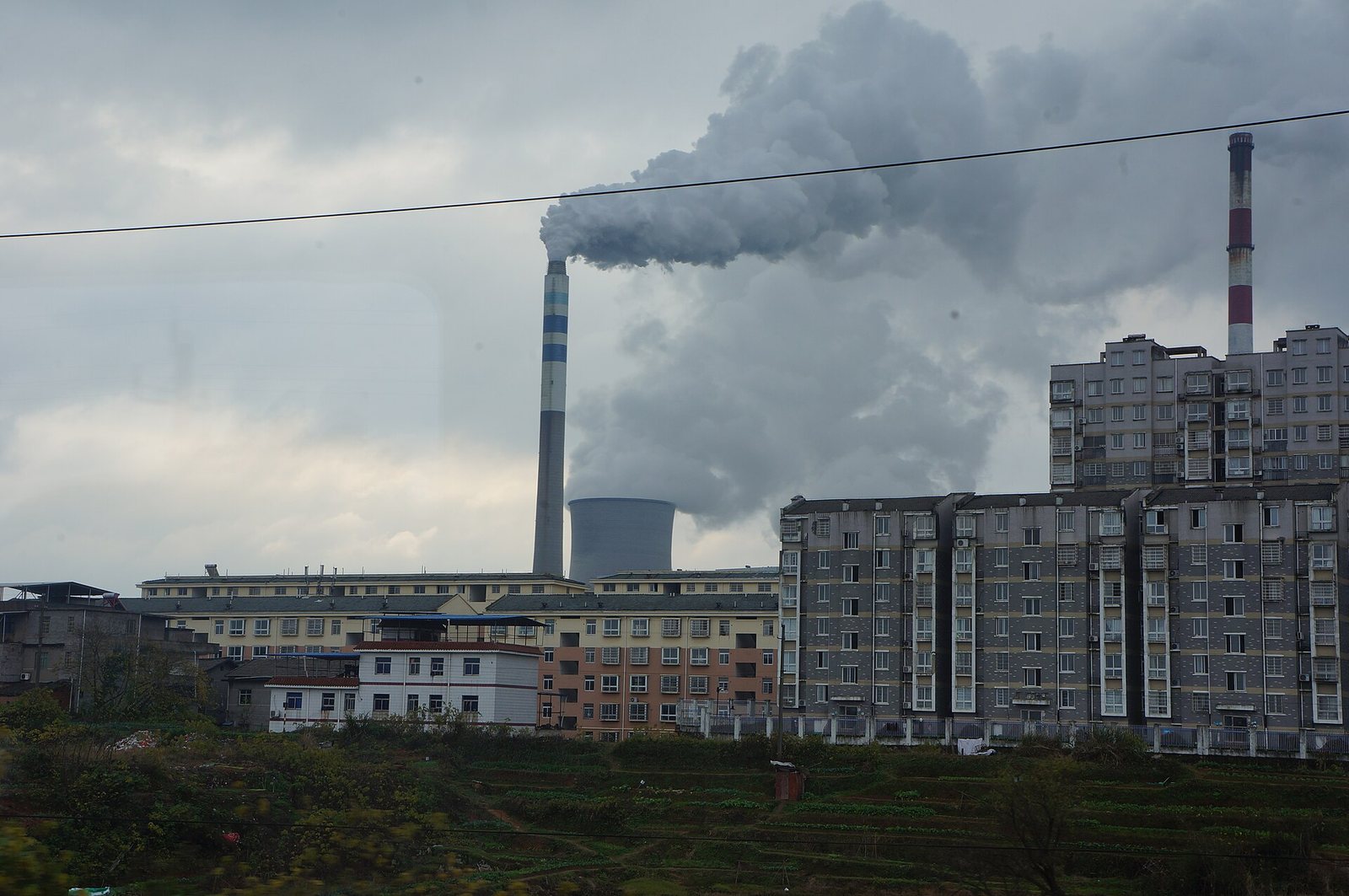
Guixi Smelter →

Guixi Smelter
201612 Guixi Smelter of Jiangxi Copper Corporation · CC BY-SA 4.0 via Wikimedia Commons
04Refining

Electrorefining

Impure anodes dissolve and pure copper plates onto cathodes over about two weeks. Gold, silver, selenium, tellurium and platinum-group metals settle out as anode slime.

Note: This single step is where a large share of world tellurium and selenium supply originates.
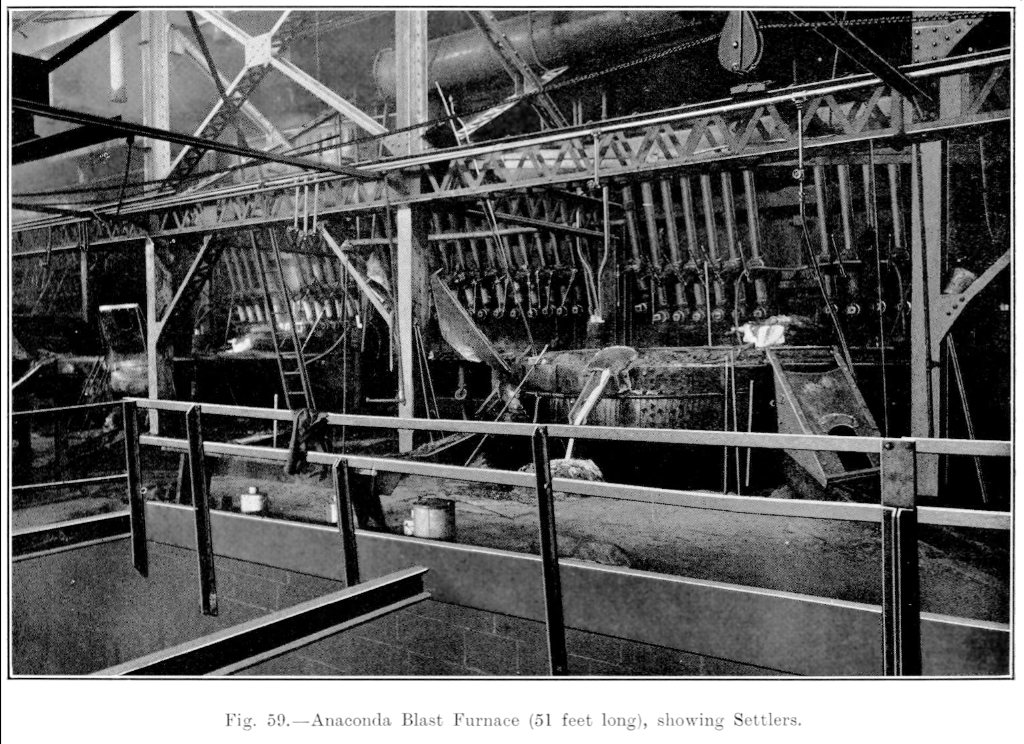
Atlantic Copper Smelter, Huelva →

Atlantic Copper Smelter, Huelva
Casting floor of copper blast furnace.png · Public domain via Wikimedia Commons
05Component

Rod, wire and cable

Cathode is melted and drawn into rod, then wire, then insulated cable.
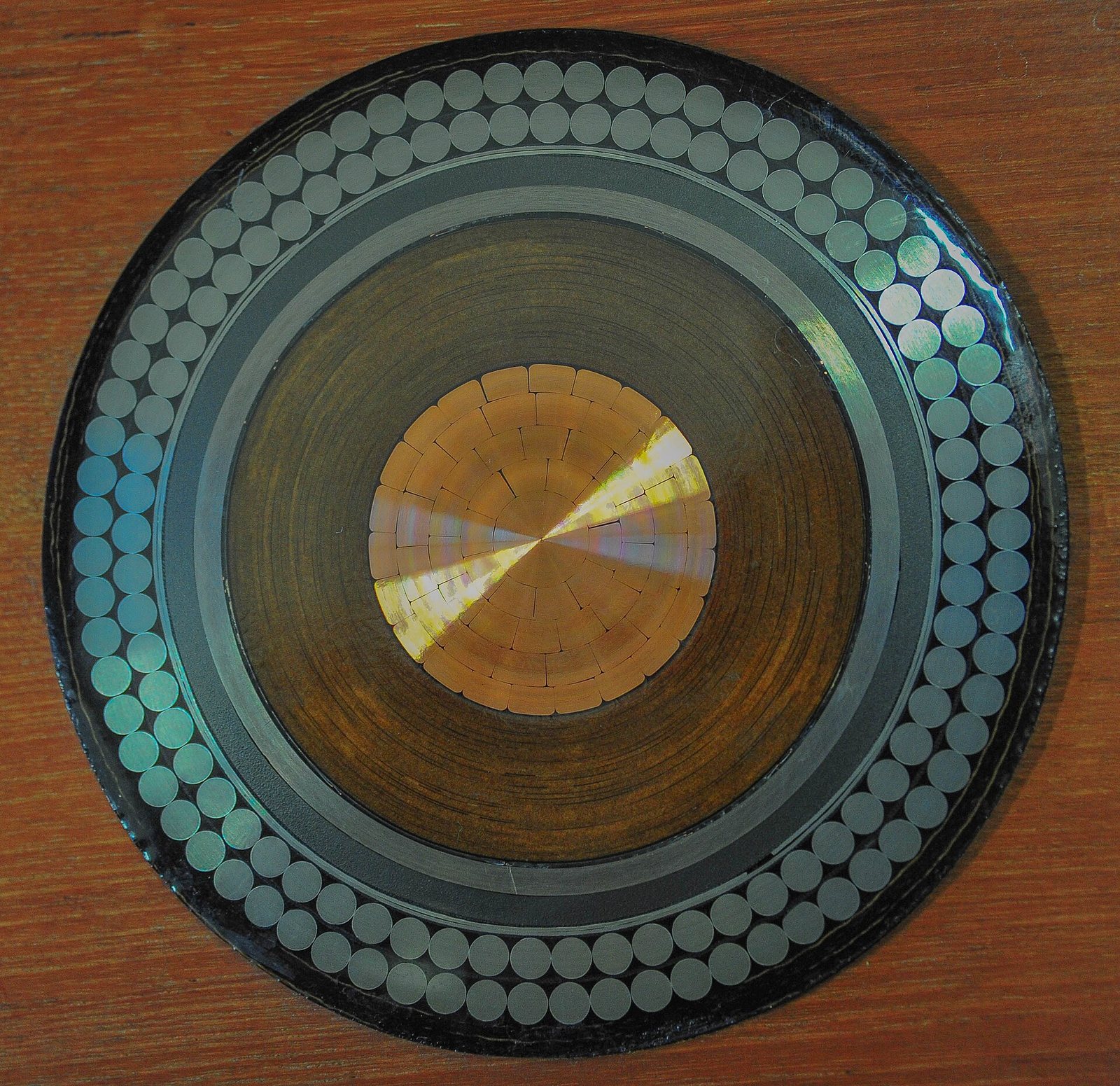
HVDC Transmission Cable →

HVDC Transmission Cable
USS Frank Cable (AS-40) at anchor, with a Stu… · Public domain via Wikimedia Commons
06End market

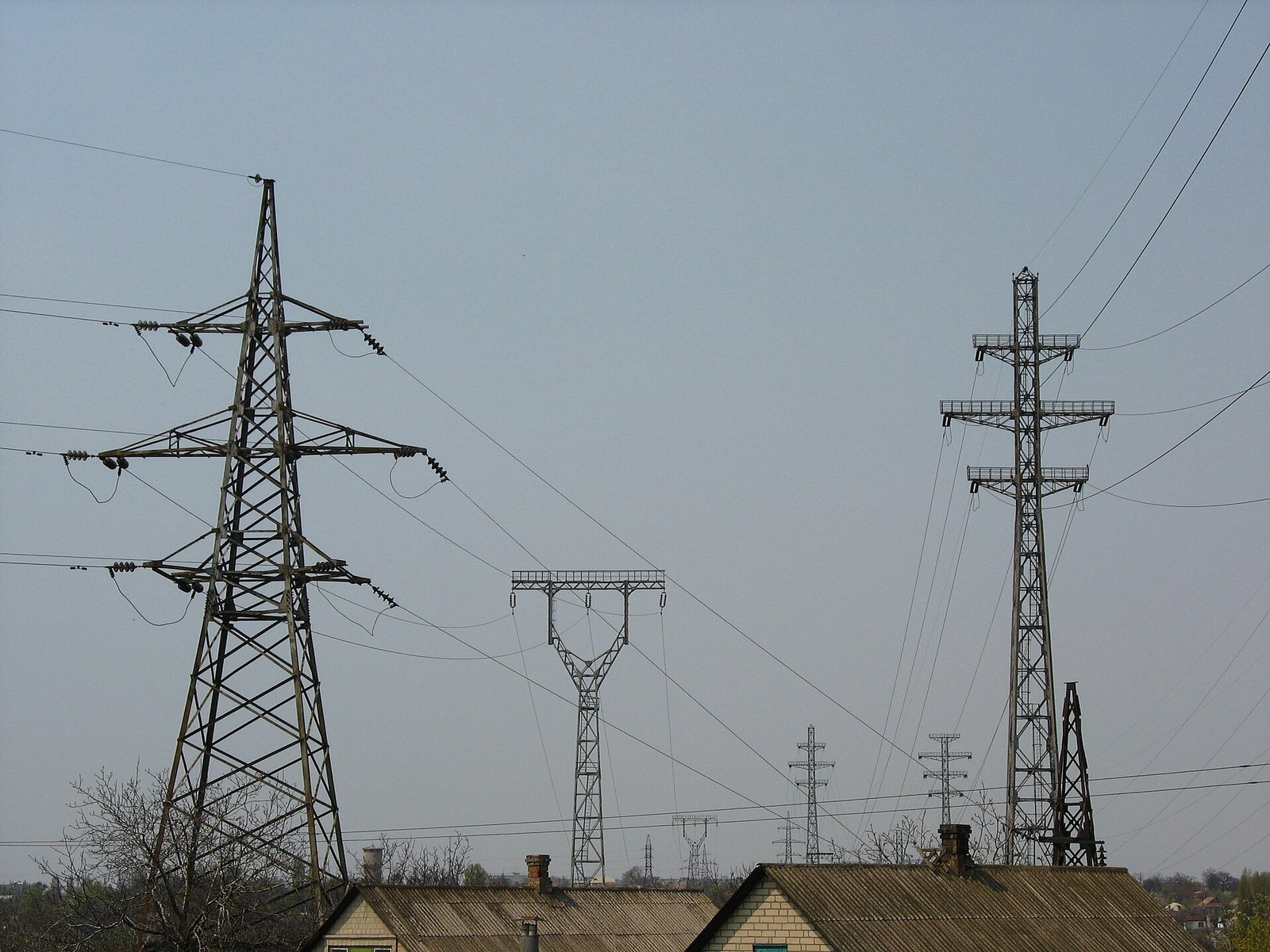
Transmission, buildings, motors

Everything that carries current.

Power Grids →

Power Grids
Transmission tower of a high-voltage overhead… · CC BY 4.0 via Wikimedia Commons

Materials

All materials Critical minerals Rare earths Battery materials Ore minerals Periodic table Screener

The ground

Mines & deposits Processing & refining Countries Maps

The economy

Custody journeys Supply chains End markets Technologies Companies Material calculator

Learn

LearnGlossary Ask the DataAI agents Research & dataOpen API News★ Saved

About us

About usContact MethodologyData sources Editorial policy Privacy policyTerms of use Disclaimer