Rock to product, traced
The Materials Atlas
Materials Mines & deposits Processing & refining Custody journeys Supply chains Companies Countries News
Materials by shelf Battery Materials Rare Earth Elements Copper & Electrical Semiconductor Materials Nuclear Materials Aerospace & Defence Precious Metals Steel & Alloy Metals Industrial Minerals Agricultural Minerals Energy Raw Materials Ore minerals Periodic table
Demand End markets Technologies Material calculator Maps Screener
Learn & tools LearnGlossary Ask the DataAI agents Research & dataAPI ★ Saved
About About usMethodology Data sourcesContact Disclaimer
Reading options
🧭 Guided View New to this — ore grades, concentrate, refining, by-products? We explain every term as you browse, in plain English. Same data, with the help built in.
⚡ Expert View You already know the industry. Just the data — clean, fast and compact, with no extra explanations. This is the default view.
Theme
Interface language
Depth Material pages are written at four levels. Pick one on any material page and it is remembered.
★ Saved Research & data
Escondida

Chile · South America

Escondida

Consistently the largest copper mine in the world by output.

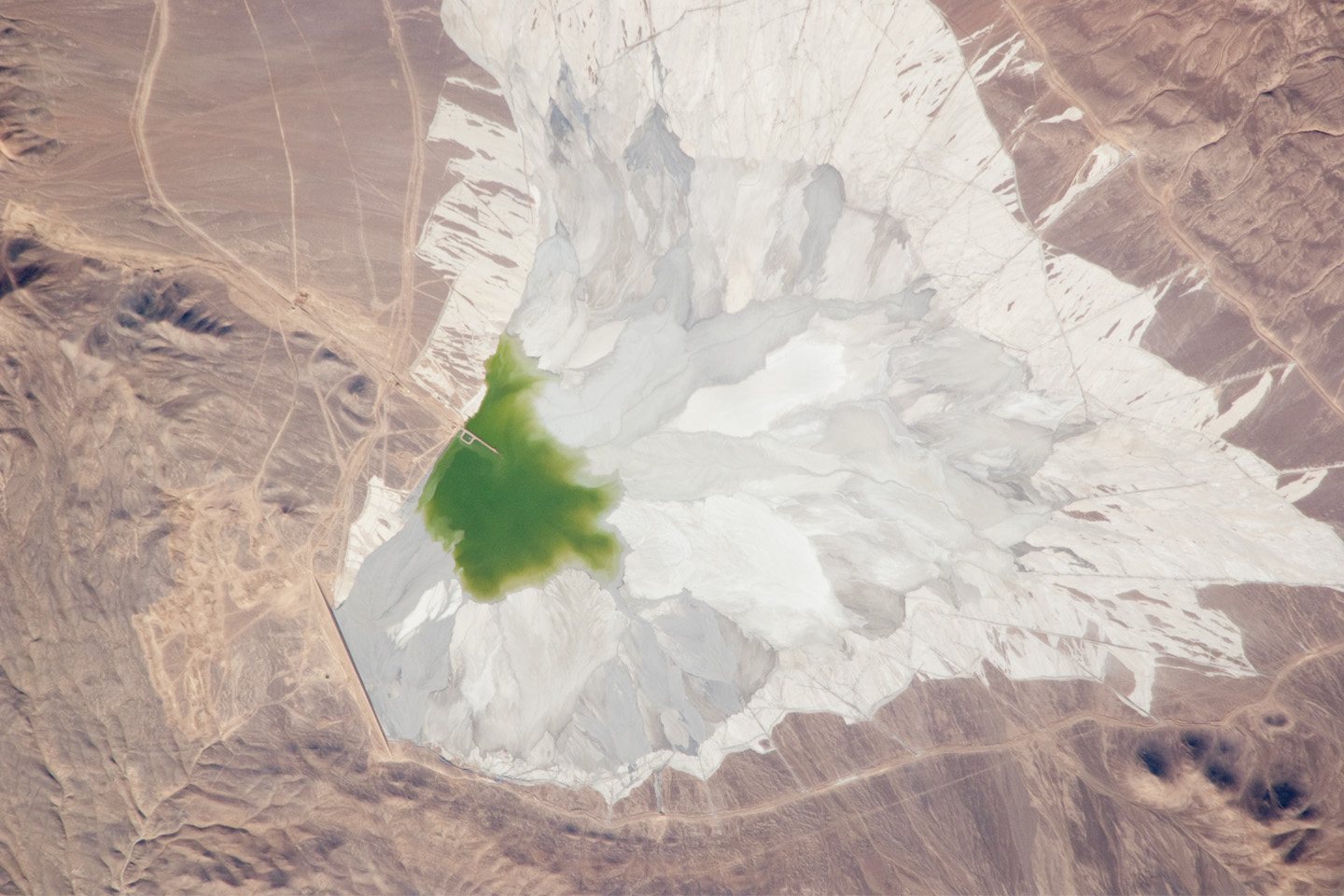
Escondida Copper Mine, Atacama Desert, Chile 2009-12-09 lrg · The image was taken by the the Expedition 22 crew. · Public domain · Wikimedia Commons

What this place is

Escondida sits 3,100 m up in the driest desert on Earth and pumps desalinated seawater 180 km uphill to run its concentrators. It is the single clearest example of what modern copper costs: enormous scale, falling grade, and infrastructure that dwarfs the mine itself.

Grade. Sulfide ore grades have fallen from over 2% Cu in the early years to well under 1%, the classic porphyry decline.
A porphyry copper system, in cross-section
open pit leached and oxide cap supergene enrichment — the richest zone primary sulfide: chalcopyrite in fractures the intrusion that drove it 0 m~300 m ~1 km
A body of magma cools a few kilometres down, cracks the rock above it, and drives metal-bearing fluids up through the fractures. The result is a huge, low-grade volume rather than a rich vein — which is why porphyry mines are enormous open pits. Schematic. Real systems are 1–5 km across and the zones grade into each other rather than sitting in neat bands. Original diagram, The Materials Atlas.
“Grade” is the percentage of the useful stuff in the rock. A copper mine at 0.5% grade throws away 199 tonnes of rock for every tonne of copper it sells. That single number decides whether an orebody is a mine or just an interesting piece of geology.

What comes out

A “by-product” is a metal recovered because it happens to be in the same rock, not because anyone went looking for it. Its supply therefore follows the primary metal’s economics, not its own.

Who owns it

CompanyRoleInterest
BHP Group MinerOperator
Rio Tinto MinerNon-operating stake

As publicly reported by the operators. Ownership of large mines changes; verify against current company filings before relying on it.
Journeys that begin here

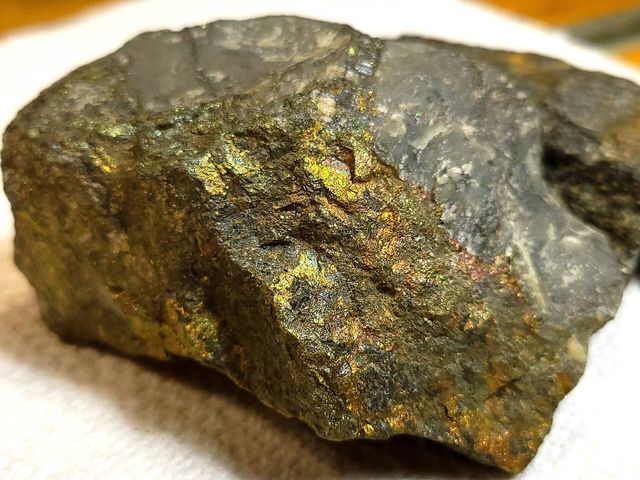
Chilean sulfide concentrate to Chinese cathode to a wire Chile mines the most copper in the world. China refines the most. Those are not the same sentence.

Where this mine sits in a chain

Materials

All materials Critical minerals Rare earths Battery materials Ore minerals Periodic table Screener

The ground

Mines & deposits Processing & refining Countries Maps

The economy

Custody journeys Supply chains End markets Technologies Companies Material calculator

Learn

LearnGlossary Ask the DataAI agents Research & dataOpen API News★ Saved

About us

About usContact MethodologyData sources Editorial policy Privacy policyTerms of use Disclaimer