वास्तव में क्या चल रहा है
Sulfide copper has to be smelted, and more than half the world's smelting capacity is on the other side of the Pacific. So Chilean concentrate — about 30% copper and 70% something else — sails 19,000 km to be turned into metal, and the by-products in it become somebody else's gold, silver and tellurium.
- सामग्री
- Copper
- प्रकार
- Chalcopyrite concentrate from a porphyry, roughly 0.5% Cu ore grade
- यह कहाँ से शुरू होती है
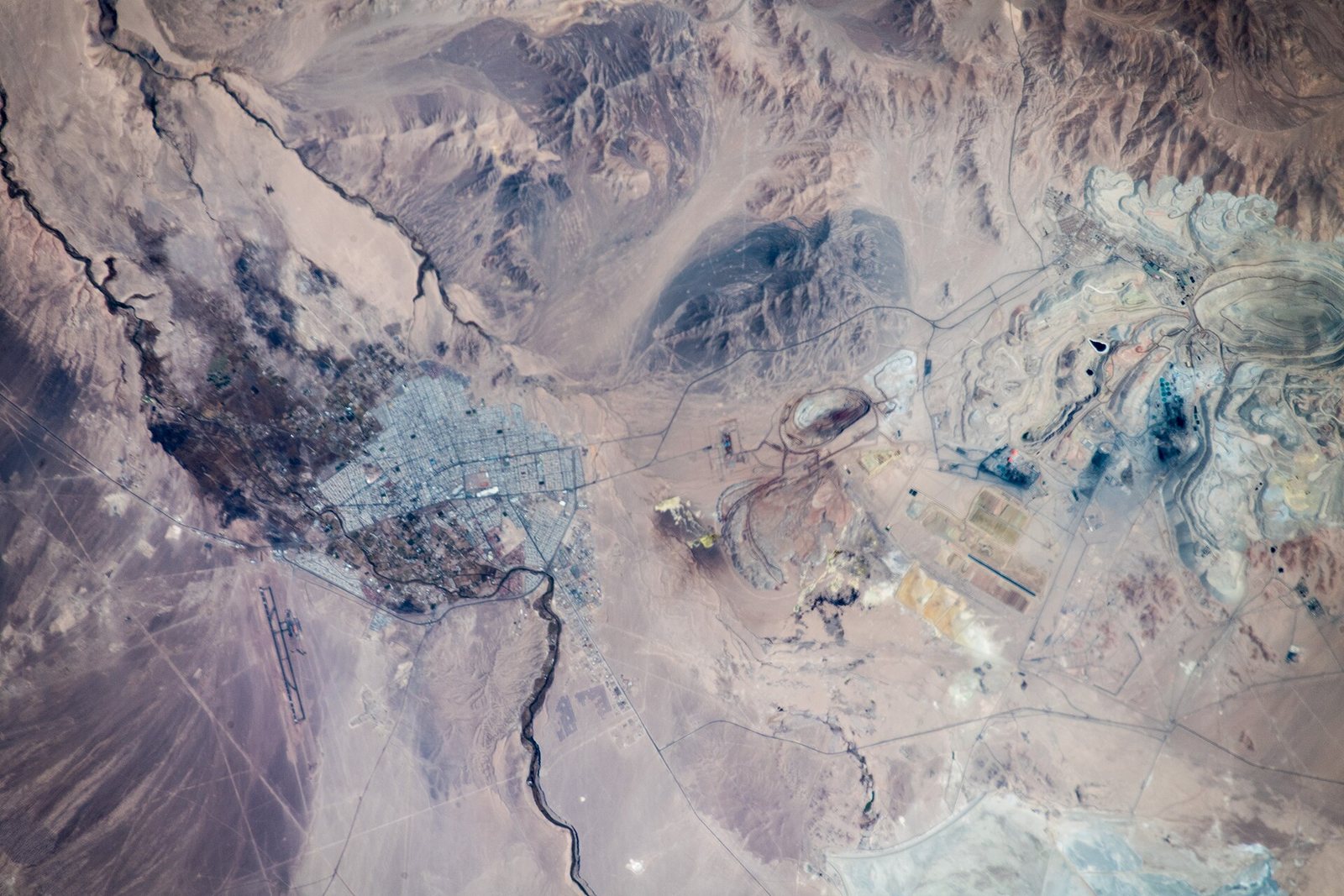
- Chile — Escondida, 3,100 m up in the Atacama
चरण दर चरण, और सीमा दर सीमा
Chile · Escondida, Antofagasta द्वारा धारित BHP as operator, with Rio Tinto and JECO (खनिक)
Moving a mountain for half a percent
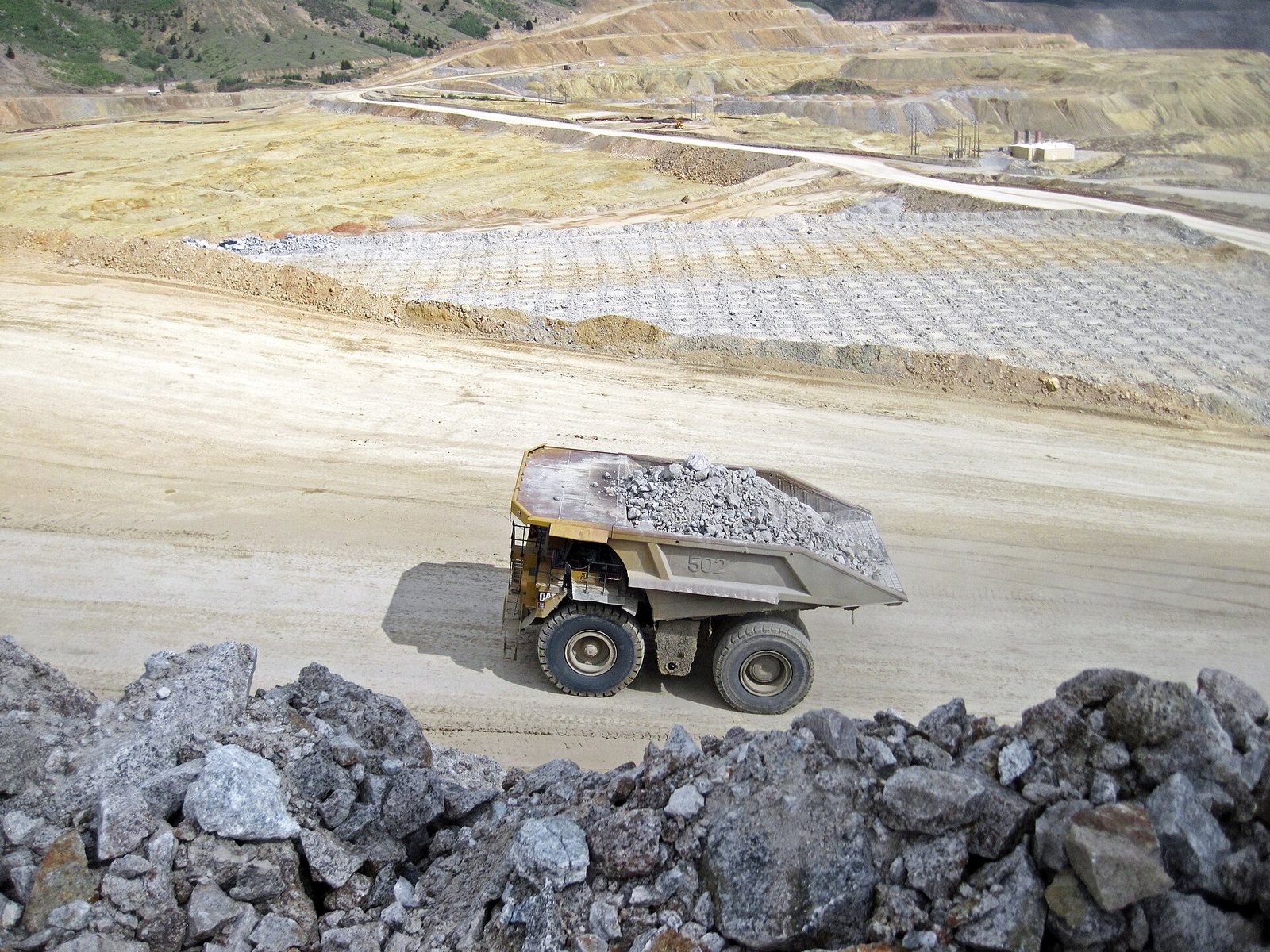
Drilled, blasted and hauled from an open pit. At about 0.5% copper, 995 kg of every tonne is waste before processing even begins.
यहाँ क्यों: A porphyry orebody, and desalinated seawater pumped 180 km uphill to process it.
Chile · Concentrator द्वारा धारित BHP (खनिक)
Grinding and floating
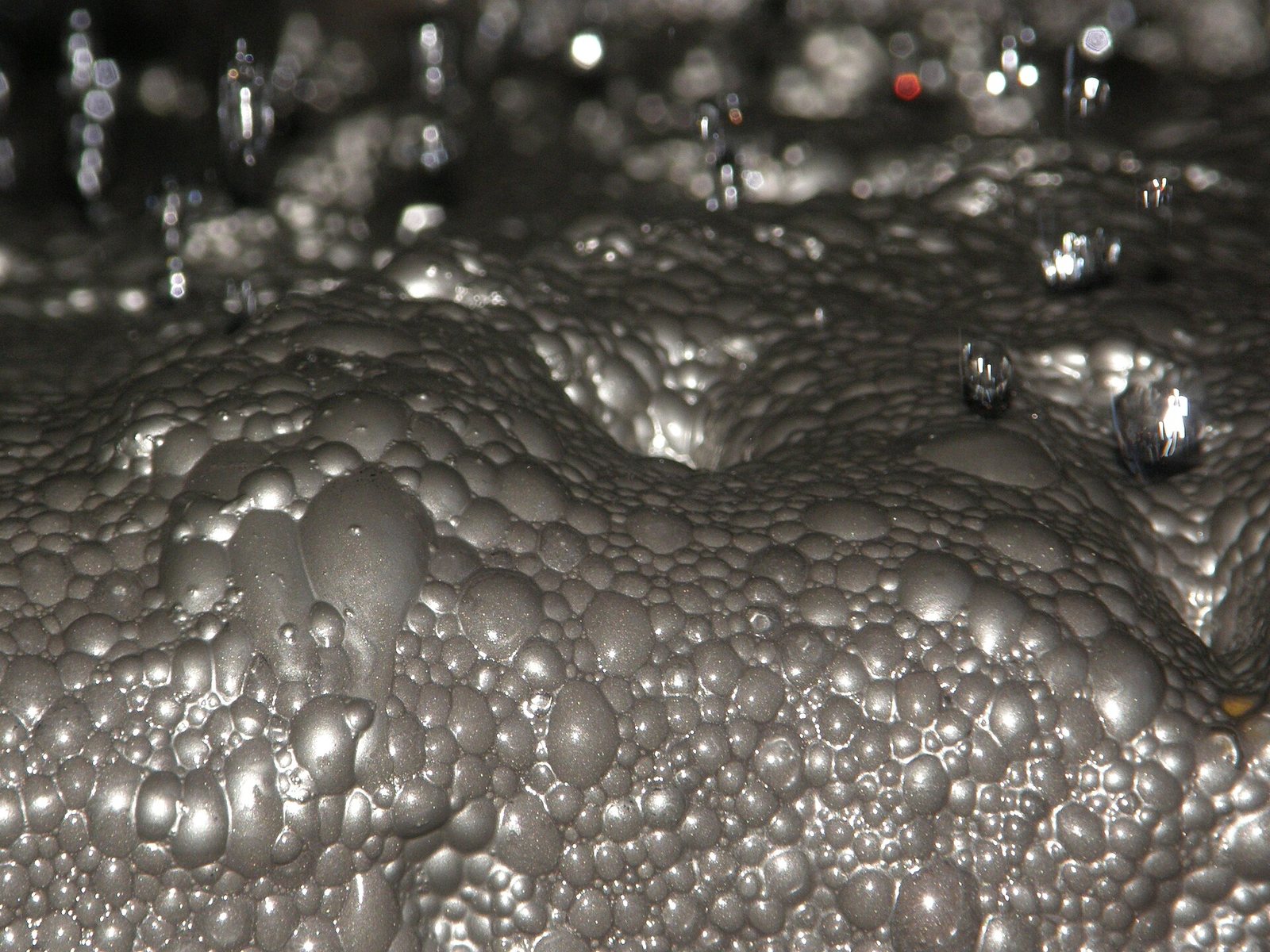
Ground to a powder and floated: air bubbles carry the sulfide minerals to the surface while the rock sinks. The result is a concentrate of about 30% copper.
शेष का क्या हुआ: 984 tonnes to the tailings dam. Grinding is the largest single electricity consumer on any copper mine.
यहाँ क्यों: Always at the mine. Shipping 1,000 tonnes to recover 5 would be indefensible.
China · Antofagasta to Chinese smelter ports द्वारा धारित Traders and smelters (व्यापारी)
Down to the coast and across the Pacific
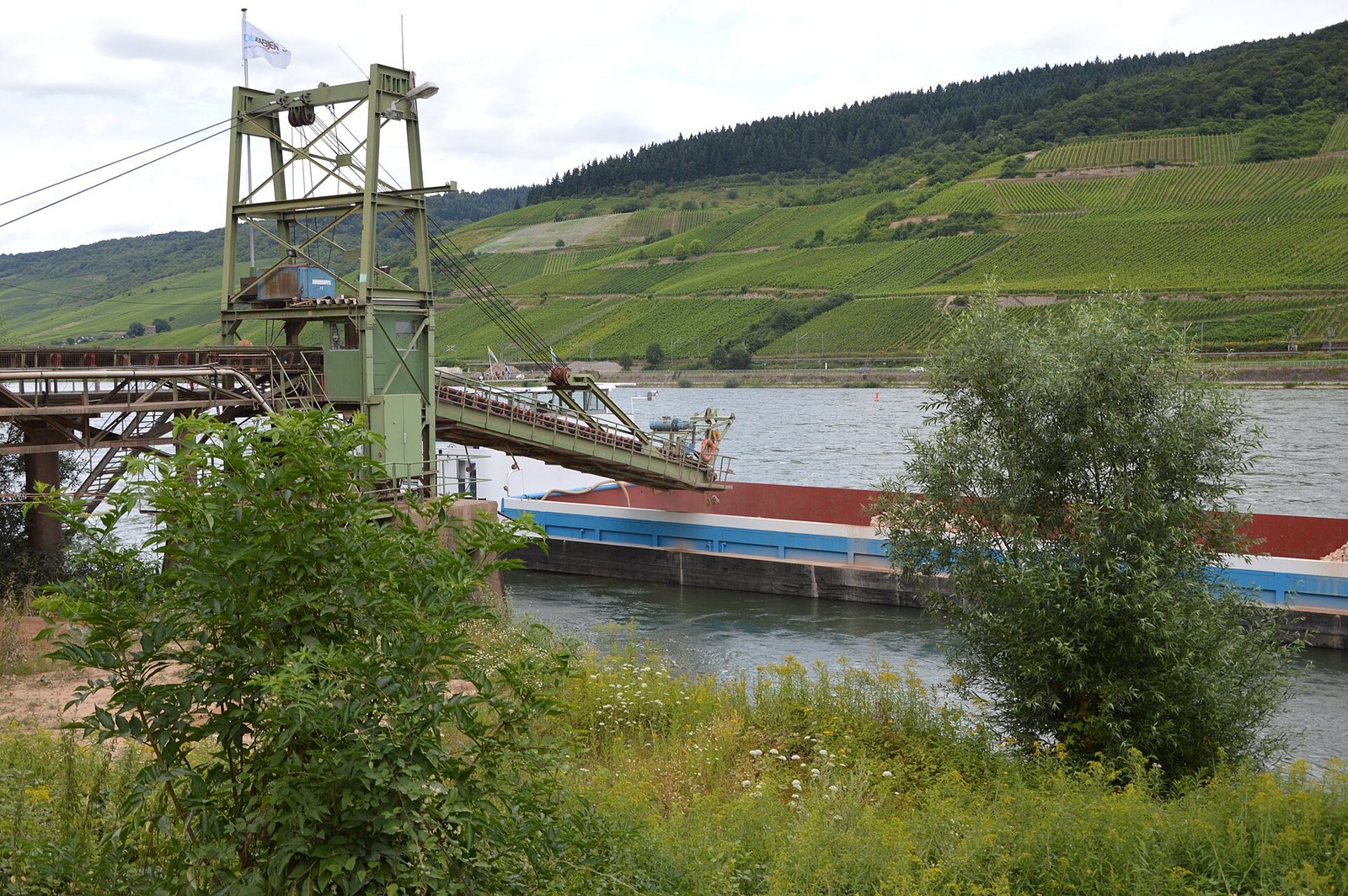
Concentrate moves by truck or slurry pipeline to the port, then in the hold of a bulk carrier. Treatment charges — what the smelter is paid to process it — are negotiated annually and are one of the industry's most watched numbers.
यहाँ क्यों: Because the smelters are there. Chile smelts a minority of its own concentrate.
China · Guixi, Jiangxi द्वारा धारित Smelter (शोधनकर्ता)
Smelting
Melted with oxygen. Iron and sulfur oxidise away; the sulfur is captured as sulfuric acid rather than released. What is left is blister copper at about 98%.
शेष का क्या हुआ: The captured sulfur becomes sulfuric acid — often sold onward to leach nickel or phosphate somewhere else entirely.
यहाँ क्यों: Smelting needs scale, an acid plant, an acid market and a permit. China assembled all four.
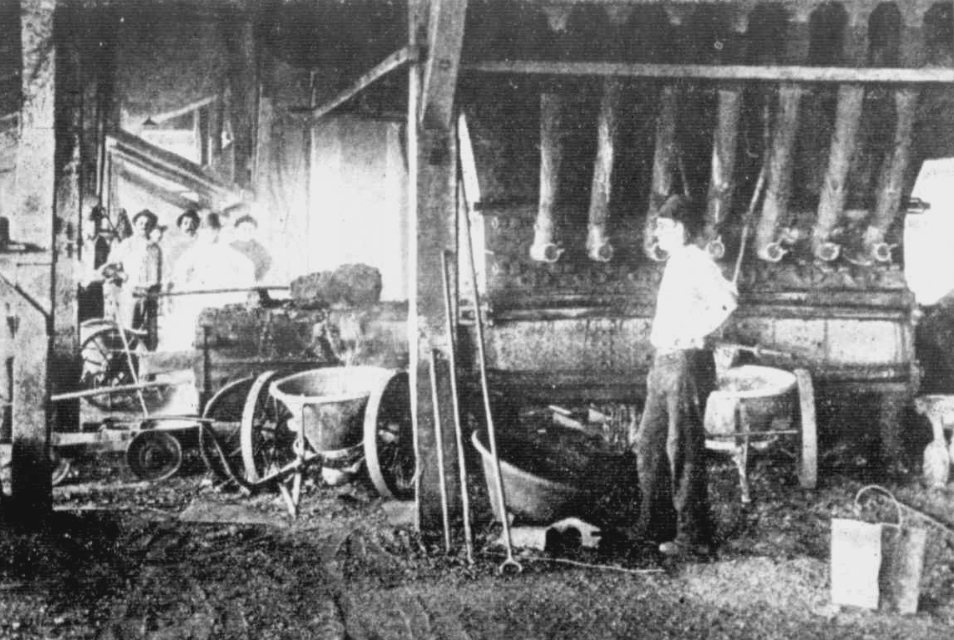
China · Tankhouse द्वारा धारित Refiner (शोधनकर्ता)
Electrorefining, and the slime at the bottom
Blister is cast into anodes and dissolved electrolytically over about two weeks; pure copper plates onto cathodes. Gold, silver, selenium, tellurium and platinum-group metals do not dissolve and settle as anode slime.
शेष का क्या हुआ: That anode slime is where a large share of the world's tellurium and selenium comes from. The by-products of this step are a whole industry.
यहाँ क्यों: Refining follows smelting; the two are almost always on the same site.
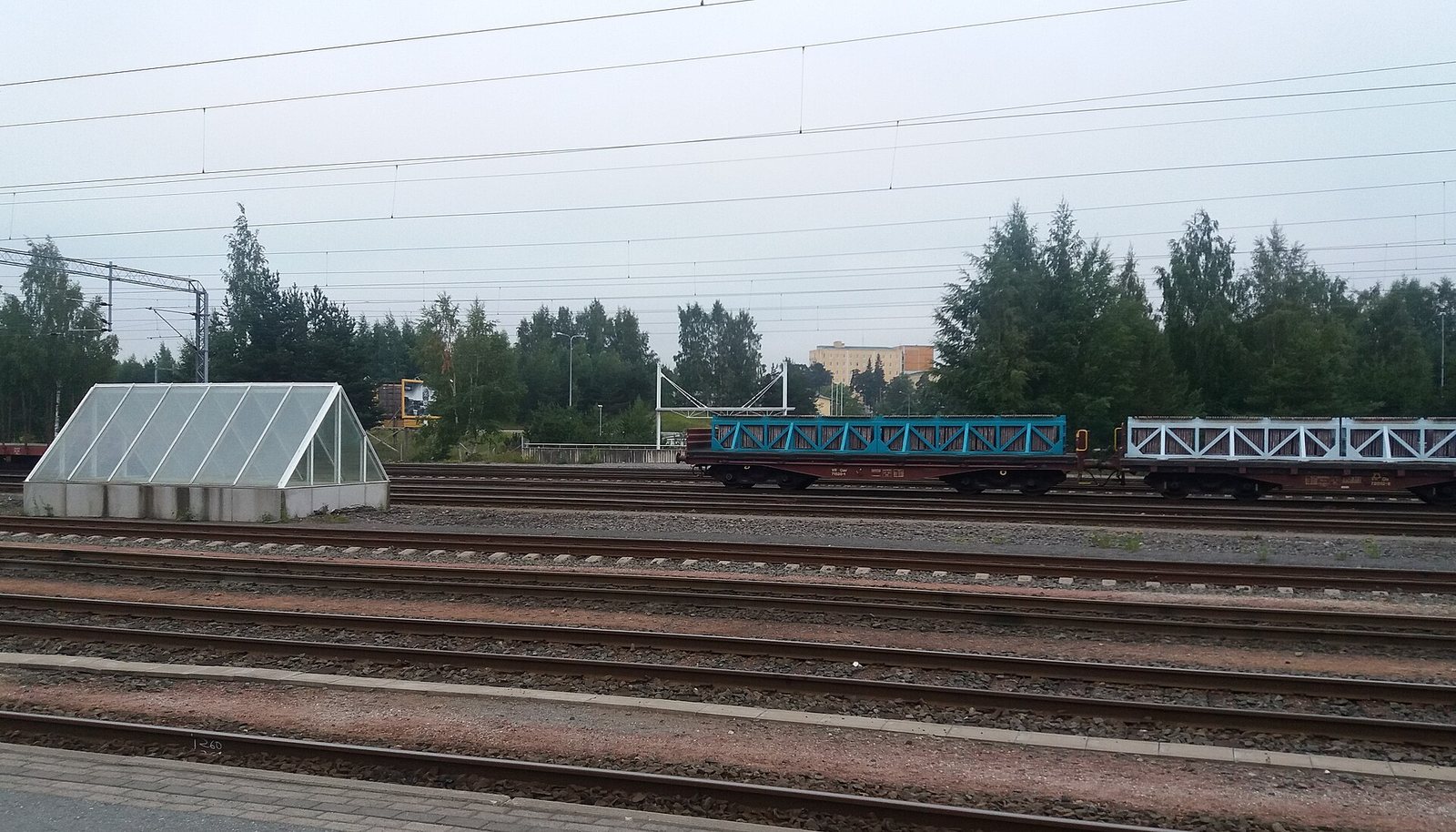
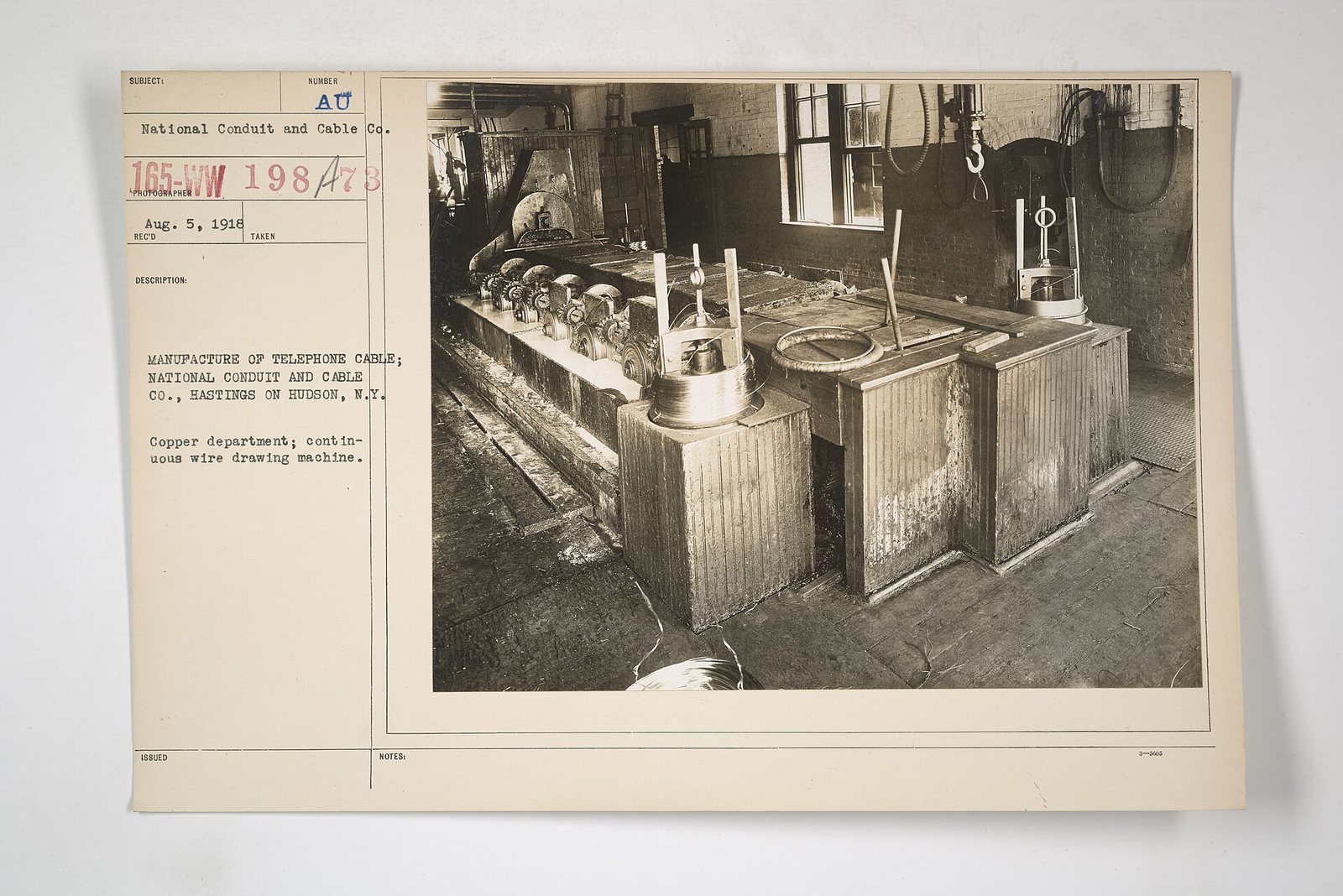
China · Rod mill and cable plants द्वारा धारित Cable and equipment makers (निर्माता)
Rod, wire, and a grid
Cathode is melted and drawn into rod, then wire, then cable. 4.6 tonnes is roughly the copper in one large wind turbine, or a few hundred metres of subsea export cable.
यहाँ क्यों: Copper is one of the few materials here that can be recycled endlessly without losing quality. This tonne will outlive the mine.
यह एक कार्यसाधित उदाहरण है। यह एक घोषित आरंभिक मात्रा को प्रकाशित सामान्य उपज और पुनःप्राप्ति दरों के माध्यम से अनुसरण करता है, इसलिए अनुपात जाँचे जा सकते हैं; यह किसी विशिष्ट शिपमेंट का अभिलेख नहीं है। मार्ग संबंधी तथ्य — कौन-से देश, कौन-सी प्रक्रियाएँ, और क्यों सामग्री को कहीं और संभाला नहीं जा सकता — सार्वजनिक रिपोर्टिंग से संकलित हैं।