What is actually moving
Hard-rock lithium is mined and floated like any other ore, then shipped as a concentrate to be cracked open with heat and acid. It is faster to start, faster to stop and faster to expand than a salar — which is why hard rock, not brine, supplied most of the growth of the last decade.
- The material
- Lithium
- The variety
- Spodumene concentrate, 6% Li2O, from an LCT pegmatite
- Where it starts
- Australia — Greenbushes, Western Australia — the highest-grade hard-rock lithium mine in the world
Step by step, and border by border
Australia · Greenbushes, Western Australia held by Talison Lithium (Miner)
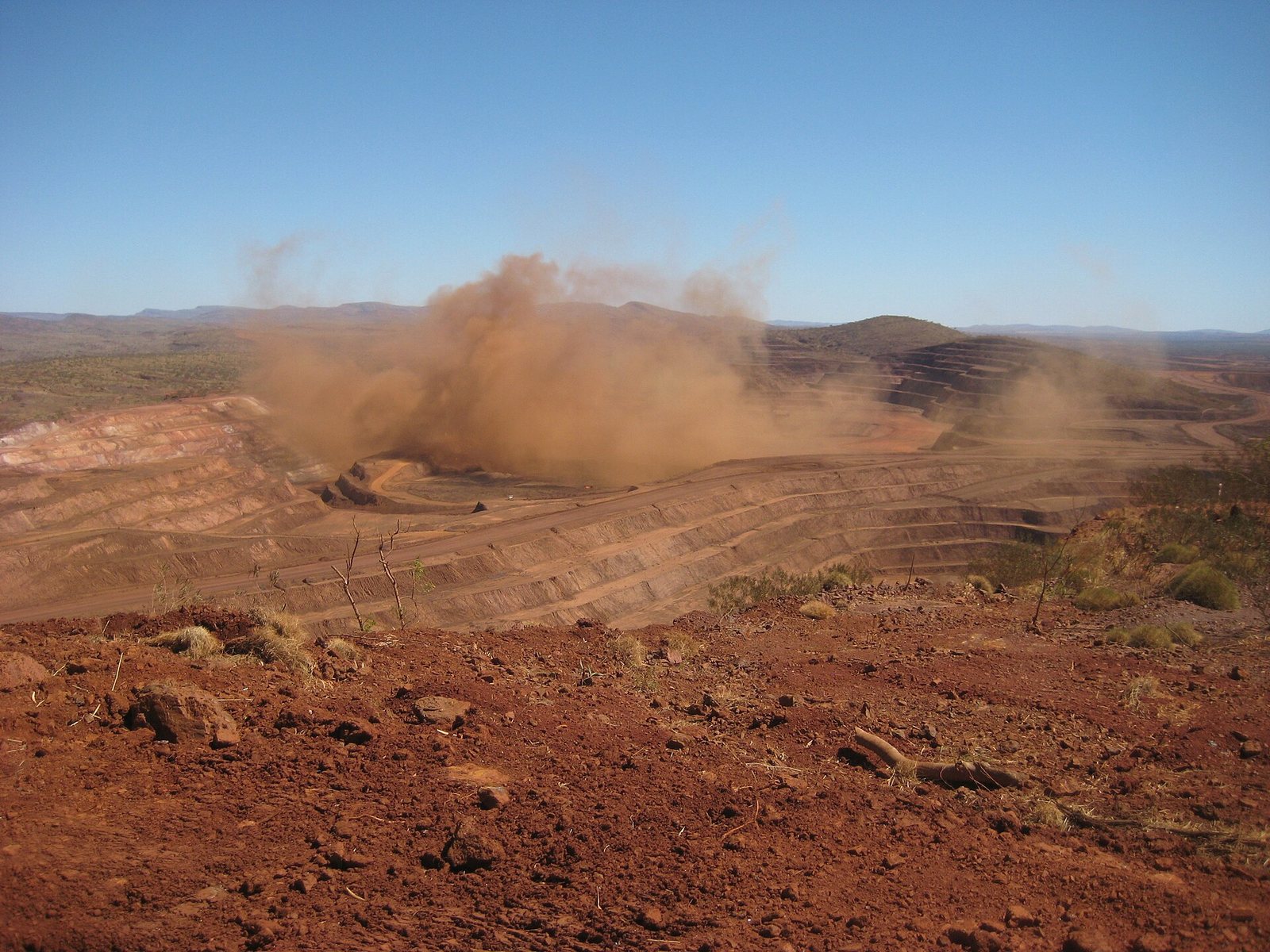
Drill, blast, load, haul
Conventional open-pit mining of a zoned pegmatite. The ore is unusually rich in lithium for hard rock, which is why this mine stays profitable through price crashes that shut others.
Why here: The pegmatite is here. Greenbushes was mined for tin for a century before anyone wanted the lithium.
Australia · Concentrator on site held by Talison Lithium (Miner)
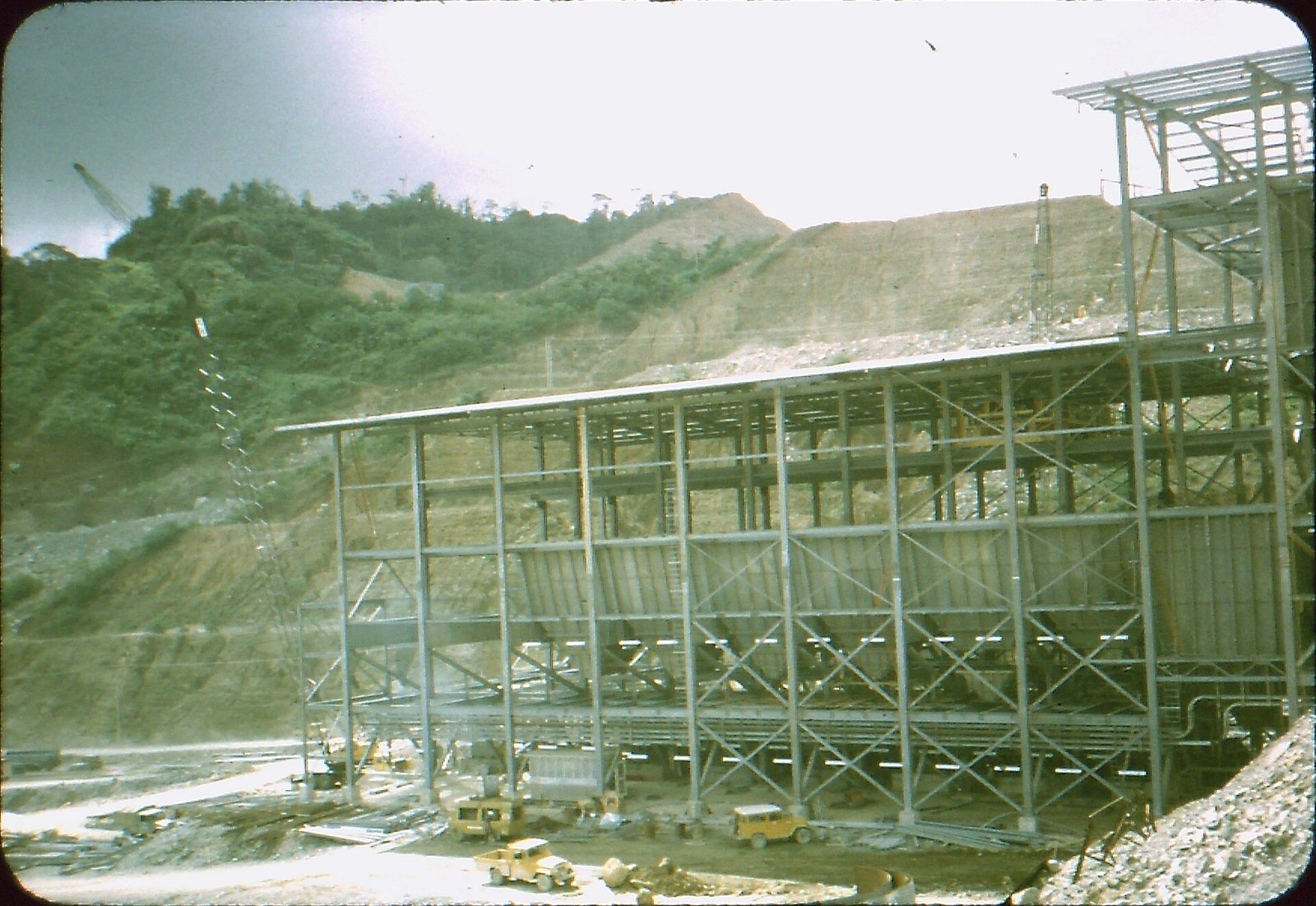
Crushing and floating to a concentrate
Crushed, ground, and separated by dense-media separation and flotation until the spodumene is concentrated to about 6% Li2O.
What happened to the rest: 880 tonnes to tailings. Concentrating on site is essential — shipping the waste rock across an ocean would be absurd.
Why here: You concentrate as close to the pit as possible, always. Freight is charged by the tonne.
China · Port Hedland or Bunbury to Chinese ports held by Traders and converters (Trader)
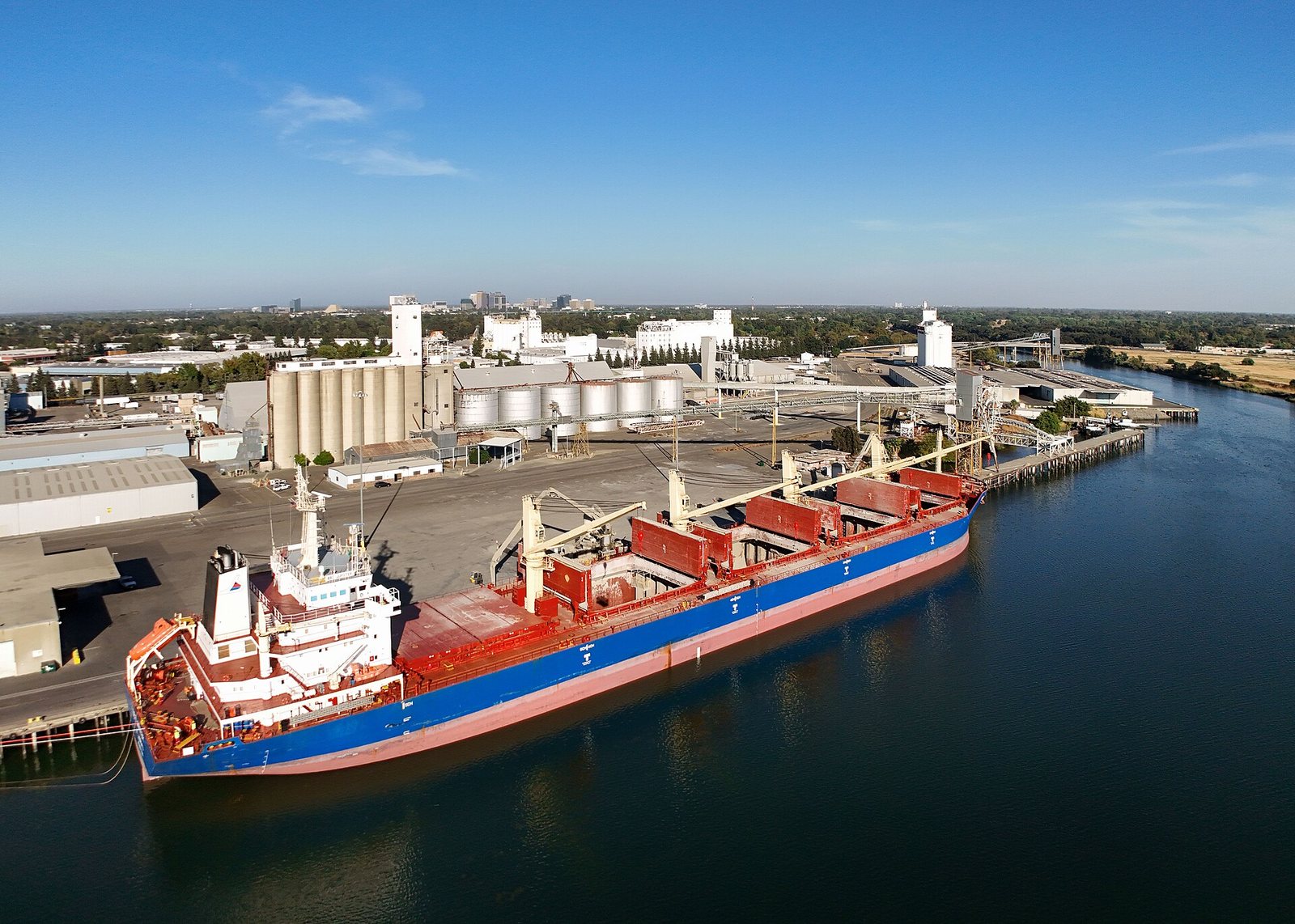
Bulk carrier to China
Shipped as bulk concentrate. This is the step that made spodumene a spot-traded commodity with a visible price.
Why here: The converters are in China. Australia has built some conversion capacity, and found out how hard commissioning a lithium chemical plant to battery specification really is.
China · Sichuan or Jiangxi held by Converter (Chemical)
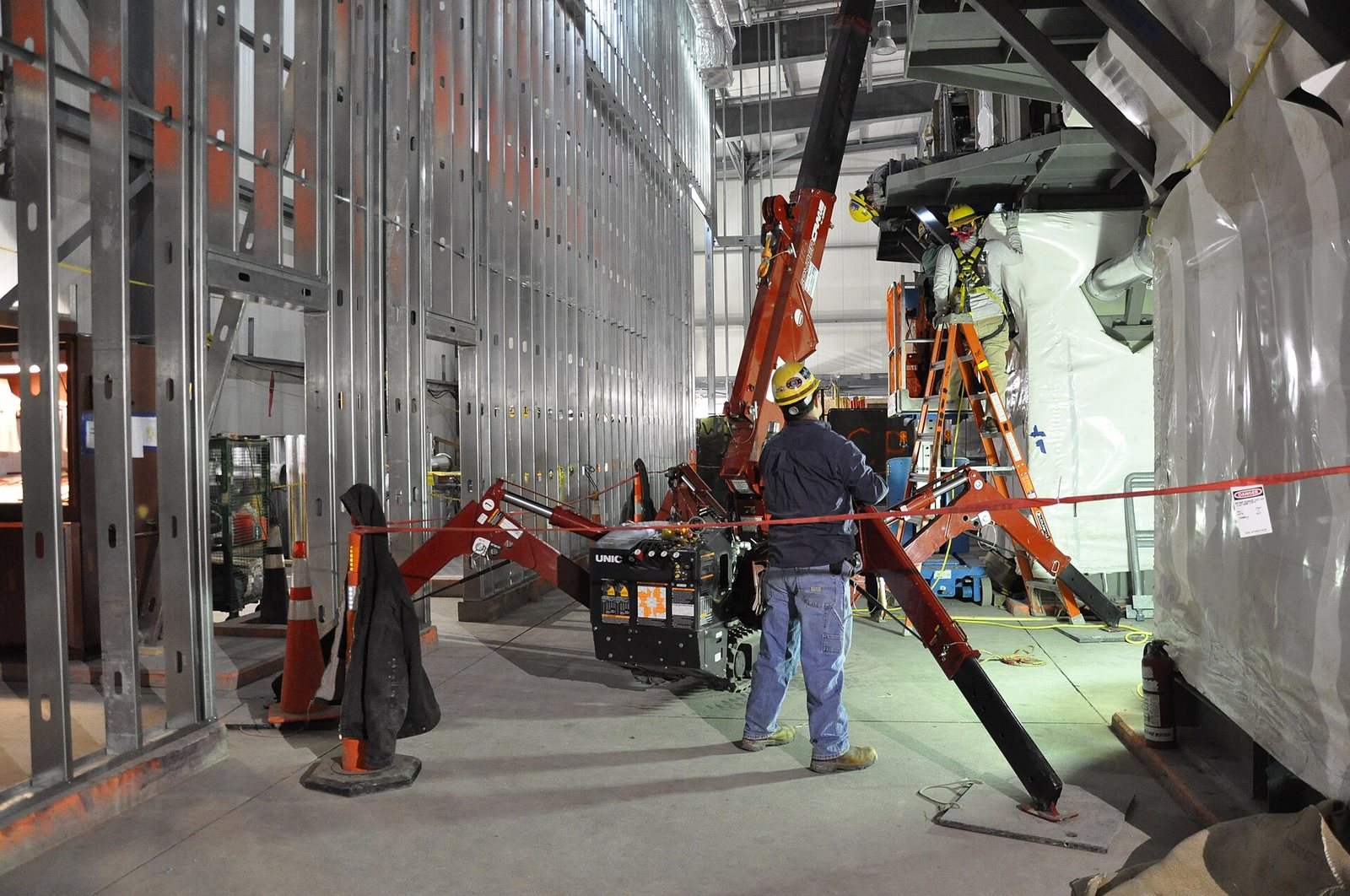
Roasting at 1,050 °C, then acid
The concentrate is calcined to flip alpha-spodumene into the beta form, then digested in concentrated sulfuric acid and purified into lithium hydroxide or carbonate.
What happened to the rest: The sulfuric acid used here is largely a by-product of oil refining and metal smelting — the same sulfur that came off a heavy crude barrel elsewhere on this site.
Why here: Energy, acid, chemical engineering and a qualified customer next door.
South Korea · Cathode and cell plants held by Cathode and cell manufacturers (Manufacturer)
Cathode, cell, pack
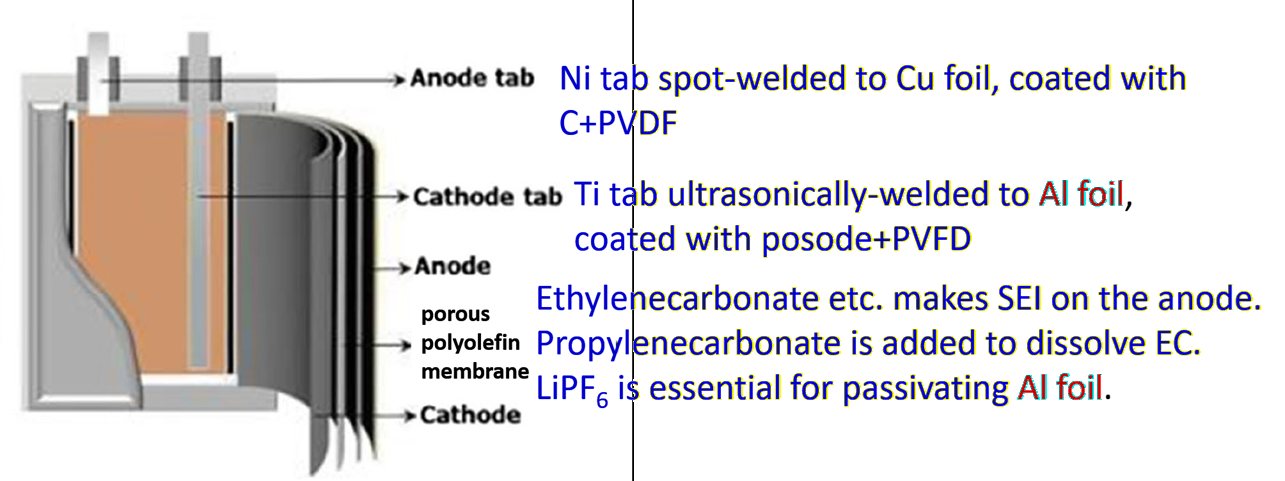
Hydroxide is preferred over carbonate for high-nickel cathodes because it calcines at a lower temperature. It becomes cathode powder, then a coated electrode, then a sealed cell.
Why here: High-nickel cathode expertise sits in a small number of Korean, Japanese and Chinese firms.
United States · Wherever it is sold held by The driver (End user)
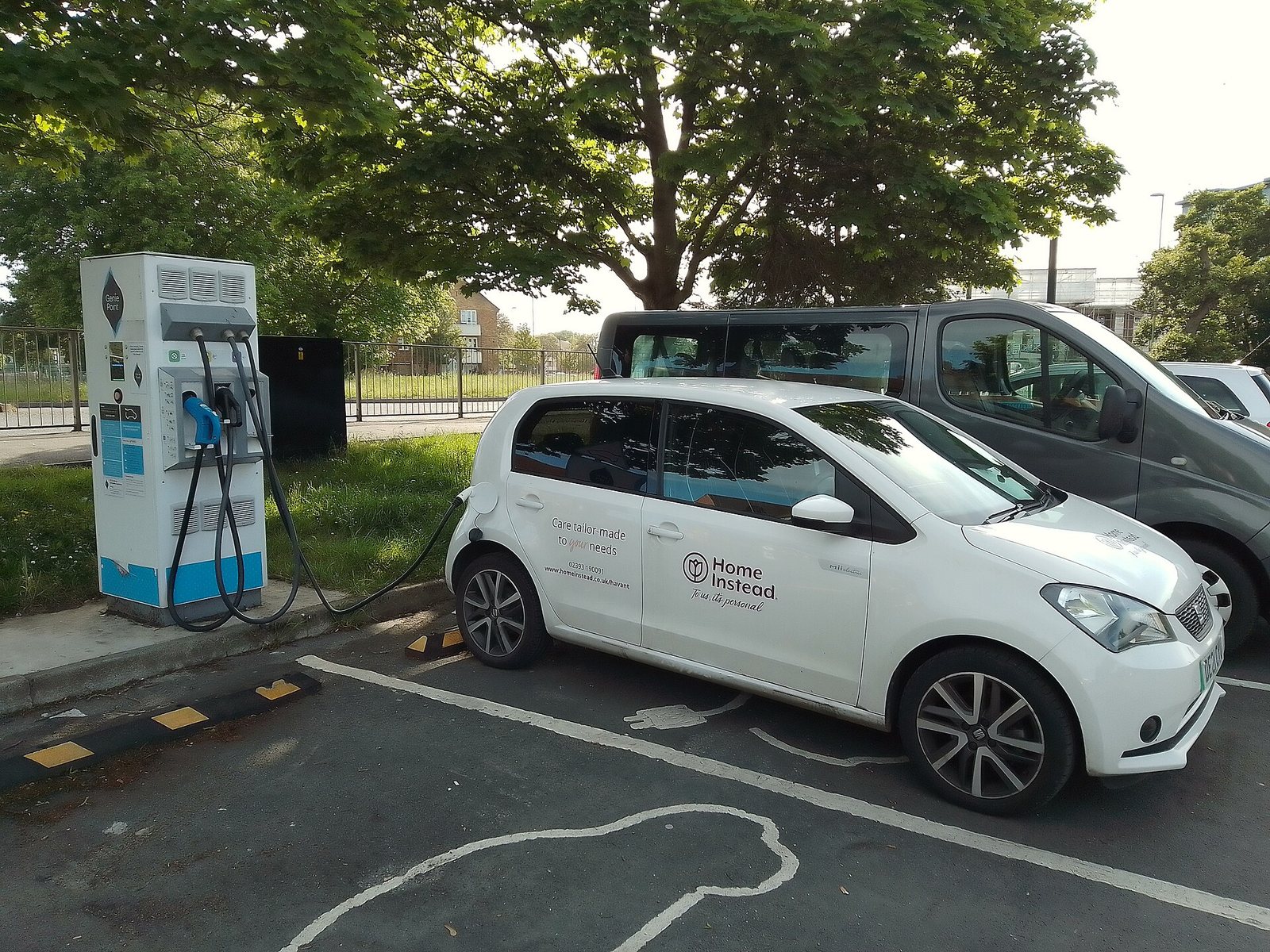
A long-range electric car
The same 8 kg of lithium as the Chilean route delivers — from 1,000 tonnes of rock instead of a million litres of brine.
Why here: Four countries, two oceans, and about four months from blast to battery.
This is a worked example. It follows a stated starting quantity through published typical yields and recoveries, so the proportions are checkable; it is not a record of a specific shipment. Route facts — which countries, which processes, and why the material cannot simply be handled somewhere else — are compiled from public reporting.