What is actually moving
New Caledonia sits on one of the largest nickel resources on Earth and has smelted it locally for over a century. Its ore is the saprolite kind — good for metal, poor for batteries — so it goes into stainless steel rather than into cells. The economics turn almost entirely on the price of power on a small island.
- The material
- Nickel
- The variety
- Saprolite laterite ore, roughly 2% nickel, low cobalt
- Where it starts
- New Caledonia — The nickel-rich massifs of Grande Terre, a fragment of ancient ocean floor pushed above sea level
Step by step, and border by border
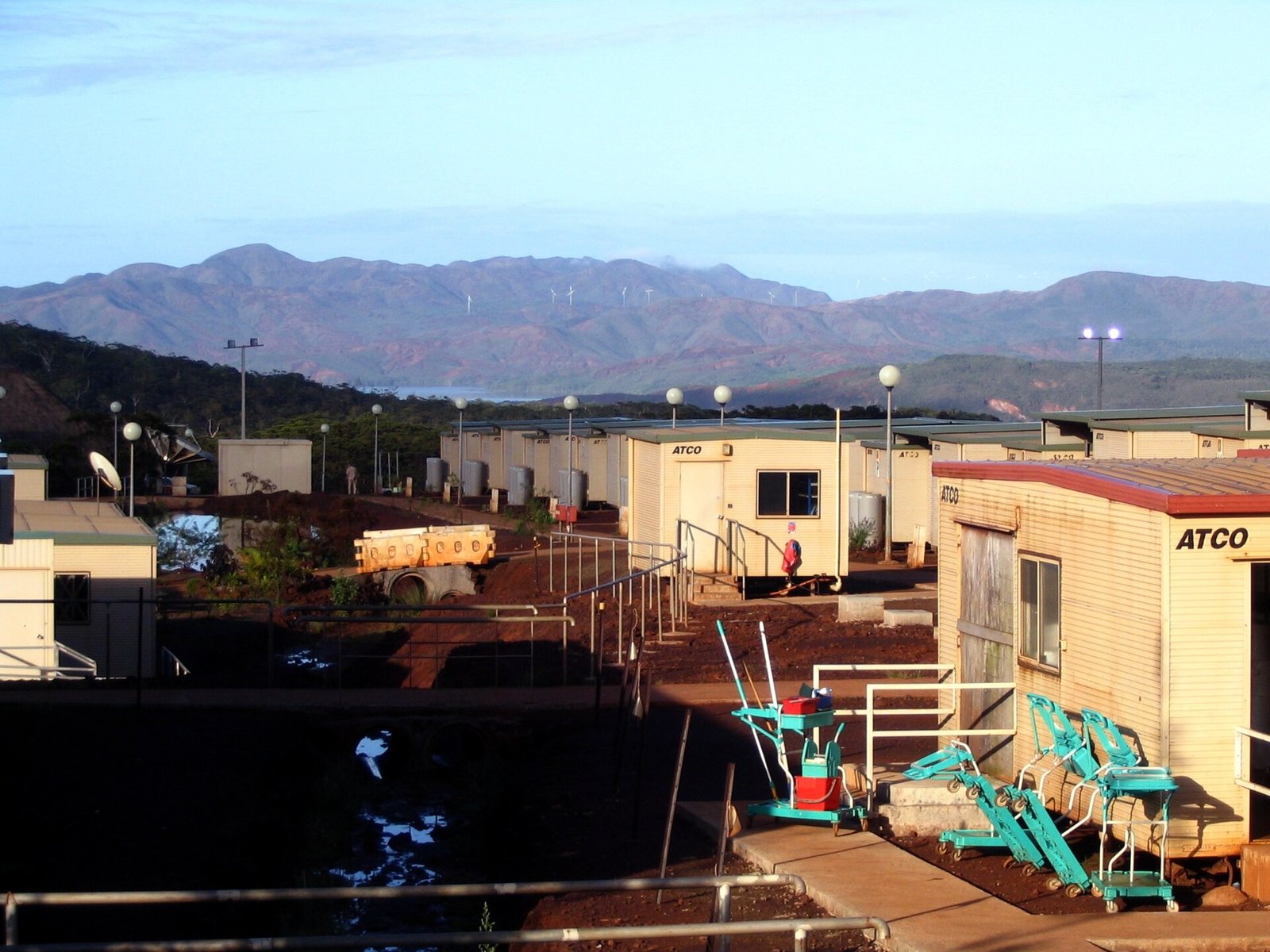
New Caledonia · Grande Terre held by SLN, Prony and KNS operations (Miner)
Scraping the hillside
Laterite sits at the surface, so it is stripped with excavators rather than blasted. The soft, deeply weathered ore needs almost no drilling.
Why here: Millions of years of tropical rain on ultramafic rock made this deposit. It cannot be made anywhere the climate and the bedrock do not agree.
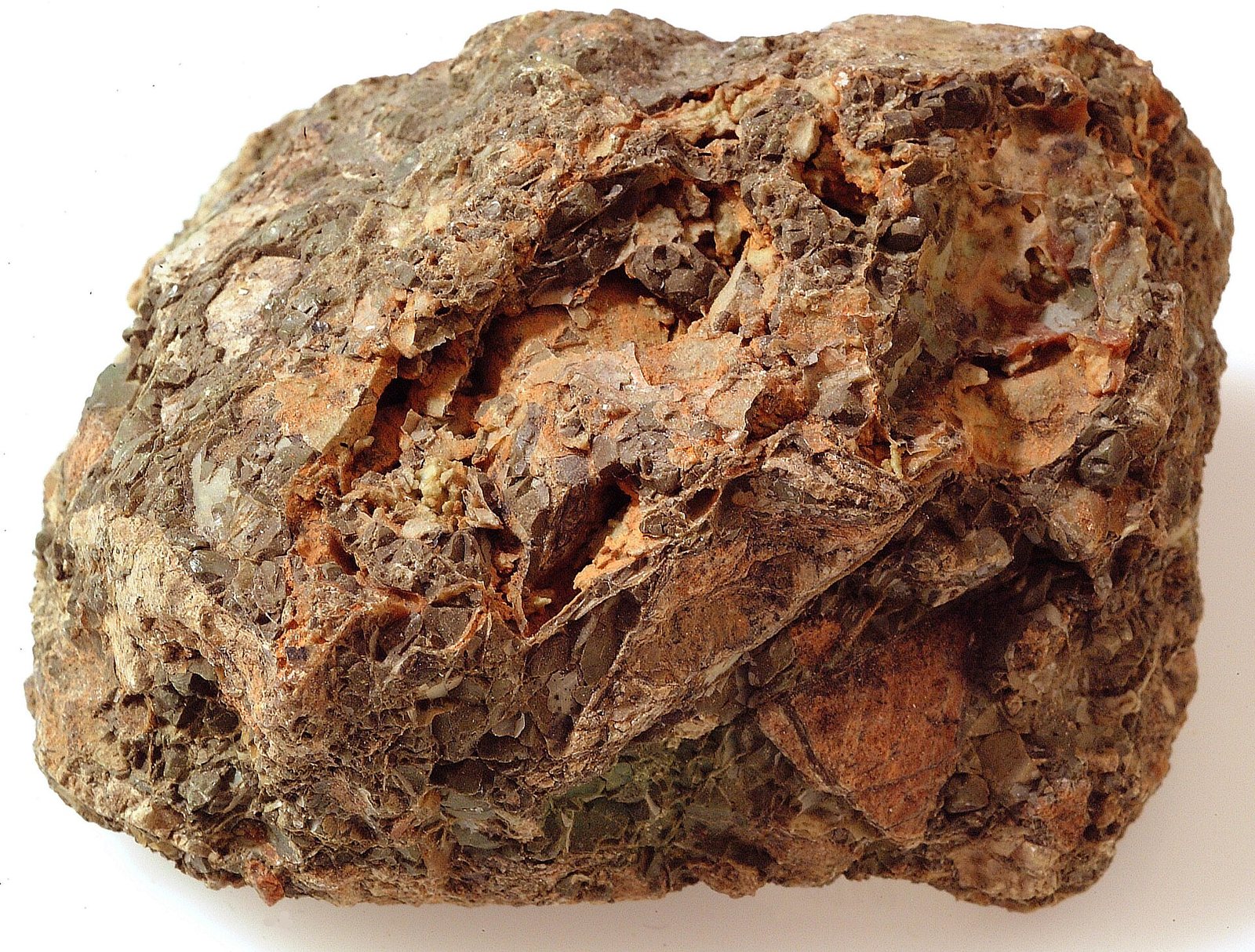
New Caledonia · Doniambo and mine-site plants held by Operators (Miner)
Drying and screening
Laterite arrives wet — often a third water by weight. It is dried and screened before it can be fed to a furnace.
What happened to the rest: 300 tonnes of that shipment was water. This is why laterite is almost never exported raw over long distances — you would be paying freight on rain.
Why here: Drying has to happen before shipping or smelting, and the cheapest place to do it is at the mine.
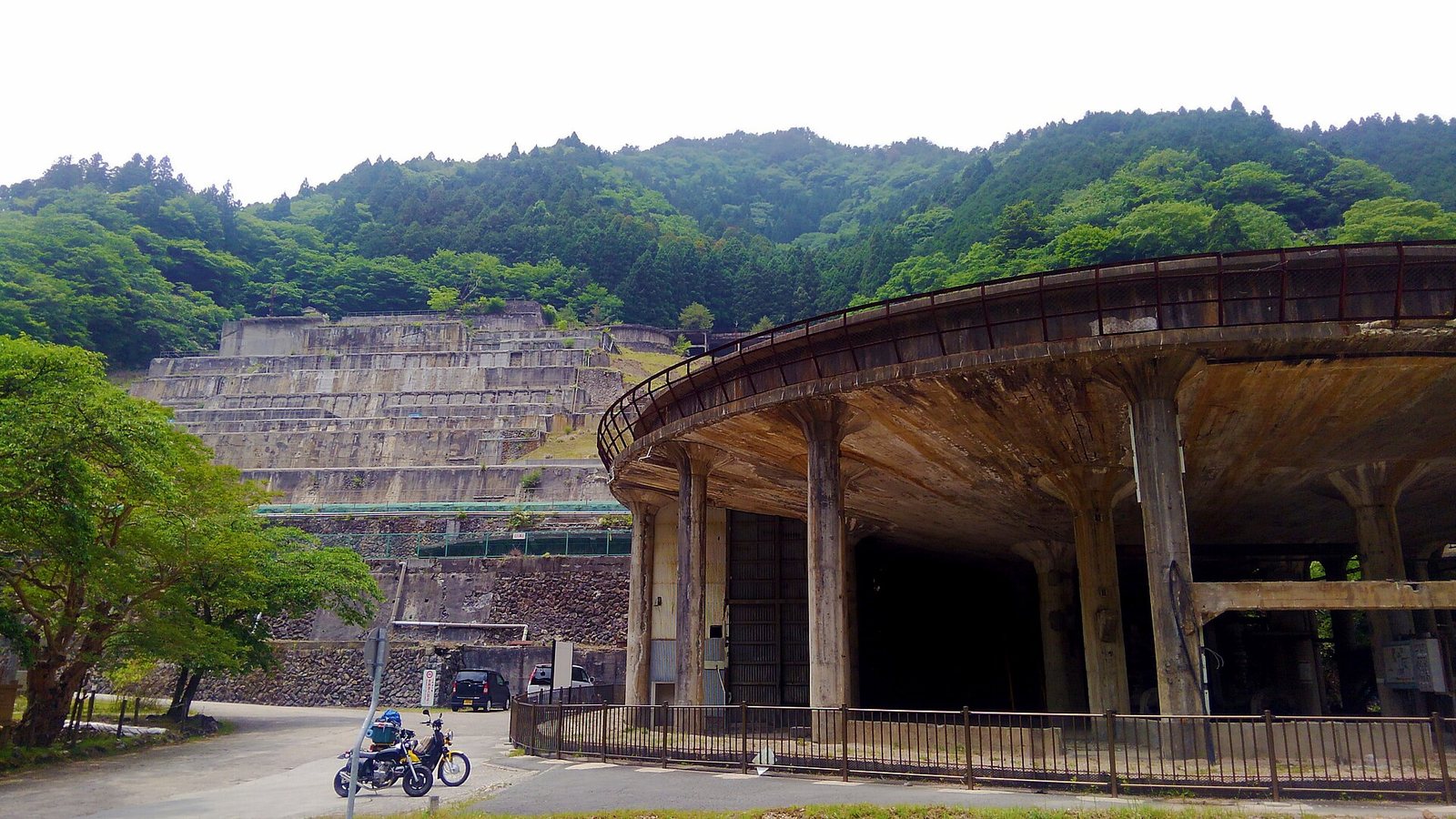
New Caledonia · Doniambo smelter, Nouméa held by Société Le Nickel (Refiner)
An electric furnace on an island
Calcined in a rotary kiln, then smelted in an electric arc furnace to ferronickel — an iron-nickel alloy that goes straight into stainless steel.
What happened to the rest: Almost everything else is slag. The nickel was never more than about 2% of what came out of the ground.
Why here: Smelting at home keeps the value and the jobs on the island. It also means every tonne of metal carries the cost of island power, which is the industry's permanent problem here.
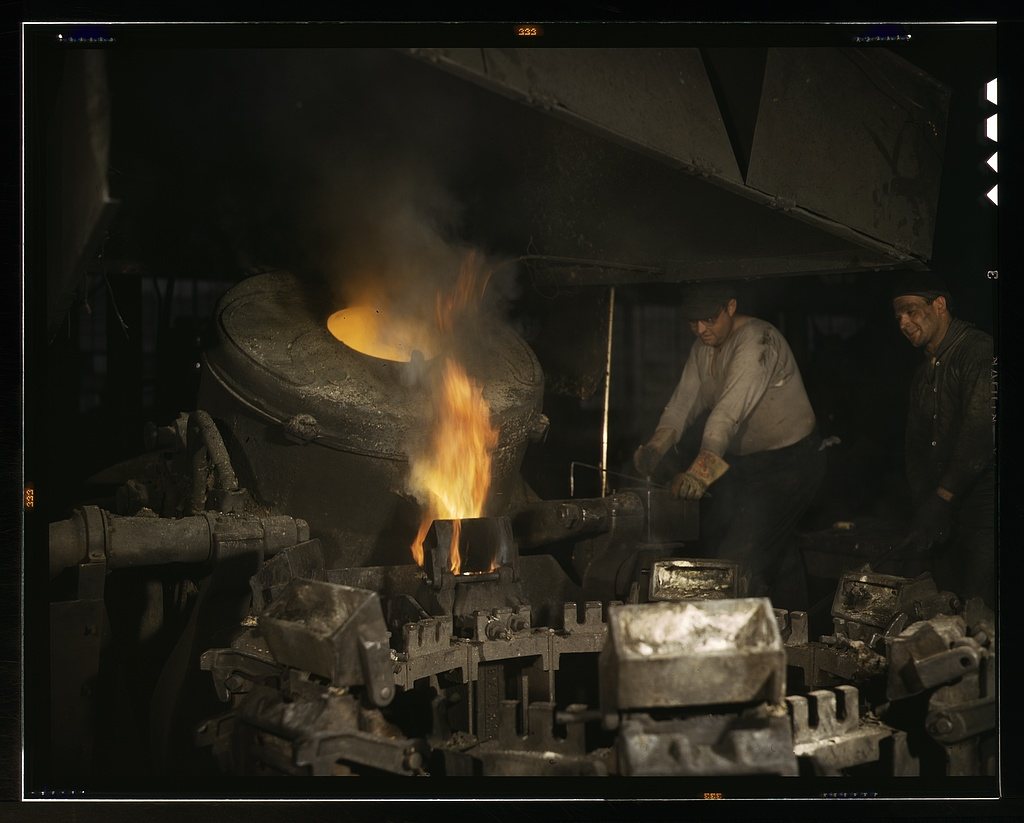
Japan · Japan, Korea or Europe held by Steelmakers (Manufacturer)
To a stainless mill
Ferronickel is shipped as ingot or shot directly to stainless steel producers.
Why here: Ferronickel has exactly one customer: the stainless steel industry. It cannot be redirected to batteries.
Japan · Stainless mill held by Steelmakers (Manufacturer)
Stainless steel
Melted with chromium and iron into austenitic stainless — sinks, cutlery, chemical plant, architectural cladding.
Why here: Two-thirds of all nickel still goes into stainless steel. The battery story is the newer and smaller half of the market.
This is a worked example. It follows a stated starting quantity through published typical yields and recoveries, so the proportions are checkable; it is not a record of a specific shipment. Route facts — which countries, which processes, and why the material cannot simply be handled somewhere else — are compiled from public reporting.