Rock to product, traced
The Materials Atlas
Materials Mines & deposits Processing & refining Custody journeys Supply chains Companies Countries News
Materials by shelf Battery Materials Rare Earth Elements Copper & Electrical Semiconductor Materials Nuclear Materials Aerospace & Defence Precious Metals Steel & Alloy Metals Industrial Minerals Agricultural Minerals Energy Raw Materials Ore minerals Periodic table
Demand End markets Technologies Material calculator Maps Screener
Learn & tools LearnGlossary Ask the DataAI agents Research & dataAPI ★ Saved
About About usMethodology Data sourcesContact Disclaimer
Reading options
🧭 Guided View New to this — ore grades, concentrate, refining, by-products? We explain every term as you browse, in plain English. Same data, with the help built in.
⚡ Expert View You already know the industry. Just the data — clean, fast and compact, with no extra explanations. This is the default view.
Theme
Interface language
Depth Material pages are written at four levels. Pick one on any material page and it is remembered.
★ Saved Research & data

Custody journey · starts in Indonesia

Indonesian laterite to a battery cathode

A country that banned raw ore exports and built the processing industry instead.

1,000 tonnes of limonite ore as mined
11 tonnes of contained nickel, plus about 1 tonne of cobalt
Indonesia → China · Container ship Indonesia — Skimming the top of the profile 1 Indonesia China — To a refinery 2 China
Numbered in the order the material travels. Click a country to open its page. Equirectangular projection drawn from country centroids — the arcs show which borders are crossed, not the actual sailing route.

What is actually moving

Indonesia forbade the export of unprocessed nickel ore, forcing anyone who wanted the metal to build a plant on Indonesian soil. Within a decade the country went from an ore supplier to the dominant producer of processed nickel, and the upper limonite layer that used to be waste became battery feedstock.

The material
Nickel
The variety
Limonite laterite, roughly 1.3% nickel, with recoverable cobalt
Where it starts
Indonesia — Sulawesi and Halmahera
Why this route and not another. Limonite is the iron-rich upper layer of a laterite profile — too low-grade to smelt economically, but well suited to high-pressure acid leaching, which dissolves the nickel and the cobalt together. That process needs an autoclave running at 250 °C and 40 bar, which is a large, difficult and expensive thing to build.
The narrowest link. The autoclaves. High-pressure acid leach plants are notoriously hard to commission and only a handful of firms have made them work.
Read the two numbers on each step: what went in, and what came out. Watching them shrink is the point. By the end you will have followed a thousand tonnes of rock down to a few kilograms of the thing that actually does the work.

Step by step, and border by border

01 Extraction 1,000tonnes

Indonesia · Sulawesi held by Indonesian miners and joint ventures (Miner)

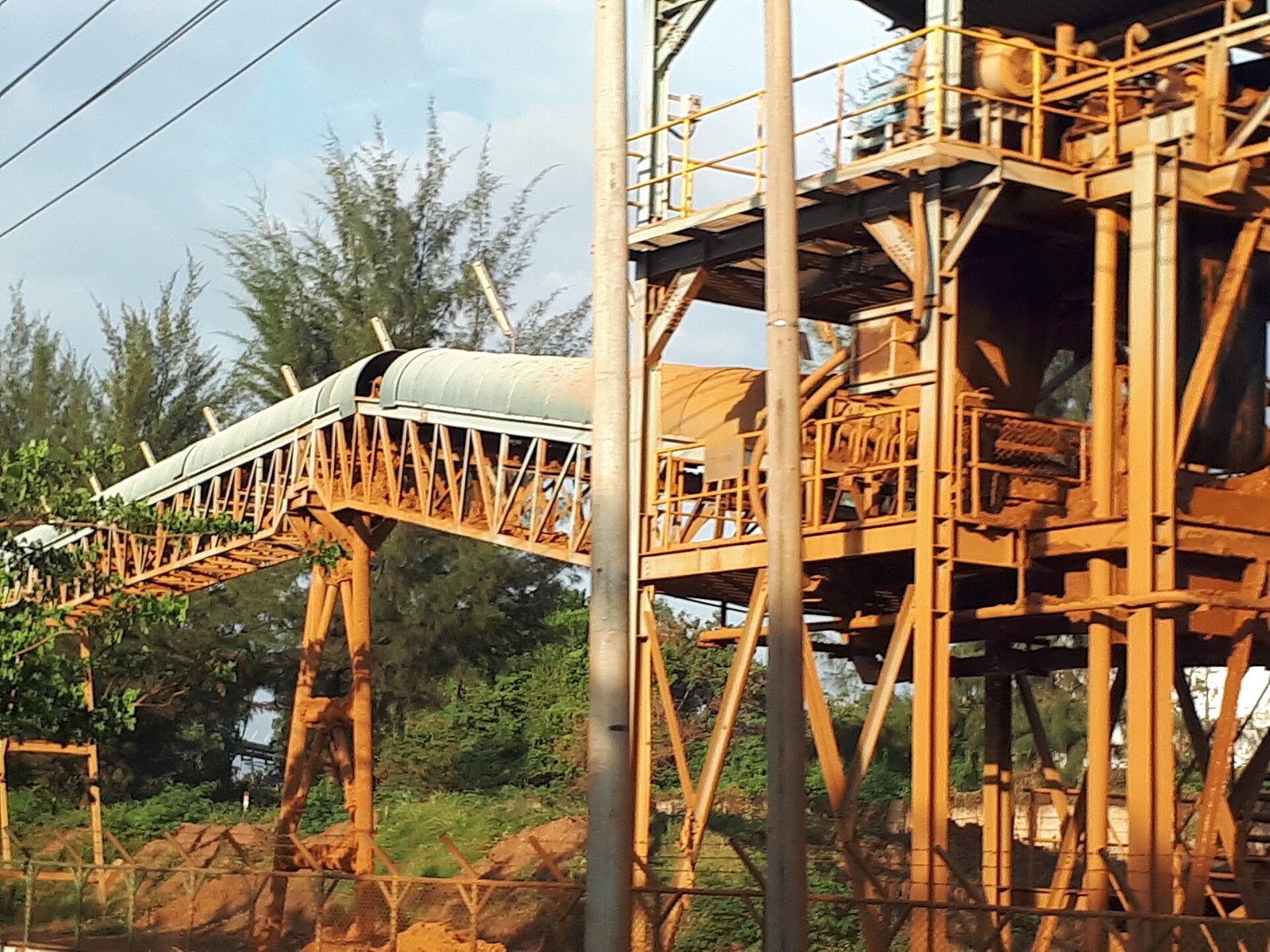
Skimming the top of the profile

The limonite layer sits above the saprolite. It used to be stripped off and dumped to reach the higher-grade ore below; now it is the product.

1,000 tonneslimonite ore 1,000 tonnesore to the plant

Why here: Same weathering process as New Caledonia, different layer of the same profile.
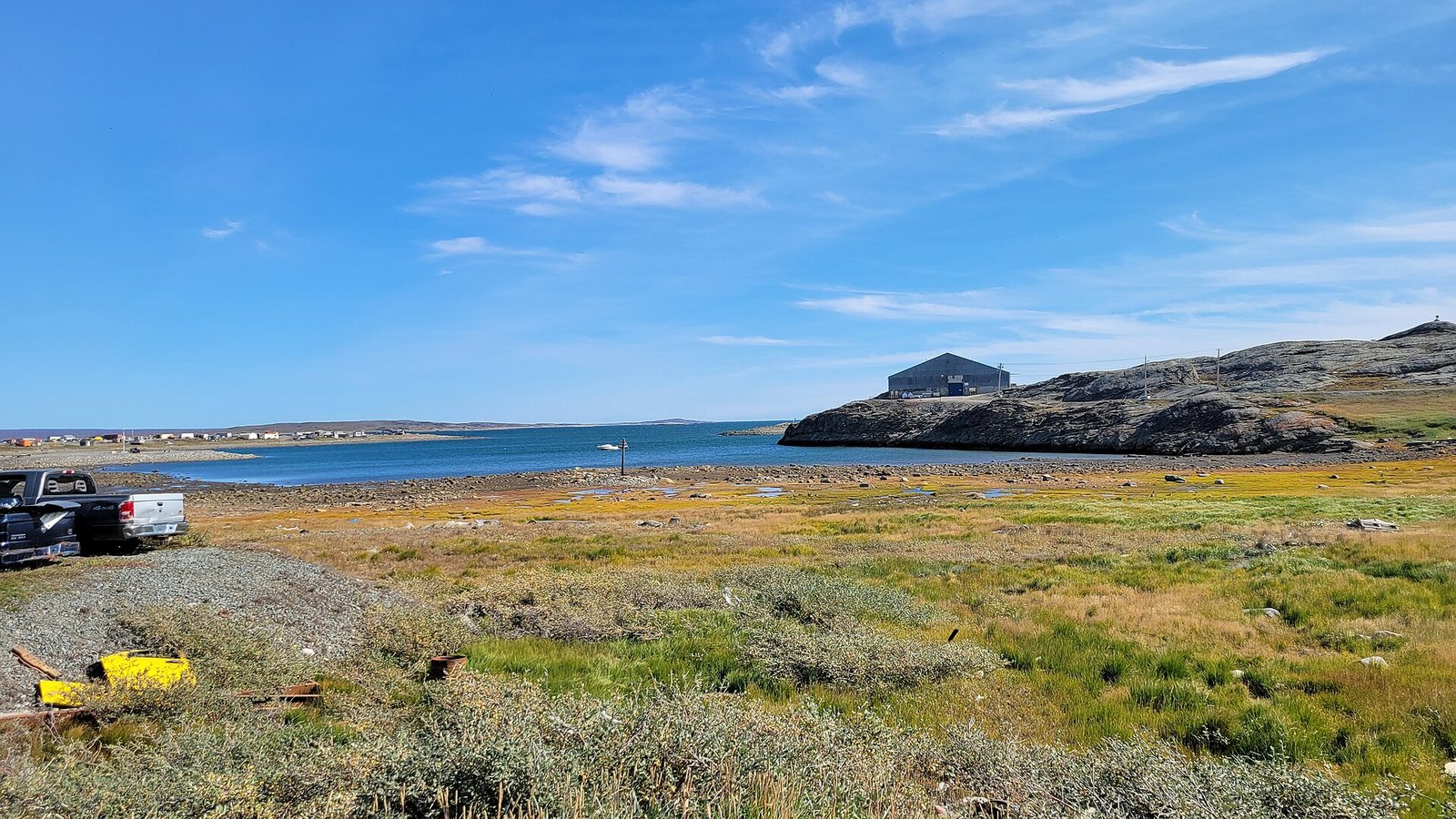
The road not taken The other layer of the same rock Limonite goes to batteries; the saprolite beneath it goes to stainless steel.
Skimming the top of the profile
Johnston Cove - Former nickel mine · CC BY-SA 4.0 via Wikimedia Commons
02 Processing 12tonnes

Indonesia · HPAL plant, Morowali or Obi held by Plant operators (Chemical)

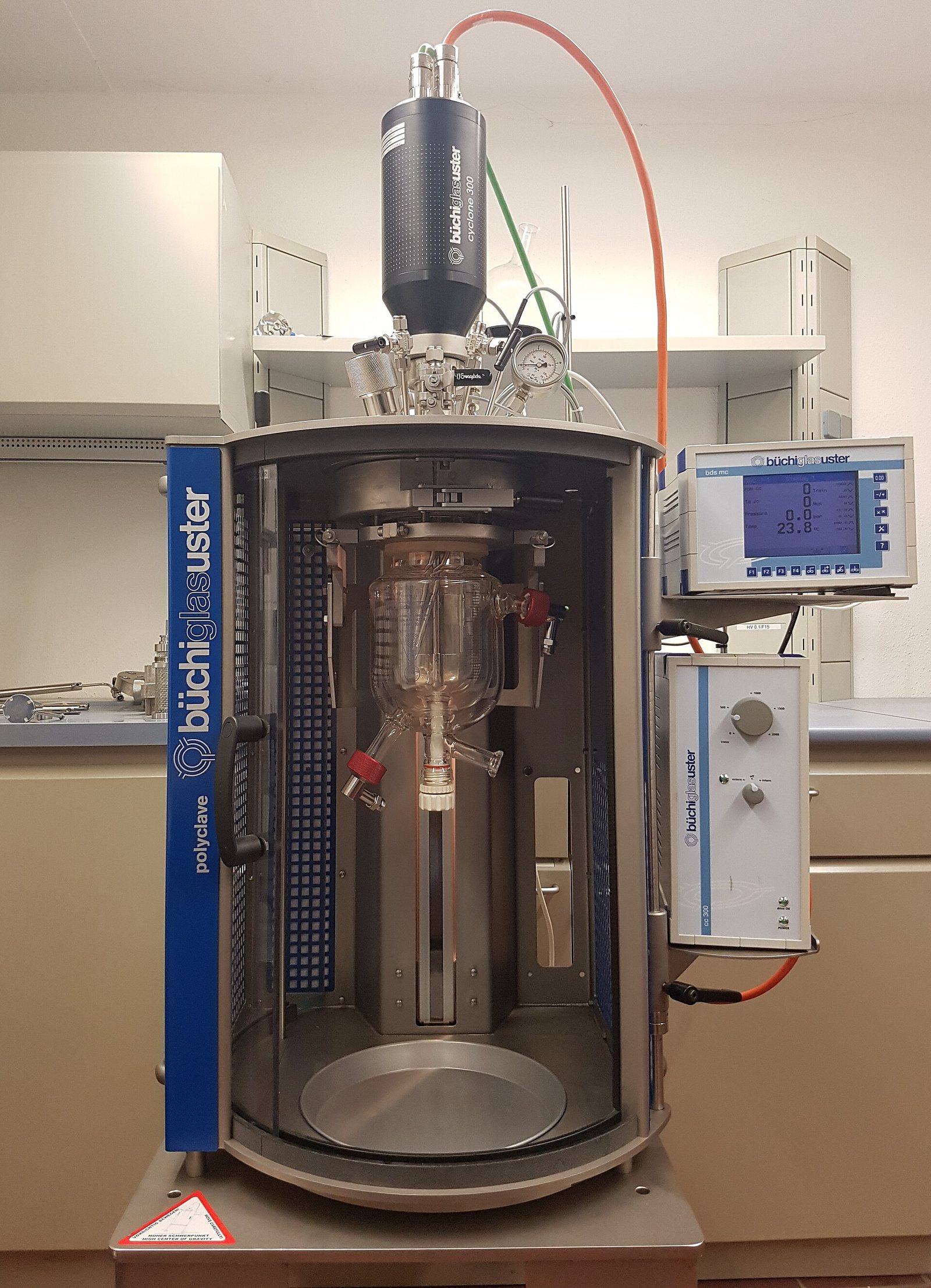
Dissolving it under pressure

Slurried ore goes into an autoclave with sulfuric acid at about 250 °C and 40 bar. Nickel and cobalt dissolve; iron stays behind as a residue.

1,000 tonneslimonite at ~1.3% Ni 12 tonnesnickel and cobalt in solution

What happened to the rest: The acid is made on site from sulfur, most of it imported. A nickel plant is quietly also a very large chemical plant.

Why here: Because the ore export ban means it has to be. This industry exists in Indonesia by policy as much as by geology.
Dissolving it under pressure
Glass Pressure Reactor · CC BY-SA 4.0 via Wikimedia Commons
03 Refining 12tonnes

Indonesia · Same complex held by Plant operators (Chemical)

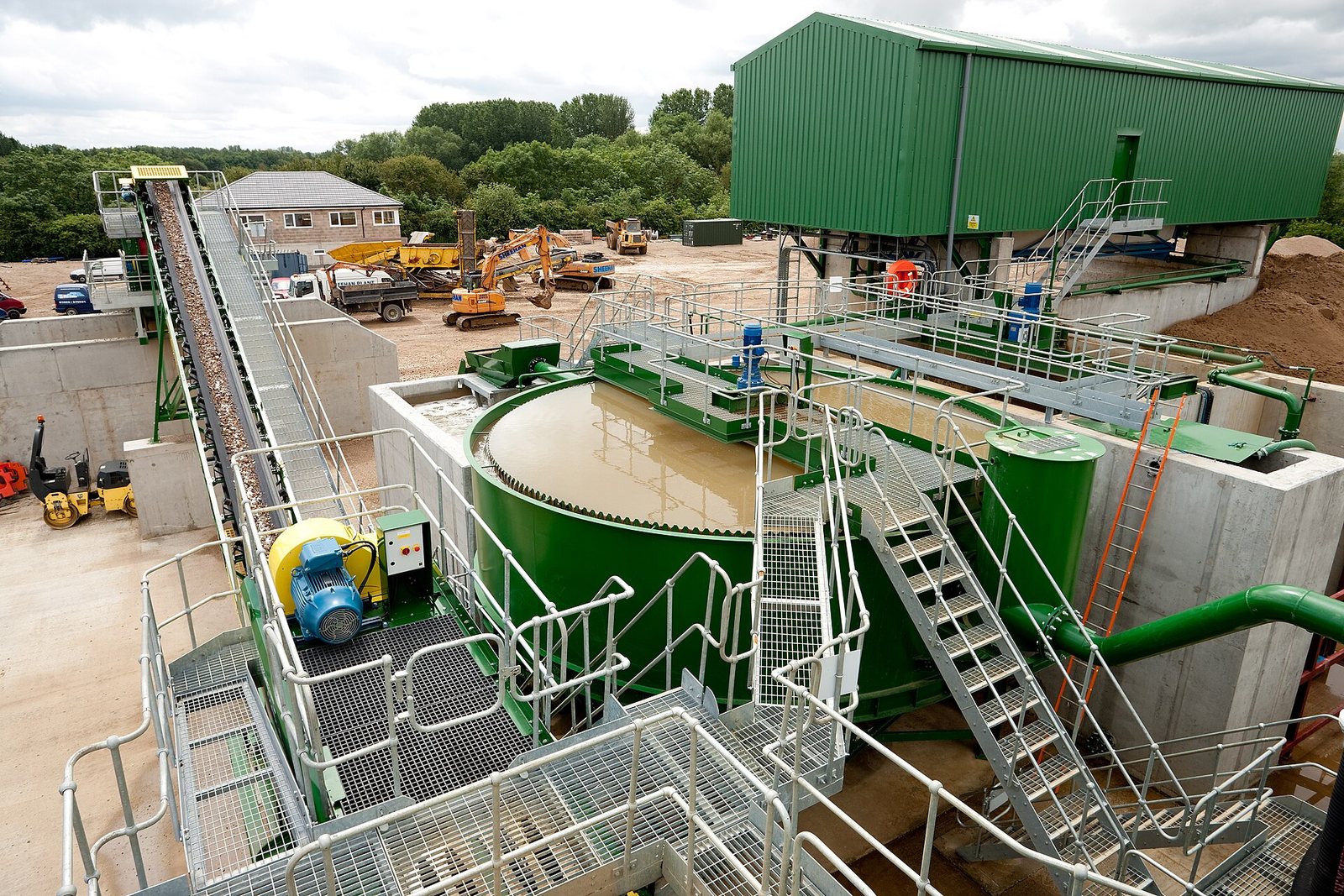
Precipitating a shippable intermediate

Nickel and cobalt are precipitated together as mixed hydroxide precipitate — MHP — a green-grey filter cake that is compact enough to ship economically.

12 tonnesmetal in solution 12 tonnesnickel and cobalt in MHP

Why here: MHP exists purely to solve a freight problem: you cannot ship a tank of pregnant leach solution across an ocean.
hours Cobalt →
Precipitating a shippable intermediate
Aquacycle thickener and GHT filter pres… · CC BY 2.0 via Wikimedia Commons
04 Transport 12tonnes

China · Chinese refineries held by Refiners (Refiner)

To a refinery

MHP is containerised and shipped to be redissolved and separated into individual metal salts.

12 tonnesmetal in MHP 12 tonnesdelivered

Why here: Sulfate refining and cathode precursor manufacture are co-located; the intermediate goes to where both already exist.
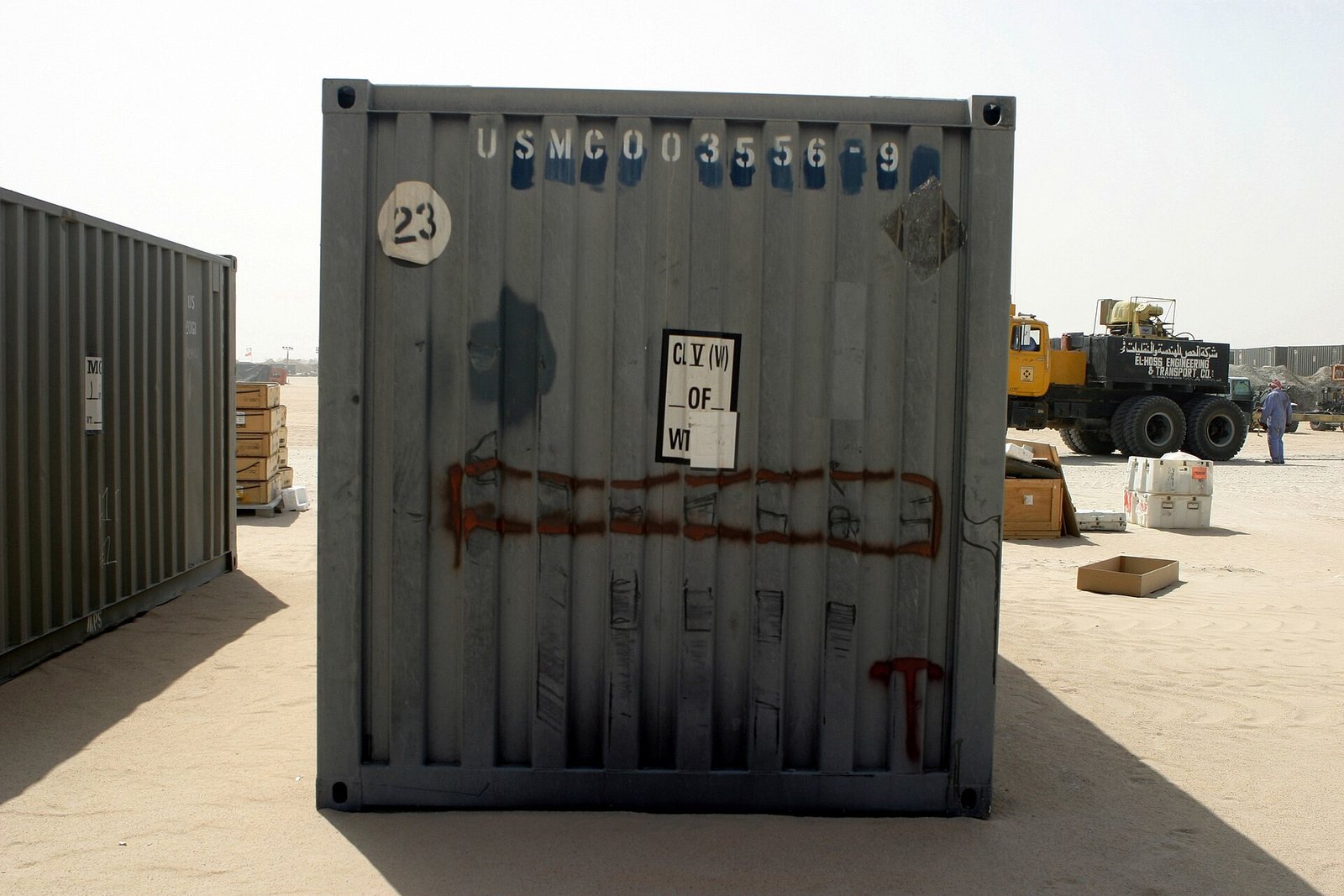
Container ship ~1 week Huayou Cobalt Refineries →
To a refinery
A Container assigned to the US Marine C… · Public domain via Wikimedia Commons
05 Component 11tonnes

China · Precursor and cathode plants held by Chemical and cathode makers (Manufacturer)

Sulfate, precursor, cathode

Redissolved and crystallised into nickel sulfate and cobalt sulfate, co-precipitated with manganese into a mixed hydroxide precursor, then lithiated and calcined into cathode powder.

12 tonnesnickel and cobalt 11 tonnesnickel in cathode material

Why here: Precursor chemistry is the least visible and most concentrated step in the entire battery chain.
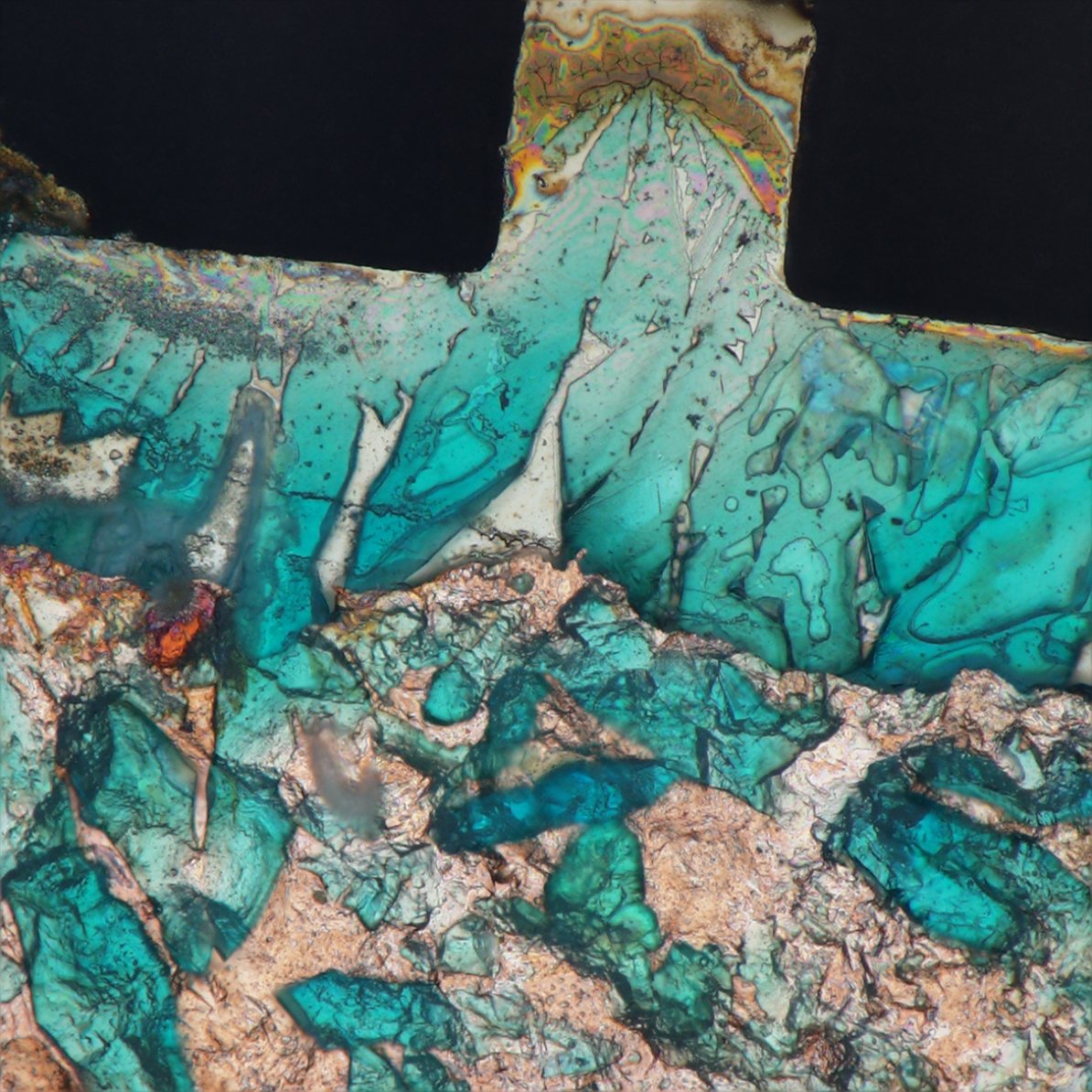
Sulfate, precursor, cathode
Crystals of nickel sulfate on copper · CC BY-SA 4.0 via Wikimedia Commons
06 End market 11tonnes

China · Cell and vehicle plants held by Battery and vehicle manufacturers (Manufacturer)

Roughly 220 electric cars

At around 50 kg of nickel per high-nickel pack, 11 tonnes of contained nickel is on the order of two hundred cars.

11 tonnesnickel in cathode 11 tonnesin service

Why here: From a hillside in Sulawesi to a car park, in about five months.
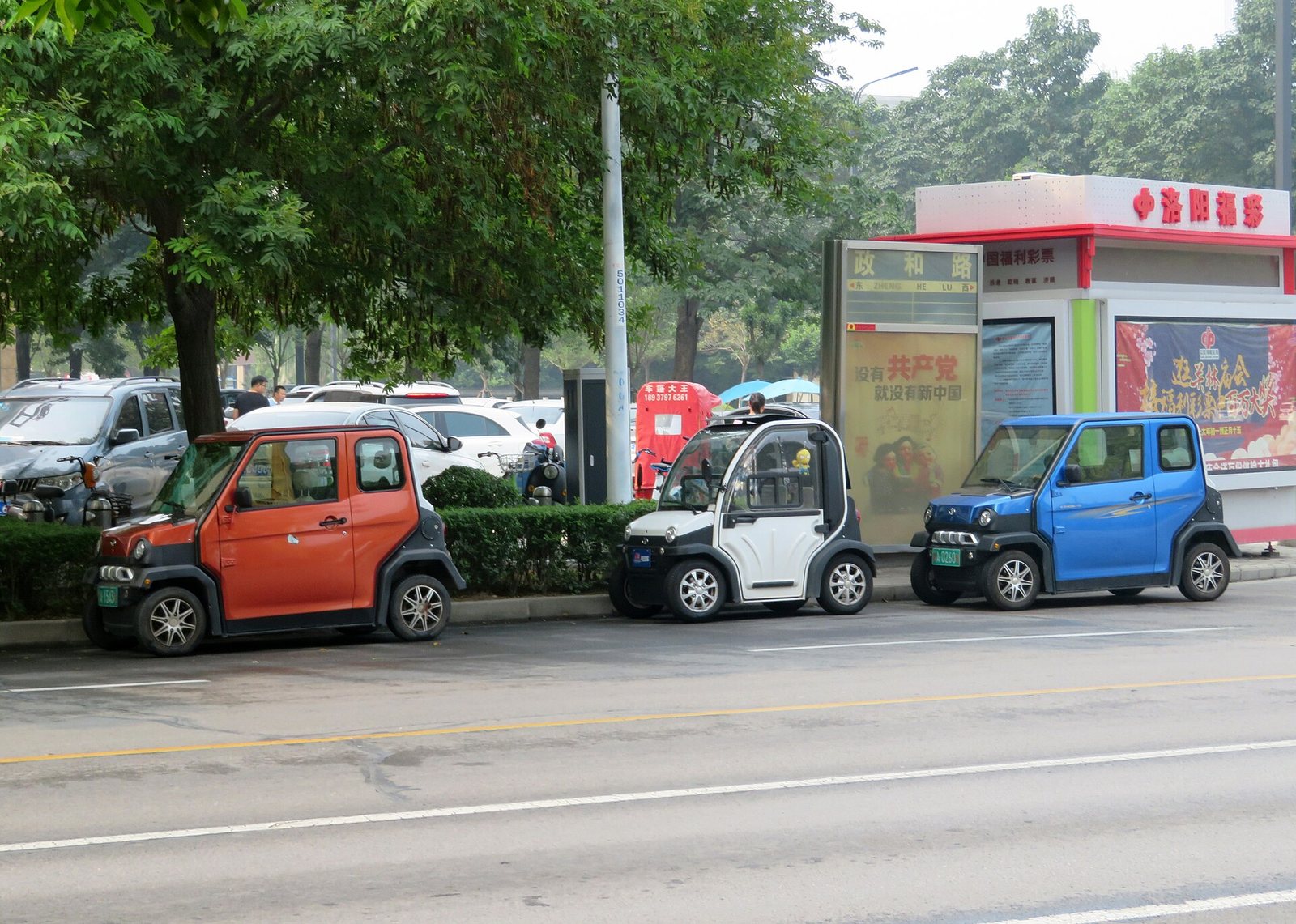
Roughly 220 electric cars
Dayang low-speed electric vehicles line… · CC BY-SA 4.0 via Wikimedia Commons

This is a worked example. It follows a stated starting quantity through published typical yields and recoveries, so the proportions are checkable; it is not a record of a specific shipment. Route facts — which countries, which processes, and why the material cannot simply be handled somewhere else — are compiled from public reporting.

Materials

All materials Critical minerals Rare earths Battery materials Ore minerals Periodic table Screener

The ground

Mines & deposits Processing & refining Countries Maps

The economy

Custody journeys Supply chains End markets Technologies Companies Material calculator

Learn

LearnGlossary Ask the DataAI agents Research & dataOpen API News★ Saved

About us

About usContact MethodologyData sources Editorial policy Privacy policyTerms of use Disclaimer