Rock to product, traced
The Materials Atlas
Materials Mines & deposits Processing & refining Custody journeys Supply chains Companies Countries News
Materials by shelf Battery Materials Rare Earth Elements Copper & Electrical Semiconductor Materials Nuclear Materials Aerospace & Defence Precious Metals Steel & Alloy Metals Industrial Minerals Agricultural Minerals Energy Raw Materials Ore minerals Periodic table
Demand End markets Technologies Material calculator Maps Screener
Learn & tools LearnGlossary Ask the DataAI agents Research & dataAPI ★ Saved
About About usMethodology Data sourcesContact Disclaimer
Reading options
🧭 Guided View New to this — ore grades, concentrate, refining, by-products? We explain every term as you browse, in plain English. Same data, with the help built in.
⚡ Expert View You already know the industry. Just the data — clean, fast and compact, with no extra explanations. This is the default view.
Theme
Interface language
Depth Material pages are written at four levels. Pick one on any material page and it is remembered.
★ Saved Research & data

Custody journey · starts in Saudi Arabia

Saudi Arab Light to petrol, almost anywhere

The same commodity, a fraction of the effort — because of what the molecule is.

1,000 barrels of Arab Light crude
990 barrels equivalent of finished products
Saudi Arabia → South Korea Saudi Arabia — Out of the reservoir under its own pressure 1 Saudi Arabia South Korea — Any competent refinery will take it 2 South Korea
Numbered in the order the material travels. Click a country to open its page. Equirectangular projection drawn from country centroids — the arcs show which borders are crossed, not the actual sailing route.

What is actually moving

Arab Light flows on its own, boils into useful products without cracking, and can be run by an ordinary refinery on any continent. Put next to the Venezuelan route, it shows how much of a supply chain is decided by chemistry rather than by policy.

The material
Crude Oil
The variety
Light sour crude, roughly 33° API, moderate sulfur
Where it starts
Saudi Arabia — Ghawar and the eastern Saudi fields
Why this route and not another. At 33° API most of the barrel already boils into naphtha, kerosene and diesel. A simple hydroskimming refinery — distillation plus a hydrotreater — produces a saleable slate. That means almost any refinery in the world is a potential buyer, so the crude goes wherever the freight and the margin say.
The narrowest link. There is barely a chokepoint in the processing. The constraint is the sea route: a very large share of this crude leaves through one strait.
Read the two numbers on each step: what went in, and what came out. Watching them shrink is the point. By the end you will have followed a thousand tonnes of rock down to a few kilograms of the thing that actually does the work.

Step by step, and border by border

01 Extraction 1,000barrels

Saudi Arabia · Eastern Province held by Saudi Aramco (State producer)

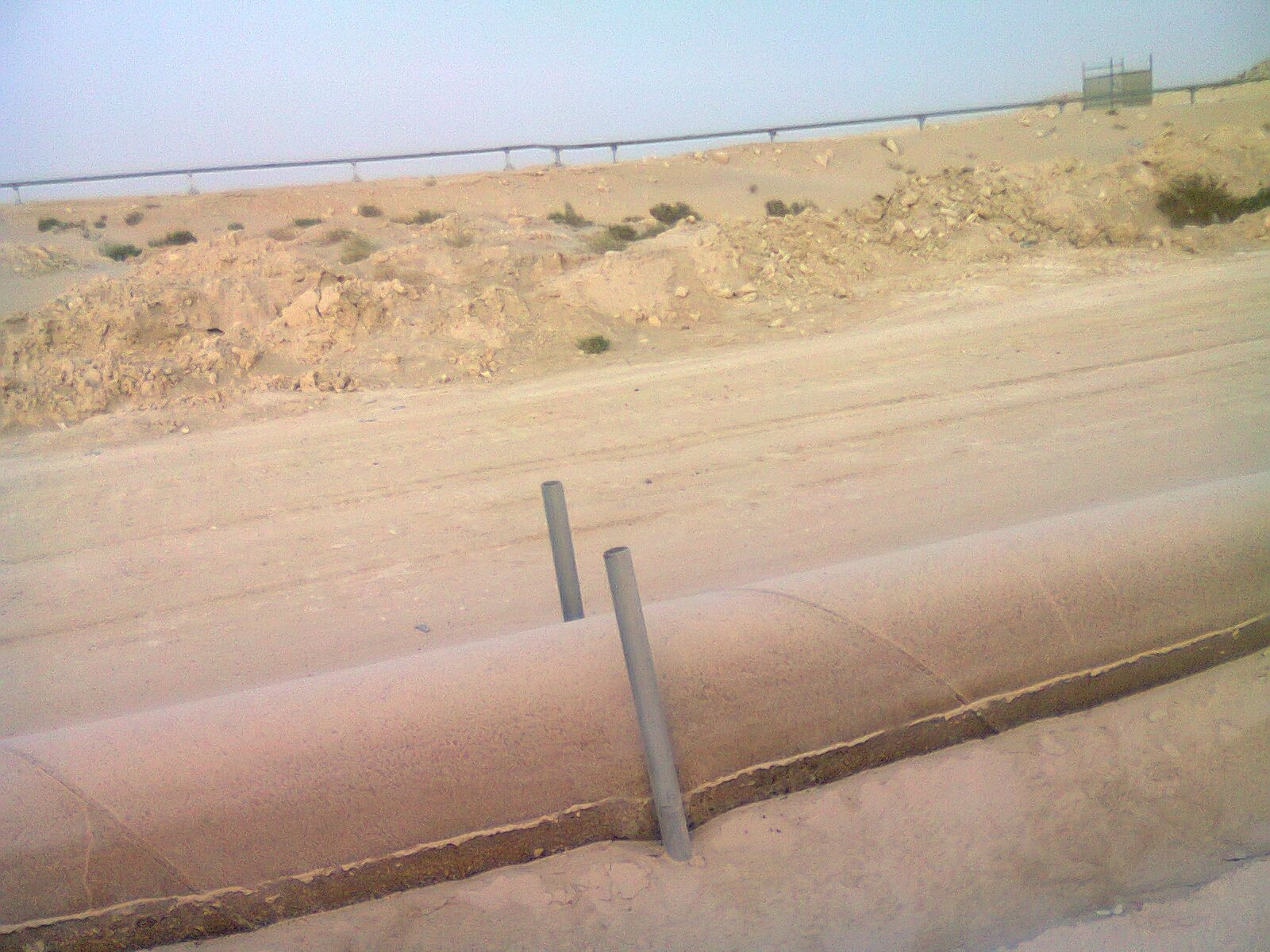
Out of the reservoir under its own pressure

Conventional wells, with water injected to maintain reservoir pressure. The crude flows without heating or dilution.

1,000 barrelscrude in place 1,000 barrelscrude at the wellhead

Why here: Same as anywhere: the oil is where the oil is.
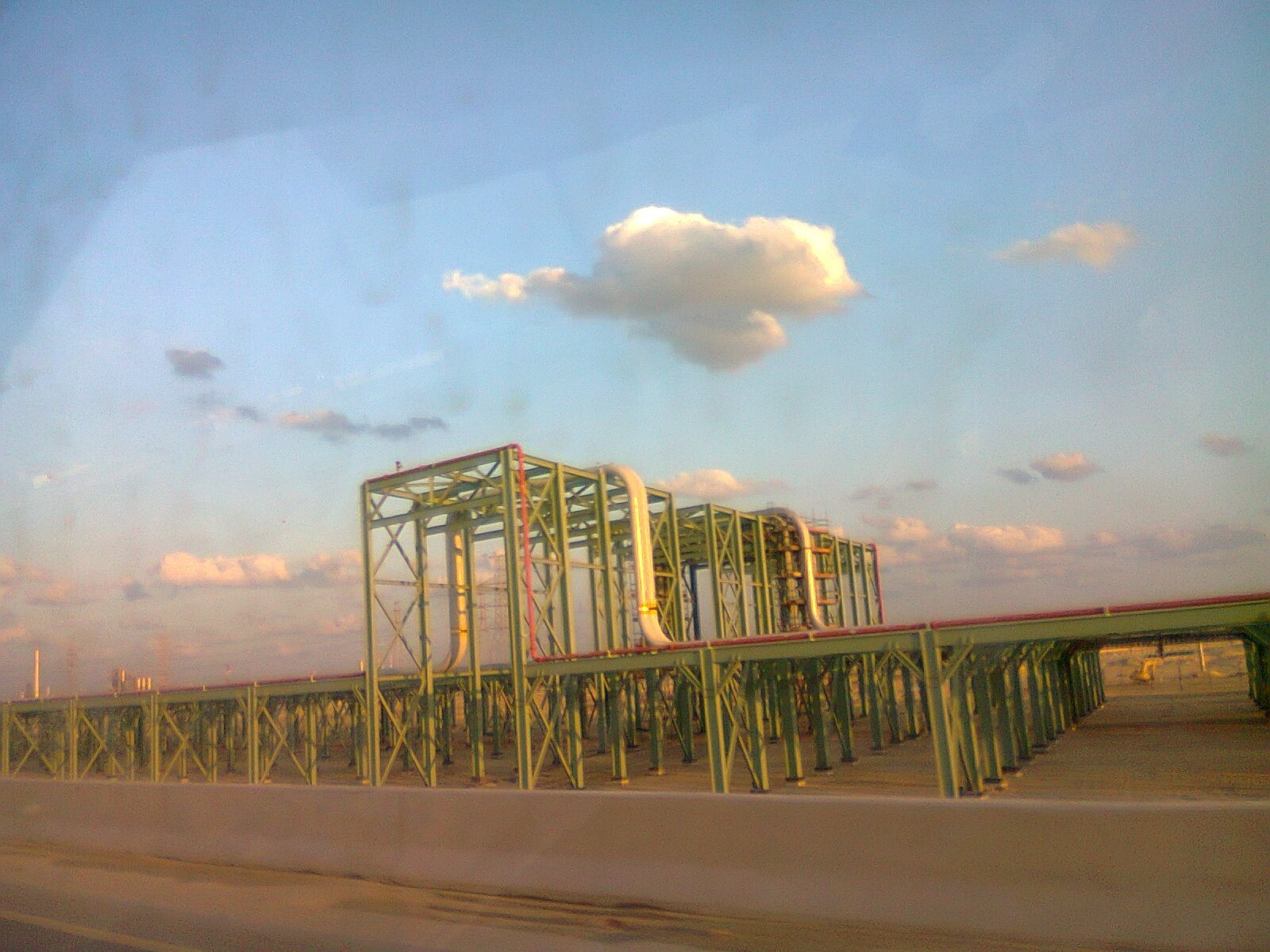
continuous Crude Oil →
Out of the reservoir under its own pressure
Oil pipe lines,deserts of saudi arabia … · CC BY 3.0 via Wikimedia Commons
02 Preparation 985barrels

Saudi Arabia · Abqaiq held by Saudi Aramco (State producer)

Stabilisation, and nothing else

Gas and hydrogen sulfide are separated out and the crude is stabilised for shipping. No diluent, no upgrader, no coker.

1,000 barrelswellhead crude 985 barrelsstabilised export crude

What happened to the rest: The associated gas is not waste — it feeds the petrochemical industry and the power that runs the whole operation.

Why here: Stabilisation always happens close to the field. That it is ALL that happens is the point of this journey.
Stabilisation, and nothing else
Ilanz - Military Air Separation Facilit… · CC BY 2.0 via Wikimedia Commons
03 Transport 985barrels

Saudi Arabia · Ras Tanura held by Shipowners and buyers (Trader)

Straight onto a VLCC

Loaded and sailed. Most cargoes are sold on term contracts to refiners who have taken the same grade for decades.

985 barrelsexport crude 985 barrelscargo afloat

Why here: Ras Tanura is the outlet. The vulnerability of this journey is not the refinery — it is the 40 km-wide strait the tanker sails through.
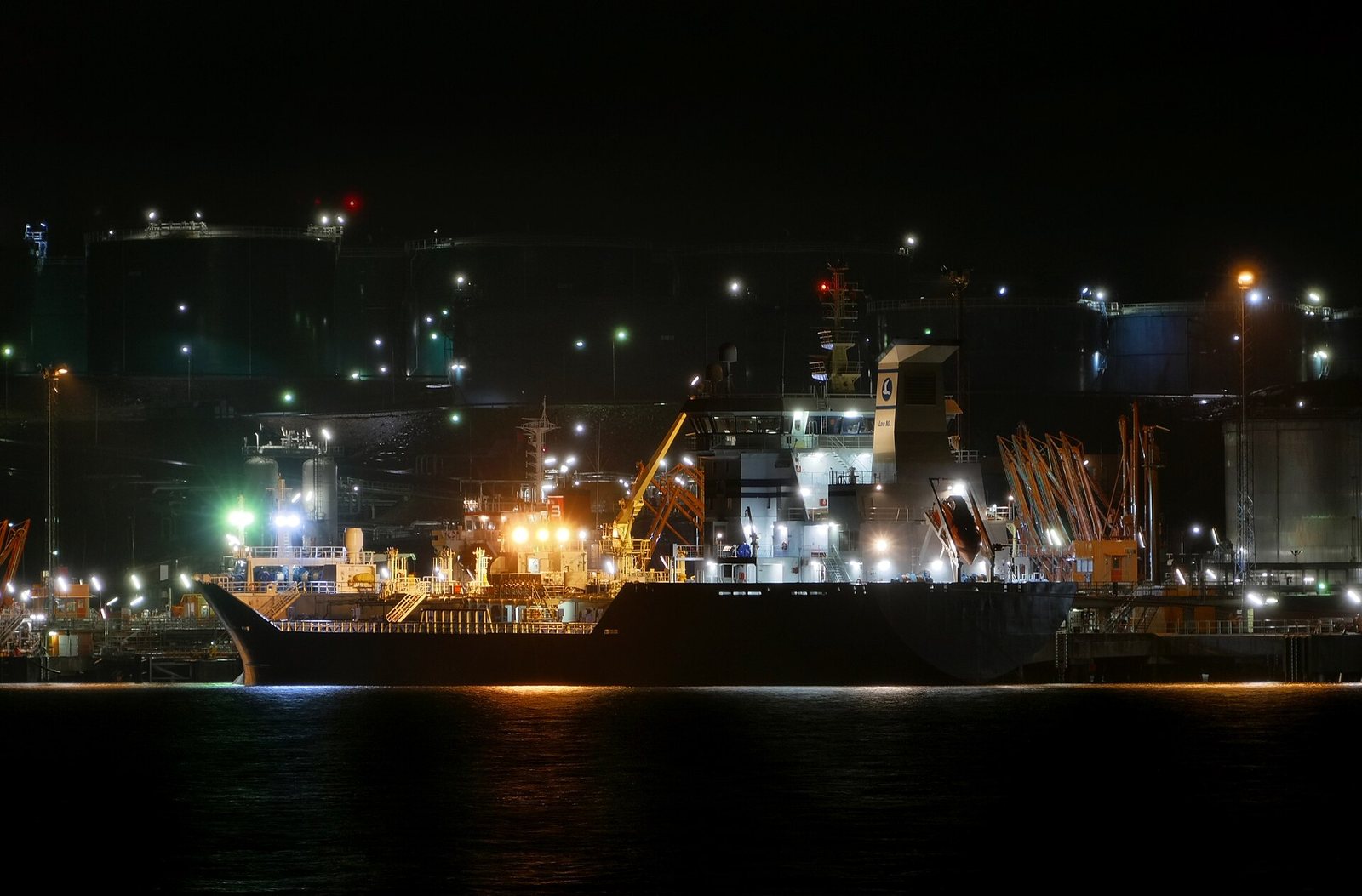
VLCC · Through the Strait of Hormuz, then to Asia, Europe or North America 10–25 days Saudi Arabia →
Straight onto a VLCC
Product terminal at Preemraff Lysekil w… · CC BY-SA 4.0 via Wikimedia Commons
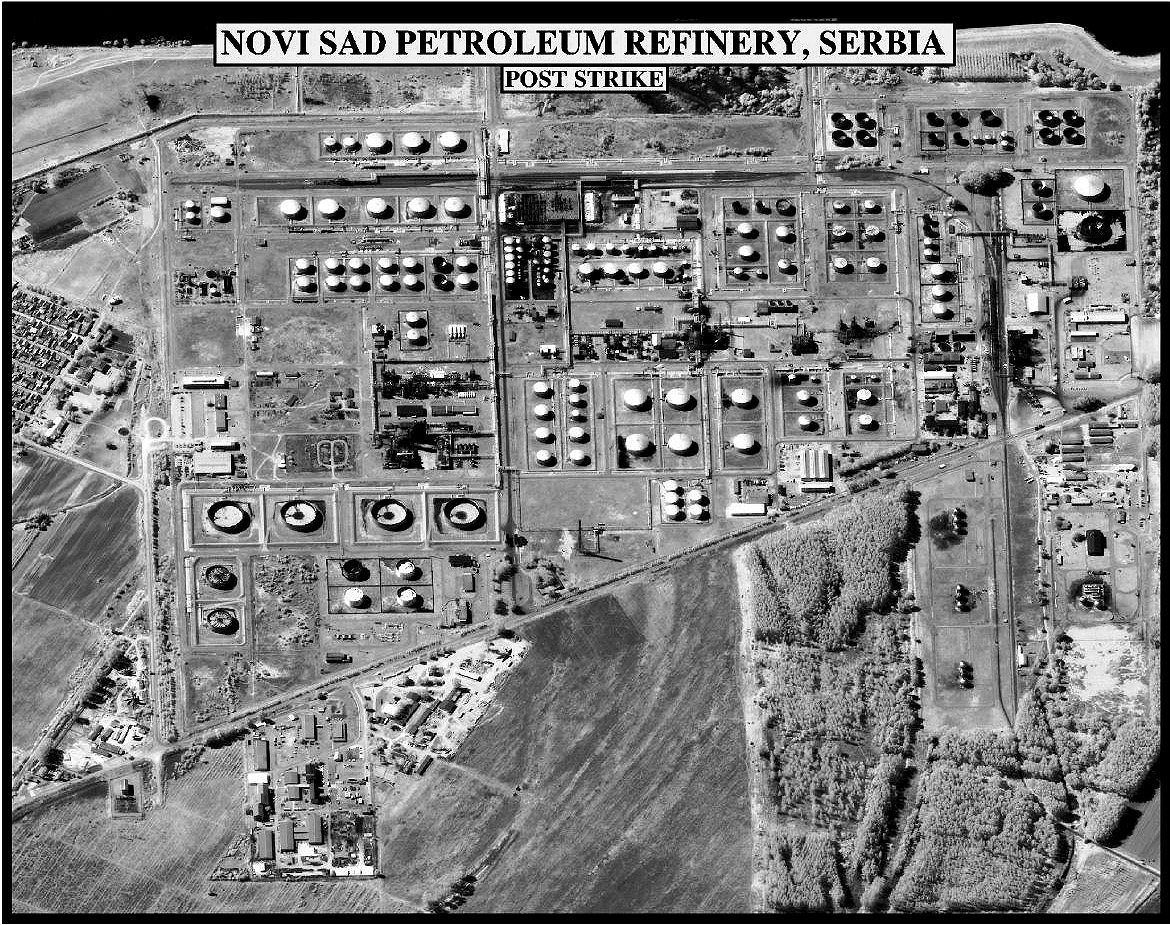
04 Refining 990barrels equivalent

South Korea · Ulsan, Rotterdam, Houston — the buyer's choice held by Refiner (Refiner)

Any competent refinery will take it

Atmospheric distillation splits the barrel; a hydrotreater removes sulfur; a reformer raises the octane of the naphtha. No deep conversion is required.

985 barrelscrude 990 barrels equivalentfinished products

What happened to the rest: Volume comes out slightly HIGHER than it went in — cracking and reforming produce lighter, less dense molecules. Refiners call it processing gain.

Why here: Nowhere in particular, and that is the whole lesson: because the crude is easy, the buyer can be anyone.
1–2 days Crude Oil →
The road not taken The same product from a much harder barrel Four steps and two countries here. Seven steps and four countries for the Venezuelan route.
Any competent refinery will take it
Novi Sad Petroleum Refinery Serbia 1999… · Public domain via Wikimedia Commons
05 End market 990barrels equivalent

South Korea · Refinery gate held by Fuel and petrochemical buyers (Manufacturer)

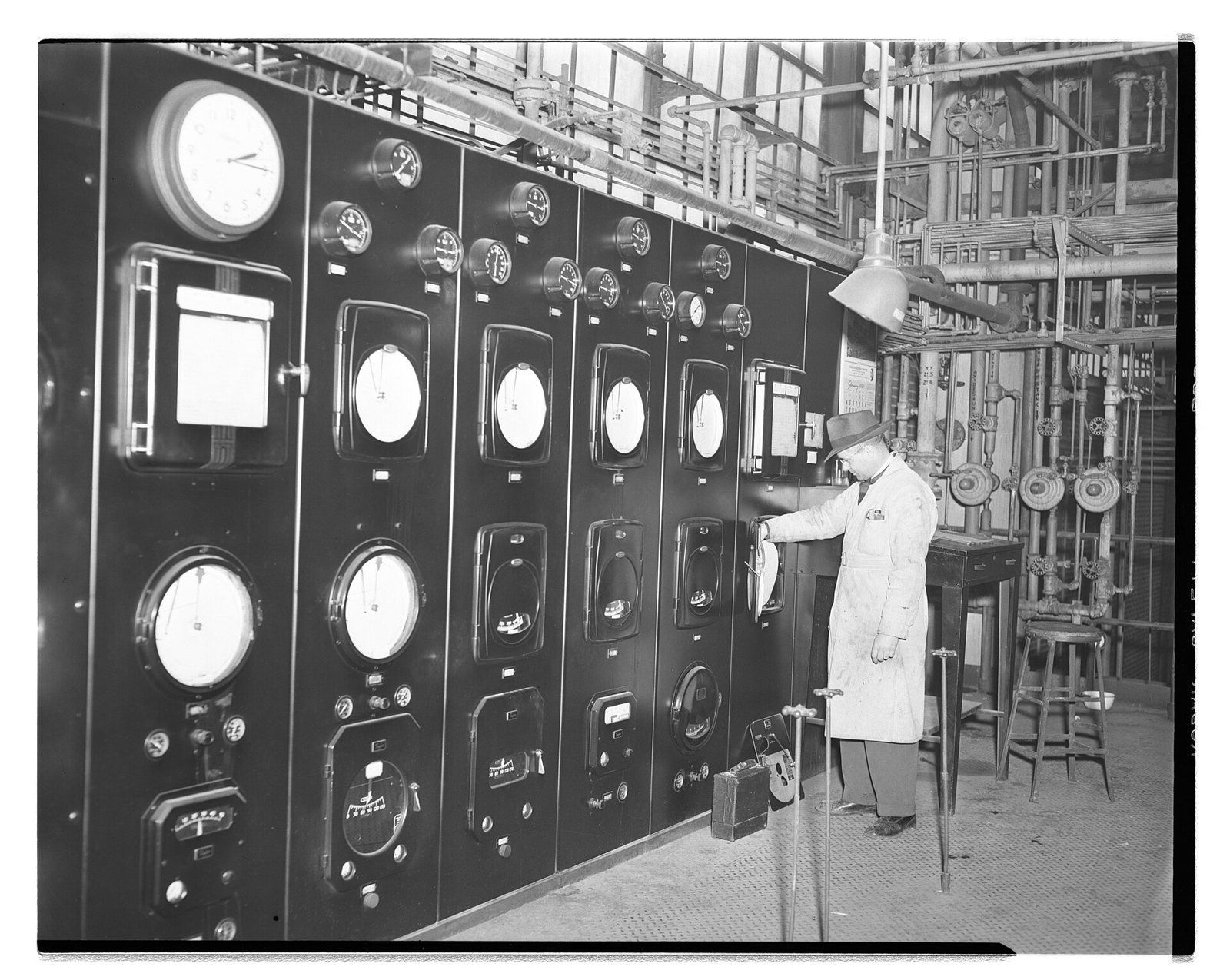
Fuel, and the feedstock for plastics

Petrol, diesel and jet fuel, plus naphtha that goes to a steam cracker to become ethylene and the plastics that follow from it.

985 barrelscrude 990 barrels equivalentfuels and petrochemical feedstock

Why here: Refineries are built next to the demand, or next to a port that reaches it.
Fuel, and the feedstock for plastics
Norris Hunemorden servicing control pan… · Public domain via Wikimedia Commons

This is a worked example. It follows a stated starting quantity through published typical yields and recoveries, so the proportions are checkable; it is not a record of a specific shipment. Route facts — which countries, which processes, and why the material cannot simply be handled somewhere else — are compiled from public reporting.

Materials

All materials Critical minerals Rare earths Battery materials Ore minerals Periodic table Screener

The ground

Mines & deposits Processing & refining Countries Maps

The economy

Custody journeys Supply chains End markets Technologies Companies Material calculator

Learn

LearnGlossary Ask the DataAI agents Research & dataOpen API News★ Saved

About us

About usContact MethodologyData sources Editorial policy Privacy policyTerms of use Disclaimer