The short version
Lithium reaches a car by two completely different routes that converge at the chemical plant. Brine is pumped and evaporated for a year; hard rock is blasted, crushed and floated into concentrate. Both become carbonate or hydroxide, then cathode powder, then a cell, then a pack.
Stage by stage
Salar brine or LCT pegmatite
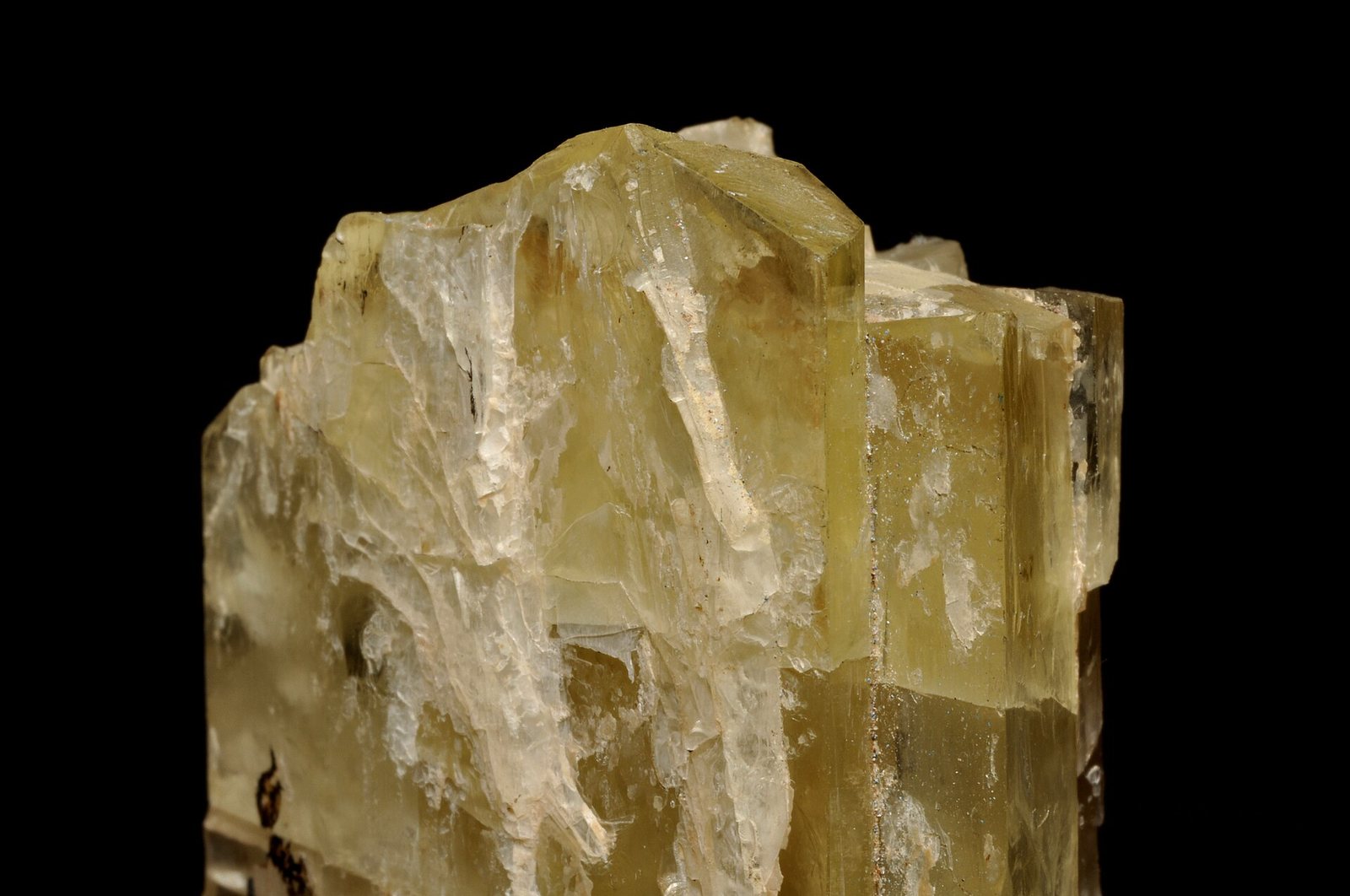
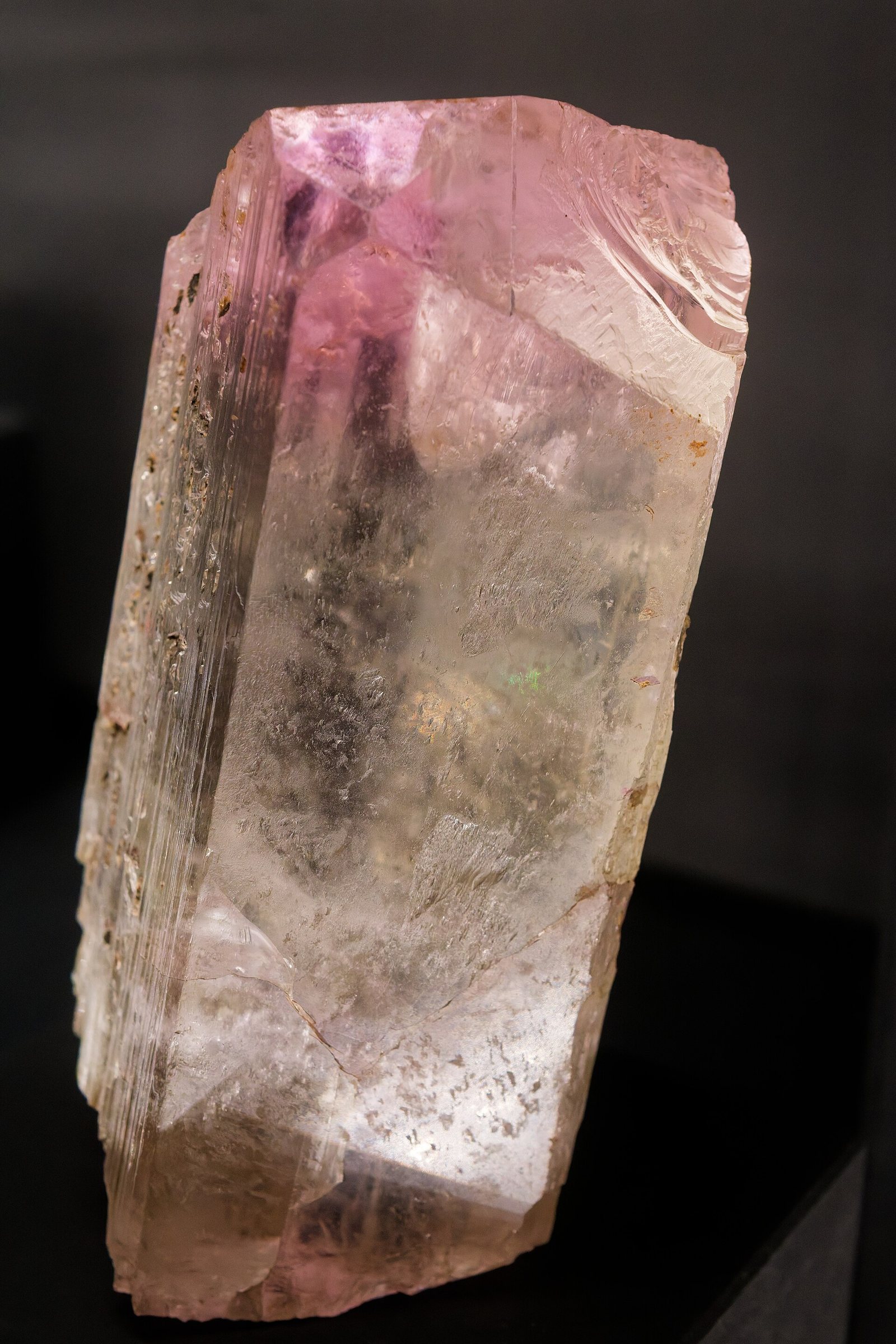
Lithium is concentrated either in ancient closed-basin brines beneath salt flats or in coarse granitic pegmatites where it sits in spodumene crystals.
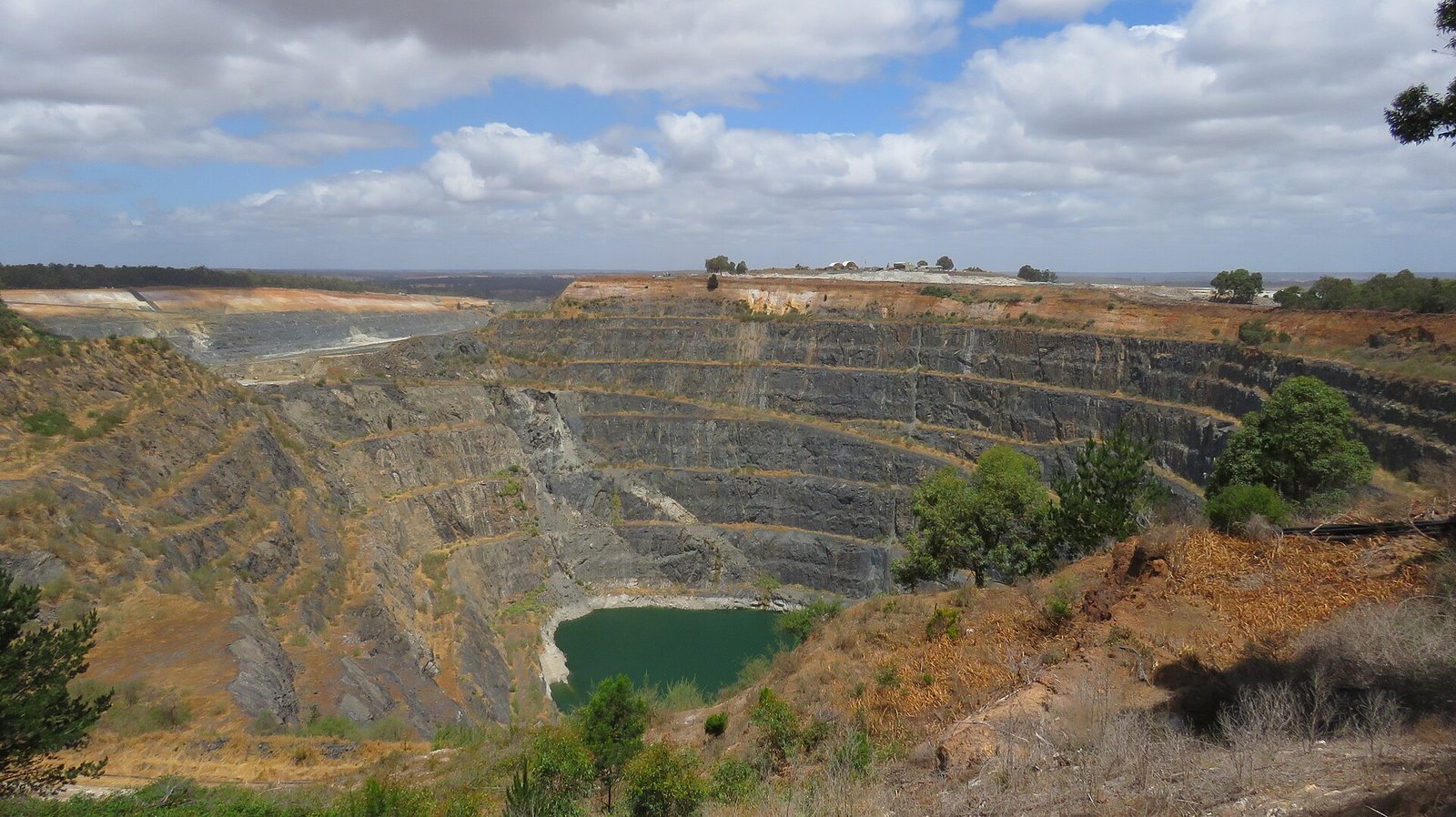
Greenbushes or Salar de Atacama
Hard rock is drilled, blasted and floated to a 6% Li2O concentrate. Brine is pumped into evaporation ponds and left to the sun for 12-24 months.
Note: Roughly 250 tonnes of hard-rock ore, or millions of litres of brine, per tonne of lithium metal equivalent.
Concentrate or concentrated brine
Spodumene is roasted at 1,000 C to change its crystal structure before acid can attack it. Brine is purified of magnesium and boron.
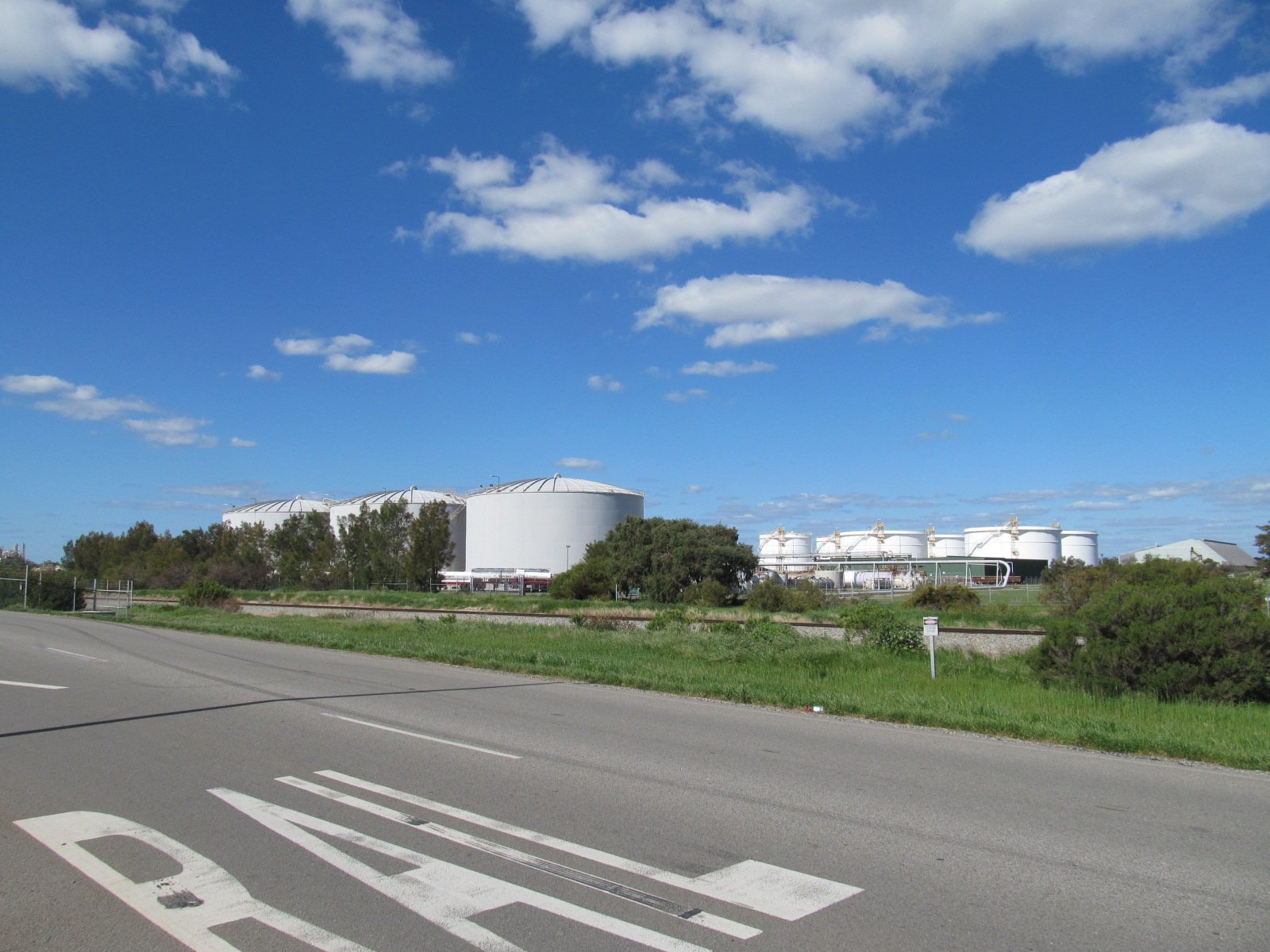
Lithium carbonate or hydroxide
Conversion to battery grade — 99.5% purity with tight limits on sodium, magnesium and iron.
Note: Hydroxide is preferred for high-nickel cathodes; carbonate for LFP.
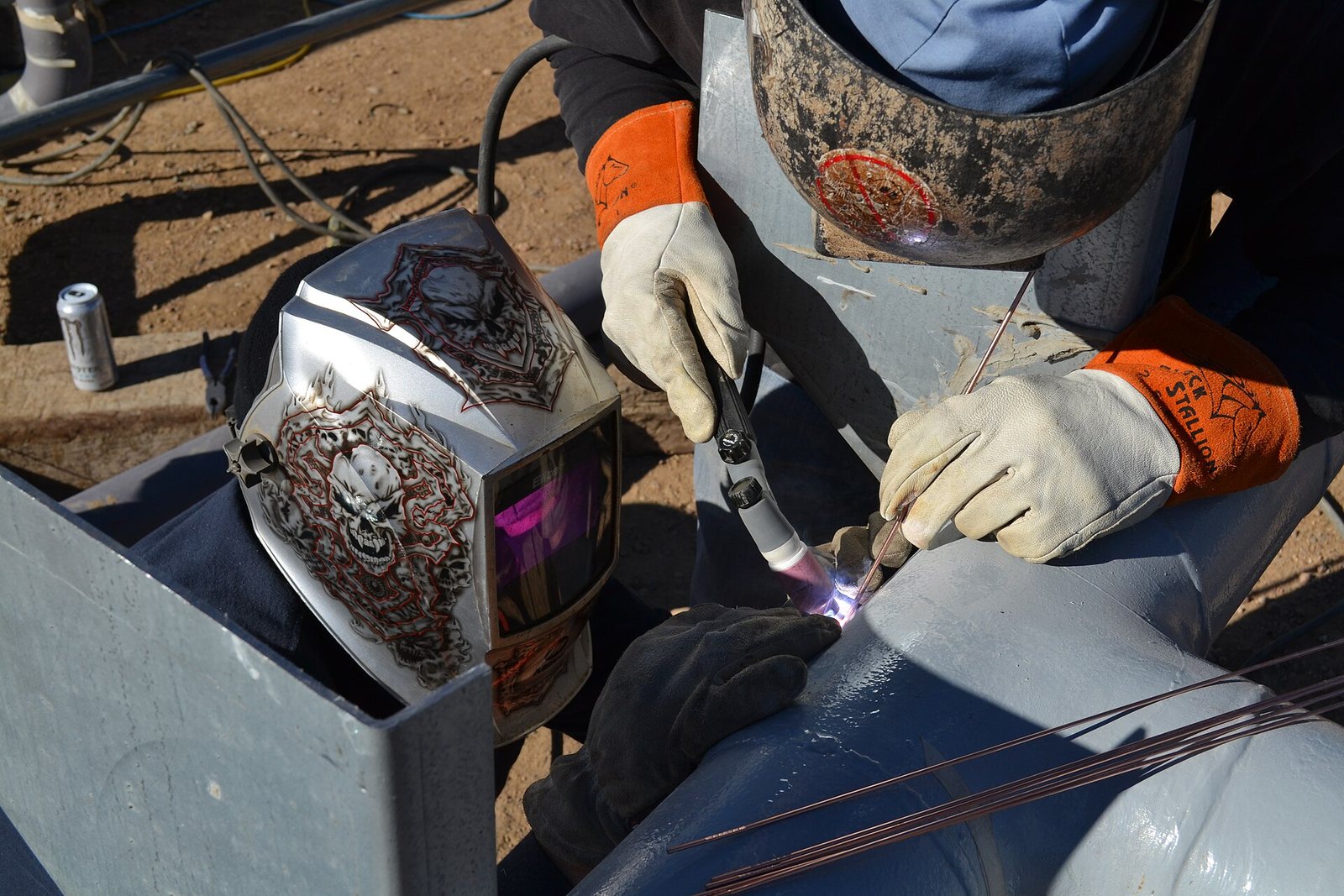
Cathode active material
Lithium is combined with nickel-manganese-cobalt or with iron phosphate and calcined into a powder.
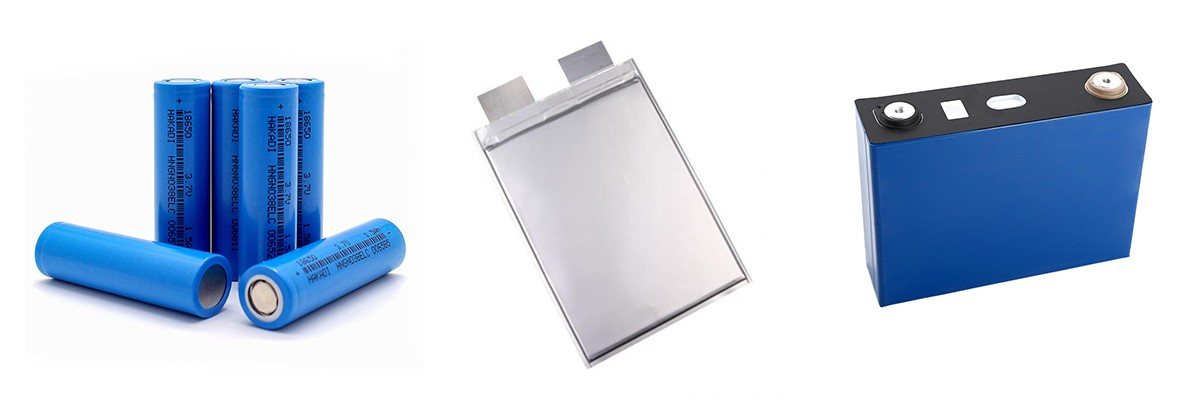
Cell and pack
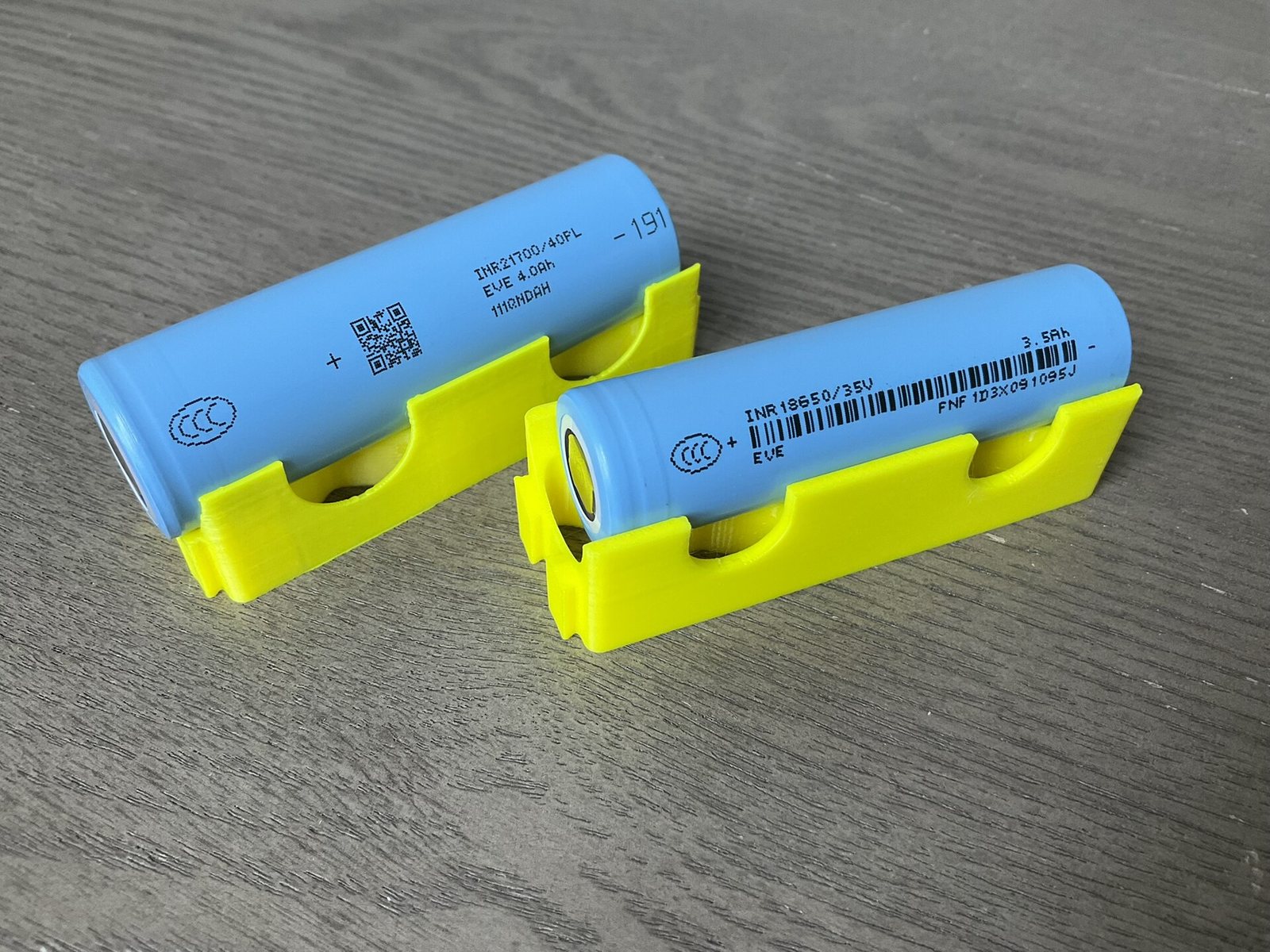
Cathode and graphite anode are coated onto foil, wound or stacked, filled with electrolyte and sealed.