The short version
This is the most concentrated supply chain covered here. Mining is spread across several countries; separation, metal-making and magnet manufacture are not. Every stage after the mine is a chemistry problem that few places have solved at scale.
Stage by stage
Carbonatite or ion-adsorption clay
Light rare earths concentrate in carbonate-rich magmas; heavy rare earths concentrate in tropically weathered granite where they cling to clay.
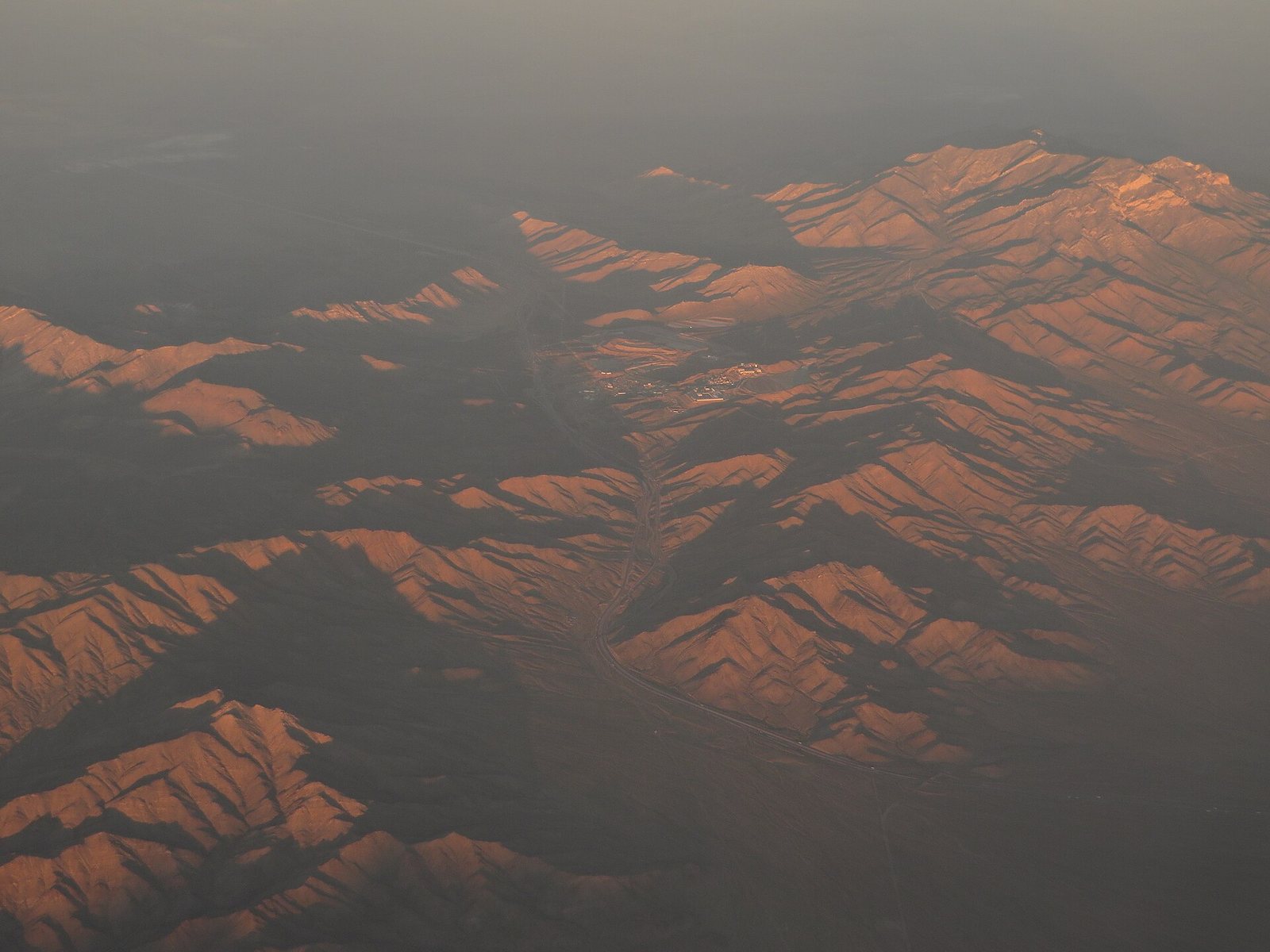
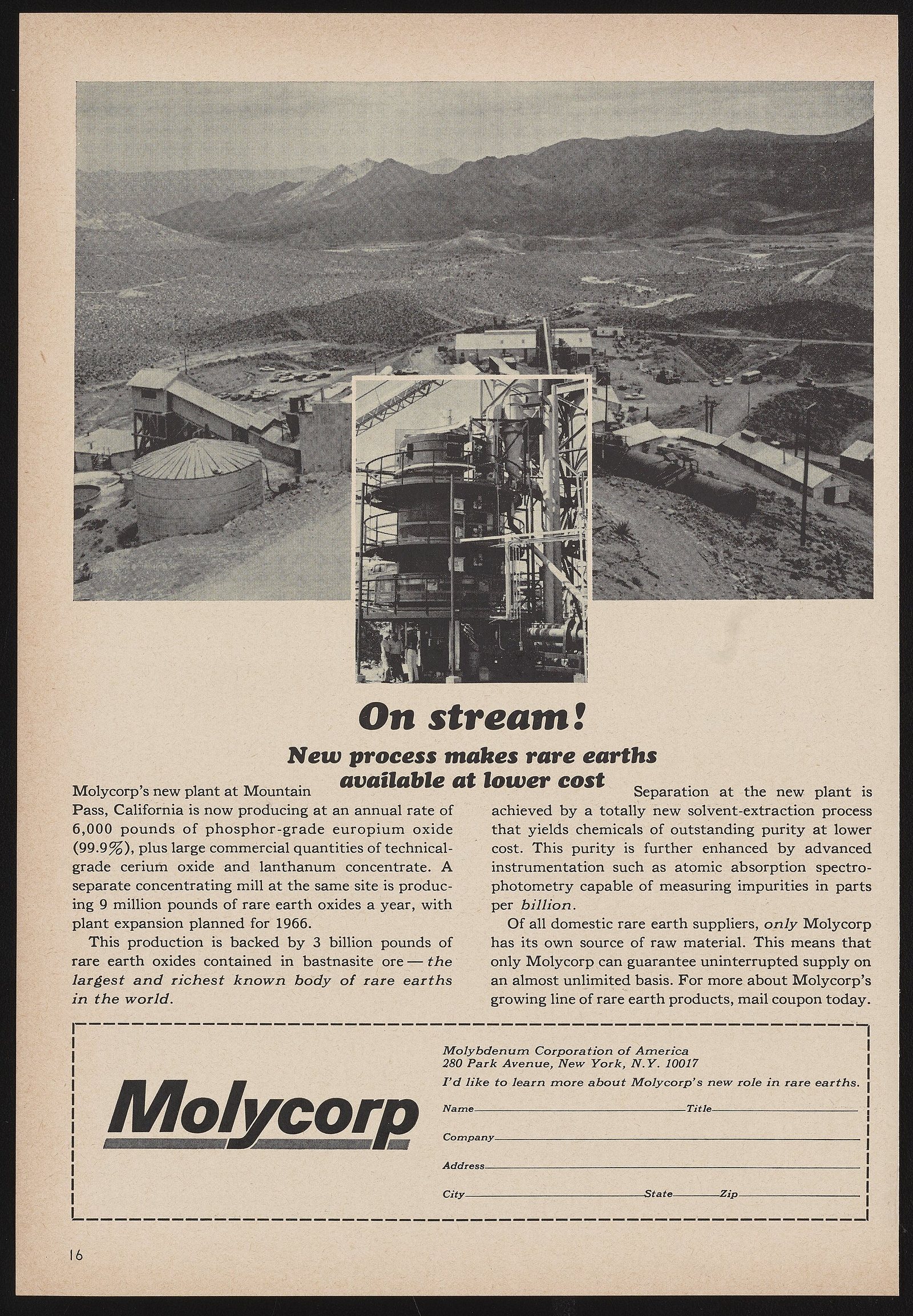
Mount Weld, Mountain Pass or the southern China clays
Carbonatite ore is mined and floated. Clay is leached in place with a salt solution.
Note: Ore grades vary from several percent REO in carbonatite to under 0.1% in clay.
Cracking and leaching
Concentrate is roasted with sulfuric acid or attacked with caustic soda to break the mineral apart. Thorium and uranium must be separated and managed here.
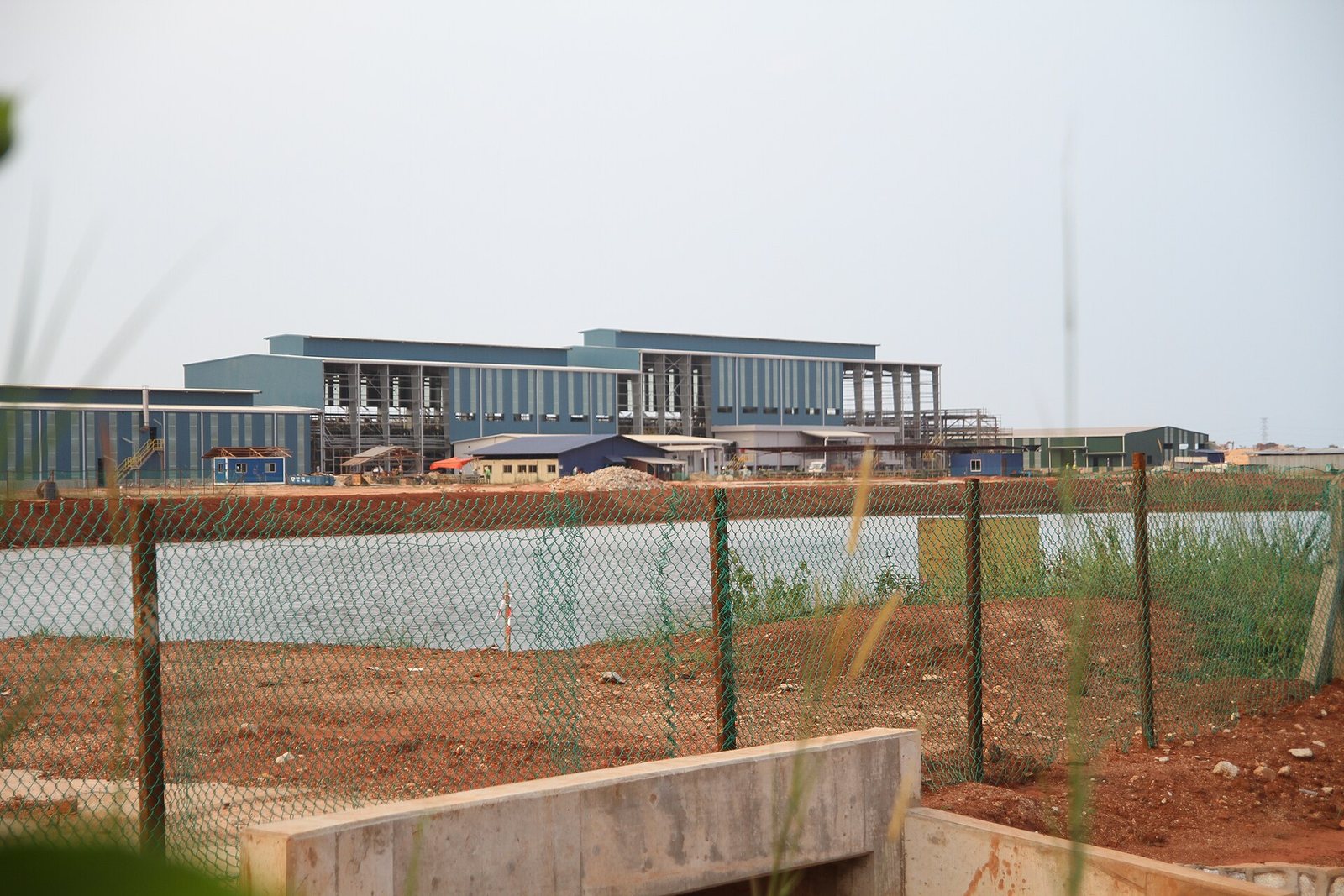
Solvent-extraction separation
The seventeen elements are separated from each other through hundreds of mixer-settler stages, exploiting differences in ionic radius so small they are almost invisible.
Note: This is the hardest step and the one with the fewest operators worldwide.
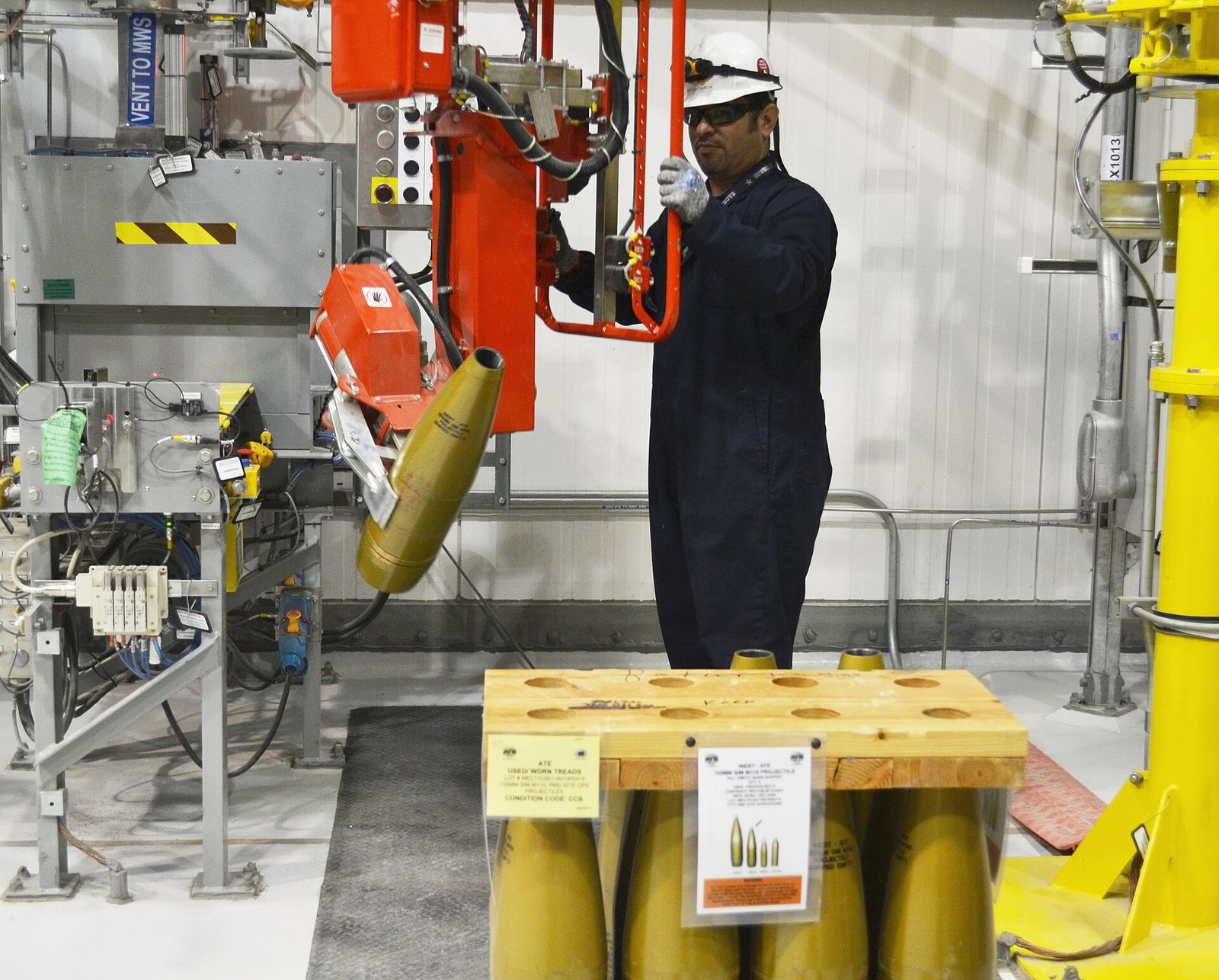
Metal and alloy
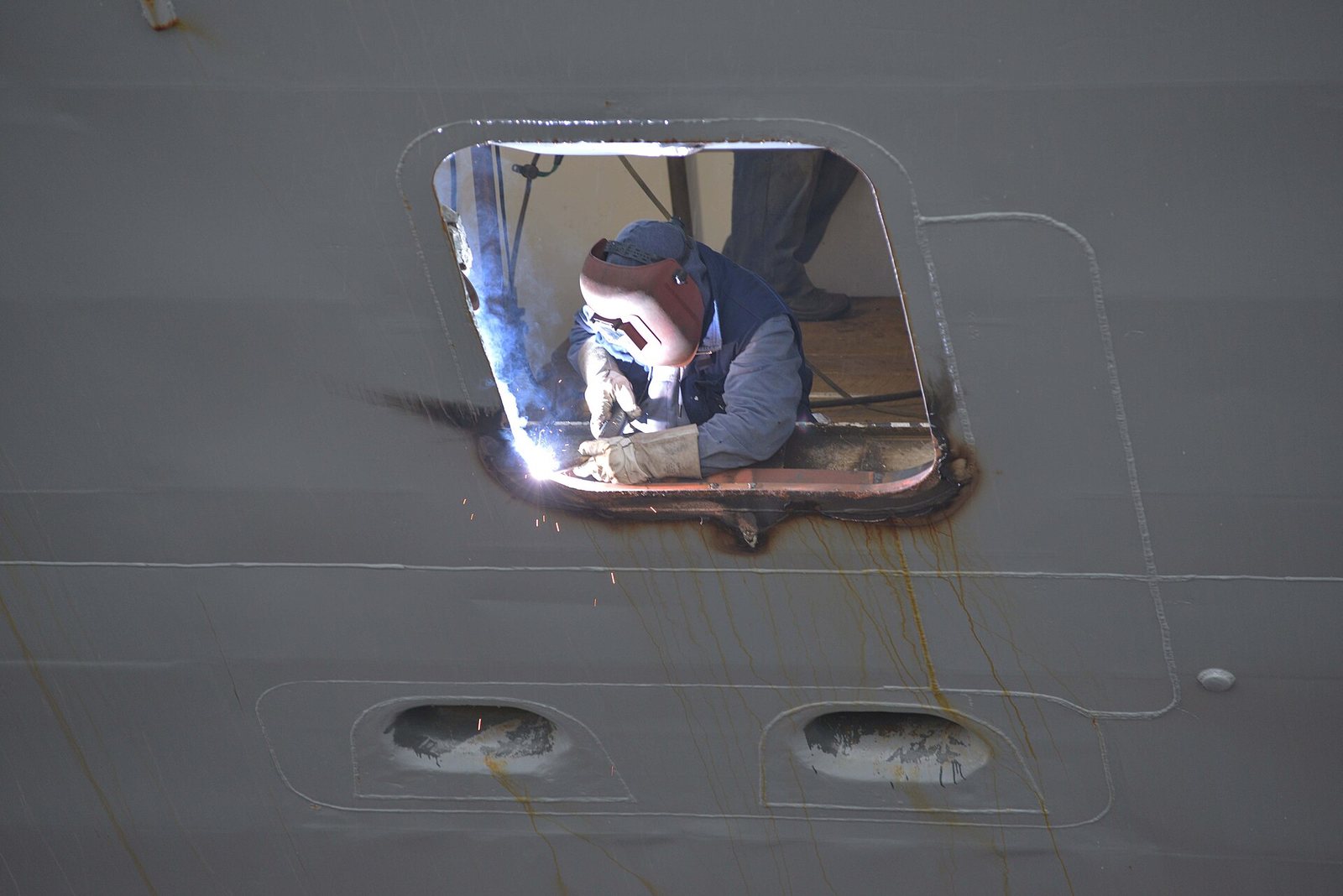
Oxides are reduced to metal by molten-salt electrolysis, then strip-cast with iron and boron into an NdFeB alloy.
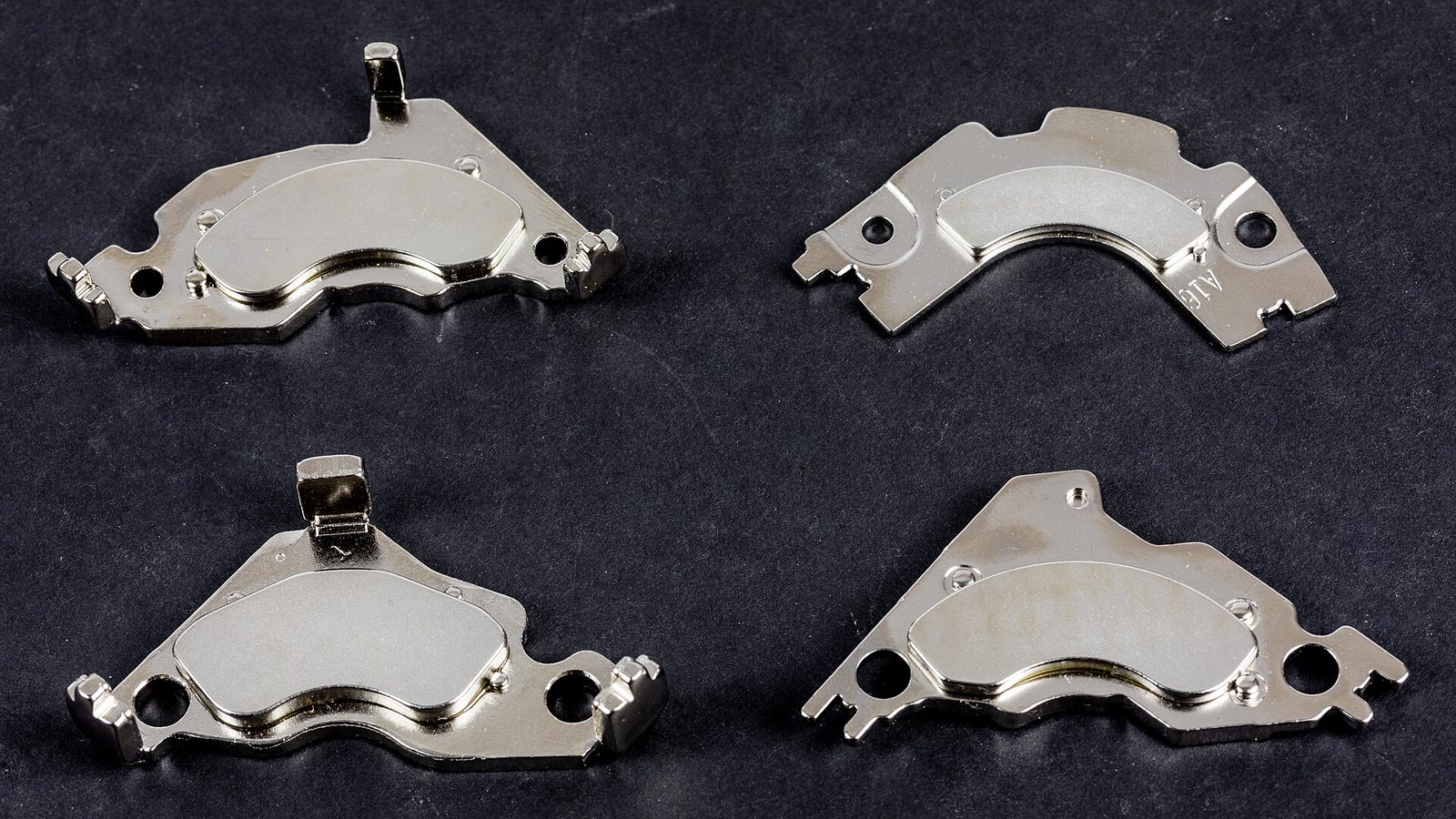
Sintered magnet
The alloy is hydrogen-decrepitated, jet-milled, pressed in a magnetic field, sintered, machined and coated.
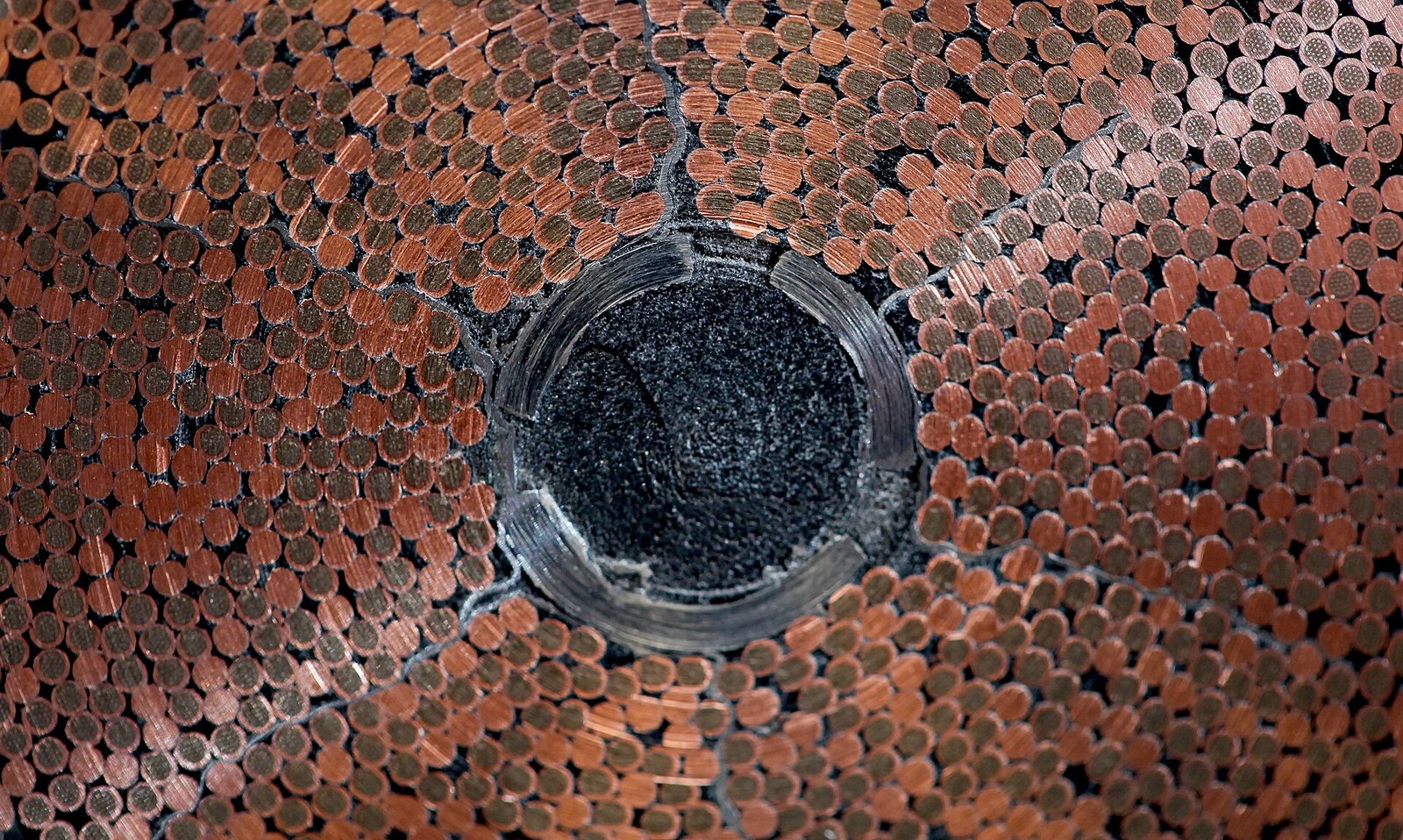
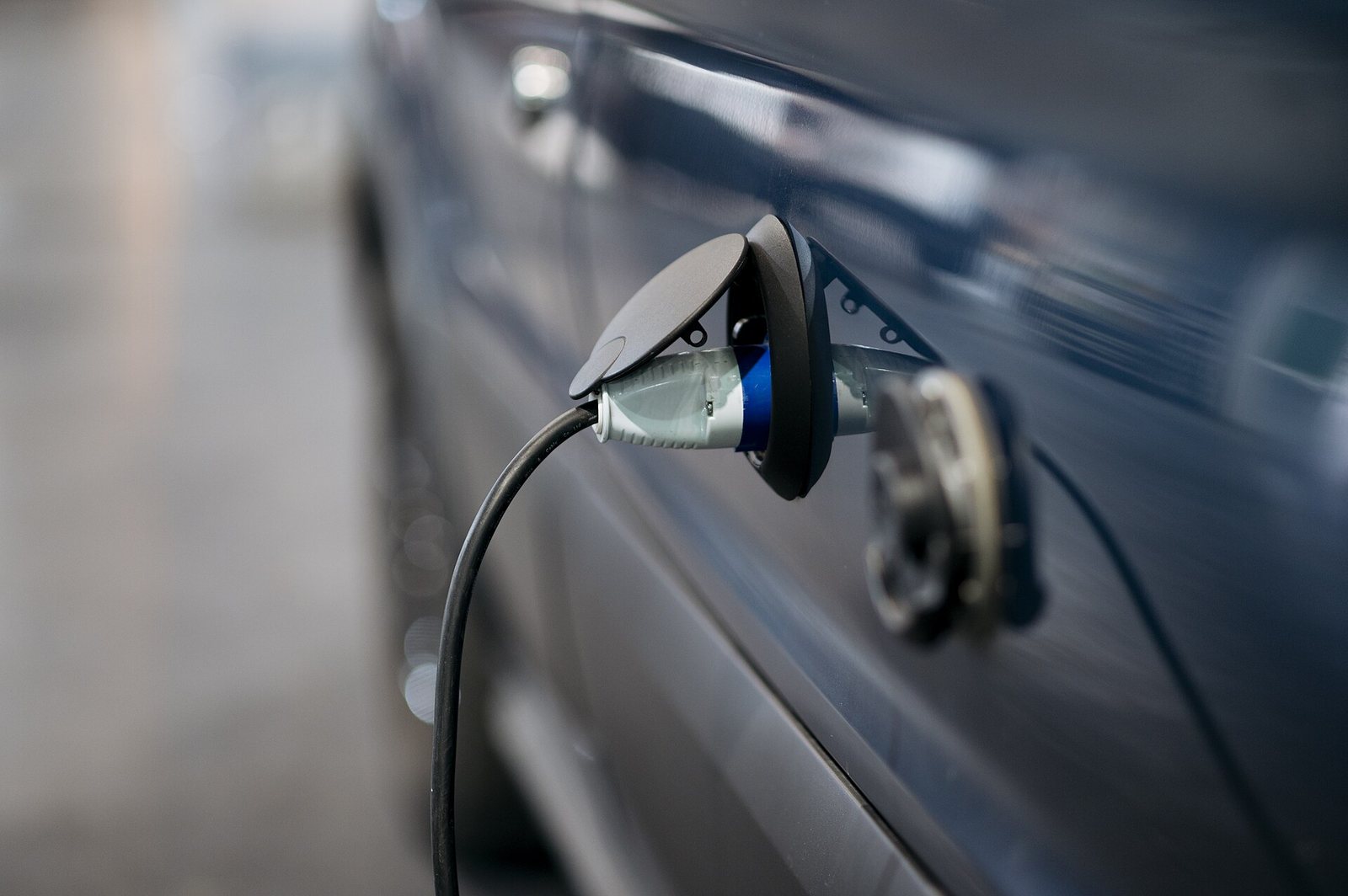
Traction motor, turbine, robot
A car motor holds under a kilogram; an offshore turbine holds hundreds.