Ce que c'est
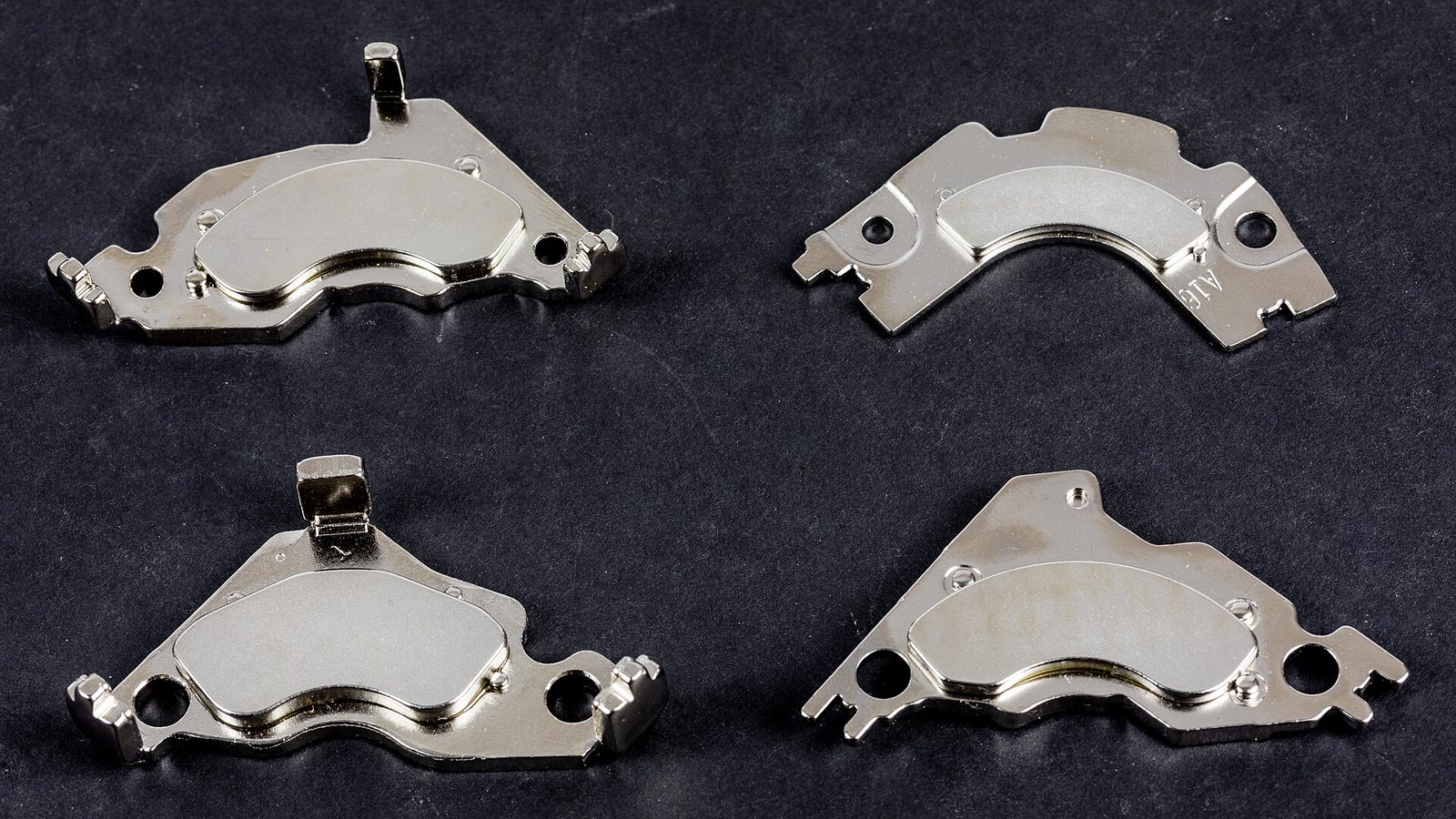
Roughly 30% of a sintered NdFeB magnet's mass is rare earth. That single ratio is what connects a Chinese clay hill to a German traction motor.
Le bilan matière
Changer d'échelle →Les quantités sont per kg of finished magnetfourchette indicative
| Matériau | Faible | Élevé | Unité | Base |
|---|---|---|---|---|
| Iron Ore | 0.6 | 0.7 | kg | Iron balance of the alloy |
| Neodymium critique Often supplied as mixed NdPr. | 0.2 | 0.3 | kg | Rare-earth content of the alloy |
| Praseodymium critique | 0.04 | 0.08 | kg | Part of the NdPr fraction |
| Dysprosium critique Grain-boundary diffusion cuts this sharply. | trace | 0.06 | kg | Added for heat resistance |
| Terbium critique | trace | 0.02 | kg | Added for the hottest grades |
| Boron critique | 0.008 | 0.012 | kg | About 1% by weight |
Indicative range compiled from published technology studies and chemistry; verify against a manufacturer specification before use. Les lignes marquées « trace » contiennent la matière en quantités trop faibles pour être exprimées utilement en masse — la contrainte est alors la pureté ou le nombre de fournisseurs, non le tonnage.
Les alternatives
La substitution est la force la plus sous-estimée dans le domaine des matériaux. Lorsqu'un métal devient coûteux ou politiquement difficile, les ingénieurs le contournent dans leurs conceptions — et la demande pour toute une mine peut s'évaporer.