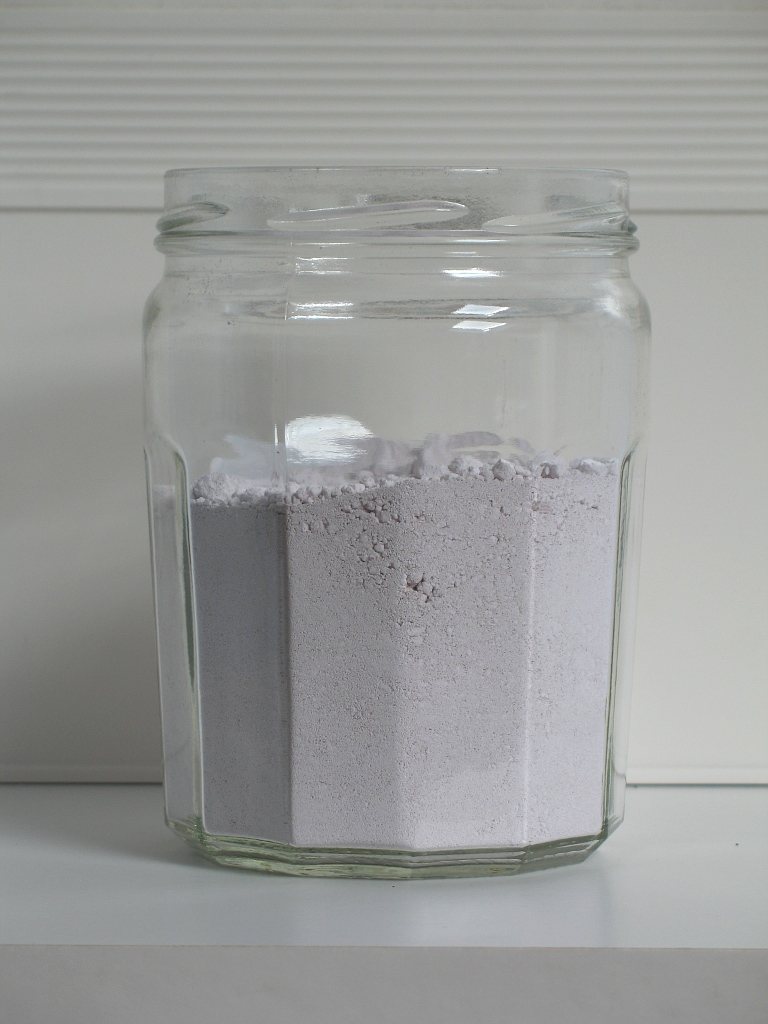
What is it?
The rare earth at the heart of the strongest magnet ever made — the kind in headphones, hard drives, wind turbines and electric motors.
Why does it matter?
An NdFeB magnet holds roughly a thousand times more magnetic energy than the iron magnets of a century ago, which is why an EV motor can be small enough to sit inside a wheel arch.
Where it is in the Earth
Neodymium belongs to the group of elements called the rare earth elements (REEs) — a set of seventeen metals that, despite the name, are not especially scarce in the Earth's crust. What is scarce is a geological process that concentrates them into one place at grades high enough to mine economically. Neodymium is found in two principal ore minerals: bastnäsite, a fluorocarbonate mineral, and monazite, a phosphate. Both carry a mixture of rare earths together — cerium and lanthanum typically dominate by mass, with neodymium making up a smaller but commercially important fraction of the whole.
The most significant concentrations of these minerals occur in carbonatites, a rare type of igneous rock formed from magma that is unusually rich in carbonate. Carbonatite magmas are thought to originate deep in the mantle and rise through the crust along ancient fault systems, crystallising into bodies that can be extraordinarily enriched in REEs relative to ordinary rock. The deposits at Bayan Obo in China and Mountain Pass in the United States are both carbonatite-hosted, as is the ore body at Mount Weld in Australia, though at Mount Weld the original carbonatite has been deeply weathered over geological time, producing a residual concentration of REE minerals near the surface. This weathering process — where soluble minerals dissolve away and leave behind the more resistant phosphates and carbonates — can actually raise the grade of a deposit compared with the fresh rock beneath.
A second, geologically distinct source is the ion-adsorption clay deposit, found principally in southern China. In these deposits, REEs released by the weathering of granite have been adsorbed — that is, loosely bound — onto the surfaces of clay minerals rather than incorporated into a discrete ore mineral. These clays are particularly enriched in the heavier rare earths, whereas carbonatite deposits like Bayan Obo tend to be skewed toward the lighter REEs, of which neodymium is one. Monazite also appears as a heavy mineral in beach and river placer sands, where wave action or river currents sort and concentrate dense grains. All of these deposit types reflect the same underlying principle: neodymium does not form deposits on its own, but travels with its chemical relatives and must be separated from them later in the processing chain.
Getting it out
All three of the principal neodymium-producing mines listed — Bayan Obo, Mountain Pass, and Mount Weld — are worked as open-pit operations. Open-pit mining suits these deposits because the ore bodies are large and relatively near the surface, meaning the economics of stripping away overlying waste rock (the overburden) are better than trying to follow ore underground. In an open pit, the ground is drilled and blasted in horizontal layers called benches, then loaded onto haul trucks and carried to either a processing plant or a waste dump. The proportion of waste rock moved for every tonne of ore recovered — the strip ratio — varies by deposit and is not given in the available data, but at carbonatite deposits the transition from rich ore to barren rock can be sharp enough to keep strip ratios manageable.
Grade matters enormously in rare earth mining, though it must be read carefully. Published figures are typically expressed as a percentage of total rare earth oxide (TREO) in the ore, but neodymium makes up only a portion of that total — the rest is cerium, lanthanum, praseodymium, and others. A mine with an attractive headline TREO grade might yield relatively little neodymium if its ore is dominated by the less commercially valuable cerium and lanthanum. Bayan Obo is the world's largest source by volume, but it is also an iron ore mine where rare earths are recovered as a co-product of steel production; the economics of that operation are therefore partly insulated from rare earth prices in a way that standalone REE mines are not.
Ion-adsorption clay deposits in southern China are mined very differently. Because the REEs are held loosely on clay surfaces rather than locked inside hard mineral crystals, the ore does not need to be crushed and milled. Instead, a solution — historically ammonium sulfate, increasingly alternatives with lower environmental impact — is injected into the clay in place, the REEs are leached out of the ground, and the pregnant solution is collected at the surface. This in-situ leaching method uses less energy than conventional crushing and flotation, but it has historically caused significant landscape disturbance and water contamination in producing regions.
What pulls on it
Neodymium is pulled out of the ground primarily because it is the key ingredient in neodymium-iron-boron (NdFeB) permanent magnets — the strongest type of permanent magnet made commercially. A permanent magnet holds its magnetism without any ongoing power supply, which makes it far more efficient in a motor or generator than an electromagnet that must be continuously energised. The material-intensity figures in the table illustrate how this plays out: a direct-drive offshore wind turbine, which uses a permanent-magnet generator rather than a gearbox, requires between 100 and 200 kilograms of neodymium per megawatt of generating capacity. That is a large quantity relative to the weight of the turbine's electrical output, and it is why wind power is one of the most discussed end markets.
Electric vehicle traction motors account for the other major growth conversation. A traction motor using NdFeB magnets in its rotor contains between 0.4 and 1.0 kilograms of neodymium per motor. Not all electric vehicles use this architecture — some manufacturers use induction motors or separately excited motors that contain no rare earth magnets at all — but permanent-magnet motors are generally more compact and efficient, which is why they are common in passenger car drivetrains where space and energy density matter. Consumer electronics, robotics and data-centre drives also consume neodymium, though typically in smaller magnets per unit. The USGS notes catalysts and lasers as additional applications; these draw on neodymium's optical and chemical properties rather than its magnetic ones, though magnets dominate by volume.
Demand could shift sharply in either direction under a few conditions. A durable move away from permanent-magnet motors in electric vehicles — driven by cost, supply concern, or engineering preference — would reduce the growth trajectory considerably, though it would not eliminate demand from existing uses. Conversely, faster-than-expected deployment of direct-drive offshore wind, or expansion of industrial robotics, would pull harder on supply. The price history in the table — running from $98 per kilogram in 2021 to a peak of $134 in 2022, then declining to $56 in 2024 before recovering partially to $73 in 2025 — reflects how sensitive the market is to shifts in anticipated demand from the EV sector and to changes in Chinese production policy.
Where it comes from in the rock
All ore minerals →These are the minerals that actually carry neodymium. A deposit is only an orebody if one of them is concentrated enough to pay for digging it up.
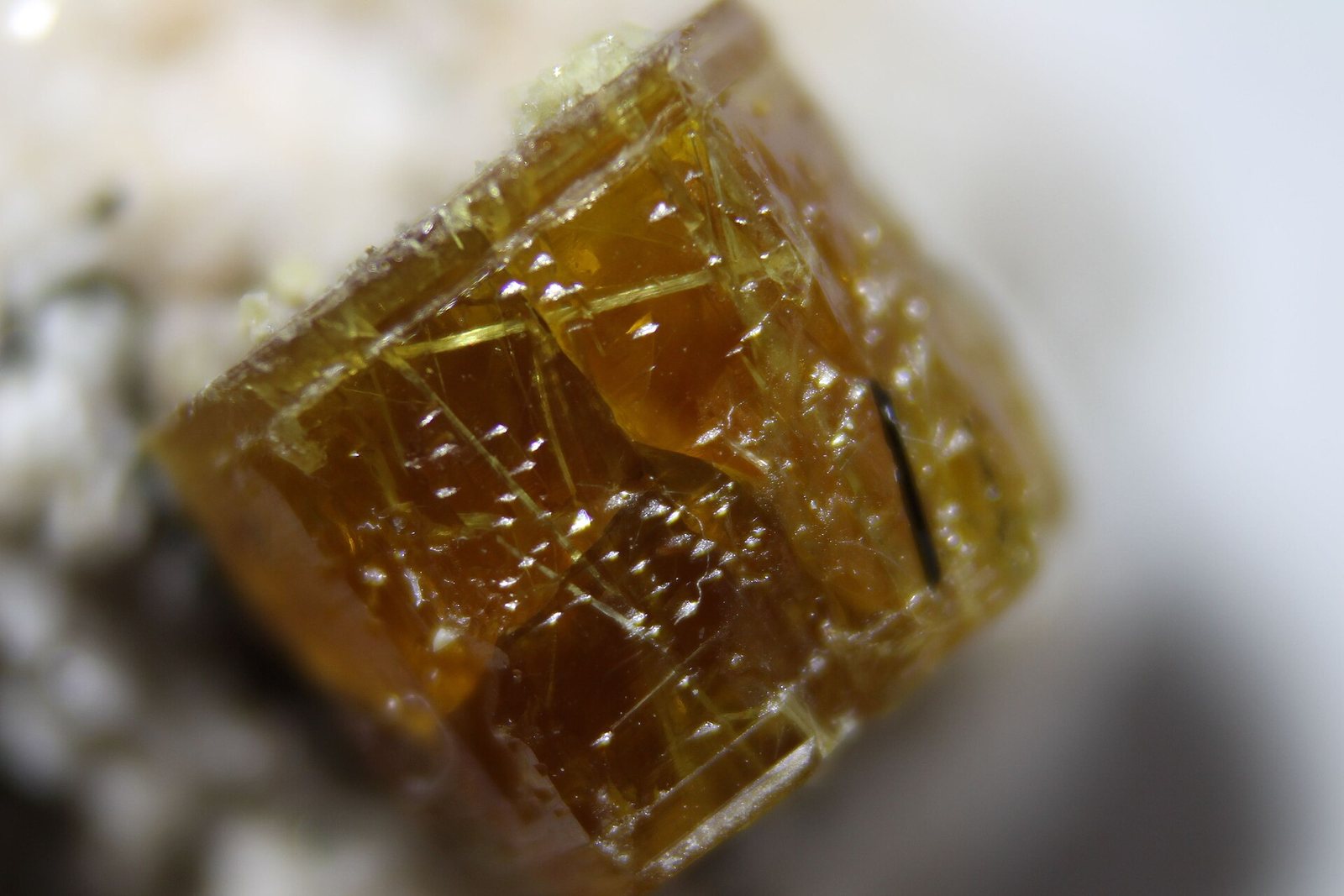
Bastnäsite
The world's principal light rare-earth mineral, mined from carbonatites. Low in thorium, which makes it easier to…
Monazite
A rare-earth phosphate found in heavy mineral sands. Carries thorium, so it is radioactive enough to be regulated.
Price
average, dollars per kilogram: Neodymium oxide, 99.5% minimum
Annual averagedollars per kilogram
Basis: average, dollars per kilogram: Neodymium oxide, 99.5% minimum. Annual averages as published in USGS Mineral Commodity Summaries 2026 · source ↗. These are reference annual averages, not a live market quote.
Mines that produce it
All mines →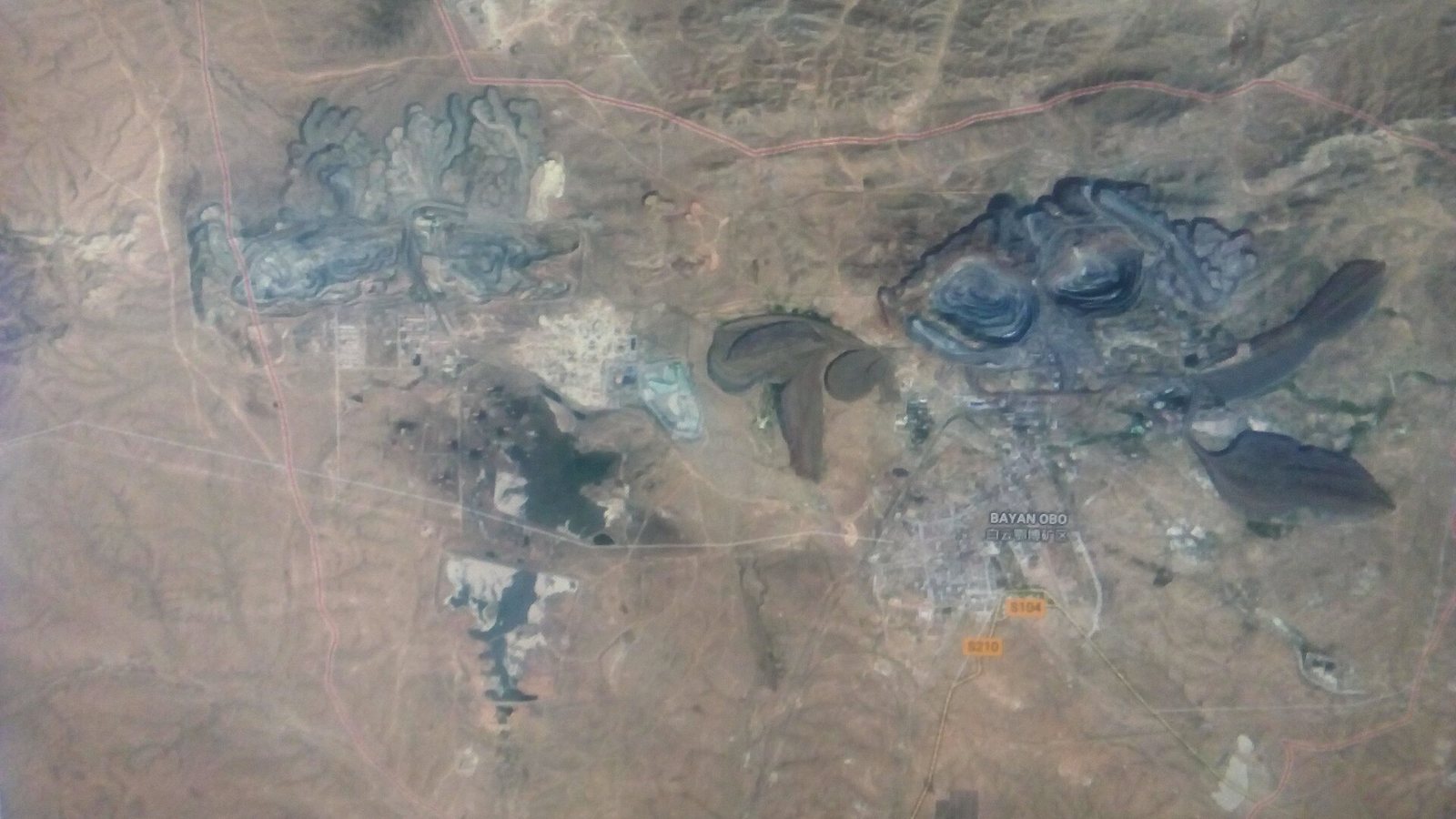
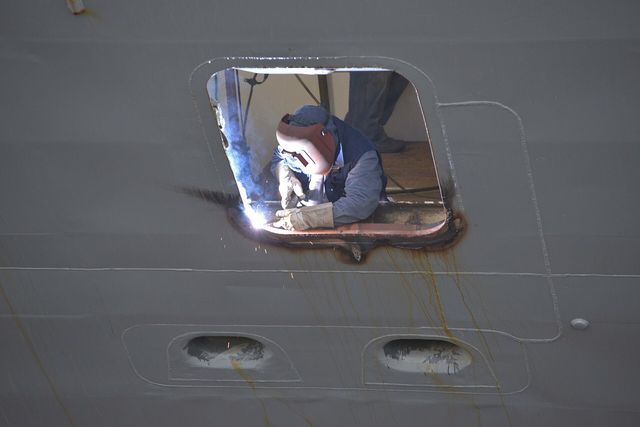
Mount Weld
The mine behind the largest rare-earth separation capacity outside China.
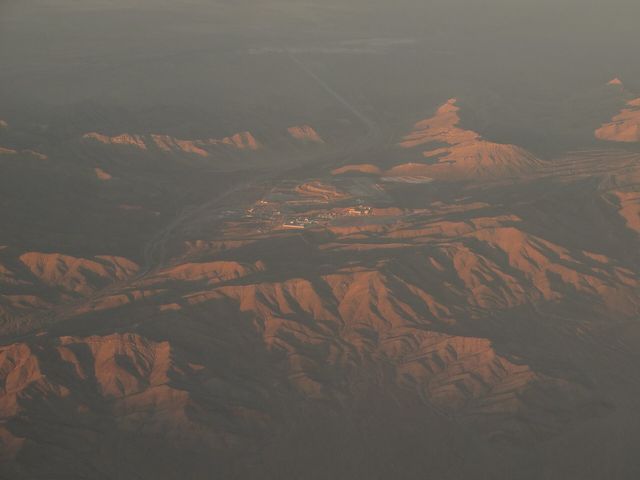
Mountain Pass
The only operating rare-earth mine in the United States.
Where it is processed and refined
| Plant | Kind | Stage | Country | Role |
|---|---|---|---|---|
| Chinese NdFeB Magnet Cluster | Magnet plant | Component | China | Input |
| Wind Turbine Nacelle & Blade Plants, Jutland | Manufacturing plant | Product | Denmark | Input |
| Lynas Advanced Materials Plant, Kuantan | Separation plant | Refining | Malaysia | Output |
| Mountain Pass Separation & Metal Plant | Separation plant | Refining | United States | Output |
| Neo Performance Materials, Sillamäe | Separation plant | Refining | Estonia | Output |
What it is used for
All end markets →| End market | What it does there | Importance |
|---|---|---|
| Electric Vehicles | Permanent magnets in the traction motor | Defining |
| Wind Power | Direct-drive permanent-magnet generators | Defining |
| Consumer Electronics | Speaker and haptic magnets | Defining |
| Robotics & Automation | Servo and joint motors | Defining |
| Data Centres & AI | Drive and fan motors | Present |
How much of it a technology needs
| Technology | Quantity | Quoted | Basis |
|---|---|---|---|
| Direct-Drive Offshore Wind Turbine Direct-drive designs only. | 100.0–200.0 kg | per MW of capacity | Contained in generator magnets |
| EV Traction Motor | 0.4–1.00 kg | per motor | Contained in the rotor magnets |
| NdFeB Permanent Magnet Often supplied as mixed NdPr. | 0.2–0.3 kg | per kg of finished magnet | Rare-earth content of the alloy |
Indicative range compiled from published technology studies and chemistry; verify against a manufacturer specification before use. Run these numbers at any scale in the material calculator →
Follow it across the borders
All journeys →Where a consignment of this material actually goes — every country, every custodian, and what is left behind at each step.
Australian rare earths to a magnet in a motor Mined in Australia, cracked in Malaysia, magnetised in China, and fitted in Germany.