Warum es für Werkstoffe bedeutsam ist
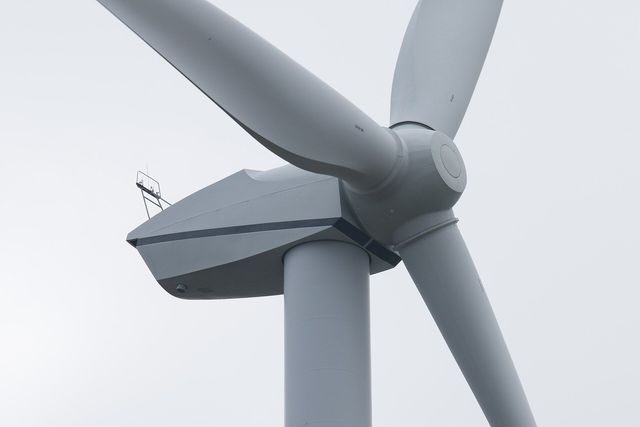
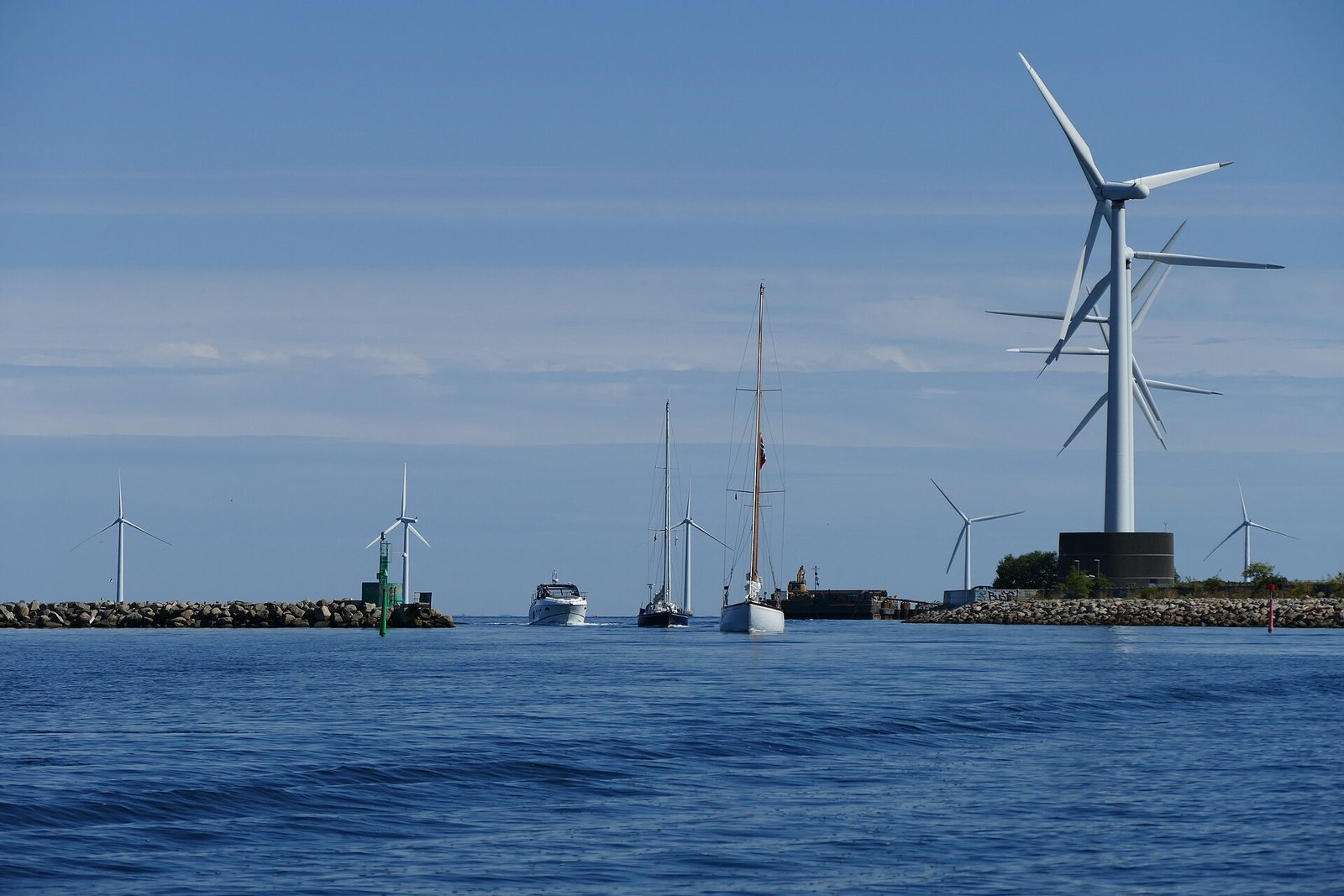
A turbine is mostly steel and concrete by weight, but the parts that make it competitive — the permanent-magnet generator and the copper in the nacelle and the export cable — are where the critical materials sit.
Woraus es besteht
Alle Materialien →| Material | Was es hier tut | Bedeutung |
|---|---|---|
| Copper kritisch | Generator windings, nacelle wiring and export cable | Definition |
| Dysprosium kritisch | Heat resistance in those magnets | Definition |
| Iron & Steel | Tower, nacelle frame and foundation | Definition |
| Neodymium kritisch | Direct-drive permanent-magnet generators | Definition |
| Boron kritisch | The B in NdFeB magnet alloy | Wichtig |
| Praseodymium kritisch | Magnet alloy | Wichtig |
| Terbium kritisch | Heat resistance in the hottest designs | Wichtig |
| Zinc kritisch | Galvanised protection in a marine environment | Wichtig |
| Aluminium kritisch | Nacelle components and cabling | Gegenwart |
Copper
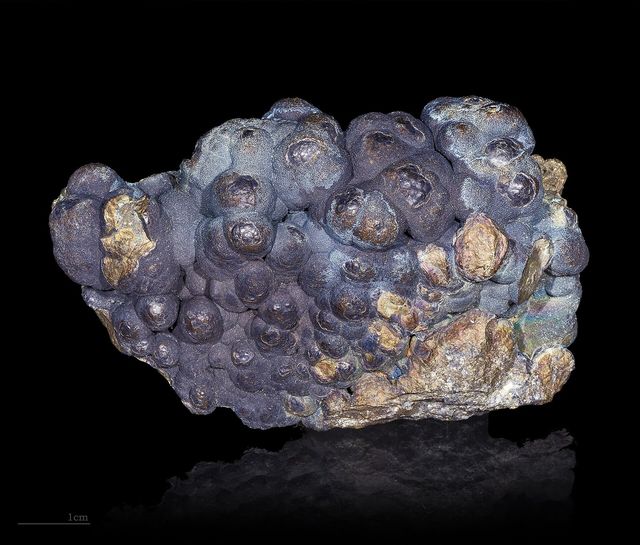
The reddish metal that carries electricity better than anything except silver, and which humans have been smelting…
Dysprosium
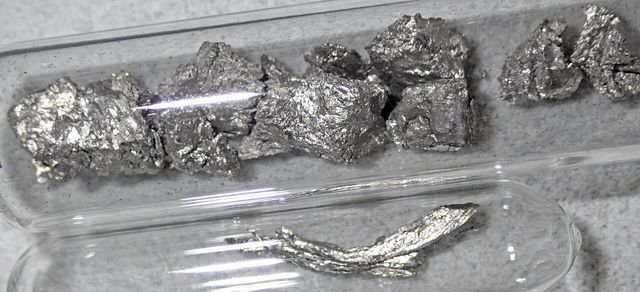
A heavy rare earth added in small amounts to magnets so they keep working when they get hot.
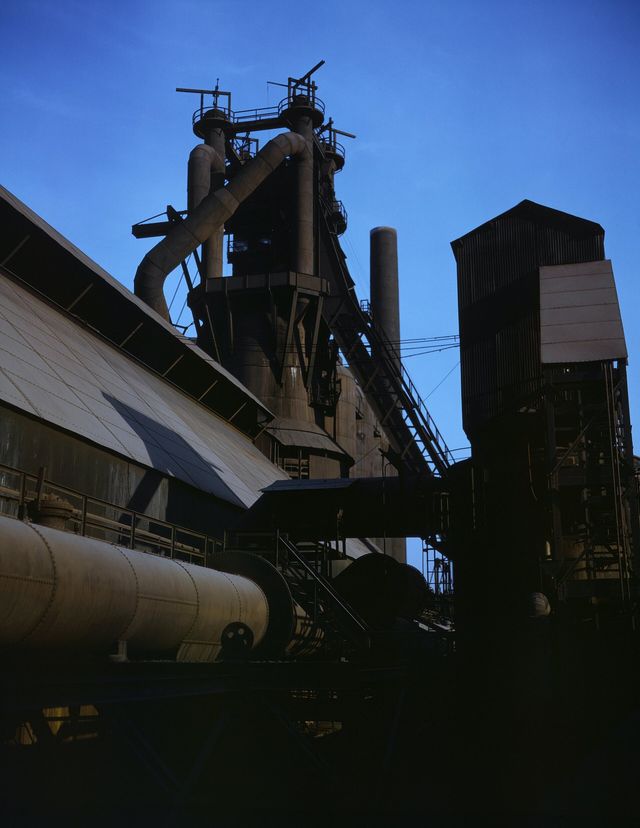
Iron & Steel
Iron with a little carbon in it, and the most-produced manufactured material on the planet.
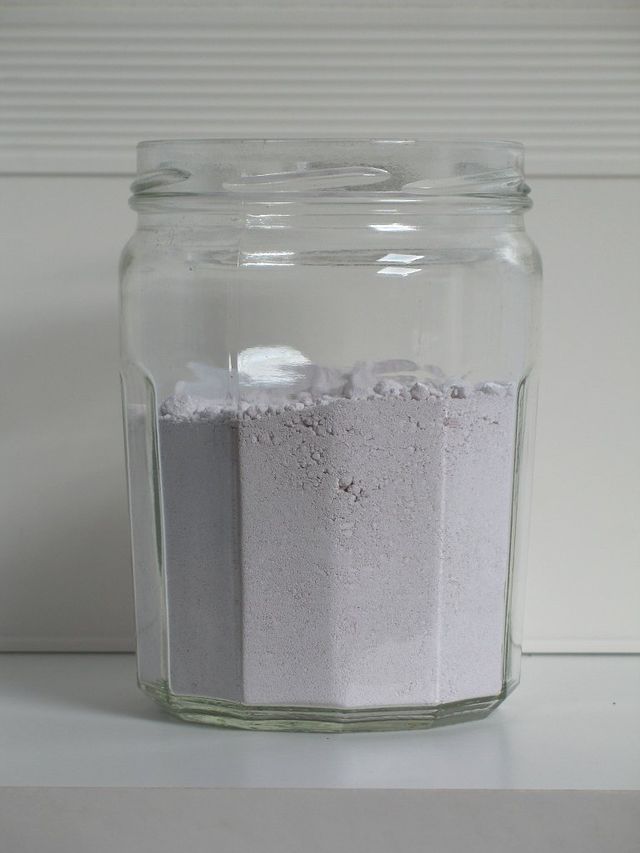
Neodymium
The rare earth at the heart of the strongest magnet ever made — the kind in headphones, hard drives, wind turbines…
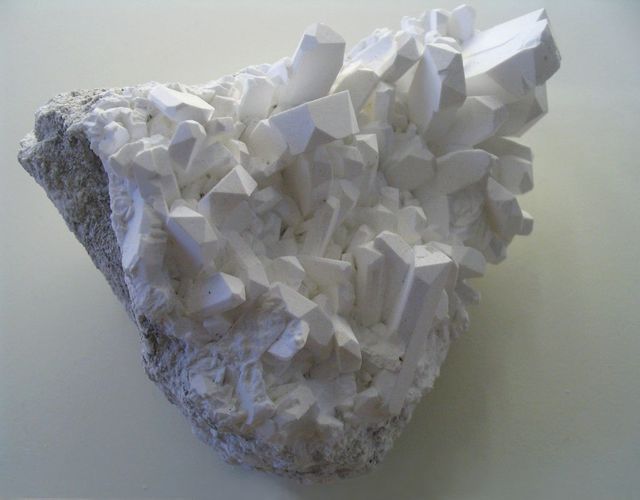
Boron
An element that makes glass resist thermal shock, fibreglass strong, and — with iron and neodymium — the strongest…
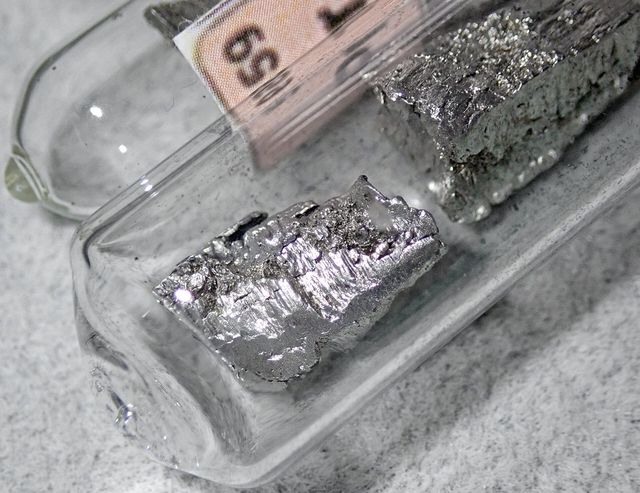
Praseodymium
Neodymium's near-twin, so alike that magnet makers usually do not bother separating the two and sell them together as…