Rock to product, traced
The Materials Atlas
Materials Mines & deposits Processing & refining Custody journeys Supply chains Companies Countries News
Materials by shelf Battery Materials Rare Earth Elements Copper & Electrical Semiconductor Materials Nuclear Materials Aerospace & Defence Precious Metals Steel & Alloy Metals Industrial Minerals Agricultural Minerals Energy Raw Materials Ore minerals Periodic table
Demand End markets Technologies Material calculator Maps Screener
Learn & tools LearnGlossary Ask the DataAI agents Research & dataAPI ★ Saved
About About usMethodology Data sourcesContact Disclaimer
Reading options
🧭 Guided View New to this — ore grades, concentrate, refining, by-products? We explain every term as you browse, in plain English. Same data, with the help built in.
⚡ Expert View You already know the industry. Just the data — clean, fast and compact, with no extra explanations. This is the default view.
Theme
Interface language
Depth Material pages are written at four levels. Pick one on any material page and it is remembered.
★ Saved Research & data
Iron Ore to Steel

Supply chain

Iron Ore to Steel

The largest material flow on Earth, and the hardest one to decarbonise.

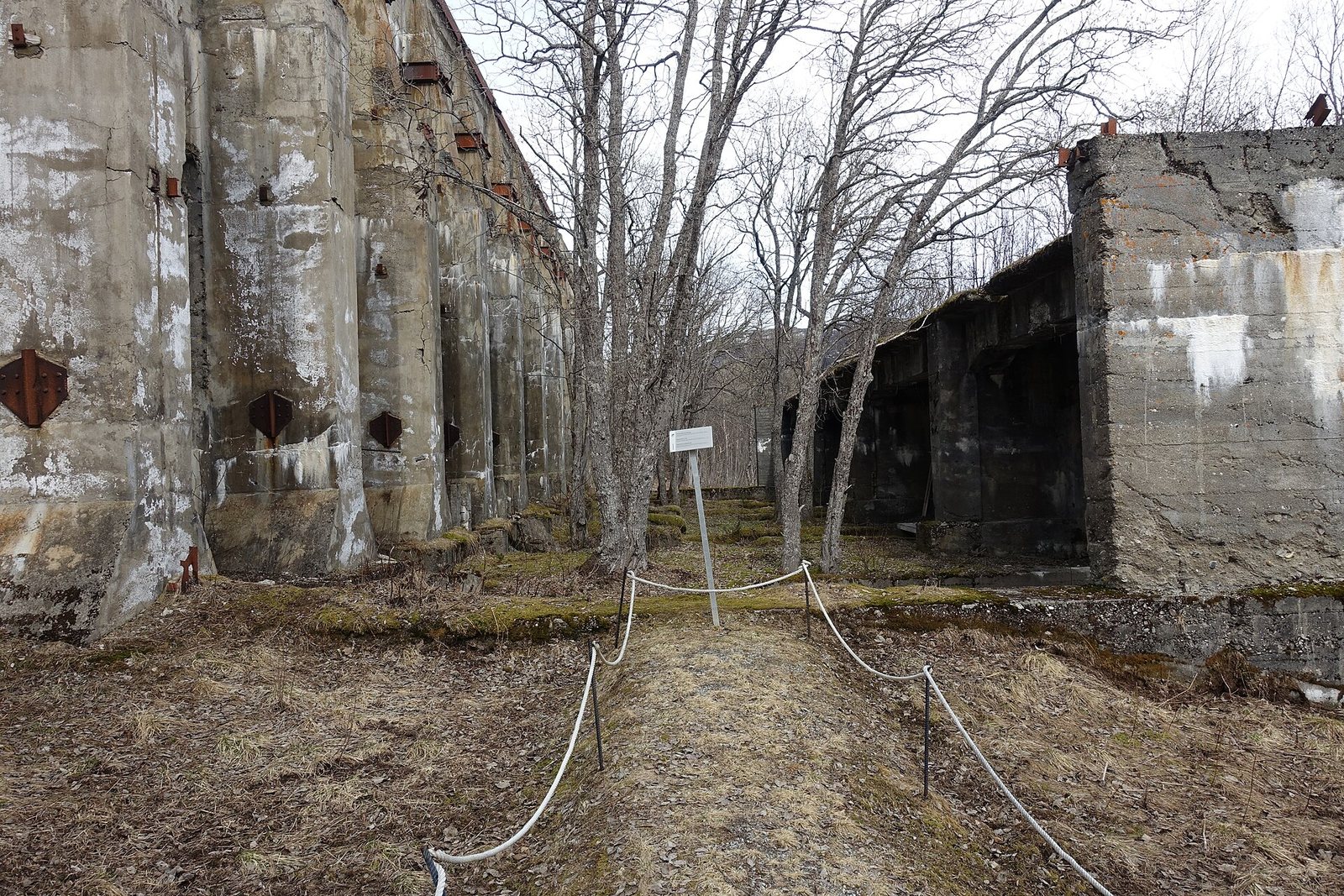
Salangsverket Reinforced concrete ruins of iron ore mining … · Wolfmann · CC BY-SA 4.0 · Wikimedia Commons

The short version

Steel is made two ways. The blast furnace uses coking coal to strip oxygen from iron ore and produces most of the world's steel and a large share of its emissions. The electric-arc furnace melts scrap with graphite electrodes and needs no ore at all.

The narrowest link. Scrap supply limits how much steel can be made the low-carbon way; you cannot recycle steel that has not been built yet.

Stage by stage

01Deposit

Banded iron formation

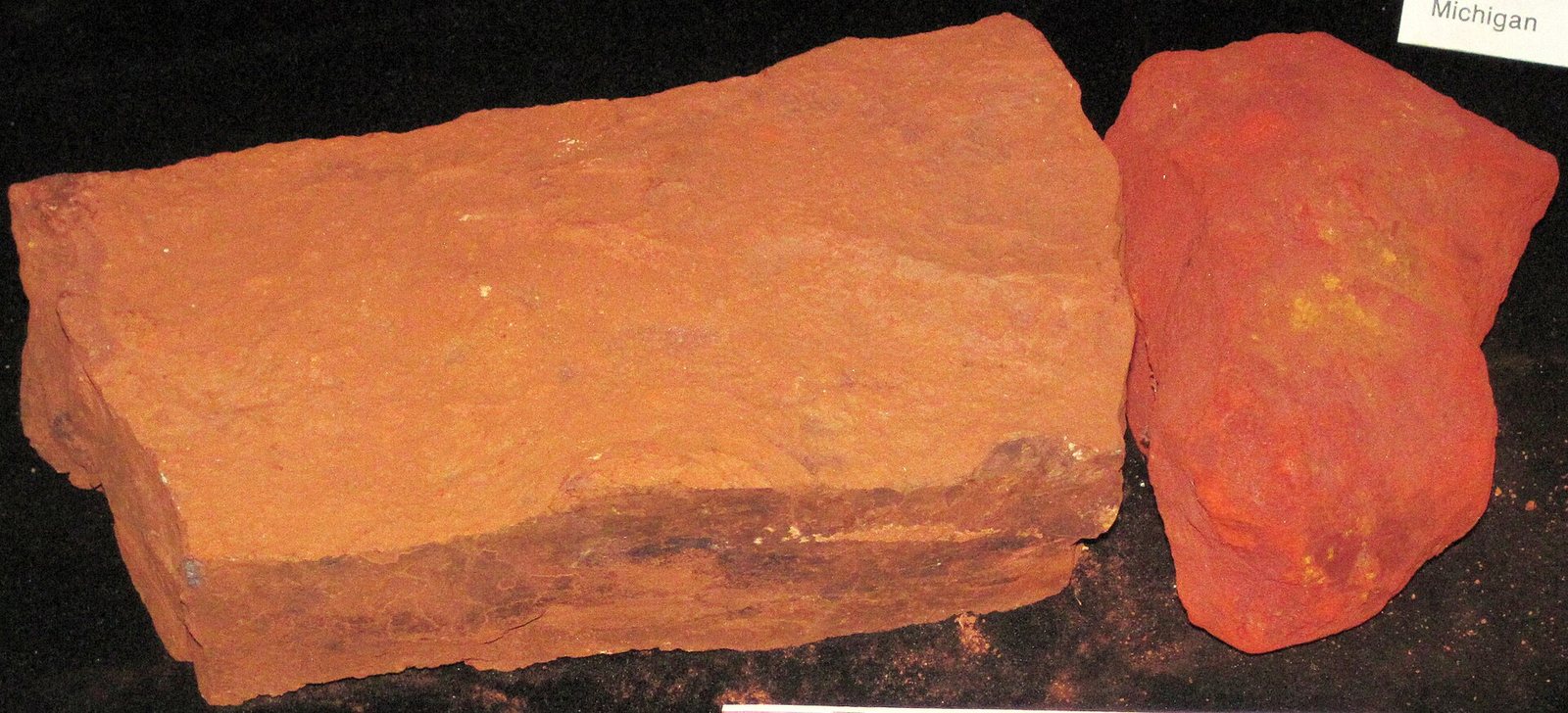
Almost all iron ore comes from rock laid down over two billion years ago, when oxygen first appeared in the oceans and precipitated dissolved iron.
Iron Ore →

Iron Ore
Hematite (iron ore) (weathered zone in the Bi… · CC BY 2.0 via Wikimedia Commons
02Mine

Pilbara or Carajás

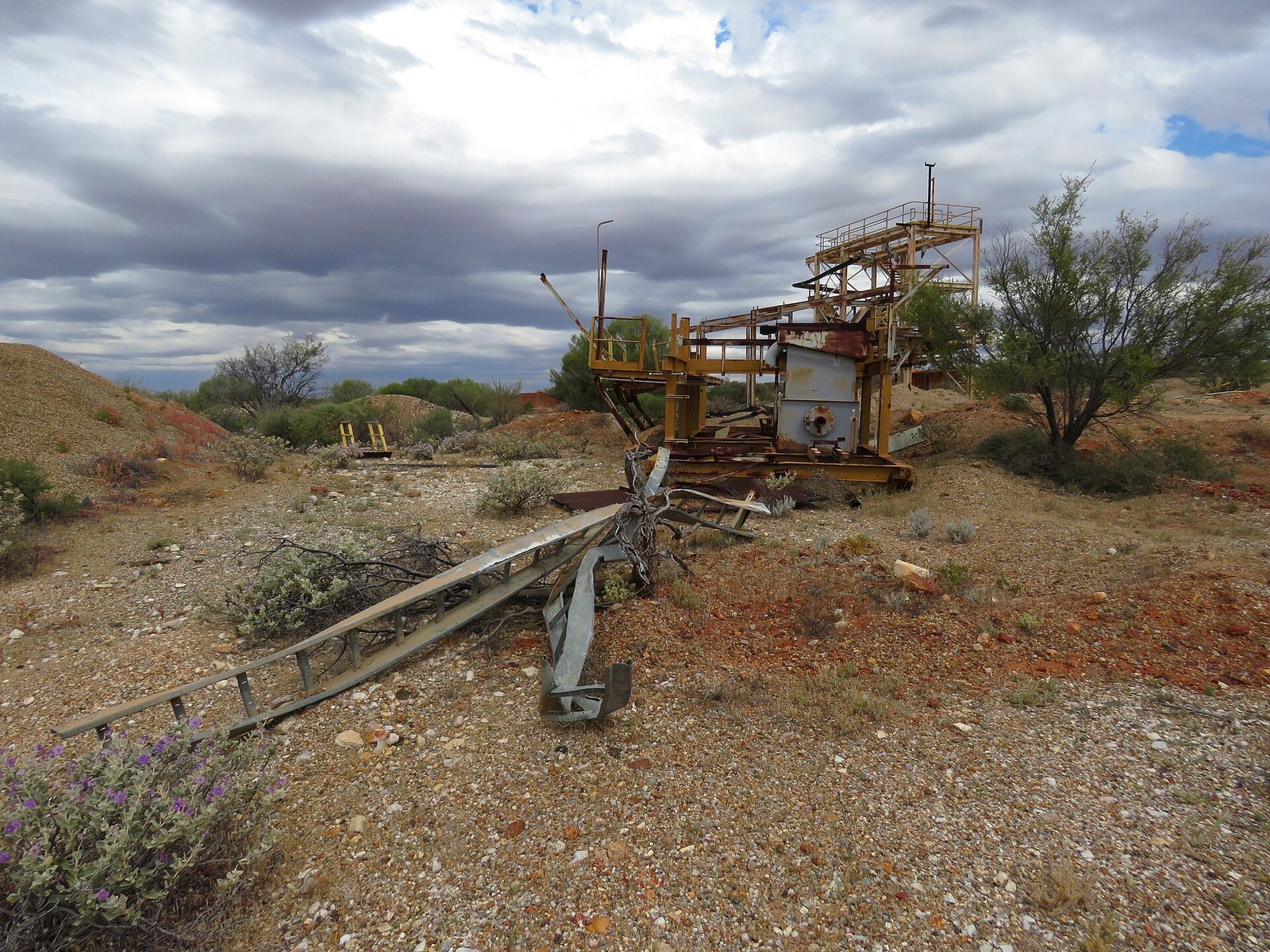
Ore is drilled, blasted, crushed and screened. High-grade hematite needs no concentration at all.
Pilbara Iron Ore District →

Pilbara Iron Ore District
Dalgaranga mine, Yalgoo, Western Australia, O… · CC BY-SA 4.0 via Wikimedia Commons
03Processing

Sinter, pellets and coke

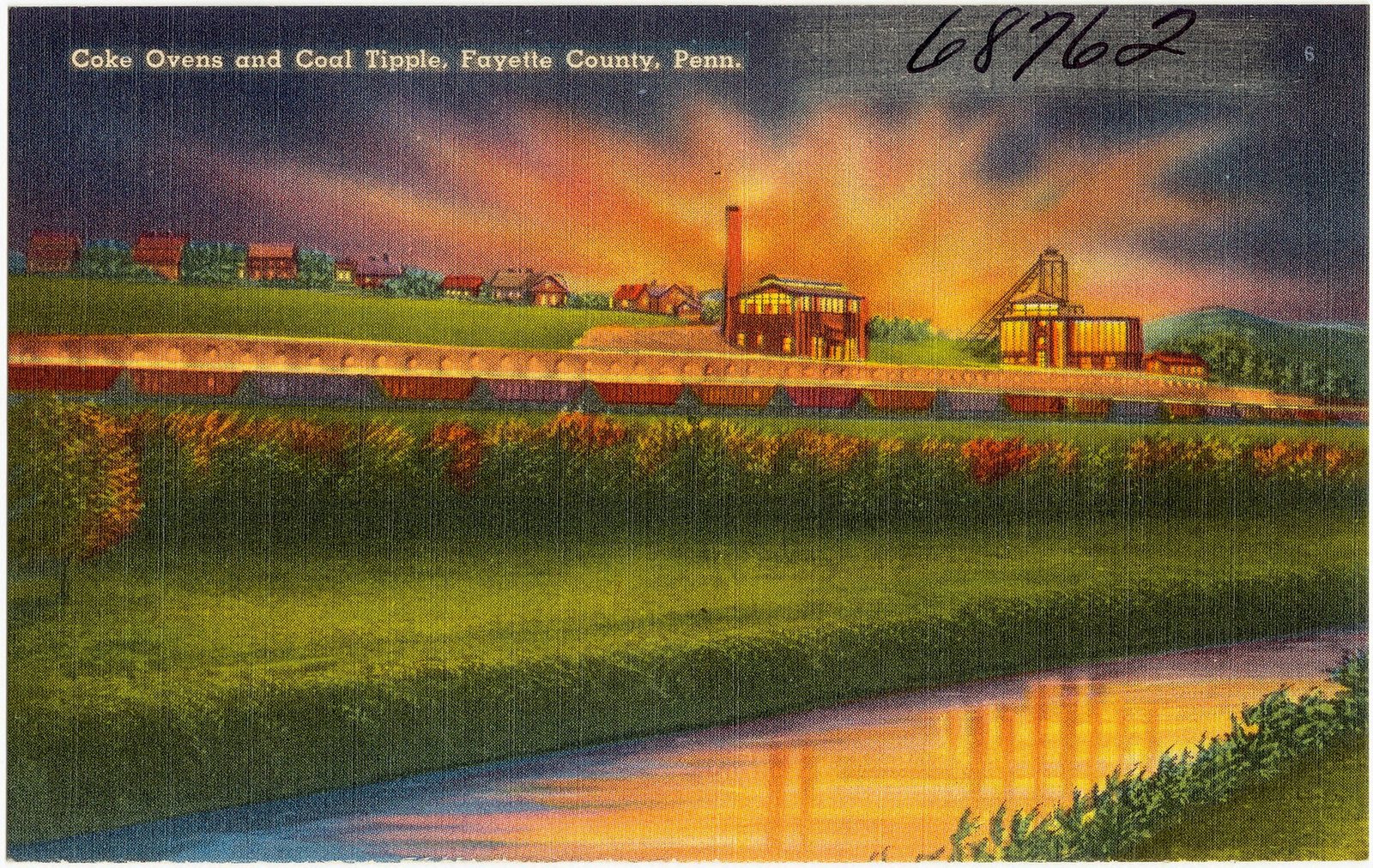
Fines are agglomerated; coking coal is baked into coke, which acts as both fuel and chemical reductant.
Metallurgical Coal →

Metallurgical Coal
Coke ovens and coal tipple, Fayette County, P… · Public domain via Wikimedia Commons
04Refining

Blast furnace or direct reduction

Carbon strips oxygen from iron oxide. Direct reduction can use hydrogen instead of carbon, which removes the CO2 at the cost of needing clean hydrogen.
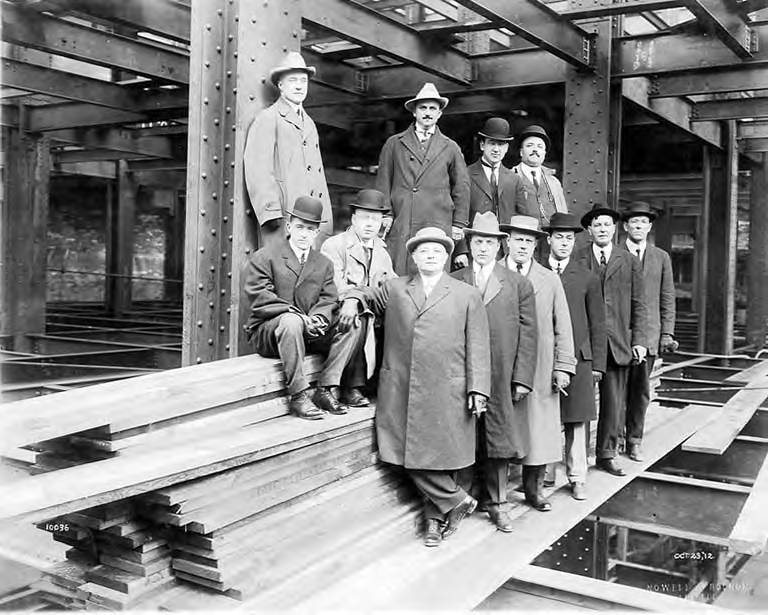
Construction & Steel →

Construction & Steel
Men in suits standing on boards amidst the st… · Public domain via Wikimedia Commons
05Component

Basic oxygen or electric-arc furnace

Carbon is burned out of the iron and alloying elements are added: manganese always, plus chromium, nickel, niobium or vanadium.
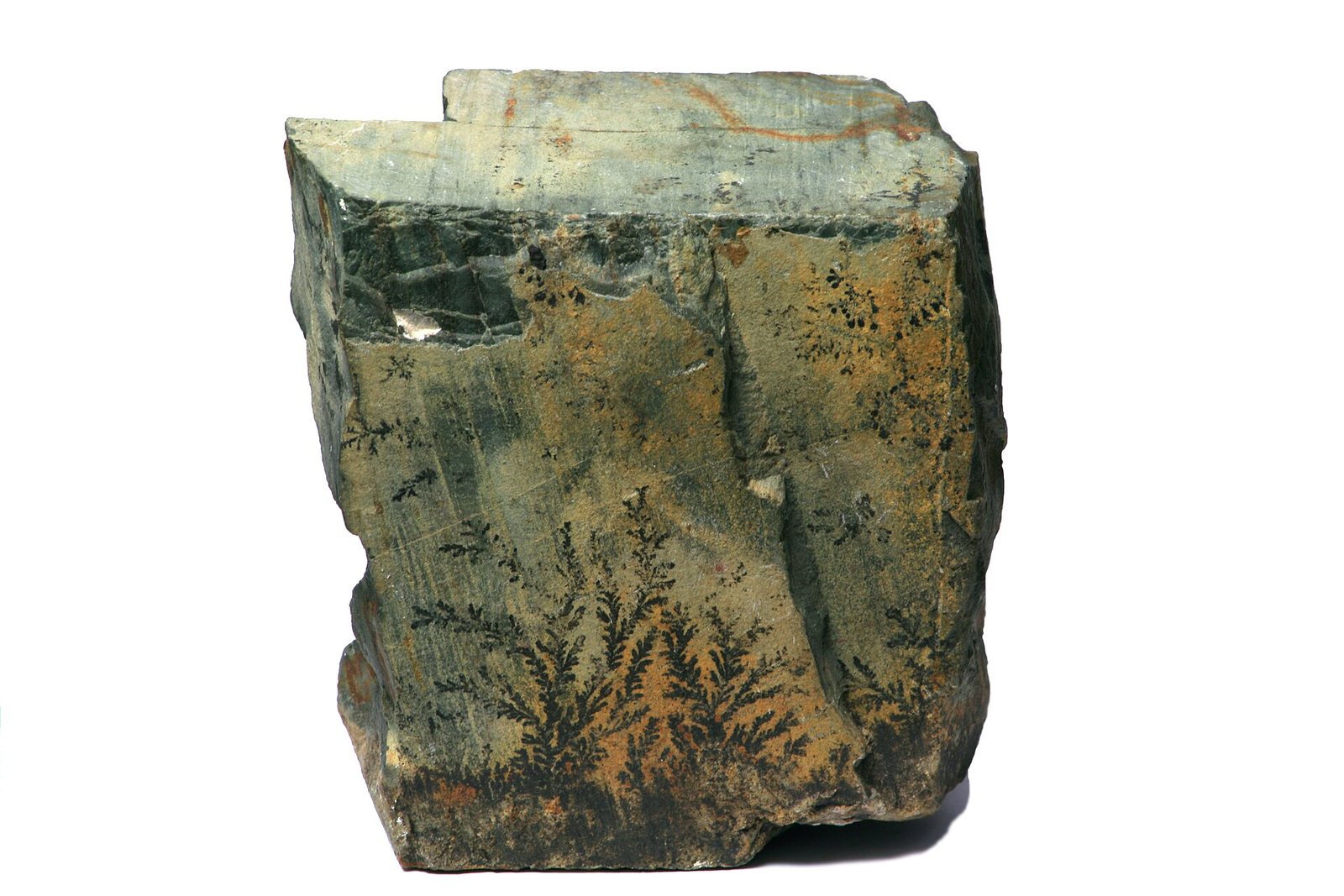
Manganese →

Manganese
Pyrolusite Mineral with Dendrite Macro Digon3 · CC BY-SA 3.0 via Wikimedia Commons
06End market

Buildings, vehicles, machines

Construction & Steel →

Materials

All materials Critical minerals Rare earths Battery materials Ore minerals Periodic table Screener

The ground

Mines & deposits Processing & refining Countries Maps

The economy

Custody journeys Supply chains End markets Technologies Companies Material calculator

Learn

LearnGlossary Ask the DataAI agents Research & dataOpen API News★ Saved

About us

About usContact MethodologyData sources Editorial policy Privacy policyTerms of use Disclaimer