The short version
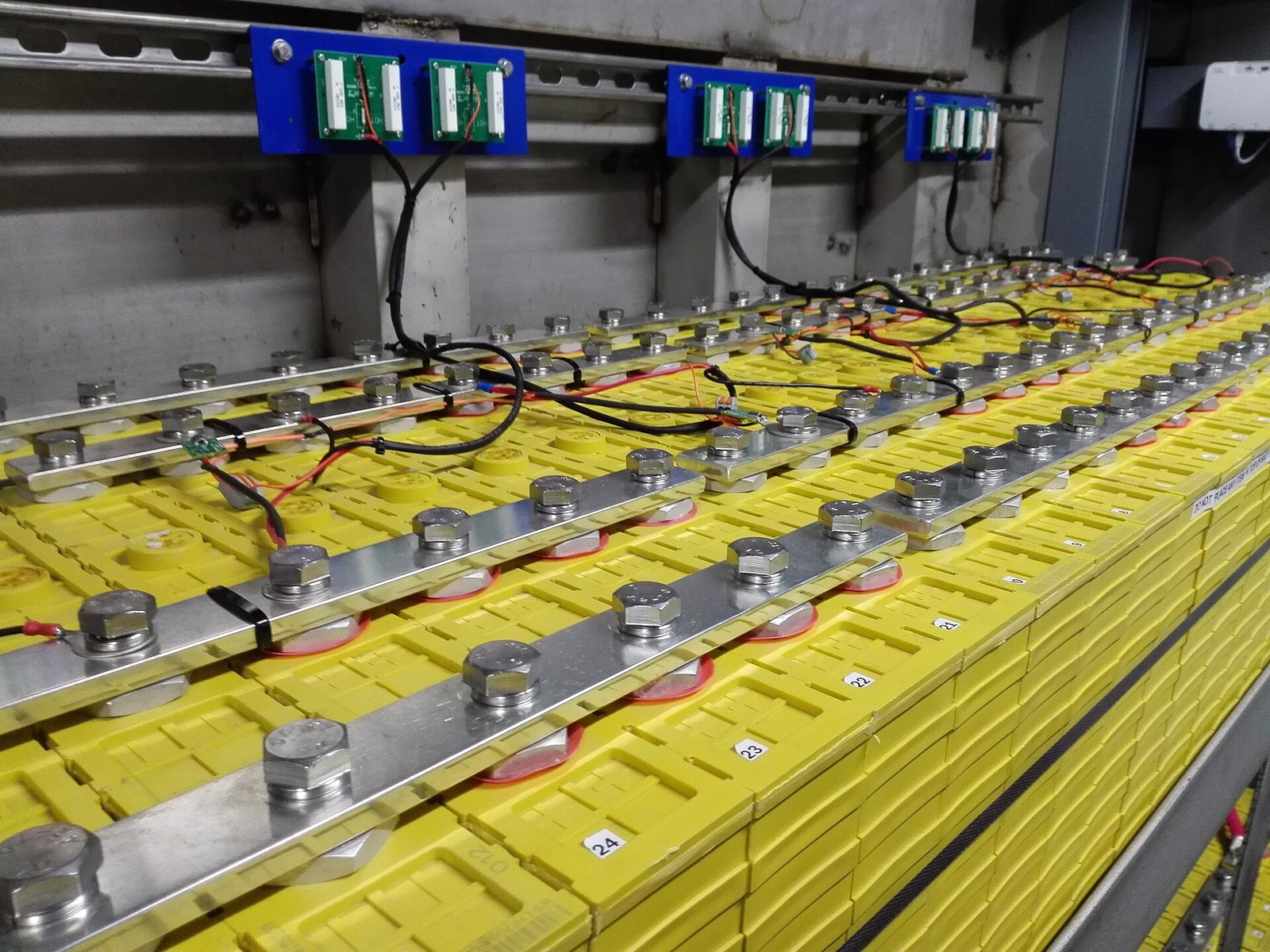
Phosphorus has no substitute in agriculture and no synthetic route. Every atom of it in the food supply was mined. The same purified acid now also feeds LFP battery production.
The narrowest link. Reserves are extremely concentrated geographically, and sulfuric acid supply — itself a fossil-fuel by-product — is required to process them.
DepositSedimentary phosphorite
Phosphate Rock
MineKhouribga and the Moroccan basins
Khouribga
ProcessingPhosphoric acid
Sulfur
RefiningFertiliser or purified acid
Agriculture & Food
ComponentLFP cathode or applied fertiliser
LFP Lithium-Ion Battery
End marketCrops, and batteries
Agriculture & Food
Stage by stage
01Deposit
Sedimentary phosphorite
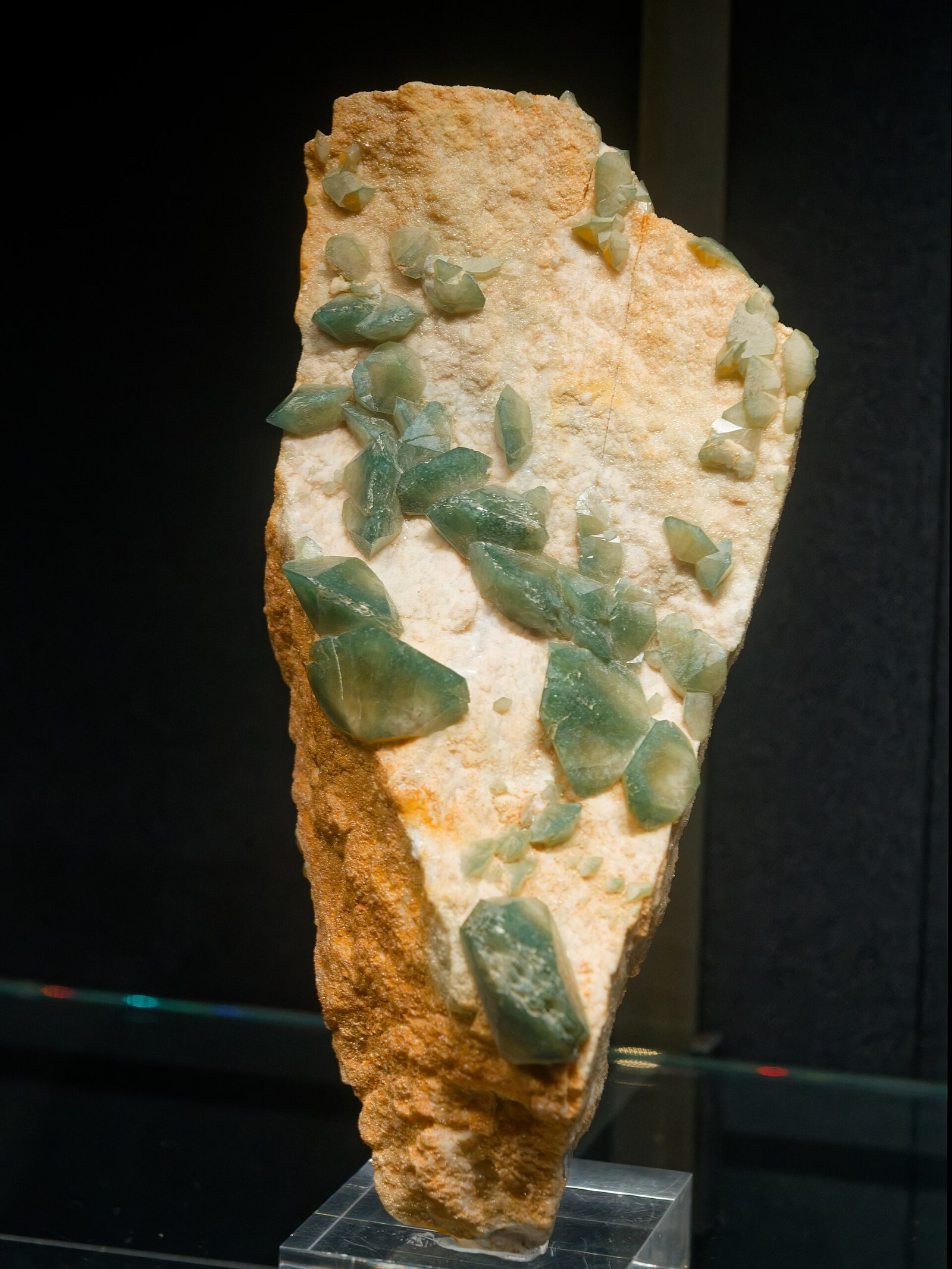
Phosphate accumulated on ancient continental shelves where cold, nutrient-rich water upwelled.
02Mine
03Processing
Phosphoric acid
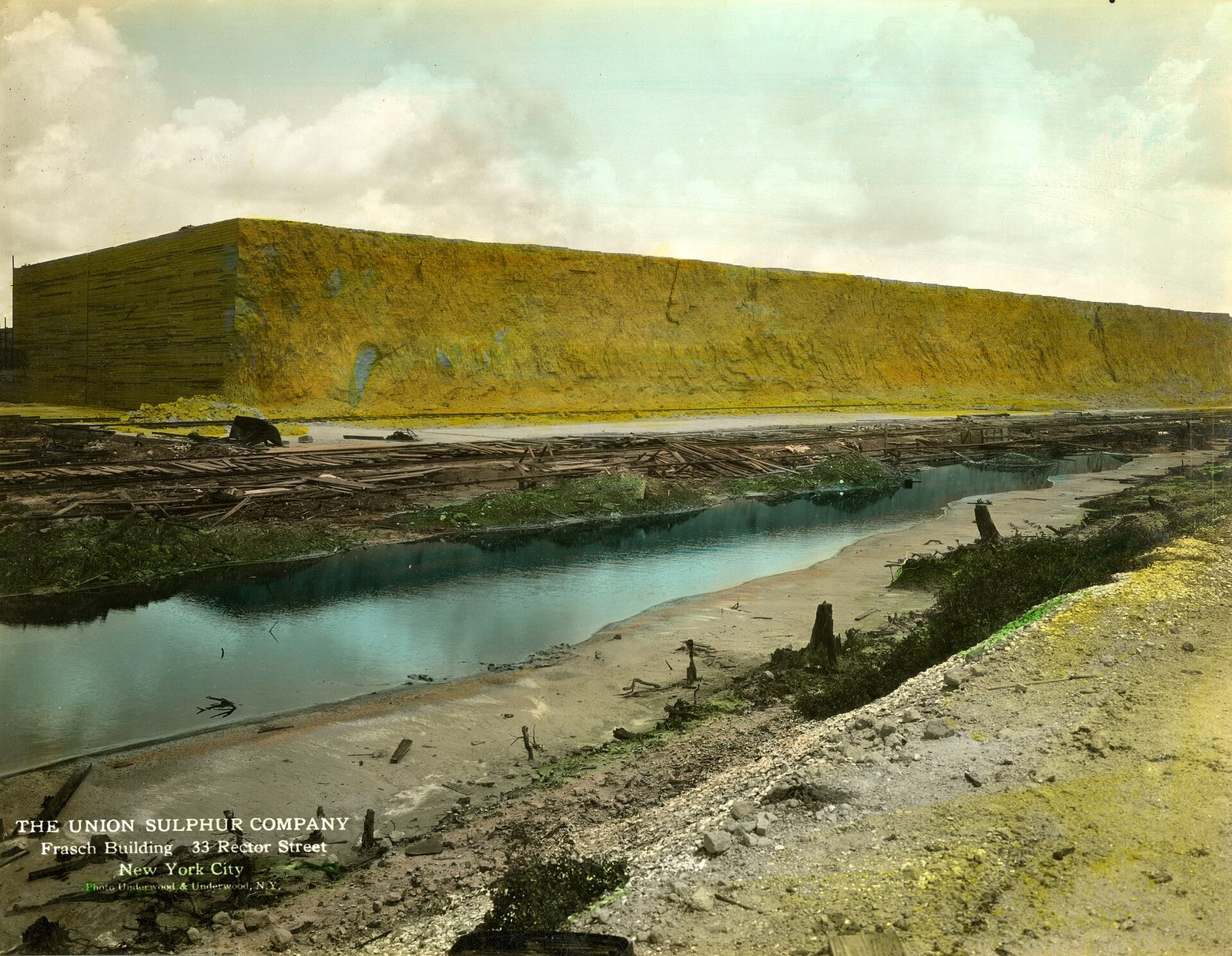
Rock is attacked with sulfuric acid, producing phosphoric acid and phosphogypsum waste.
Note: About five tonnes of phosphogypsum per tonne of acid.
04Refining
Fertiliser or purified acid
Acid becomes DAP and MAP fertiliser, or is purified further for food and battery grades.

05Component
LFP cathode or applied fertiliser
06End market