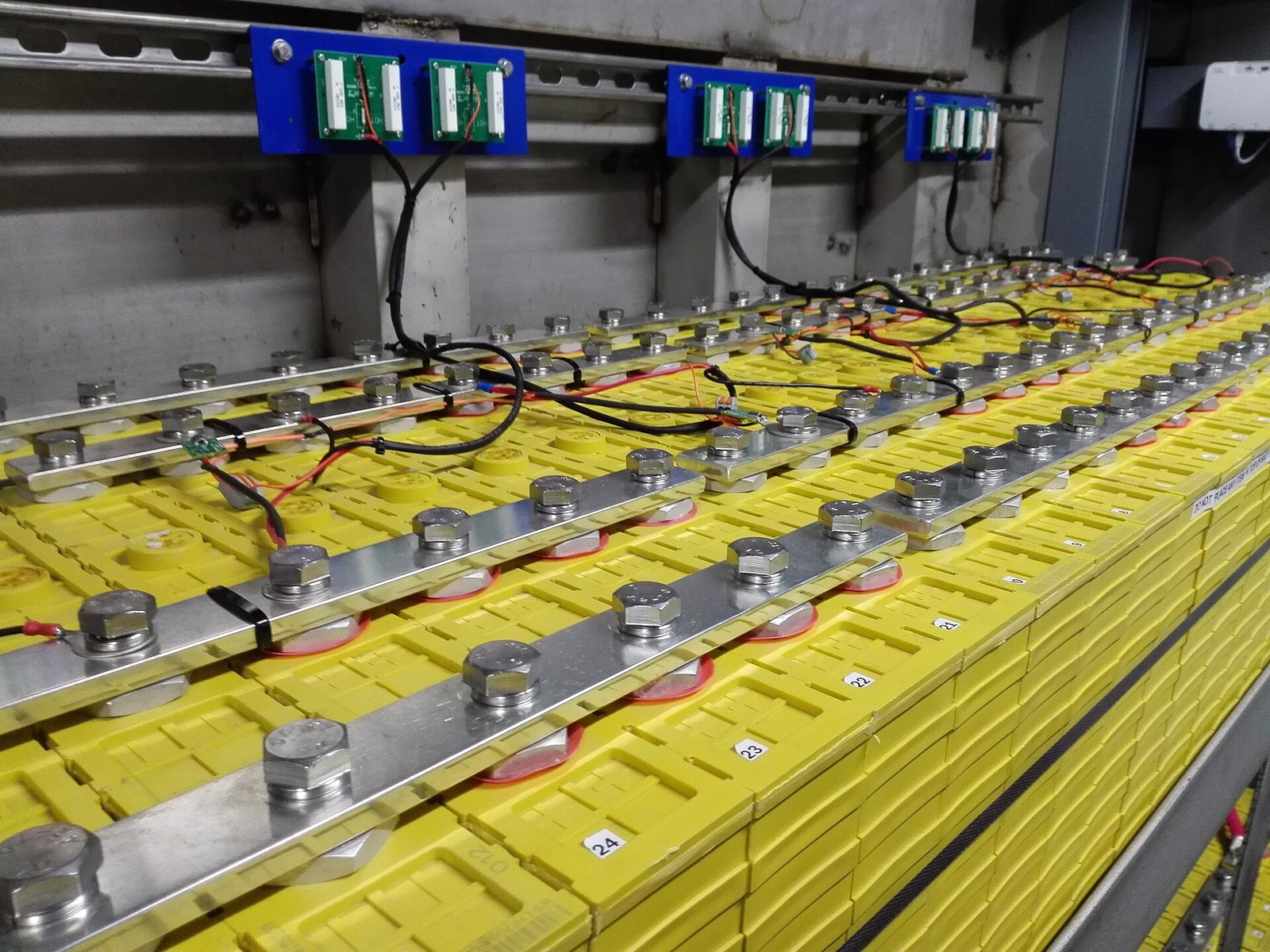
What it is
LFP gave up about a fifth of its energy density and in return removed nickel and cobalt from the bill entirely. Once pack engineering compensated for the weight, it took the majority of new cells worldwide.
The material bill
Scale it up →Quantities are per 75 kWh packindicative range
| Material | Low | High | Unit | Basis |
|---|---|---|---|---|
| Graphite critical | 55.00 | 85.00 | kg | Anode active material |
| Iron Ore | 25.00 | 45.00 | kg | Iron in the cathode |
| Phosphate Rock critical | 25.00 | 45.00 | kg | As phosphate in the cathode |
| Copper critical | 15.00 | 25.00 | kg | Foil and busbars |
| Lithium critical About 0.09 kg Li per kWh. | 5.50 | 8.00 | kg contained lithium | Contained metal |
Indicative range compiled from published technology studies and chemistry; verify against a manufacturer specification before use. Rows marked “trace” contain the material in quantities too small to state usefully as a mass — the constraint there is purity or supplier count, not tonnage.
The alternatives
Substitution is the most underrated force in materials. When a metal gets expensive or politically difficult, engineers design around it — and demand for a whole mine can evaporate.
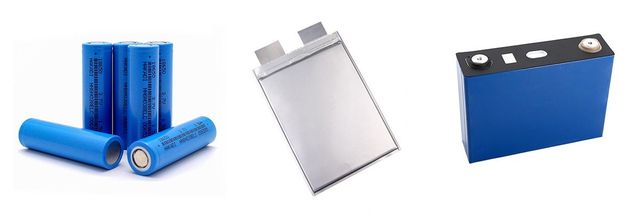
NMC Lithium-Ion Battery
The high-energy chemistry — nickel, manganese and cobalt in the cathode — used where range matters most.
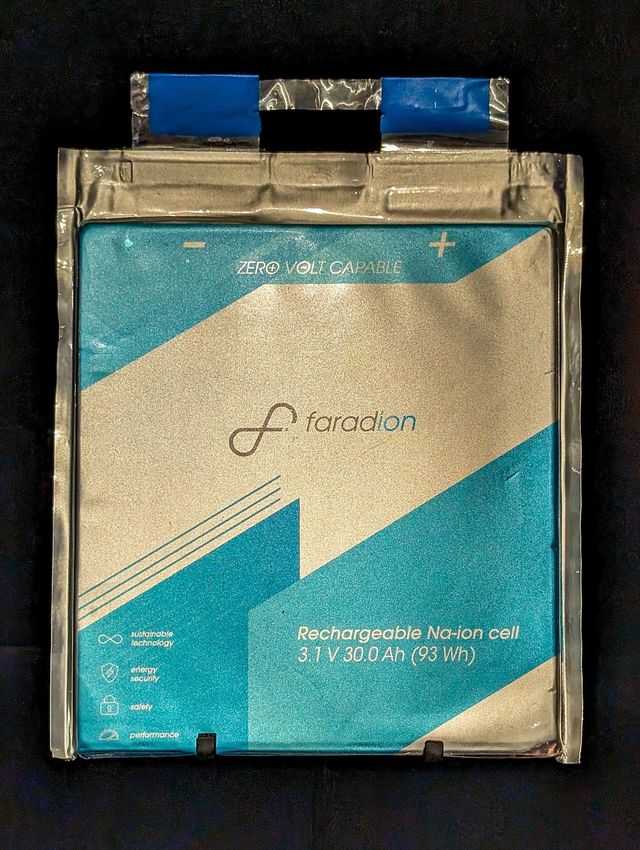
Sodium-Ion Battery
A cell that uses sodium — from ordinary salt — instead of lithium, at the cost of energy density.
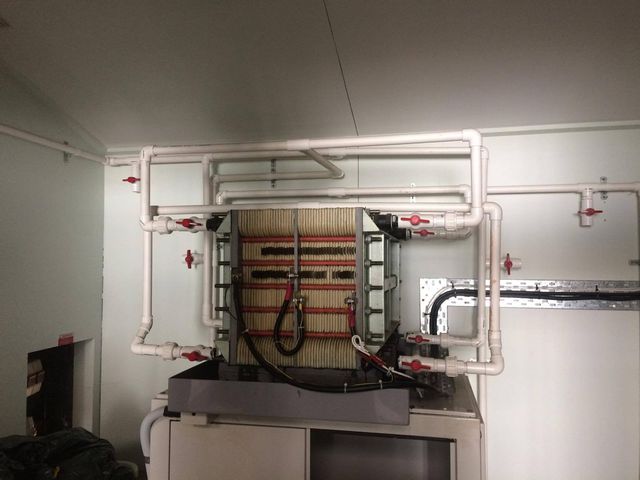
Vanadium Redox Flow Battery
A battery that stores its energy in two tanks of dissolved vanadium, so power and capacity scale separately.