Module 4 · Downstream: taking the barrel apart
What actually comes out of a barrel
Level 1 · Foundation 9 min read 4 questions
A 42-gallon barrel yields close to 45 gallons of products, and the split between them is set by the refinery's configuration and the market it serves - not by the crude alone.
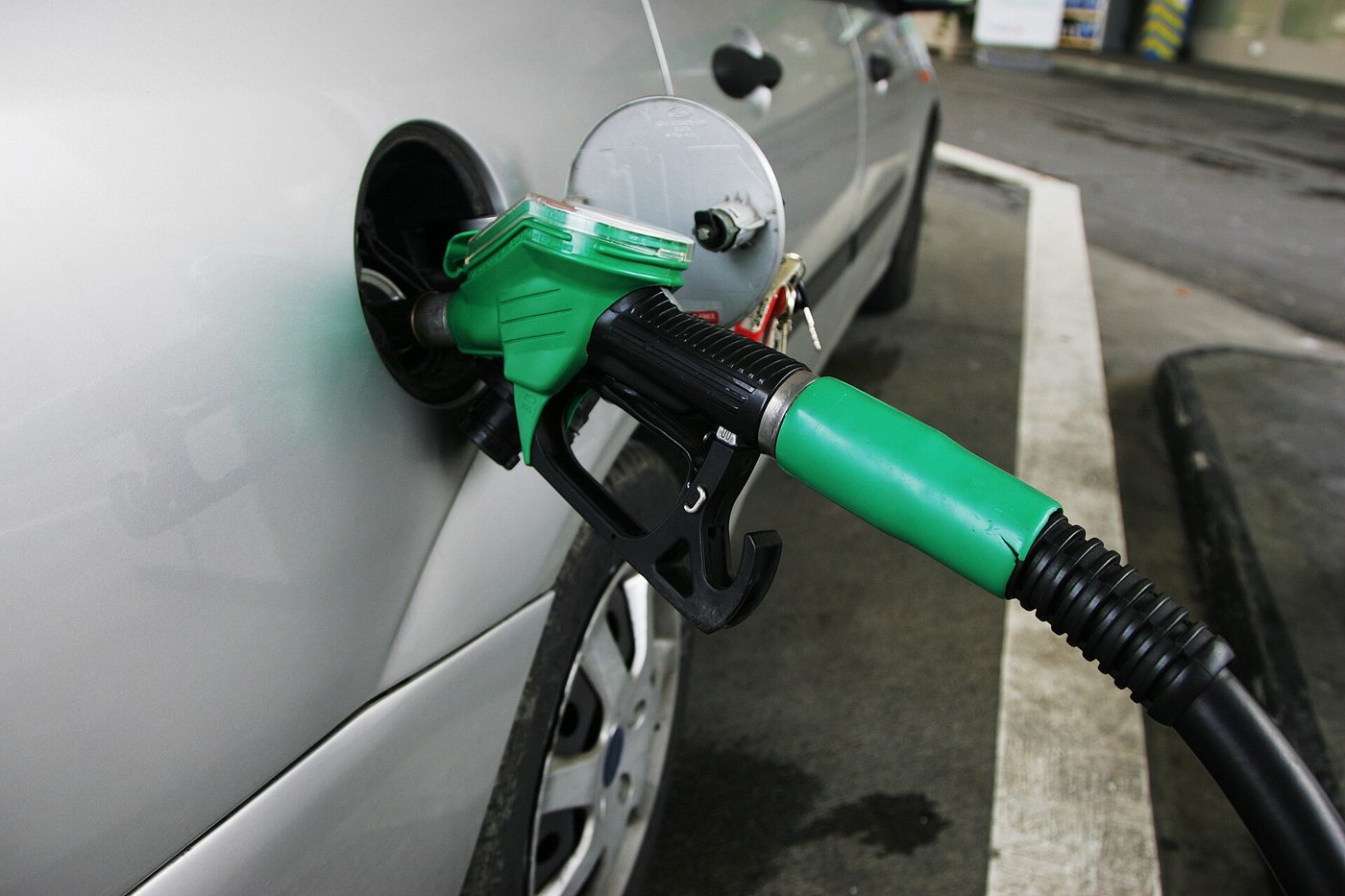
A US barrel is 42 US gallons, about 159 litres. Refineries produce slightly more volume of product than the crude they take in, because cracking long molecules into short ones produces material of lower density. The industry calls the difference processing gain, and it is the reason the yield table below adds up to more than 42.
| Product | Gallons | What it is for |
|---|---|---|
| Finished motor gasoline | 19.57 | Road transport |
| Distillate fuel oil | 12.47 | Diesel, heating oil, off-road |
| Kerosene-type jet fuel | 4.41 | Aviation |
| Petroleum coke | 2.06 | Fuel, and calcined coke for aluminium anodes and synthetic graphite |
| Still gas | 1.68 | Burned inside the refinery itself |
| Hydrocarbon gas liquids | 1.55 | Propane, butane; petrochemical feedstock |
| Asphalt and road oil | 0.84 | Roads and roofing |
| Residual fuel oil | 0.71 | Marine and industrial fuel |
| Lubricants | 0.38 | Engine and industrial oils |
| Naphtha for petrochemical feedstock | 0.34 | Steam cracker feed |
| Other oils for feedstock | 0.21 | Petrochemicals |
| Miscellaneous products | 0.21 | Various |
| Special naphthas | 0.08 | Solvents |
| Aviation gasoline | 0.04 | Piston aircraft |
| Kerosene | 0.04 | Heating, lighting, solvents |
| Total products | 44.65 | 42 gallons in, plus 2.65 gallons of processing gain |
2023 · U.S. Energy Information Administration, Oil and petroleum products explained: refining crude oil
US refineries in aggregate, 2023. This is a national average shaped by US demand and US refinery configurations. It is not the yield of any single refinery, and it is not what a European or Asian refinery slate looks like.
The products, in order of what they are for
- Petrol / gasoline
- Blended to an octane specification. Octane measures resistance to pre-ignition, not energy content, which is why higher octane is not 'more powerful' fuel in an engine not designed for it.
- Diesel and other distillates
- Graded by cetane number - ignition readiness - and increasingly by very tight sulfur limits. The same cut serves heating oil and off-road fuel, which is why distillate demand has a weather component that petrol does not.
- Jet fuel
- A kerosene cut with strict limits on freezing point and contamination. Few substitutes exist at scale, which is why aviation is the hardest transport demand to displace.
- Marine fuel
- Ships historically burned the heaviest residual material. The global sulfur cap on marine fuel that took effect in 2020 forced a shift towards low-sulfur blends, on-board scrubbers or distillate - and reshuffled demand for the bottom of the barrel worldwide.
- Asphalt
- The heaviest fraction, used for roads and roofing. Demand is seasonal and tied to construction, and it depends on heavy crude: a refinery running only light sweet crude makes very little of it.
- Lubricants and waxes
- Small by volume, high in value per tonne, and made from specific base-oil cuts that not every refinery produces.
- Petroleum coke
- The solid left by a coker. Fuel-grade coke is burned; higher-quality anode-grade coke is calcined and made into the carbon anodes that aluminium smelting consumes, and into synthetic graphite.
Why the split is not fixed
Three levers move the yield. Crude choice: a lighter crude naturally contains more of the light cuts. Configuration: a coker and a hydrocracker move material from the bottom of the barrel to the middle and top. Operating mode: within its built limits, a refinery can lean an FCC towards petrol or towards distillate depending on which is paying better that month. The first is a purchasing decision, the second is a decade-long capital decision, and the third is a daily one.
- Processing gain means a 42-gallon barrel yields about 45 gallons of products.
- The yield split is a property of the refinery fleet and its market, not of crude oil.
- The bottom of the barrel is not waste: asphalt, marine fuel and anode coke all come from it.
- Processing gain
- The volume increase between crude input and product output, caused by cracking to less dense molecules.
- Octane / cetane
- Resistance to pre-ignition in a petrol engine / readiness to ignite in a diesel engine.
- Anode-grade coke
- Petroleum coke clean enough to be calcined into aluminium smelting anodes.
- Petroleum cokeon this site
- Aluminiumon this site
- Graphiteon this site
- EIA: refining crude oil, inputs and outputsprimary source
Check yourself
1. Why does a 42-gallon barrel of crude yield roughly 45 gallons of products?
This is processing gain: about 2.65 gallons per barrel at US refineries in 2023, arising because the products are less dense than the feed.
2. A European refinery processes crude similar to a US refinery's but produces proportionally more diesel. The best explanation is:
Yield reflects the plant's configuration and its market. The US average yield is not a property of crude oil.
3. Anode-grade petroleum coke matters outside the oil industry because it is:
It links the bottom of the oil barrel to the aluminium industry, and to synthetic graphite.
4. The 2020 global sulfur cap on marine fuel principally affected:
Ships had been the main outlet for high-sulfur residual fuel. Capping its sulfur reshuffled demand for the bottom of the barrel worldwide.