Module 2 · The species
Imported and specialty woods
Level 2 · Working knowledge 9 min read 4 questions
A small volume with an outsized profile, a regulatory regime the domestic trade does not face, and the reason legality documentation now follows the log.
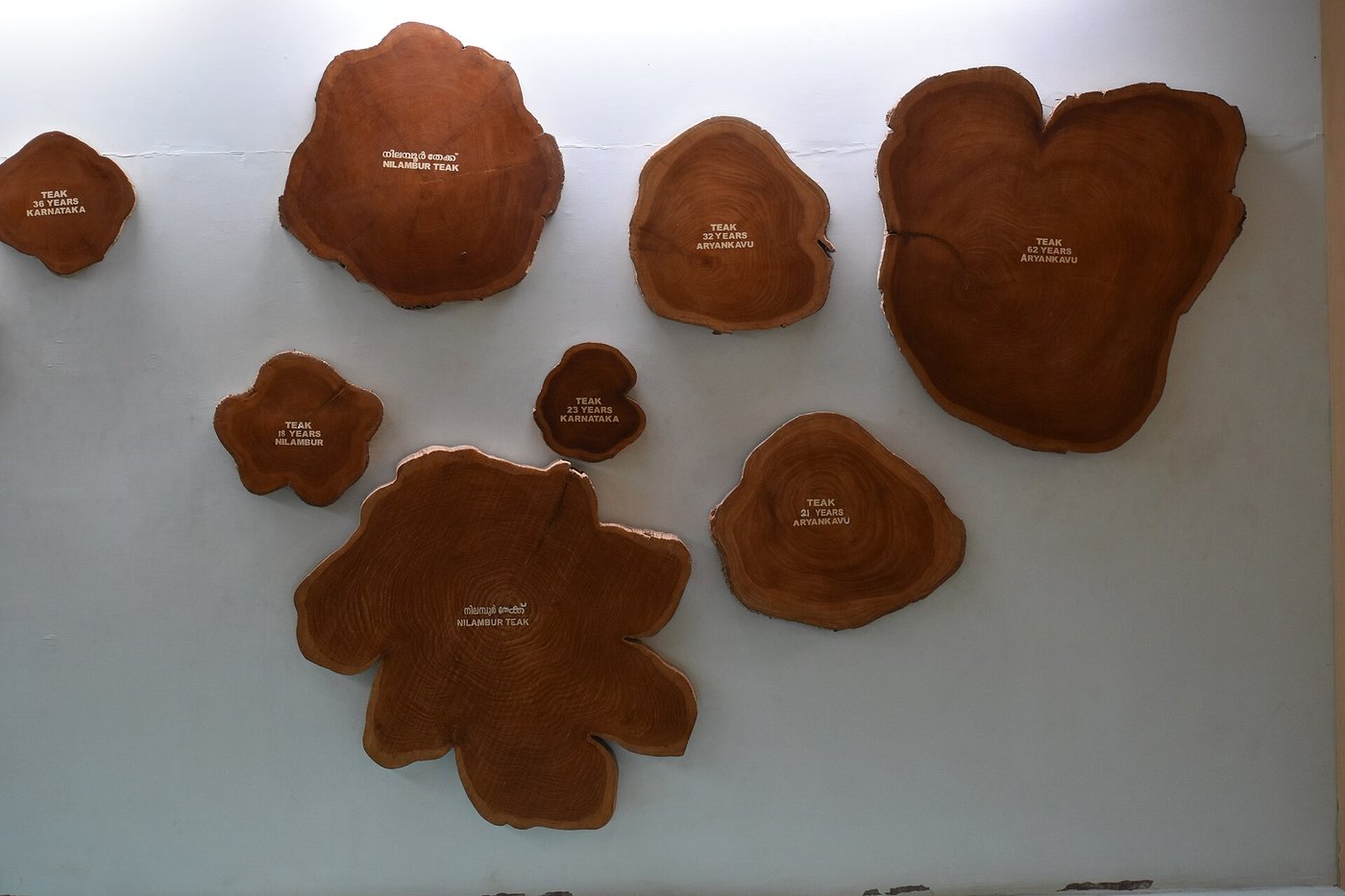
Tropical and imported species are a small share of world timber volume and a large share of its public profile. They are bought for properties temperate species cannot supply: extreme durability, extreme hardness, dimensional stability in wet service, and appearance.
| Species | Origin | Why it is chosen | Bought by |
|---|---|---|---|
| Teak | South and Southeast Asia, plantations elsewhere | Natural oils give outstanding stability and durability in wet service | Boatbuilders, high-end outdoor furniture, marine joinery |
| Genuine mahogany (Swietenia) | Central and South America | Stable, works beautifully, historic furniture standard | Fine furniture, instrument makers, restoration; CITES controlled |
| Sapele, utile, khaya | West and Central Africa | Mahogany-like appearance and working properties, more available | Joinery, windows and doors, furniture |
| Ipe and other dense tropical decking | South America | Extremely dense and durable; decades of outdoor service untreated | Commercial decking and boardwalk contractors |
| Meranti and lauan | Southeast Asia | Cheap, uniform, available in large sizes | Plywood, door skins, mouldings, concrete formwork |
| Eucalyptus | Plantations in South America, Iberia, Asia, Africa | Very fast growth, high pulp yield, hard and dense timber | Pulp mills above all; also flooring and structural products |
| Acacia | Plantations in Southeast Asia | Fast growth, attractive figure | Furniture, flooring, panel products |
| Balsa | Ecuador and plantations | Extraordinarily light with usable stiffness | Wind turbine blade cores, model making, insulation |
| Ebony, rosewood, bubinga and other tonewoods | Tropical, various | Density, acoustic properties, appearance | Musical instrument makers; several are CITES listed and trade is restricted |
Current commercial practice · End uses and buyer categories are editorial, compiled from species properties in USDA Forest Service, Wood Handbook (FPL-GTR-190) and from standard trade practice; CITES listings per the CITES appendices
CITES listings change. Anyone trading these species commercially checks the current appendices rather than relying on a table, and several species listed here have restrictions that differ between raw timber and finished products.
The legality regime
Imported timber carries a documentation burden that domestic timber does not, and it has grown substantially.
- CITES
- The international convention on trade in endangered species, which lists several commercial timbers. Listed species require permits, and the rules can differ between logs, sawn timber and finished articles.
- US Lacey Act
- Makes it unlawful to trade in plants and plant products harvested in violation of any applicable law, foreign or domestic, and requires import declarations for many wood products. It puts the burden of due care on the importer.
- EU Deforestation Regulation
- Requires operators placing relevant commodities, including wood, on the EU market to establish that they are deforestation-free and legally produced, with geolocation of the harvest plot.
- ISPM 15
- The phytosanitary standard for wood packaging: pallets and crates crossing borders must be heat treated or fumigated and stamped. It applies to the humblest wood product in international trade and is the reason pallets carry a mark.
Certification
Alongside the legal requirements sit voluntary certification schemes - FSC, PEFC and, in North America, SFI - which certify forest management and provide chain-of-custody documentation from forest to product. Certification is demanded by many large retail and construction buyers, commands a modest premium in some markets and none in others, and is cheaper per acre for large ownerships than for small family forests, which is why certified area is skewed towards industrial and public land.
- Imported species are bought for durability, stability and appearance that temperate species cannot supply.
- CITES, the Lacey Act, the EU deforestation regulation and ISPM 15 mean legality documentation now follows the wood.
- Certification is chain-of-custody documentation, and its cost structure favours large ownerships.
- CITES
- The convention regulating international trade in listed endangered species, including several timbers.
- Chain of custody
- Documentation tracing a product back through each handler to its source.
- ISPM 15
- The phytosanitary treatment standard for wood packaging in international trade.
- Wind poweron this site
- CITES appendicesprimary source
Check yourself
1. ISPM 15 applies to:
It is a phytosanitary standard aimed at pests travelling in packaging, and it is why pallets carry a treatment mark.
2. Balsa connects the timber trade to the wind industry because it is used as:
Its combination of very low density and usable stiffness makes it a structural core material in blades.
3. The US Lacey Act as it applies to timber makes it unlawful to:
It reaches foreign law and places a due-care burden on the importer, backed by a declaration requirement.
4. Forest certification area is skewed towards industrial and public ownerships because:
Audit and documentation costs are largely fixed, so they are far easier to carry over a large holding.