Rock to product, traced
Commodity Education
★
Commodity Education
Materials Mines & deposits Processing & refining Custody journeys Supply chains Companies Countries News
Materials by shelf Battery Materials Rare Earth Elements Copper & Electrical Semiconductor Materials Nuclear Materials Aerospace & Defence Precious Metals Steel & Alloy Metals Industrial Minerals Agricultural Minerals Energy Raw Materials Ore minerals Periodic table
Demand End markets Technologies Material calculator Maps Screener
Learn & tools LearnGlossary Courses Identify the Commodity Ask the DataAI agents Research & dataAPI ★ Saved
About About usMethodology Data sourcesContact Disclaimer
Reading options
Guided View New to ore grades, concentrate, refining and by-products? We explain every term as you browse, in plain English. Same data, with the help built in.
Expert View You already know the industry. Just the data: clean, fast and compact, with no extra explanations. This is the default view.
Theme
Interface language
Depth Material pages are written at four levels. Pick one on any material page and it is remembered.
★ Saved Research & data
glossary section

Every term, twice

Glossary

Once in plain language, so a ten-year-old could follow it. Then again the way a technical report would use it, so an engineer can rely on it.

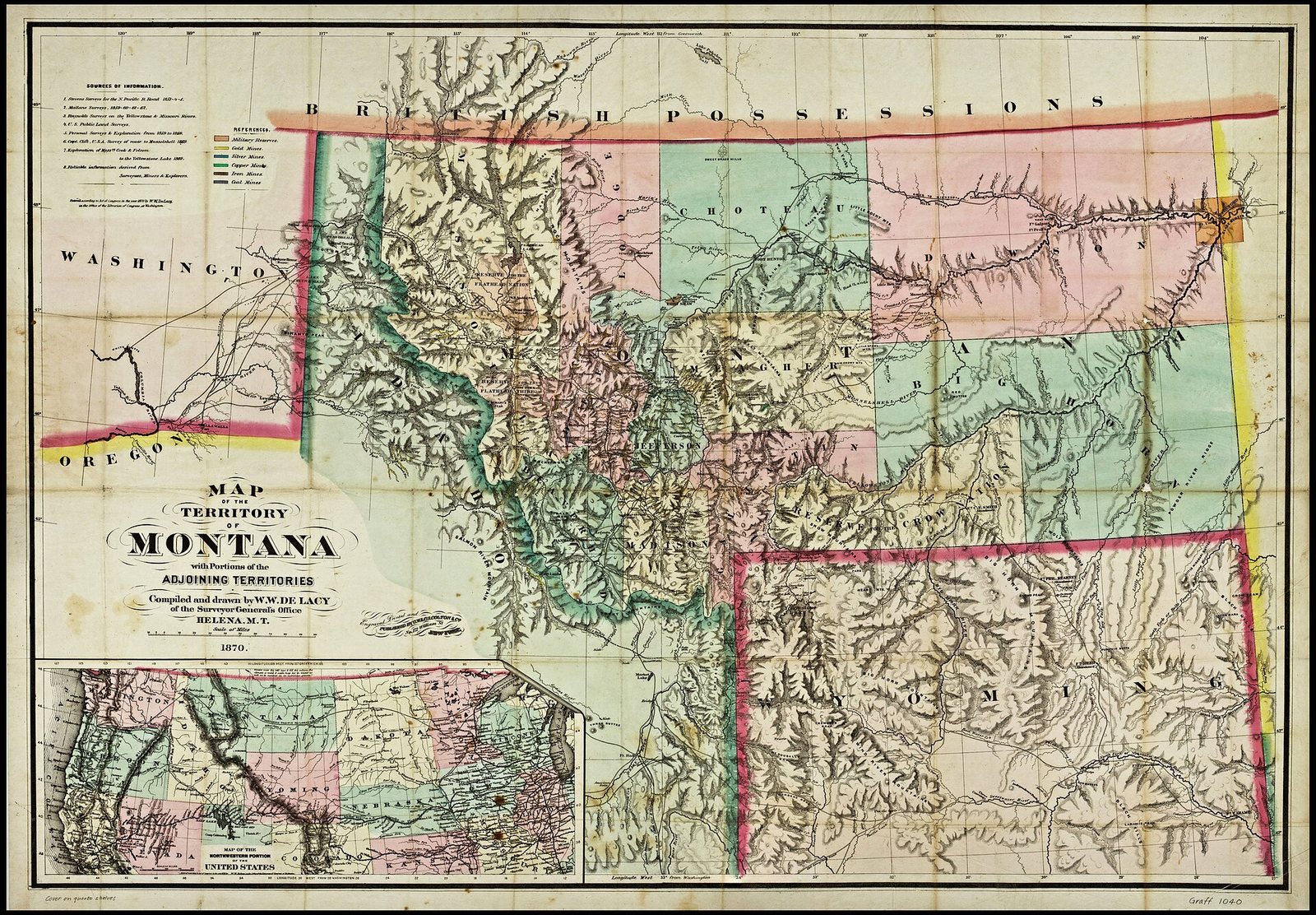
Map of the territory of Montana with portions of the adjoin… · De Lacy, W. W. (Walter Washington), 1819-1892 · Public domain · Wikimedia Commons

vein

A sheet-like filling of minerals occupying a crack in older rock, like a seam of material running through a block of stone.

Technically: In geology, a vein is a tabular body of minerals deposited by fluids that have crystallised within a fracture or fault in the host rock, typically under hydrothermal conditions. Veins are distinguished from dykes by their mineral (not igneous) fill, and from sedimentary layers by their cross-cutting or discordant relationship to surrounding strata. In economic geology, the term carries the specific implication that the mineralised fill is spatially discrete and bounded, which has direct consequences for how tonnage and grade are estimated during resource definition.

Geology

Materials

All materials Critical minerals Rare earths Battery materials Ore minerals Periodic table Screener

The ground

Mines & deposits Processing & refining Countries Maps

The economy

Custody journeys Supply chains End markets Technologies Companies Material calculator

Learn

LearnGlossary Ask the DataAI agents Research & dataOpen API News★ Saved

About us

About usContact MethodologyData sources Editorial policy Privacy policyTerms of use Disclaimer