소재 분야에서의 중요성
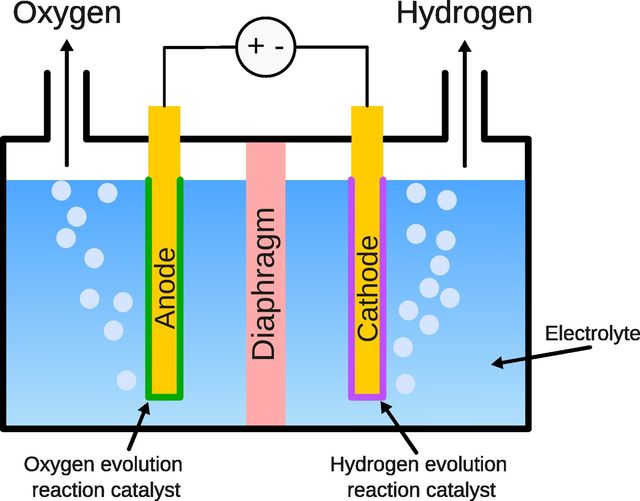
Two competing electrolyser designs have completely different material profiles. Alkaline needs nickel and steel; PEM needs platinum and iridium. Which one wins determines which metal becomes scarce.
구성 성분
전체 소재 →| 소재 | 여기에서의 기능 | 중요도 |
|---|---|---|
| Copper 핵심 광물 | Power delivery at very high current | 정의 |
| Iridium 핵심 광물 | PEM anode catalyst | 정의 |
| Nickel 핵심 광물 | Alkaline electrolyser electrodes | 정의 |
| Platinum 핵심 광물 | PEM cathode catalyst and fuel cells | 정의 |
| Iron & Steel | Stacks, vessels and piping | 중요 |
| Titanium 핵심 광물 | PEM bipolar plates | 중요 |
| Scandium 핵심 광물 | Solid-oxide cell electrolyte | 현재 |
| Yttrium 핵심 광물 | Solid-oxide cell electrolyte | 현재 |
Copper
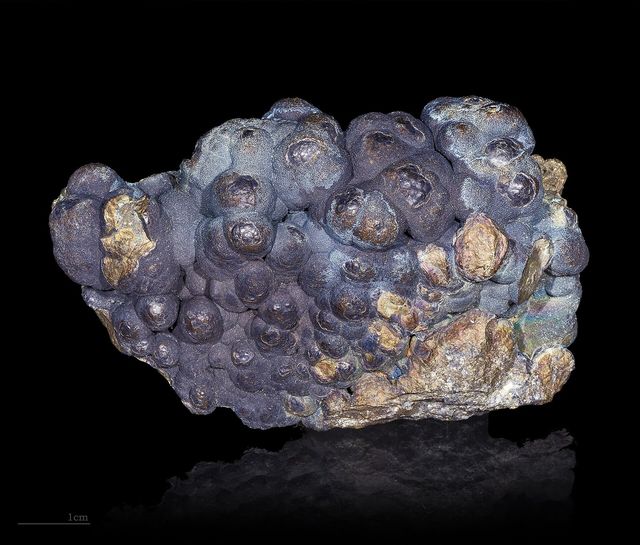
The reddish metal that carries electricity better than anything except silver, and which humans have been smelting…
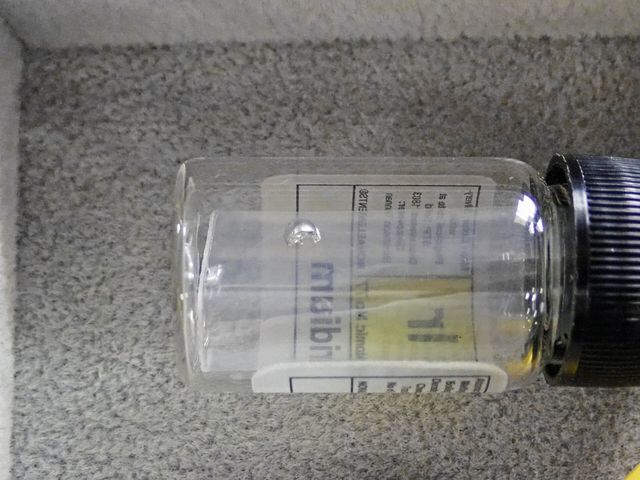
Iridium
The most corrosion-resistant metal known, and the second densest — a litre of it weighs about 22.5 kilograms.
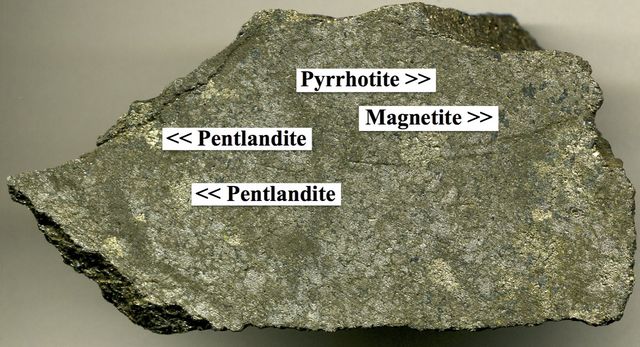
Nickel
A silvery metal that resists rust, which is why it goes into stainless steel — and, more recently, into the cathodes…
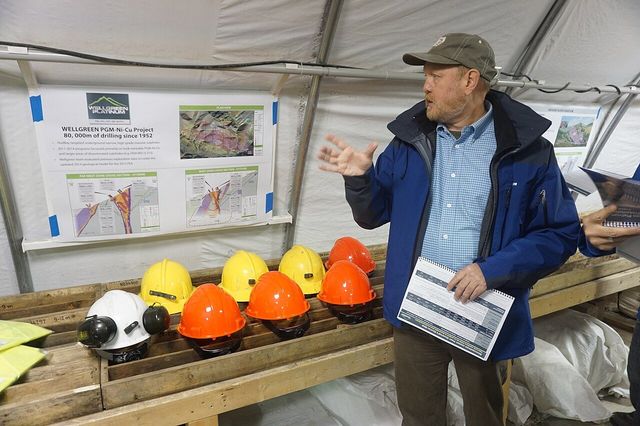
Platinum
A dense, unreactive metal that speeds up chemical reactions without being consumed by them.
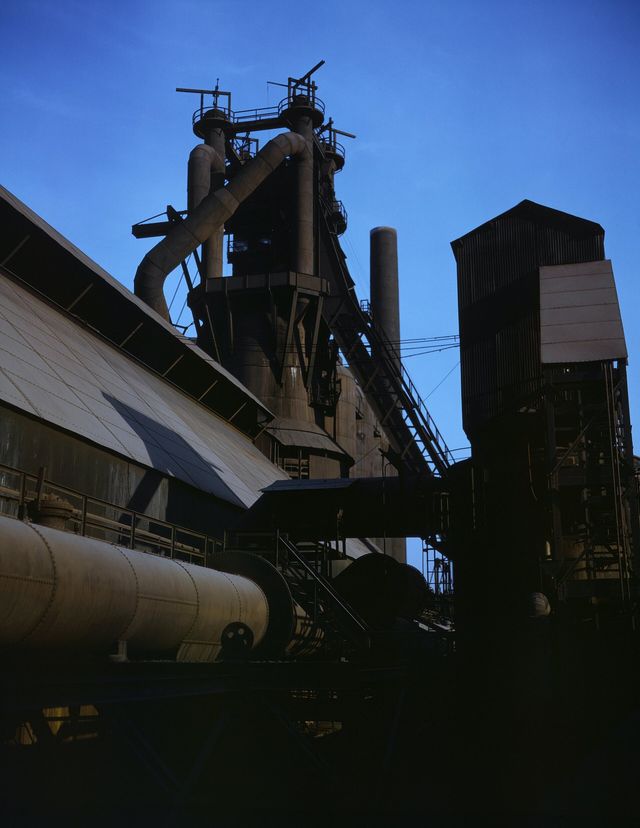
Iron & Steel
Iron with a little carbon in it, and the most-produced manufactured material on the planet.
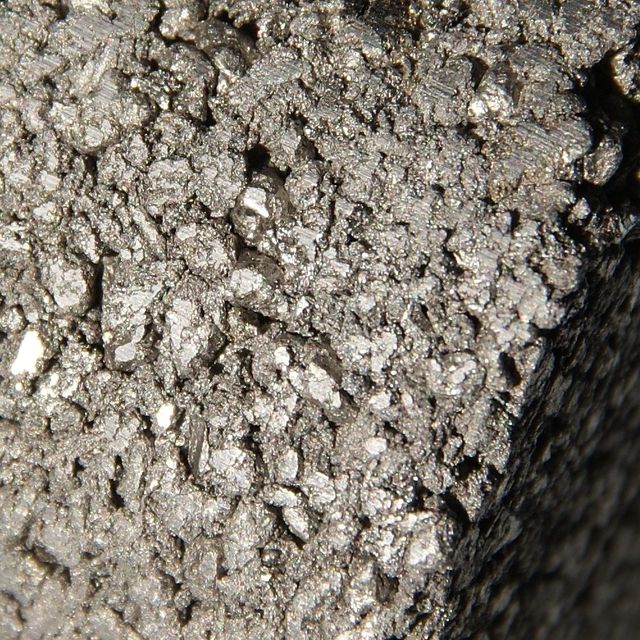
Titanium
A metal as strong as steel at about half the weight, which does not corrode in seawater or in the human body.