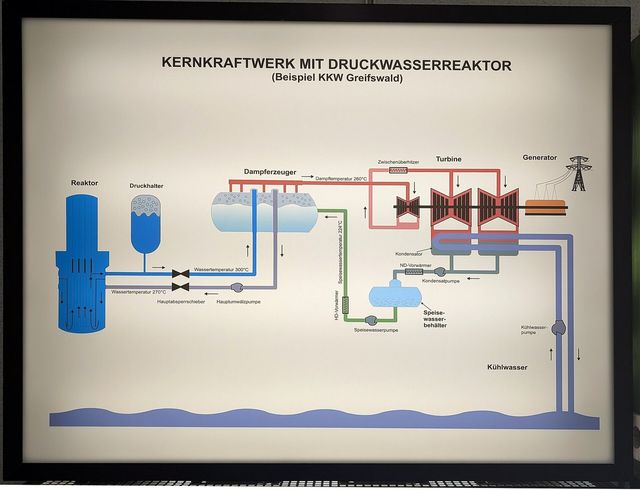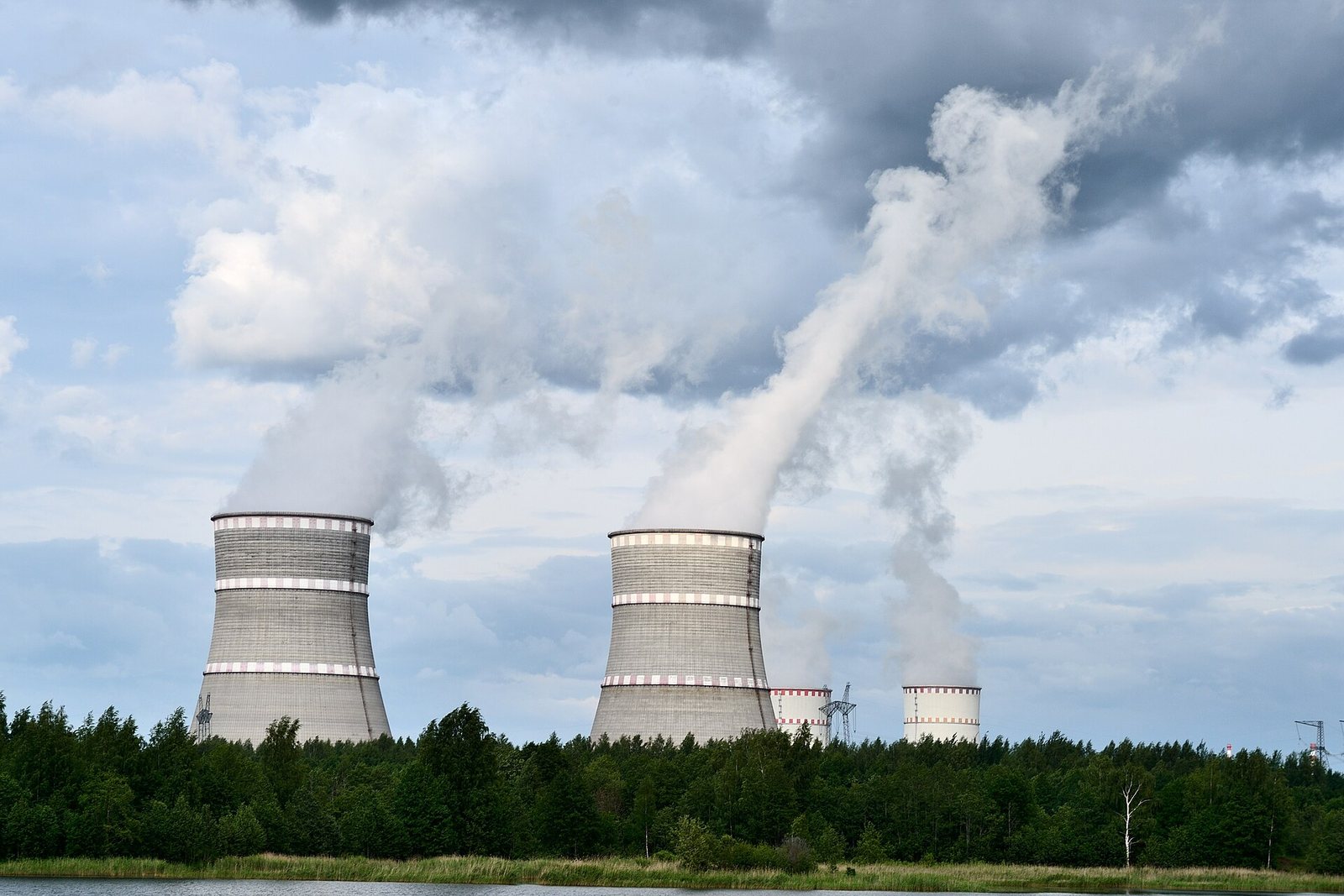
素材にとっての重要性
Nuclear's material demands are unusual: small tonnages of extraordinary specification. Zirconium alloy tubing with hafnium removed, boron and gadolinium for neutron control, and steels qualified to survive decades of radiation damage.
その組成
全素材 →| 素材 | ここでの機能 | 重要度 |
|---|---|---|
| Boron クリティカル | Neutron absorber in control and coolant chemistry | 定義 |
| Hafnium クリティカル | Control rods | 定義 |
| Uranium | The fuel | 定義 |
| Zirconium クリティカル | Fuel-rod cladding | 定義 |
| Chromium クリティカル | Corrosion resistance in reactor steels | 重要 |
| Copper クリティカル | Generator and switchyard | 重要 |
| Fluorspar クリティカル | Fluorine for uranium hexafluoride | 重要 |
| Gadolinium クリティカル | Burnable neutron poison in fuel | 重要 |
| Nickel クリティカル | Alloys for steam generators | 重要 |
| Silver クリティカル | Control-rod alloy in some PWR designs | 現在 |
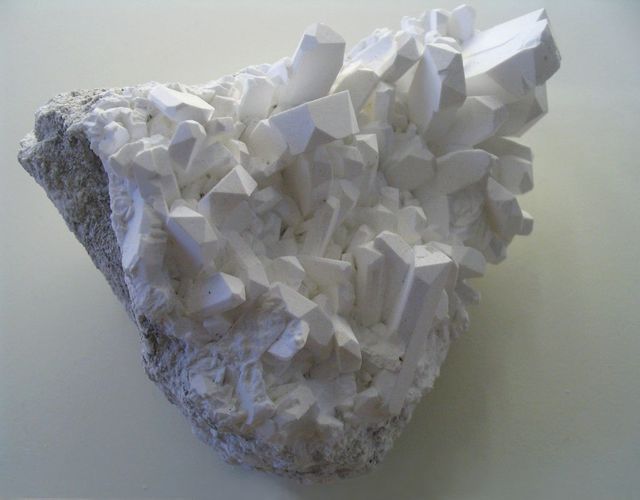
Boron
An element that makes glass resist thermal shock, fibreglass strong, and — with iron and neodymium — the strongest…
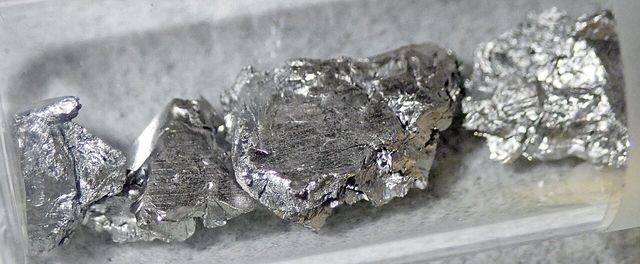
Hafnium
Zirconium's chemical shadow — always found with it, almost impossible to separate from it, and the opposite of it in…
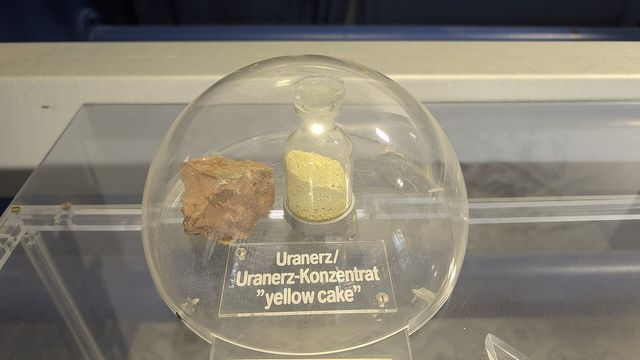
Uranium
A heavy, faintly radioactive metal whose nucleus can be split, releasing about two million times more energy per…
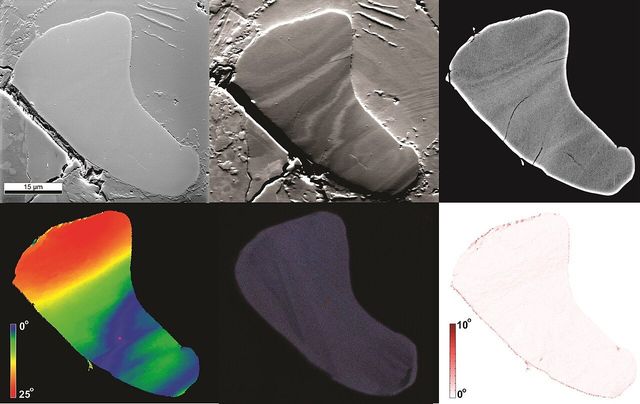
Zirconium
A metal that barely absorbs neutrons, which is why nuclear fuel rods are wrapped in it, and whose sand form is a…
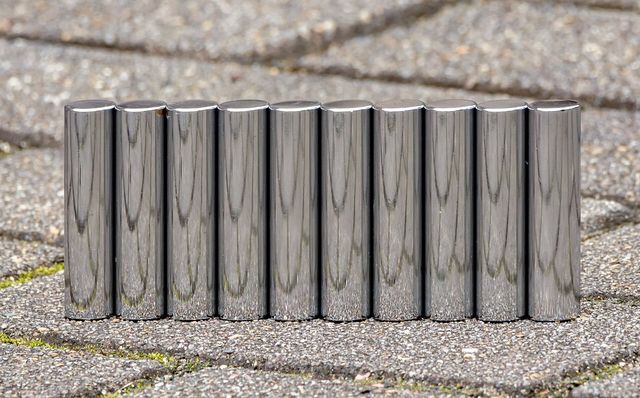
Chromium
The element that makes stainless steel stainless — at about eleven percent chromium, steel grows an invisible film…
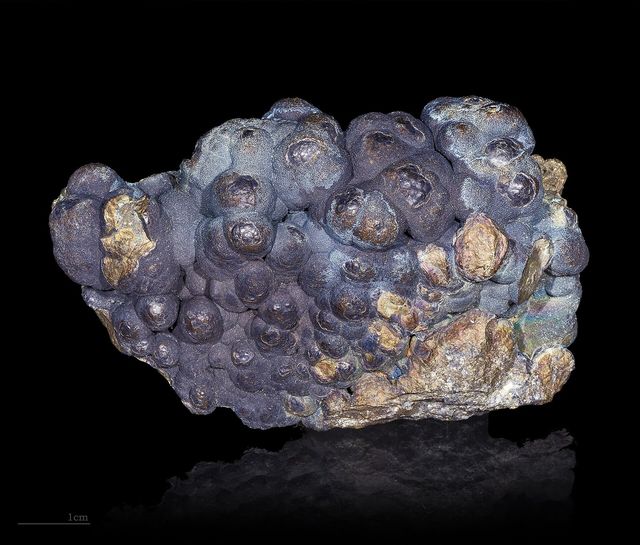
Copper
The reddish metal that carries electricity better than anything except silver, and which humans have been smelting…