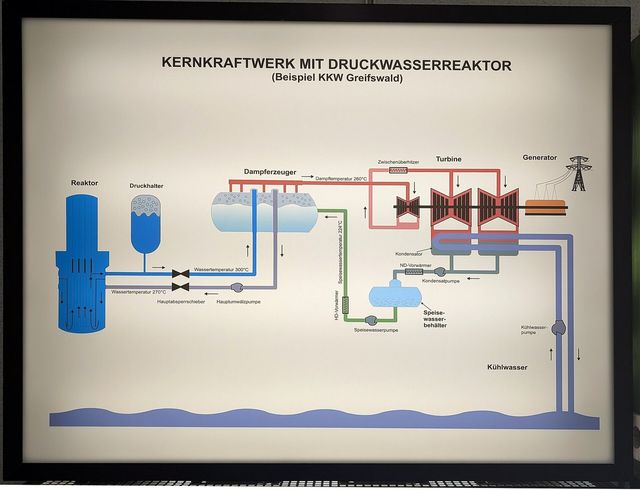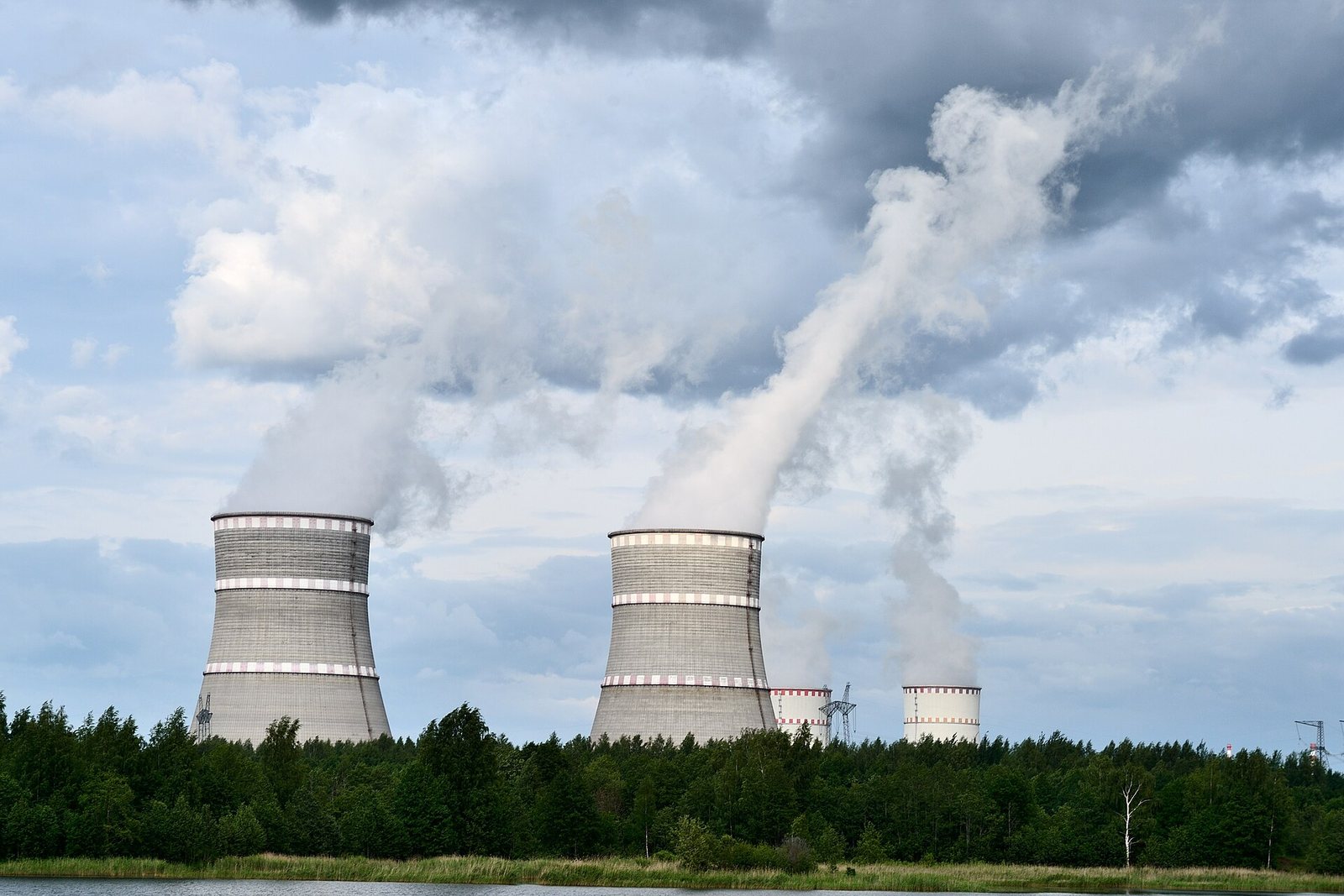
Waarom het voor materialen van belang is
Nuclear's material demands are unusual: small tonnages of extraordinary specification. Zirconium alloy tubing with hafnium removed, boron and gadolinium for neutron control, and steels qualified to survive decades of radiation damage.
Waaruit het bestaat
Alle materialen →| Materiaal | Wat het hier doet | Belang |
|---|---|---|
| Boron kritiek | Neutron absorber in control and coolant chemistry | Definiëren |
| Hafnium kritiek | Control rods | Definiëren |
| Uranium | The fuel | Definiëren |
| Zirconium kritiek | Fuel-rod cladding | Definiëren |
| Chromium kritiek | Corrosion resistance in reactor steels | Belangrijk |
| Copper kritiek | Generator and switchyard | Belangrijk |
| Fluorspar kritiek | Fluorine for uranium hexafluoride | Belangrijk |
| Gadolinium kritiek | Burnable neutron poison in fuel | Belangrijk |
| Nickel kritiek | Alloys for steam generators | Belangrijk |
| Silver kritiek | Control-rod alloy in some PWR designs | Heden |
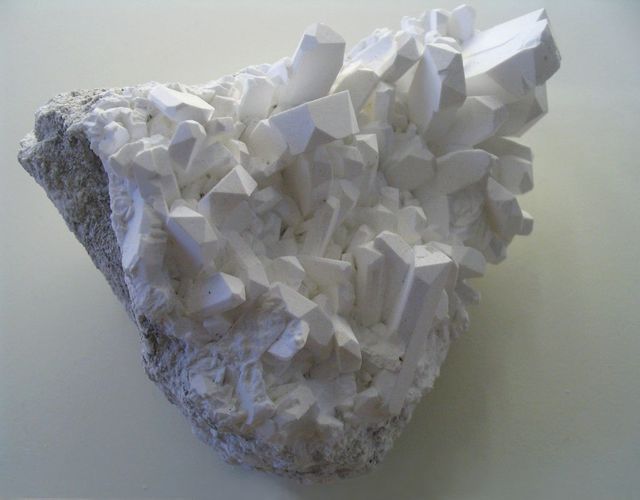
Boron
An element that makes glass resist thermal shock, fibreglass strong, and — with iron and neodymium — the strongest…
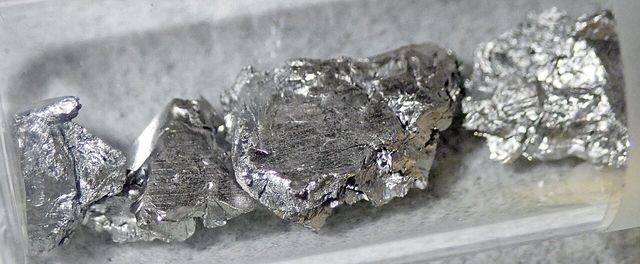
Hafnium
Zirconium's chemical shadow — always found with it, almost impossible to separate from it, and the opposite of it in…
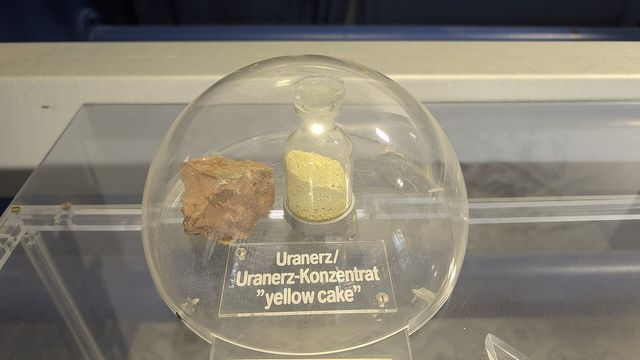
Uranium
A heavy, faintly radioactive metal whose nucleus can be split, releasing about two million times more energy per…
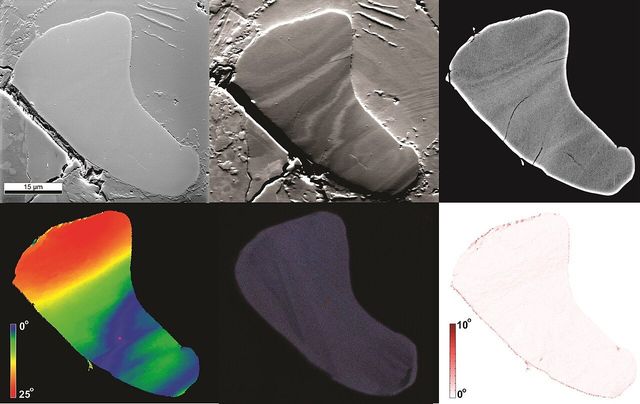
Zirconium
A metal that barely absorbs neutrons, which is why nuclear fuel rods are wrapped in it, and whose sand form is a…
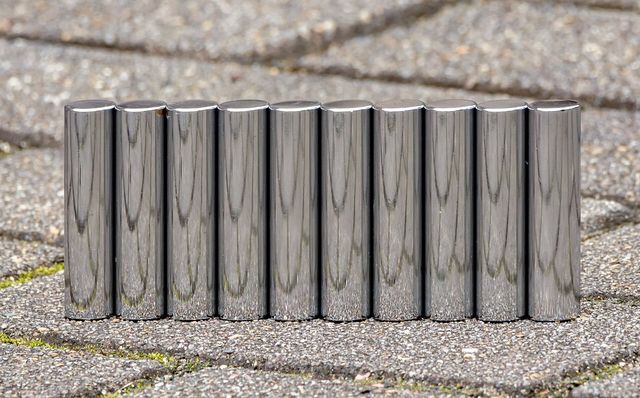
Chromium
The element that makes stainless steel stainless — at about eleven percent chromium, steel grows an invisible film…
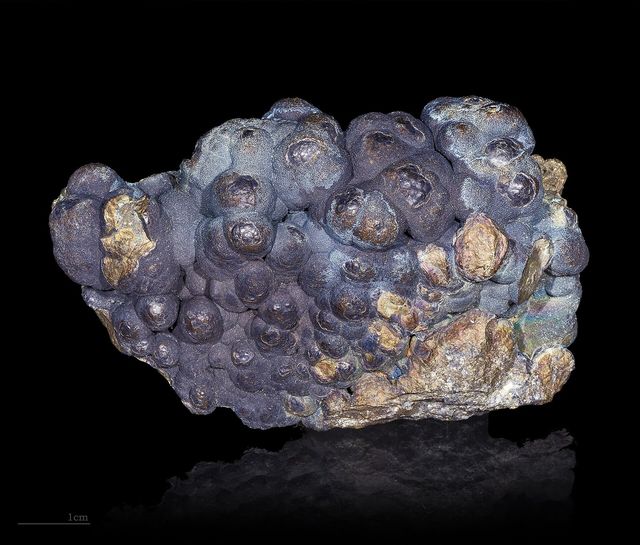
Copper
The reddish metal that carries electricity better than anything except silver, and which humans have been smelting…