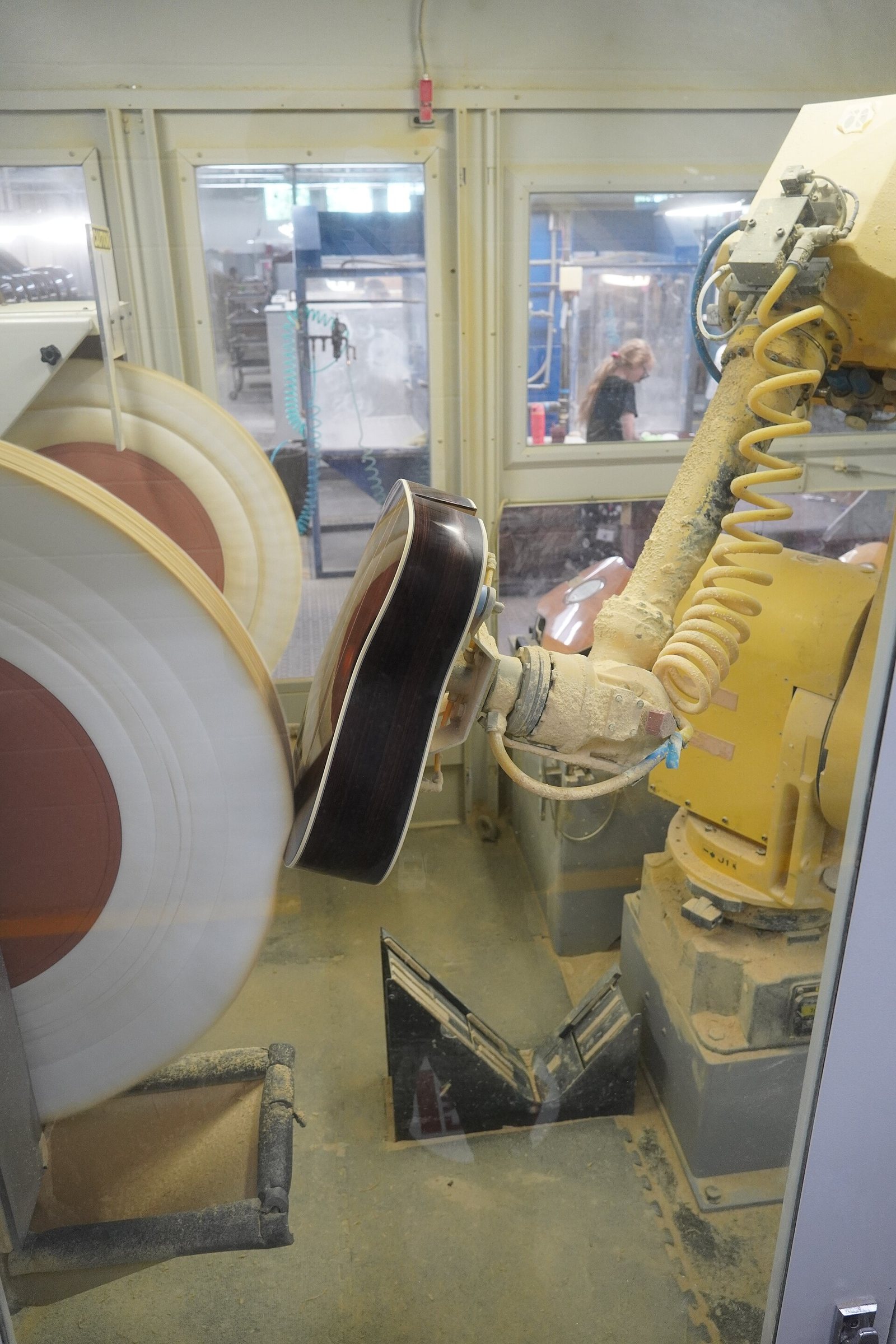
Why it matters to materials
A humanoid or industrial robot is essentially a stack of motors, and every efficient compact motor is a magnet problem. Robotics is where magnet demand meets chip demand in one product.
What it is made of
All materials →| Material | What it does here | Importance |
|---|---|---|
| Copper critical | Motor windings and wiring | Defining |
| Neodymium critical | Servo and joint motors | Defining |
| Silicon critical | Controllers and sensors | Defining |
| Aluminium critical | Structure and housings | Important |
| Dysprosium critical | Magnet heat resistance | Important |
| Gallium critical | Efficient motor drive electronics | Important |
| Lithium critical | On-board battery | Important |
| Samarium critical | High-temperature or compact magnets | Present |
| Titanium critical | Lightweight structural parts | Present |

Copper
The reddish metal that carries electricity better than anything except silver, and which humans have been smelting…
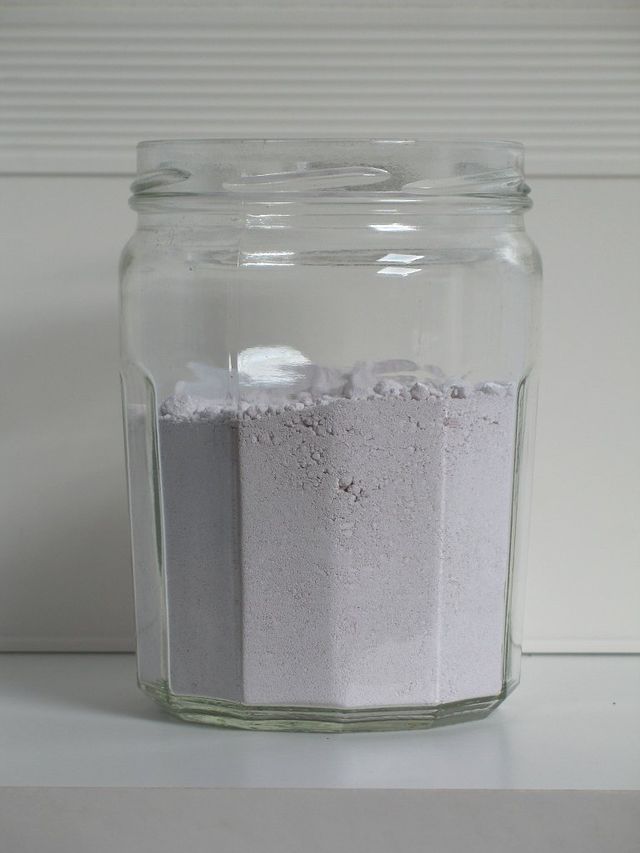
Neodymium
The rare earth at the heart of the strongest magnet ever made — the kind in headphones, hard drives, wind turbines…
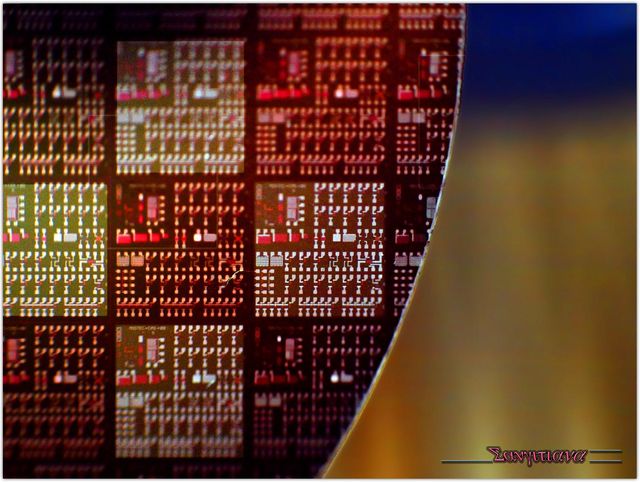
Silicon
The second-most-common element in the Earth's crust — ordinary sand — purified until only one atom in a billion is…

Aluminium
A light silvery metal made by passing an enormous electric current through dissolved bauxite — which is why people…
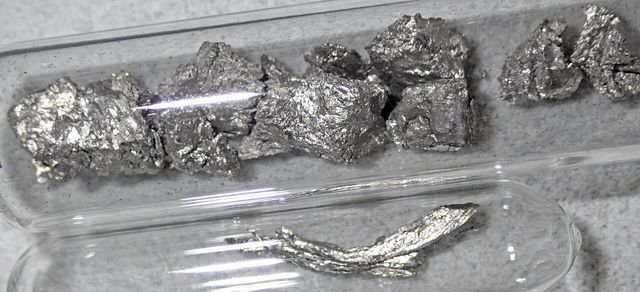
Dysprosium
A heavy rare earth added in small amounts to magnets so they keep working when they get hot.
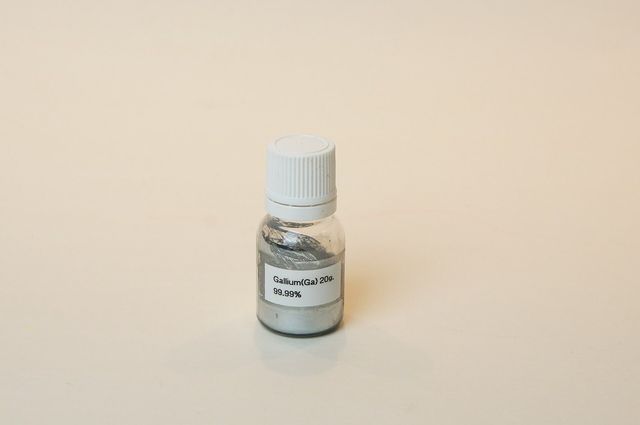
Gallium
A silvery metal that melts in your hand, and the basis of the compound semiconductors in fast chargers, radar and…