Dalla roccia al prodotto, tracciato
The Materials Atlas
Materiali Miniere e giacimenti Lavorazione e raffinazione Percorsi di custodia Filiere produttive Aziende Paesi Notizie
Materiali per scaffale Materiali per batterie Elementi delle terre rare Rame ed elettrico Materiali per semiconduttori Materiali nucleari Aerospazio e difesa Metalli preziosi Acciaio e metalli da lega Minerali industriali Minerali per l'agricoltura Materie prime energetiche Minerali mena Tavola periodica
Domanda Mercati finali Tecnologie Calcolatore di materiali Mappe Screener
Approfondisci e strumenti ApprofondisciGlossario Interroga i datiAgenti AI Ricerca e datiAPI ★ Salvato
Informazioni Chi siamoMetodologia Fonti dei datiContatti Avvertenza
Opzioni di lettura
🧭 Vista guidata Nuovo a tutto questo — tenori di minerale, concentrato, raffinazione, sottoprodotti? Spieghiamo ogni termine mentre navighi, in linguaggio chiaro. Stessi dati, con il supporto integrato.
⚡ Vista esperto Conosci già il settore. Solo i dati — puliti, rapidi e compatti, senza spiegazioni aggiuntive. Questa è la visualizzazione predefinita.
Tema
Lingua dell'interfaccia
Profondità Le pagine dei materiali sono scritte a quattro livelli. Selezionane uno in qualsiasi pagina di materiale: la scelta viene memorizzata.
★ Salvato Ricerca e dati
Alumina

Rame e materiali elettrici

Alumina

A fine white powder of aluminium oxide, the halfway product between bauxite rock and aluminium metal.

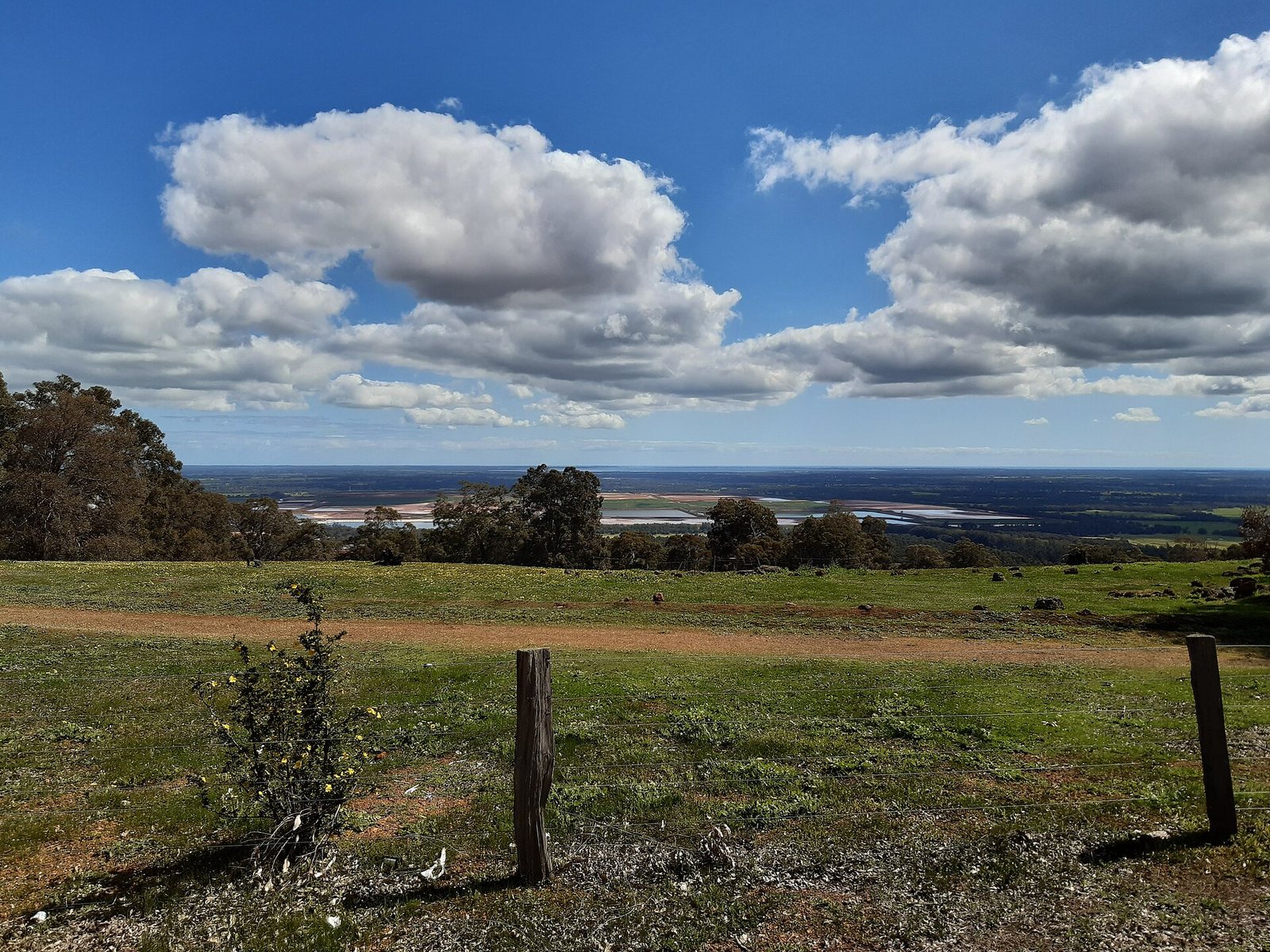
Pinjarra Alumina Refinery, September 2020 01 · Calistemon · CC BY-SA 4.0 · Wikimedia Commons

Che cos'è?

A fine white powder of aluminium oxide, the halfway product between bauxite rock and aluminium metal.

Perché è importante?

Alumina refining is where most of the bauxite chain's cost, energy and red-mud waste sits.

Where it is in the Earth

Alumina does not occur as a mineral in its own right in the way that, say, copper sulphides occur in a porphyry deposit. It is instead extracted from bauxite, a sedimentary rock — or more accurately a family of rocks — whose defining characteristic is a high concentration of aluminium hydroxide minerals. The three principal hydroxide minerals are gibbsite, boehmite and diaspore, all of which are forms of aluminium combined with water and oxygen. When bauxite is processed, those hydroxide minerals are the ones worth having; the rest of the rock is largely unwanted iron oxides, silica minerals and titanium oxides.

Bauxite forms through a process called laterisation, which is a type of deep chemical weathering. When warm, wet tropical or subtropical climates act on aluminium-bearing rocks over millions of years, rainfall slowly dissolves and carries away the soluble elements — principally silica, sodium, potassium and calcium — and leaves behind the relatively insoluble aluminium and iron compounds. The result is a residual, rust-red or cream-coloured material that can range from soft and earthy to hard and pisolitic (made of small rounded pellets, like fish roe). Because laterisation requires both long spans of geological time and sustained tropical rainfall, the world's major bauxite provinces sit on ancient cratons — stable, geologically quiet landmasses — in the humid tropics. Australia, Brazil, Guinea and western Africa hold the largest known accumulations for this reason.

The concentration of useful aluminium minerals in bauxite is expressed as the available alumina content, usually written as available Al₂O₃. Not all the aluminium in the rock is accessible to the standard chemical process; some is locked in clay minerals that resist extraction. A deposit's value depends not just on how much aluminium is present in total, but on how much can actually be recovered and at what cost. Deposits rich in gibbsite are generally easier and cheaper to process than those dominated by boehmite or diaspore, which require more severe process conditions.

Getting it out

Because bauxite formed by surface weathering, most deposits sit close to the surface or form the surface itself. Open-pit mining — sometimes called open-cast mining — is therefore the standard method. Overburden, meaning the vegetation, soil and any rock that sits above the bauxite layer, is removed by bulldozers and scrapers, after which the bauxite is broken up by blasting or, where the rock is soft enough, simply scraped or dug directly by excavators and loaded onto trucks. The stripped land is typically rehabilitated progressively as the mine face advances, with topsoil stockpiled and returned.

The ratio of waste moved to product recovered is modest by the standards of many hard-rock mines, partly because the ore body is at or near the surface and partly because bauxite grades are relatively high — the useful material makes up a substantial proportion of what is dug. However, because alumina is a high-volume, lower-value commodity compared with metals like copper or gold, operating costs per tonne matter enormously, and the scale of individual operations is correspondingly large. Distance from port and the cost of transporting bulky ore are major factors in determining which deposits are economic to work.

Most bauxite is shipped to a refinery rather than processed at the mine mouth, though some vertically integrated operations co-locate the two. The ore is typically crushed and dried before export or transport, partly to reduce weight and partly because moisture increases shipping costs and can cause handling problems.

What pulls on it

Alumina has two distinct markets. The much larger one is smelter-grade alumina, which is fed to aluminium smelters where it is dissolved in molten cryolite and electrolysed to produce aluminium metal. Because essentially all primary aluminium begins as alumina, and because the two are linked by a fixed stoichiometric relationship — it takes slightly less than two tonnes of alumina to produce one tonne of aluminium — demand for smelter-grade alumina moves almost in lockstep with demand for primary aluminium. The drivers of aluminium demand — construction, transport, packaging and, increasingly, electrical applications in vehicles and grids — therefore govern the largest part of the alumina market.

The smaller chemical-grade market is genuinely separate. Chemical-grade alumina includes a range of purity and crystal-size specifications suited to uses such as abrasives, technical ceramics, catalyst supports, fire-retardant fillers and specialist refractory materials. These applications are individually small but collectively significant, and they are less tightly coupled to the aluminium metal cycle. Some of them are growing as demand for advanced ceramics in electronics and wear-resistant materials increases.

For demand to shift sharply downward, something significant would have to happen to primary aluminium production — either a large-scale substitution of aluminium by another material in its main end uses, or a step-change in secondary aluminium (recycled metal) supply sufficient to displace a meaningful fraction of smelter demand for primary metal. Neither of those conditions has been met historically, though the growth of aluminium recycling does slow, at the margin, the growth rate of demand for primary metal and therefore for alumina.

Turning ore into product Livello 3

The standard route from bauxite to alumina is the Bayer process, developed in the nineteenth century and still the basis of every large-scale refinery in the world. In outline, crushed bauxite is mixed with a hot, concentrated sodium hydroxide solution — caustic soda — under elevated temperature and pressure. This dissolves the aluminium hydroxide minerals selectively, leaving most of the iron oxides, silica compounds and titanium minerals undissolved. The resulting slurry is separated: the solid residue, universally known as red mud or bauxite residue, is pumped to storage facilities, and the aluminium-rich liquor — called the green liquor or pregnant liquor — passes forward.

The aluminium is then precipitated back out of solution as aluminium hydroxide (Al(OH)₃) by seeding the liquor with fine crystals and cooling it. This precipitation step is slow and requires large, carefully managed tanks. The precipitated hydroxide is filtered off, washed, and then calcined — heated in a rotary kiln or fluid-bed calciner to around 1,000 degrees Celsius — to drive off the water and convert it to the anhydrous aluminium oxide powder that is alumina proper. The caustic liquor is reconcentrated by evaporation and recycled back to the digestion step; managing the caustic circuit is one of the principal operating costs.

The main loss points in the process are the silica minerals in the ore, which react with caustic soda to form an insoluble compound called desilication product (DSP) and consume caustic in the process — a double cost, since it both destroys reagent and reduces alumina yield. Red mud disposal is the other major constraint: it is generated in large volumes, is strongly alkaline, and contains trace metals. Refineries that process gibbsite-rich ores can operate at lower temperatures and pressures than those handling boehmite or diaspore ores, which explains why bauxite mineralogy has a direct bearing on refinery capital and energy costs. Energy — principally for the calcination and evaporation steps — is typically the single largest operating cost item in an alumina refinery, and its price relative to product value determines the economics of many plants.

Substitution and recycling Livello 3

For the dominant smelter-grade use, there is no meaningful substitute for alumina: the Hall–Héroult electrolysis process that produces aluminium metal requires alumina as its feedstock, and no alternative feedstock has reached commercial scale. Replacing alumina in this context would mean replacing the entire smelting technology, which is not a near-term prospect. The practical question of substitution therefore applies at one step removed — whether aluminium itself can be replaced in its end uses, or whether recycled aluminium can displace primary production and thereby reduce alumina demand. Recycled aluminium requires no alumina at all, which is a strong economic incentive in its favour, but recovering and sorting used aluminium at scale from complex manufactured products remains challenging, and global scrap availability does not yet come close to meeting total aluminium demand.

In the chemical-grade market, substitution is more application-specific. Silicon carbide can replace alumina in some abrasive applications and offers better performance at very high temperatures, but at higher cost. Zirconia and silicon nitride serve in high-performance ceramics where alumina's mechanical or thermal properties are insufficient, again at cost premiums. For fire-retardant filler applications, magnesium hydroxide is a direct competitor with a somewhat different thermal profile. In each case the substitute either costs more, performs differently across a range of properties, or requires the downstream user to redesign their product — meaning that switching happens gradually and usually only when performance or regulatory requirements make it worthwhile.

Where the chain is fragile Livello 4

The production data illustrate a concentration pattern that merits careful reading. Of the 150,000 thousand metric dry tonnes of alumina produced globally in 2025, China accounts for 93,000 thousand metric dry tonnes — well over half of world output. Australia, the next largest producer, contributes 17,000 thousand metric dry tonnes, with Brazil at 11,000 thousand metric dry tonnes and India at 8,200 thousand metric dry tonnes. The remaining producers are each substantially smaller. This means that any sustained disruption to Chinese refinery output — whether from energy constraints, environmental enforcement, or feedstock logistics — would have an immediate and disproportionate effect on global supply. The United States produces no alumina domestically at meaningful scale and in 2025 was estimated to be 71 percent net import reliant, sourcing primarily from Brazil, Jamaica, Australia and Canada.

A structural feature of the alumina chain that published statistics can obscure is the distinction between where bauxite is mined and where it is refined. Several significant alumina producers — including the United Arab Emirates, Saudi Arabia and Ireland, all of which appear in the production table — have no domestic bauxite resource and import ore, sometimes from great distances. Their refineries are therefore exposed to disruptions in international bauxite trade, including export policy changes in source countries, shipping route risks and port capacity constraints. Indonesia, which does appear in the table as both a bauxite source and an alumina producer, has historically imposed and then modified bauxite export restrictions, and the effect of that policy on trade flows is an example of how quickly a regulatory decision can redirect supply.

Published alumina production figures also carry a methodological caveat worth noting in research contexts. Output is reported on a metric dry tonne basis, but the moisture content of alumina in trade and storage is not always consistent across sources, and some national statistics are derived from refinery capacity and utilisation surveys rather than direct measurement. The unit basis noted in the data — gross weight of Al₂O₃ — is standard for traded smelter-grade material, but chemical-grade products are sometimes reported on different purity or specification bases, making direct aggregation across market segments imprecise. Where refinery-level data disagree with country-level aggregates, the discrepancy usually reflects differences in reporting year, inclusion or exclusion of captive production consumed within an integrated company, or the treatment of tolling arrangements where ore ownership and processing take place in different jurisdictions.

Leggere correttamente i numeri. Gross weight of alumina (Al2O3), roughly half of which is aluminium by mass. Smelter-grade alumina powder; a smaller chemical-grade market serves ceramics and abrasives.

Alumina, refinery production

Alumina, refinery productionthousand metric dry tons 2025 (stimato) Totale mondiale 150,000 thousand metric dry tons

USGS Mineral Commodity Summaries 2026 · Gross weight of alumina (Al2O3), roughly half of which is aluminium by mass. · fonte ↗

Scorrere la tabella lateralmente per visualizzare le colonne rimanenti.

PaeseProduzione Quota mondiale
China 93,000 62.0%
Australia 17,000 11.3%
Brazil 11,000 7.3%
India 8,200 5.5%
Russia 2,900 1.9%
United Arab Emirates 2,300 1.5%
Saudi Arabia 1,900 1.3%
Ireland 1,700 1.1%
Jamaica 1,500 1.0%
Vietnam 1,500 1.0%
Kazakhstan 1,500 1.0%
Indonesia 1,500 1.0%
Canada 1,500 1.0%
Other countries 1,300 0.9%
Greece 850.0 0.6%
Spain 810.0 0.5%
United States 710.0 0.5%
Germany 460.0 0.3%
Guinea 360.0 0.2%
Turkey 310.0 0.2%
Totale mondiale 150,000100%

«Withheld» significa che l'USGS ha soppresso il dato per evitare di divulgare informazioni relative a una singola azienda — non equivale a zero. I valori per paese non sempre sommano al totale mondiale perché la fonte arrotonda ciascun dato in modo indipendente e non sempre disaggrega la voce «altri paesi».

Prezzo

average unit value of imports, f.a.s., dollars per metric ton

Media annualedollars per metric ton

2021 · 462.0 alto 590.0 dollars per metric ton 2025 · 590.0

Base: average unit value of imports, f.a.s., dollars per metric ton. Medie annuali pubblicate in USGS Mineral Commodity Summaries 2026 · fonte ↗. Queste sono medie annuali di riferimento, non quotazioni di mercato in tempo reale.

Dove viene lavorato e raffinato

ImpiantoTipo FasePaeseRuolo
Bayer-Process Alumina Refineries, Western Australia RaffineriaLavorazione AustraliaOutput

Seguilo attraverso i confini

Tutti i percorsi →

Dove va effettivamente un lotto di questo materiale — ogni paese, ogni custode e cosa rimane indietro a ogni tappa.

Guinean bauxite to an aluminium window frame Four tonnes of tropical soil, two tonnes of white powder, one tonne of metal — and the metal is made wherever the power is… da Guinea · Gibbsitic bauxite, roughly 45% alumina, low silica

Materiali

Tutti i materiali Minerali critici Terre rare Materiali per batterie Minerali mena Tavola periodica Screener

Il sottosuolo

Miniere e giacimenti Lavorazione e raffinazione Paesi Mappe

L'economia

Percorsi di custodia Filiere produttive Mercati finali Tecnologie Aziende Calcolatore di materiali

Approfondisci

ApprofondisciGlossario Interroga i datiAgenti AI Ricerca e datiAPI aperta Notizie★ Salvato

Chi siamo

Chi siamoContatti MetodologiaFonti dei dati Politica editoriale Informativa sulla privacyCondizioni d'uso Avvertenza