Rock to product, traced
The Materials Atlas
Materials Mines & deposits Processing & refining Custody journeys Supply chains Companies Countries News
Materials by shelf Battery Materials Rare Earth Elements Copper & Electrical Semiconductor Materials Nuclear Materials Aerospace & Defence Precious Metals Steel & Alloy Metals Industrial Minerals Agricultural Minerals Energy Raw Materials Ore minerals Periodic table
Demand End markets Technologies Material calculator Maps Screener
Learn & tools LearnGlossary Ask the DataAI agents Research & dataAPI ★ Saved
About About usMethodology Data sourcesContact Disclaimer
Reading options
🧭 Guided View New to this — ore grades, concentrate, refining, by-products? We explain every term as you browse, in plain English. Same data, with the help built in.
⚡ Expert View You already know the industry. Just the data — clean, fast and compact, with no extra explanations. This is the default view.
Theme
Interface language
Depth Material pages are written at four levels. Pick one on any material page and it is remembered.
★ Saved Research & data
Guinean bauxite to an aluminium window frame

Custody journey · starts in Guinea

Guinean bauxite to an aluminium window frame

Four tonnes of tropical soil, two tonnes of white powder, one tonne of metal — and the metal is made wherever the power is cheapest.

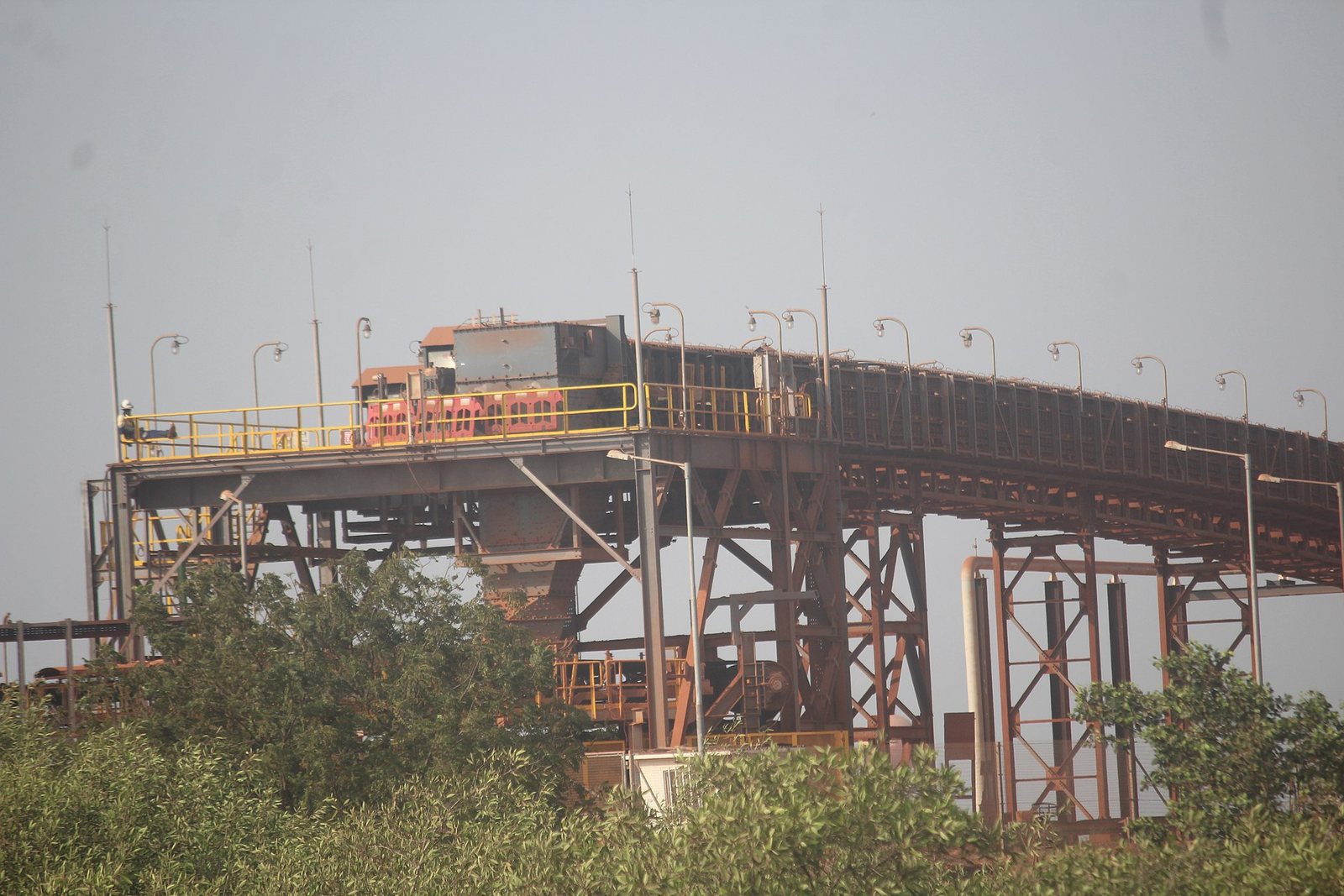
Tapis de transport de bauxite d GAC a kamsar 12 · Aboubacarkhoraa · CC BY-SA 4.0 · Wikimedia Commons
1,000 tonnes of bauxite as mined
250 tonnes of primary aluminium
Guinea → China · Bulk carrier China → United Arab Emirates United Arab Emirates → Germany Guinea — Scraping the plateau 1 Guinea China — Rail to the coast, then a Capesize 2 China United Arab Emirates — Electricity, made solid 3 United Arab Emirates Germany — Frames, cans, cables, car bodies 4 Germany
Numbered in the order the material travels. Click a country to open its page. Equirectangular projection drawn from country centroids — the arcs show which borders are crossed, not the actual sailing route.

What is actually moving

Bauxite is red soil. It is refined into alumina, and alumina is smelted into aluminium by passing an enormous electric current through it. Because that last step is essentially electricity in solid form, the smelter is built next to cheap power rather than next to the mine — often on a different continent.

The material
Bauxite
The variety
Gibbsitic bauxite, roughly 45% alumina, low silica
Where it starts
Guinea — The Boké plateau, part of the largest bauxite reserve base in the world
Why this route and not another. Smelting a tonne of aluminium takes on the order of 14 megawatt-hours. Freight on alumina is trivial next to that. So the rock travels to the power, and Guinea exports soil rather than metal.
The narrowest link. Electricity, and the alumina refineries in between. Guinea has the world's largest reserves and almost no smelting capacity.
Read the two numbers on each step: what went in, and what came out. Watching them shrink is the point. By the end you will have followed a thousand tonnes of rock down to a few kilograms of the thing that actually does the work.

Step by step, and border by border

01 Extraction 1,000tonnes

Guinea · Boké, Guinea held by Mining consortia with the Guinean state (Miner)

Scraping the plateau

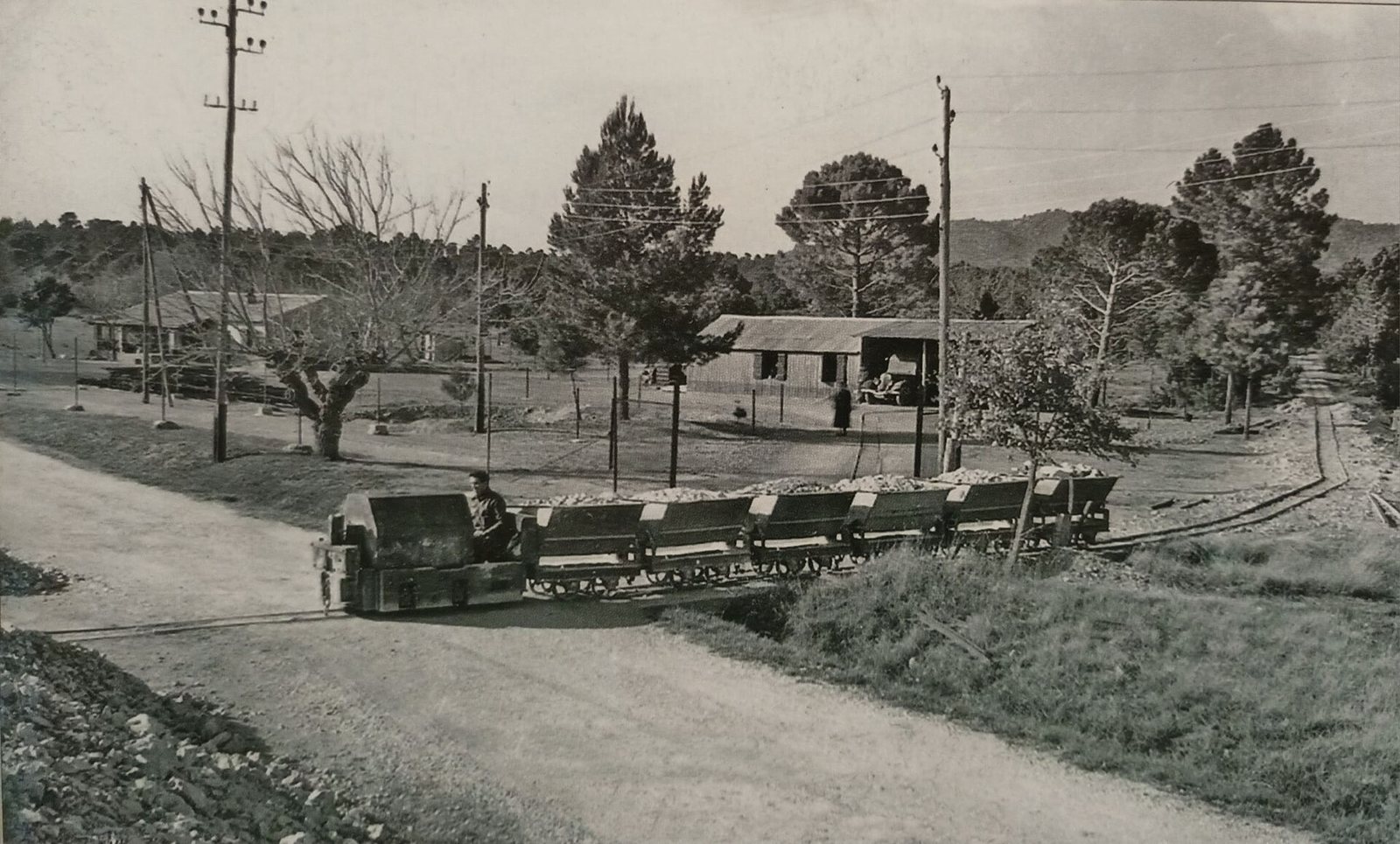
Bauxite lies at or near the surface under a thin overburden. It is ripped and loaded — no blasting, no grinding, no flotation. The simplest large-scale mining there is.

1,000 tonnesbauxite in the ground 1,000 tonnescrushed bauxite

Why here: Tropical weathering over millions of years made this. West Africa and northern Australia have most of it.
continuous Bauxite →
Scraping the plateau
Bauxite, Le secteur du Val, Var, nord-o… · Public domain via Wikimedia Commons
02 Transport 1,000tonnes

China · Kamsar, then Chinese and Gulf refineries held by Traders and refiners (Trader)

Rail to the coast, then a Capesize

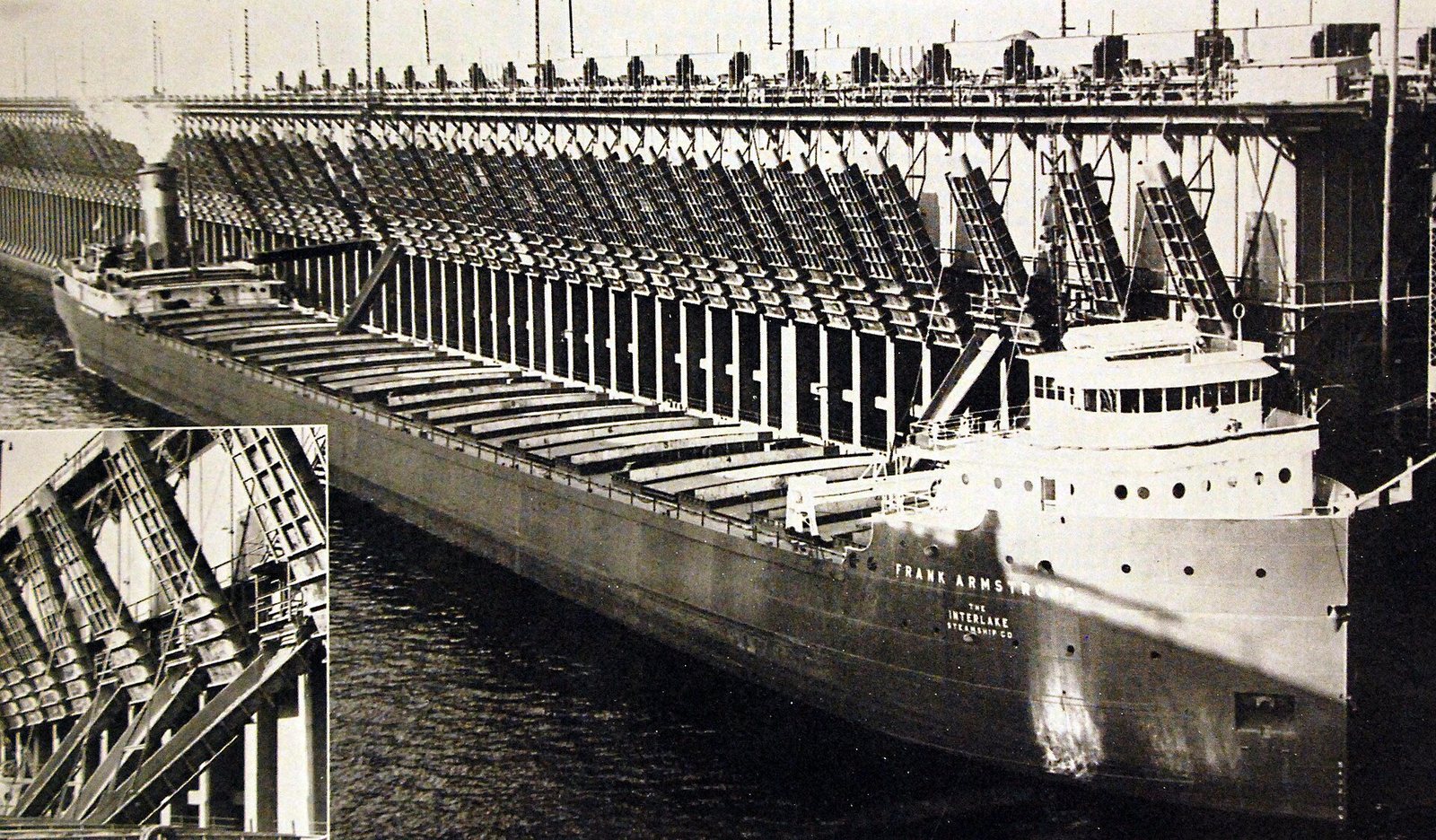
Railed to a purpose-built port and loaded onto bulk carriers. Guinea ships hundreds of millions of tonnes a year of what is, physically, dirt.

1,000 tonnesbauxite 1,000 tonnesdelivered

Why here: An export ban would force refining onshore — several countries have tried exactly that with different minerals.
Bulk carrier ~4 weeks Port of Rotterdam Bulk Terminals →
Rail to the coast, then a Capesize
Loading high grade iron ore into the SS… · Public domain via Wikimedia Commons
03 Processing 490tonnes

China · Alumina refinery held by Refiner (Refiner)

The Bayer process

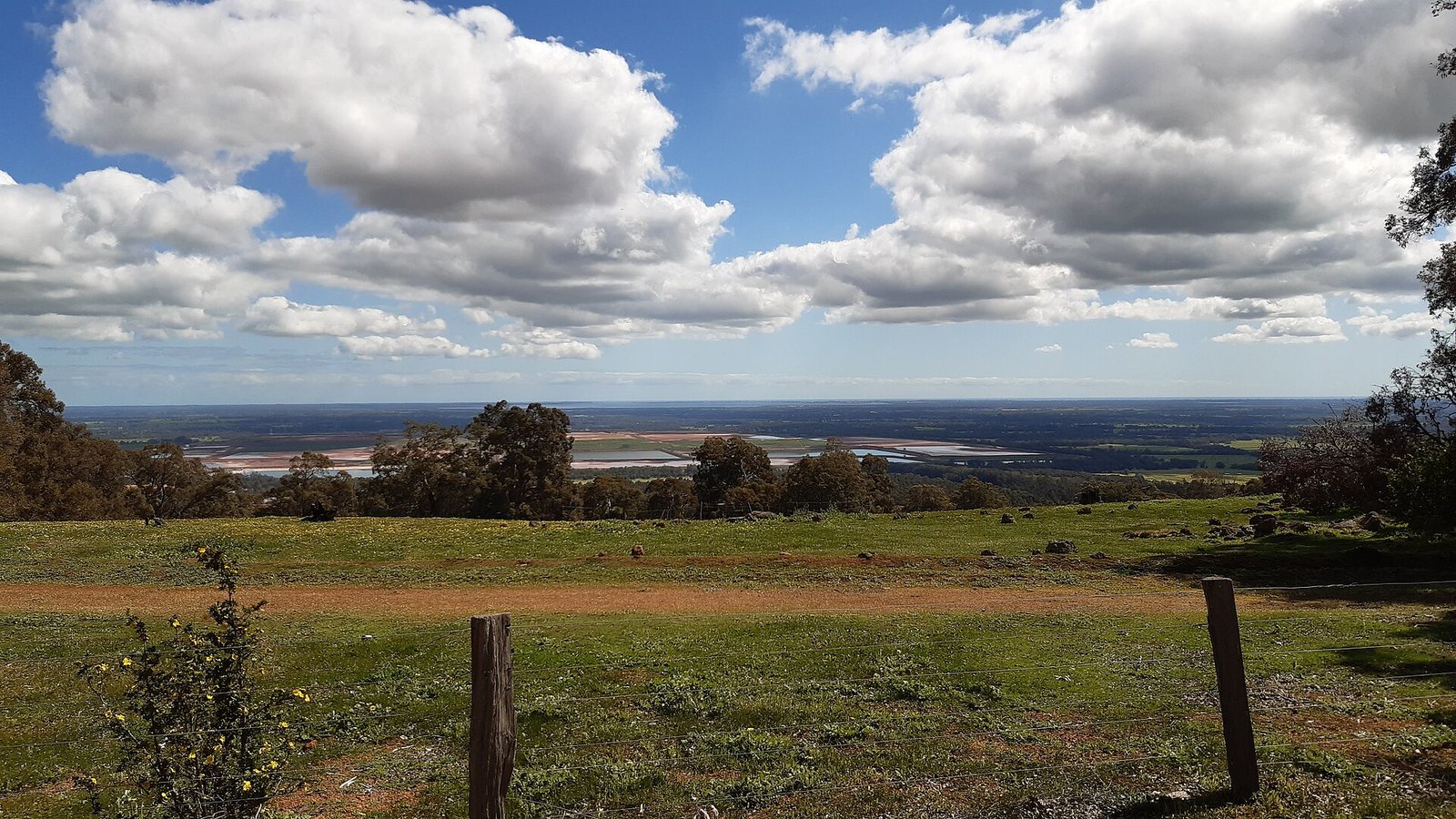
Digested in hot caustic soda under pressure. The alumina dissolves; the iron and silica do not, and settle out as red mud. The dissolved alumina is then precipitated and calcined to a white powder.

1,000 tonnesbauxite 490 tonnesalumina

What happened to the rest: Red mud is the largest single waste stream in the metals industry by volume, and it is caustic. Storing it safely is the defining problem of this step.

Why here: Refineries sit near ports and near smelters. Some are in Guinea now, but most of the capacity is not.
hours Alumina →
The road not taken The other great bulk trade Iron ore does the same thing at ten times the tonnage.
The Bayer process
Pinjarra Alumina Refinery, September 2020 03 · CC BY-SA 4.0 via Wikimedia Commons
04 Refining 250tonnes

United Arab Emirates · Smelter, wherever power is cheap held by Smelter (Refiner)

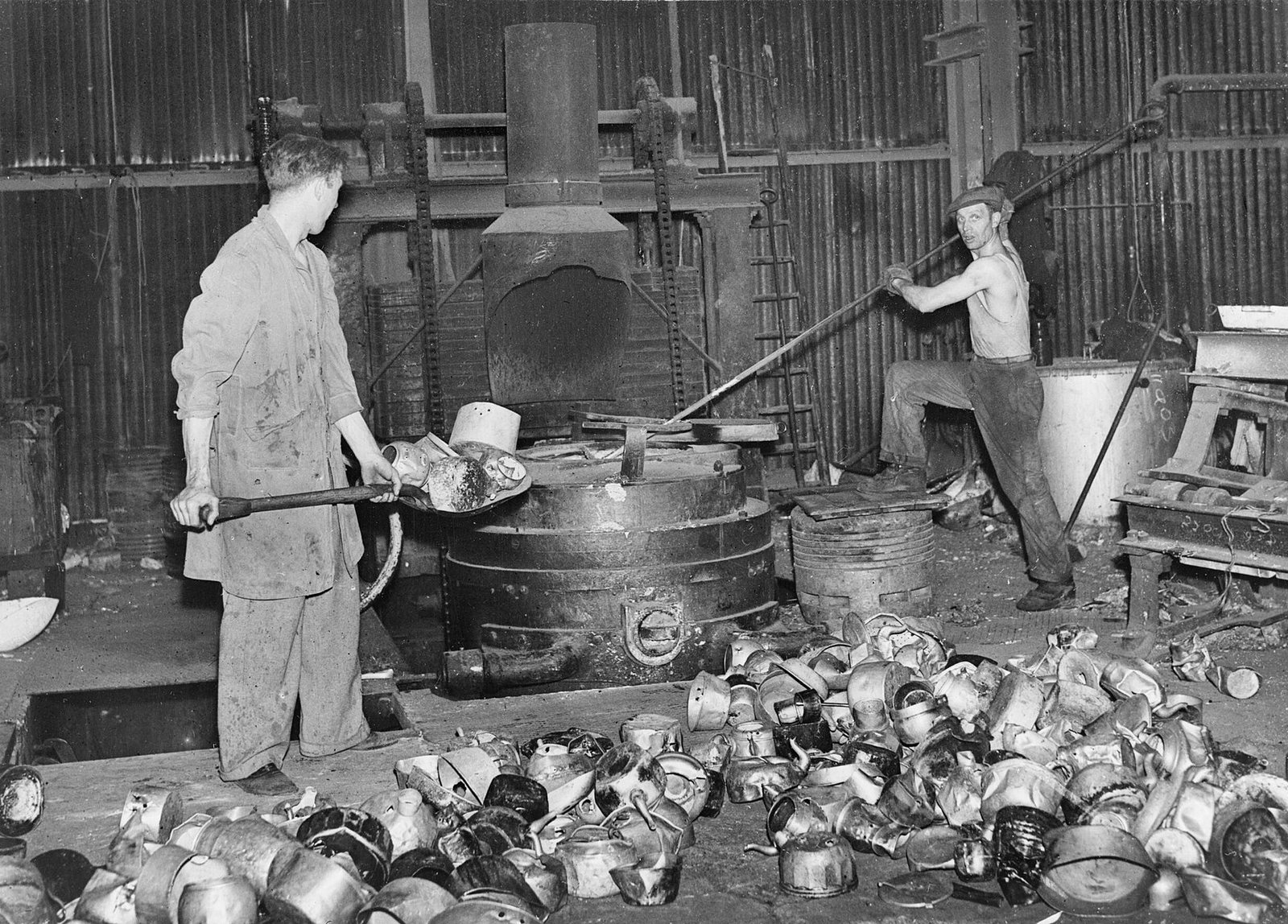
Electricity, made solid

Alumina is dissolved in molten cryolite at about 960 °C and an enormous direct current is passed through it. Aluminium collects at the bottom; the carbon anodes are consumed and must be constantly replaced.

490 tonnesalumina 250 tonnesprimary aluminium

What happened to the rest: Roughly 125 tonnes of carbon anode is burned away — and that carbon started life as petroleum coke, from an oil refinery.

Why here: Iceland, the Gulf, Quebec, Siberia, Yunnan. All the same answer: cheap, reliable, uninterruptible electricity.
continuous Petroleum Coke →
Electricity, made solid
A selection of aluminium pots and kettl… · Public domain via Wikimedia Commons
05 End market 250tonnes

Germany · Rolling and extrusion mills held by Fabricators (Manufacturer)

Frames, cans, cables, car bodies

Cast into billet and slab, then extruded or rolled. Recycled aluminium needs about a twentieth of the energy of primary, which is why scrap is worth so much.

250 tonnesprimary aluminium 250 tonnesin service, and recyclable forever

Why here: Four tonnes of Guinean soil for one tonne of metal — and once it exists, it can be melted and reused indefinitely.

Frames, cans, cables, car bodies
Detailed view of a cross-section of a m… · CC BY 2.0 via Wikimedia Commons

This is a worked example. It follows a stated starting quantity through published typical yields and recoveries, so the proportions are checkable; it is not a record of a specific shipment. Route facts — which countries, which processes, and why the material cannot simply be handled somewhere else — are compiled from public reporting.

Materials

All materials Critical minerals Rare earths Battery materials Ore minerals Periodic table Screener

The ground

Mines & deposits Processing & refining Countries Maps

The economy

Custody journeys Supply chains End markets Technologies Companies Material calculator

Learn

LearnGlossary Ask the DataAI agents Research & dataOpen API News★ Saved

About us

About usContact MethodologyData sources Editorial policy Privacy policyTerms of use Disclaimer