Rock to product, traced
The Materials Atlas
Materials Mines & deposits Processing & refining Custody journeys Supply chains Companies Countries News
Materials by shelf Battery Materials Rare Earth Elements Copper & Electrical Semiconductor Materials Nuclear Materials Aerospace & Defence Precious Metals Steel & Alloy Metals Industrial Minerals Agricultural Minerals Energy Raw Materials Ore minerals Periodic table
Demand End markets Technologies Material calculator Maps Screener
Learn & tools LearnGlossary Ask the DataAI agents Research & dataAPI ★ Saved
About About usMethodology Data sourcesContact Disclaimer
Reading options
🧭 Guided View New to this — ore grades, concentrate, refining, by-products? We explain every term as you browse, in plain English. Same data, with the help built in.
⚡ Expert View You already know the industry. Just the data — clean, fast and compact, with no extra explanations. This is the default view.
Theme
Interface language
Depth Material pages are written at four levels. Pick one on any material page and it is remembered.
★ Saved Research & data
Pilbara iron ore to Chinese steel

Custody journey · starts in Australia

Pilbara iron ore to Chinese steel

The largest material flow on Earth: dig it, crush it, screen it, and put it on a boat.

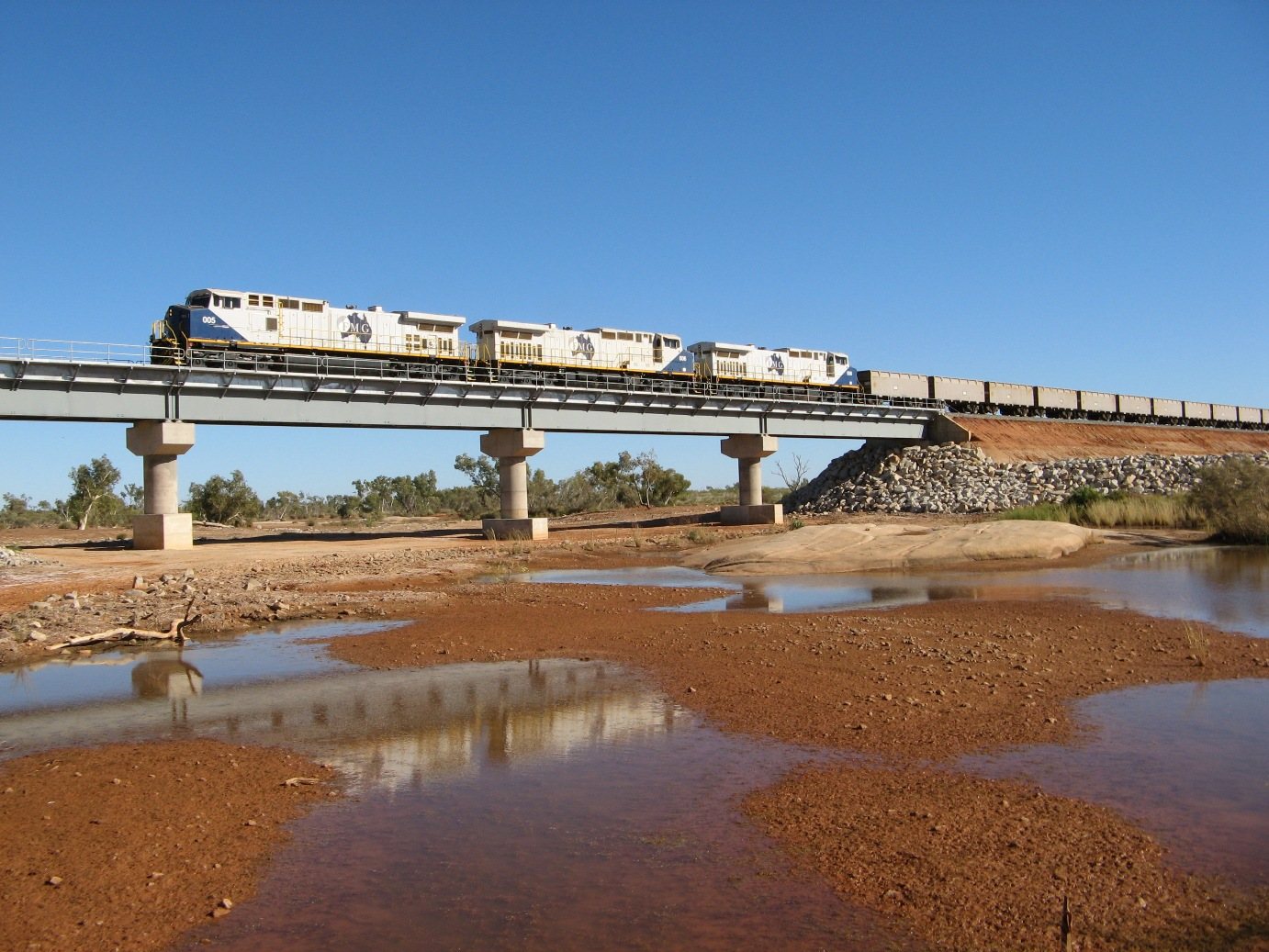
FMG Iron Ore Train -2008 · Geez-oz · CC BY-SA 3.0 · Wikimedia Commons
1,000 tonnes of iron ore as mined
620 tonnes of crude steel
Australia → China · Rail then Capesize Australia — Blast, load, haul 1 Australia China — Rail, port, Capesize 2 China
Numbered in the order the material travels. Click a country to open its page. Equirectangular projection drawn from country centroids — the arcs show which borders are crossed, not the actual sailing route.

What is actually moving

Pilbara hematite is rich enough to ship almost as it comes out of the ground. There is no flotation, no smelting, no chemistry at the mine — just crushing and screening, a private heavy-haul railway and a purpose-built port. All the transformation happens on another continent.

The material
Iron Ore
The variety
Direct-shipping hematite fines, around 62% iron
Where it starts
Australia — The Pilbara, where banded iron formation was laid down over two billion years ago
Why this route and not another. Direct-shipping ore is the exception in mining: the rock is already good enough. That is why the Pilbara moves more tonnage than any other district and why the value added in Australia per tonne is so small.
The narrowest link. Coking coal, oddly enough. The blast furnace needs carbon as a chemical reductant, not just as fuel, and that is the hardest part of steel to replace.
Read the two numbers on each step: what went in, and what came out. Watching them shrink is the point. By the end you will have followed a thousand tonnes of rock down to a few kilograms of the thing that actually does the work.

Step by step, and border by border

01 Extraction 1,000tonnes

Australia · Pilbara, Western Australia held by Rio Tinto, BHP, FMG and others (Miner)

Blast, load, haul

Enriched hematite is drilled, blasted and hauled — much of it by autonomous trucks and driverless trains.

1,000 tonnesore 1,000 tonnesore to the crusher

Why here: Weathering leached the silica out of ancient banded iron formation and left almost pure hematite behind.
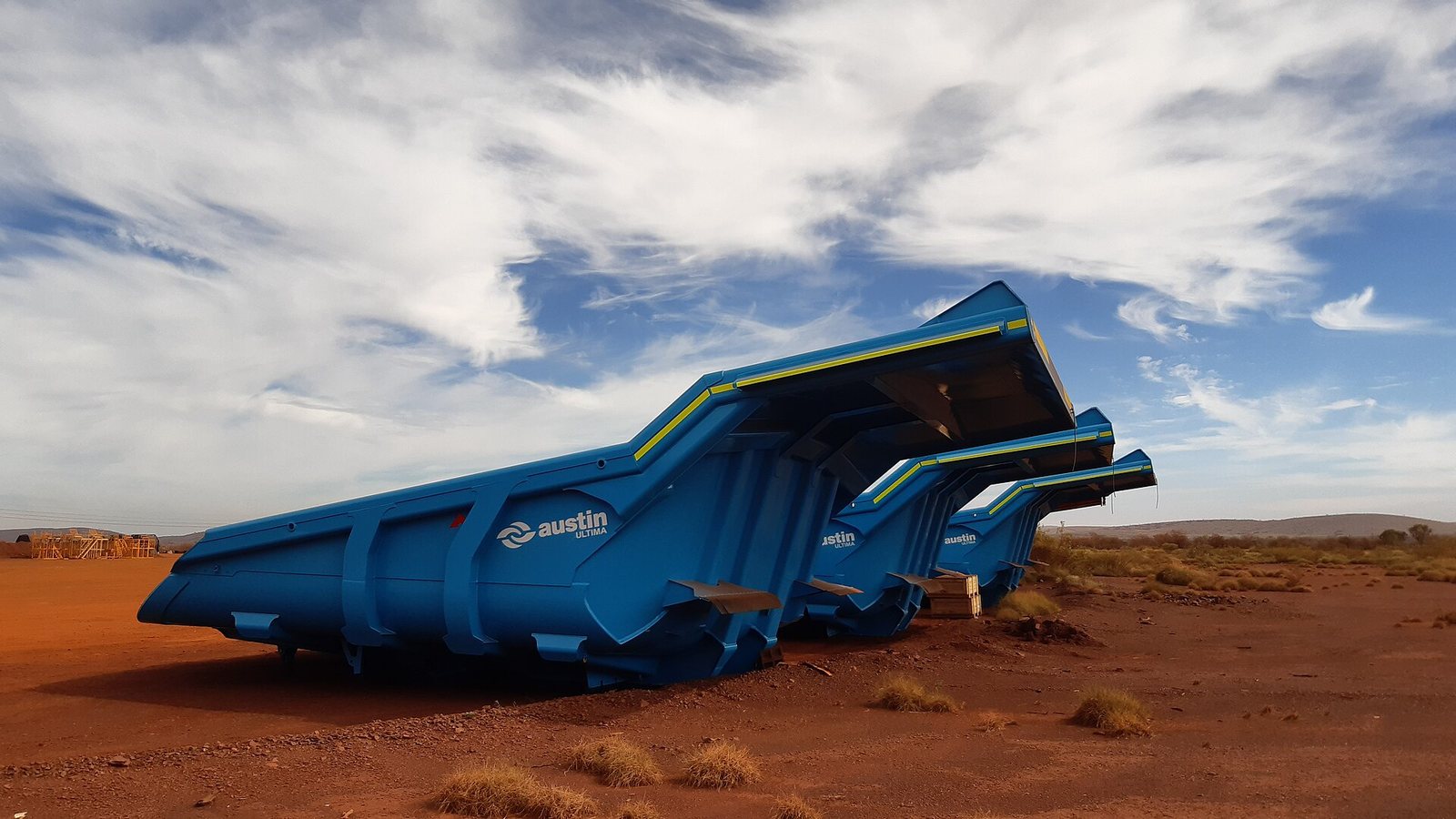
Blast, load, haul
Haul truck trays to be fitted at the Br… · CC BY-SA 4.0 via Wikimedia Commons
02 Preparation 990tonnes

Australia · Mine-site plant held by Miners (Miner)

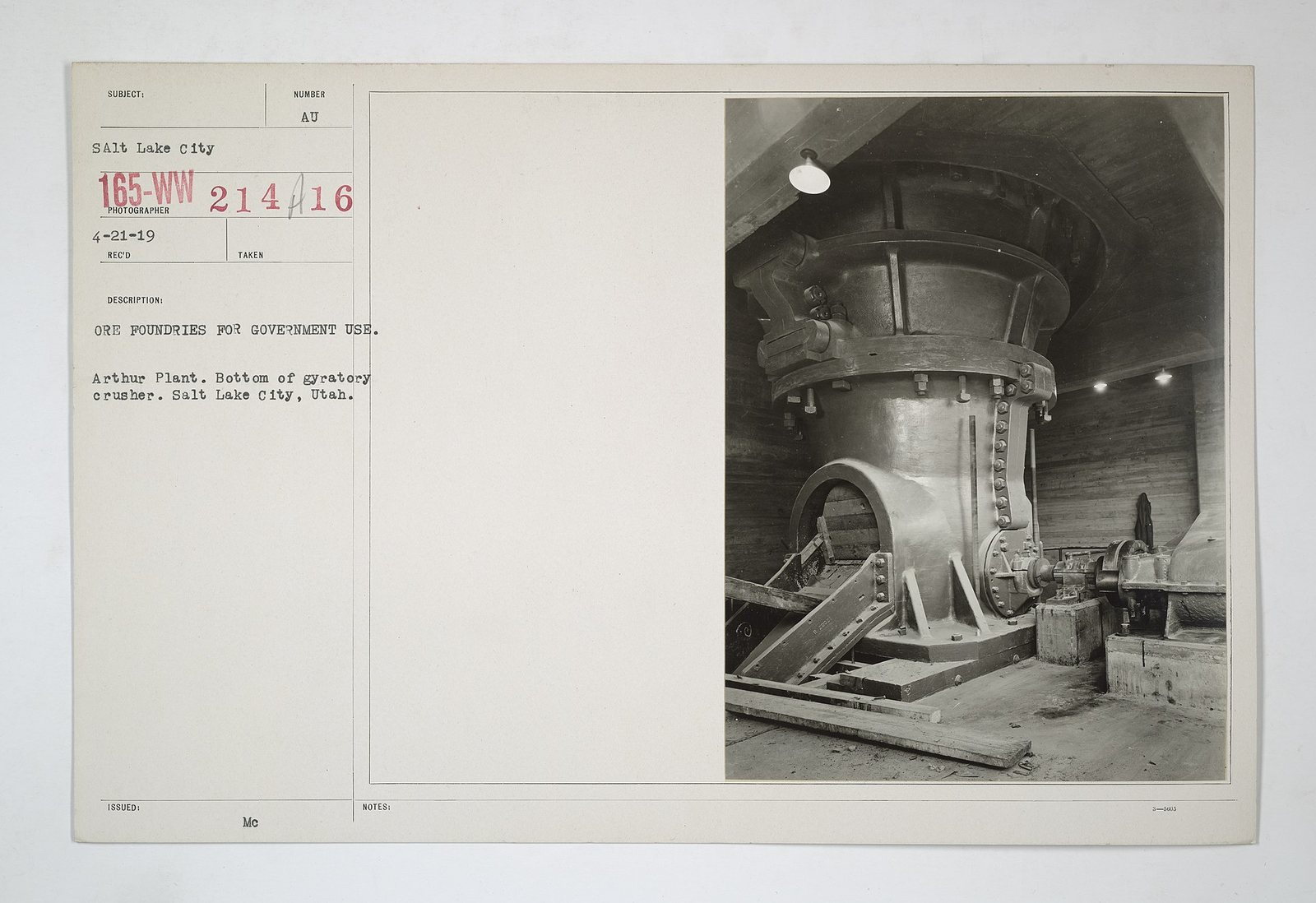
Crush and screen. That is all.

Crushed and screened into lump and fines. No concentration is needed — the ore is already close to a saleable grade.

1,000 tonnesore 990 tonneslump and fines

What happened to the rest: Almost nothing is discarded. Compare that with copper, where 984 tonnes in 1,000 go to tailings.

Why here: Where the ore is good enough to ship, nobody builds a plant.
hours Hematite →
Crush and screen. That is all.
Industries of War - Metals - Iron - Ore… · Public domain via Wikimedia Commons
03 Transport 990tonnes

China · Port Hedland to Chinese mills held by Miners and steelmakers (Trader)

Rail, port, Capesize

Trains up to 2.5 km long run to a private port, and Capesize bulkers sail to China. This is the highest-tonnage trade route on the planet.

990 tonnesore 990 tonnesdelivered

Why here: The steel mills are in Asia and the ore is in Australia. The whole business is logistics.
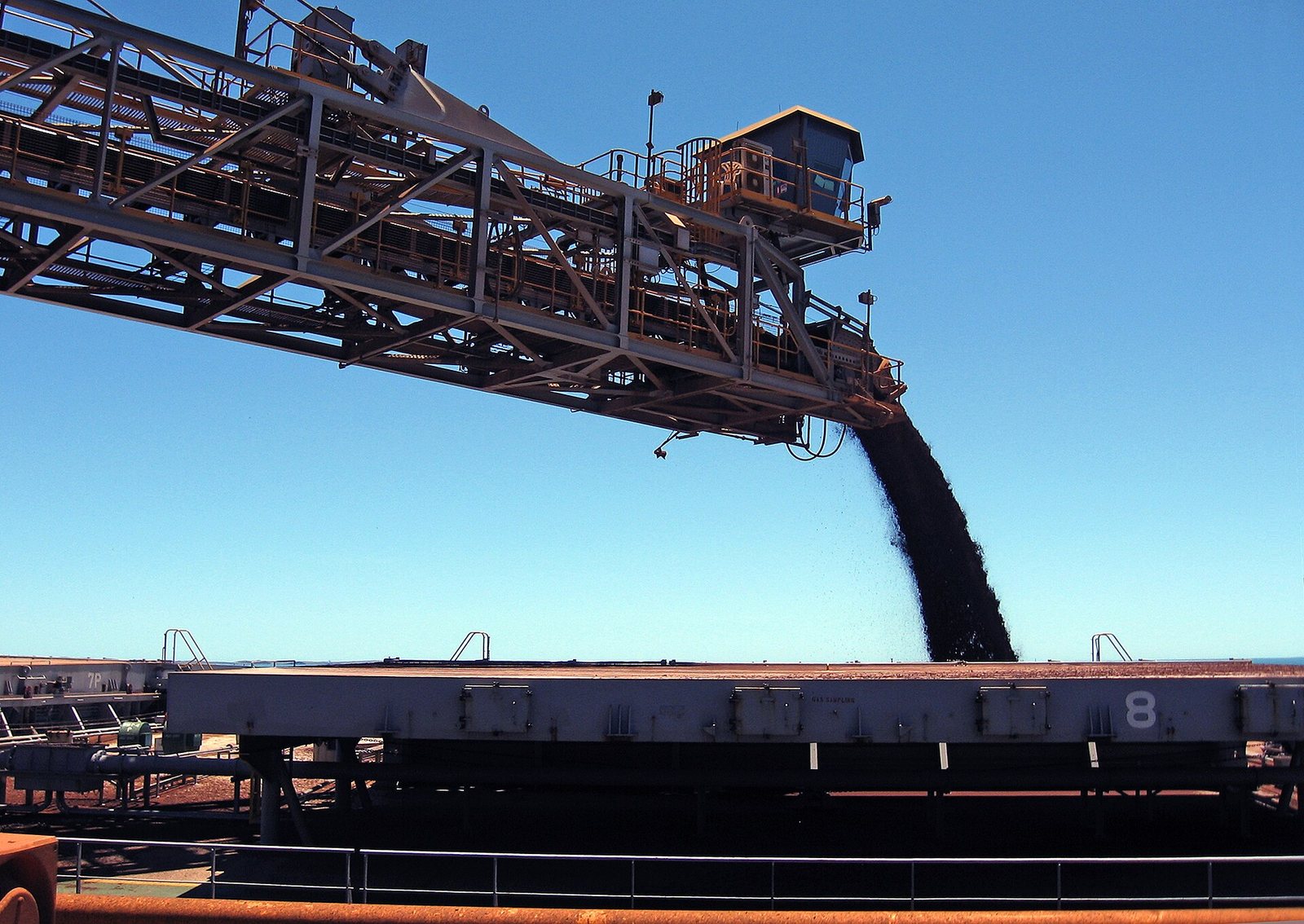
Rail then Capesize · ~2 weeks at sea ~2 weeks Port Hedland →
Rail, port, Capesize
CSIRO ScienceImage 11678 A Rio Tinto ir… · CC BY 3.0 via Wikimedia Commons
04 Processing 640tonnes

China · Integrated steelworks held by Steelmaker (Manufacturer)

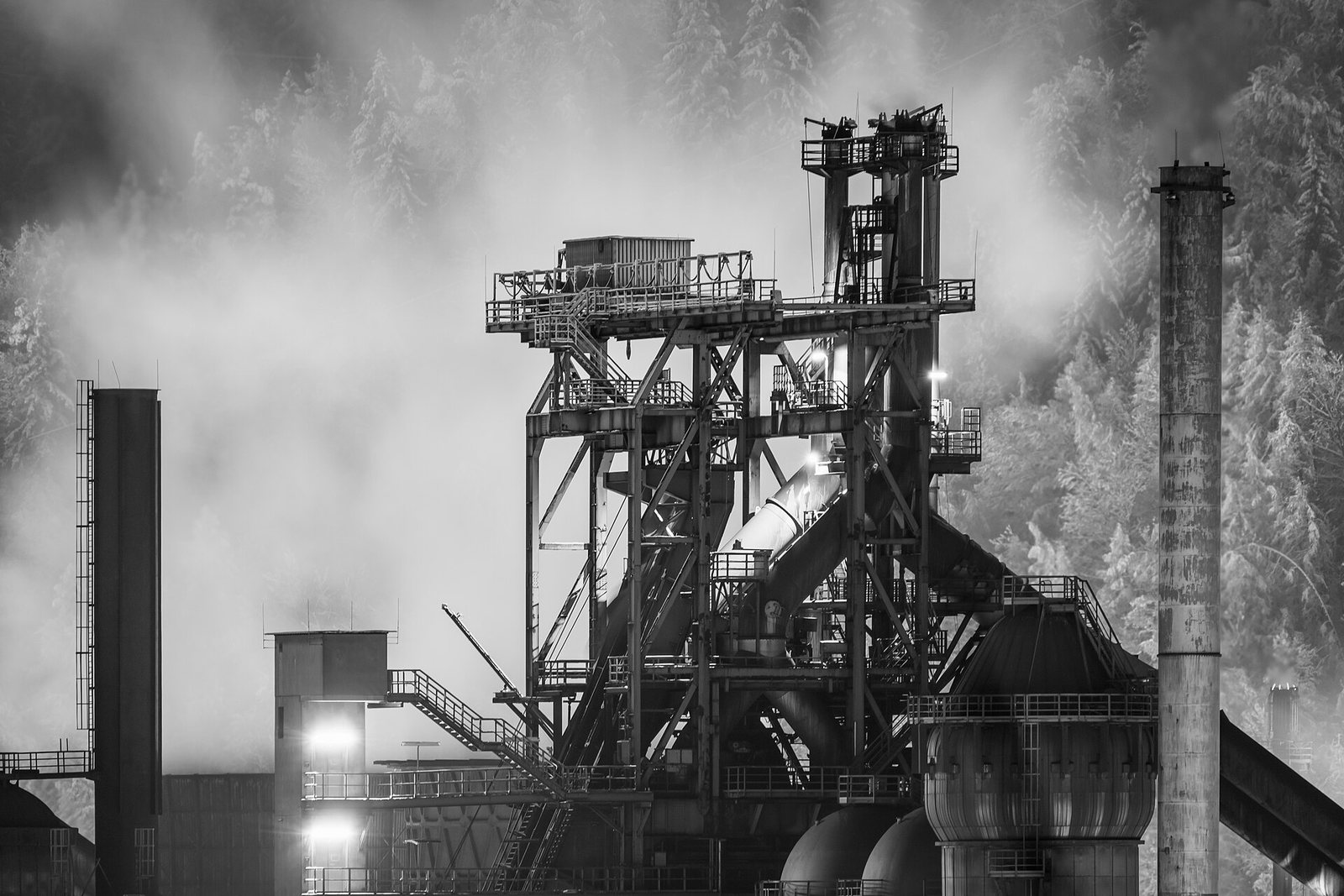
Sinter, coke, and a blast furnace

Fines are sintered into lumps; coking coal is baked into coke. In the furnace the carbon strips the oxygen off the iron oxide — a chemical reaction, not just heat.

990 tonnesiron ore 640 tonneshot metal

What happened to the rest: Roughly 500 kg of coking coal per tonne of hot metal, and the CO2 that comes with it. This reaction is why steel is hard to decarbonise.

Why here: Integrated steelworks sit next to ports and next to demand.
The road not taken The other great bulk trade Same shape, different metal, and a different reason the value is added abroad.
Sinter, coke, and a blast furnace
DSC03739 Blast Furnace 1 at Night, voes… · CC BY 4.0 via Wikimedia Commons
05 Component 620tonnes

China · Basic oxygen furnace held by Steelmaker (Manufacturer)

Blowing the carbon back out

Oxygen is blown through the hot metal to burn the carbon down to a few tenths of a percent. Manganese goes in — every tonne of steel needs some — and then whatever else the grade calls for: chromium, nickel, niobium, vanadium.

640 tonneshot metal 620 tonnescrude steel

Why here: Steel is the alloy where a dozen other materials in this atlas quietly end up.

under an hour Manganese →
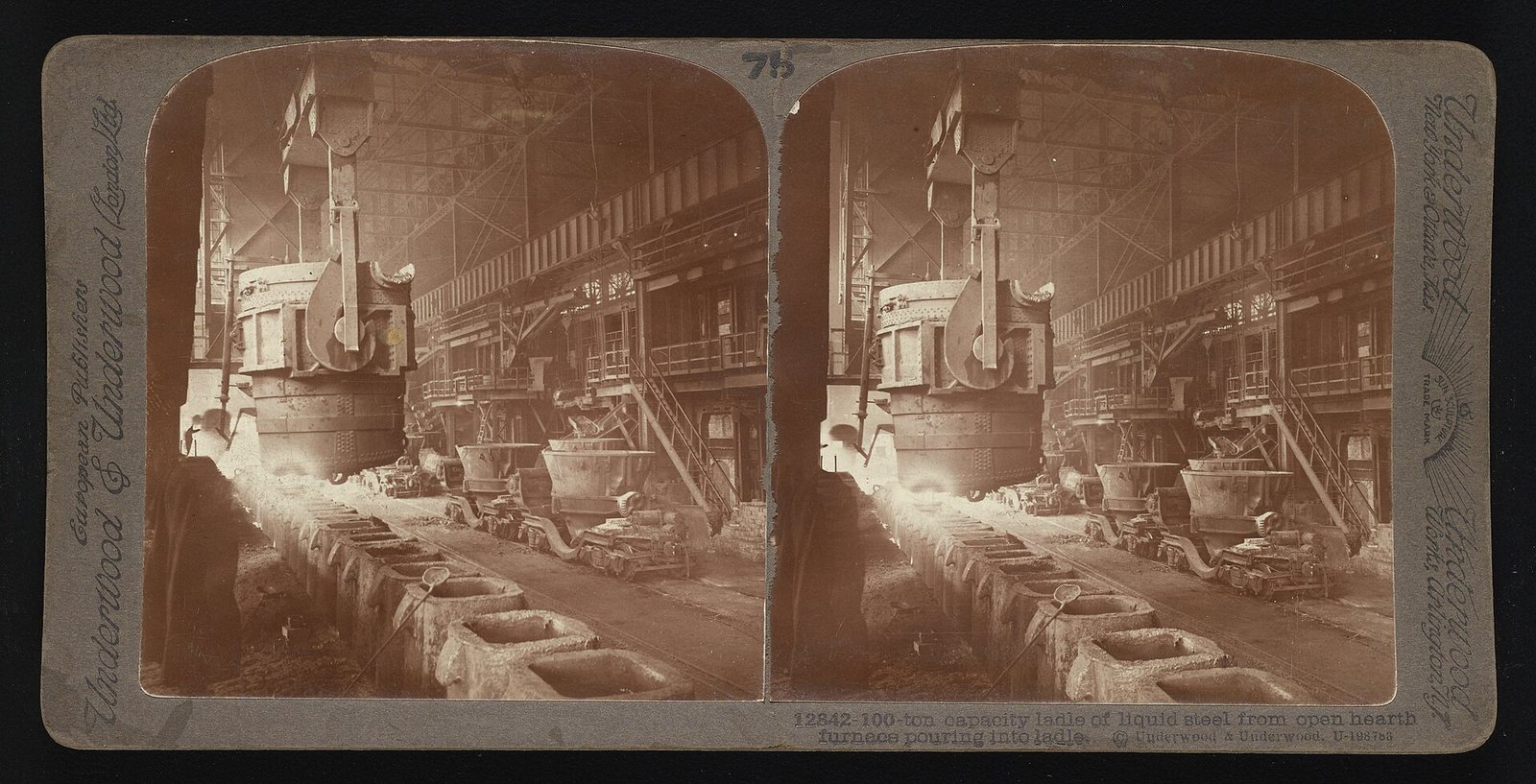
Blowing the carbon back out
100-ton capacity ladle of liquid steel … · Public domain via Wikimedia Commons
06 End market 620tonnes

China · Rolling mills held by Fabricators (Manufacturer)

Buildings, cars, rail, ships

Cast, rolled and cut. 620 tonnes of steel is roughly the frame of a mid-rise building, or five hundred cars.

620 tonnescrude steel 620 tonnesin service, and recyclable

What happened to the rest: Steel made from scrap in an electric arc furnace emits a fraction of this route's carbon. How fast steel can decarbonise depends on how much scrap exists — and you cannot recycle steel that has not been built yet.

Why here: Two countries, one ocean, and by weight the largest thing humans move.
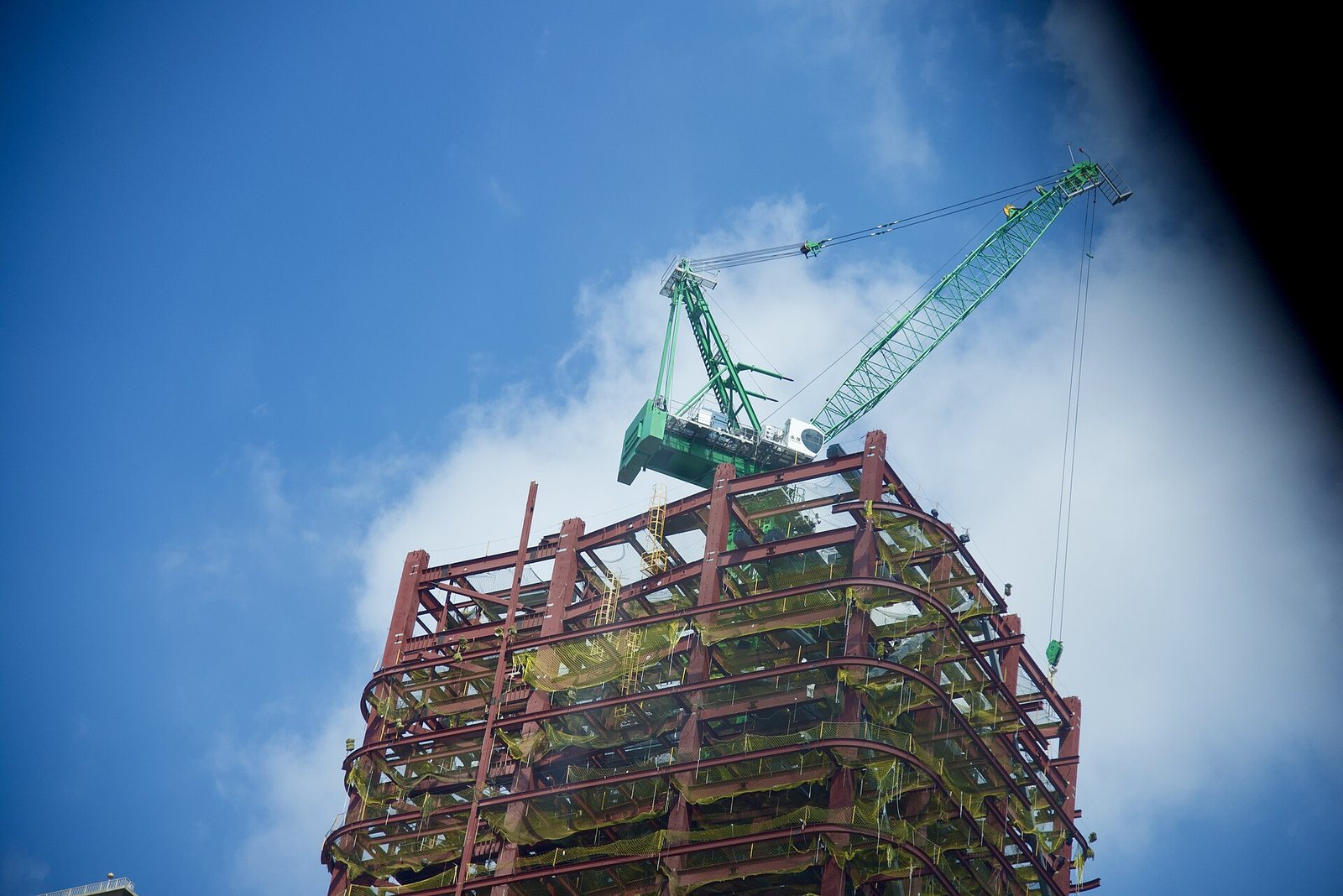
Buildings, cars, rail, ships
Steel frame building under construction… · CC0 via Wikimedia Commons

This is a worked example. It follows a stated starting quantity through published typical yields and recoveries, so the proportions are checkable; it is not a record of a specific shipment. Route facts — which countries, which processes, and why the material cannot simply be handled somewhere else — are compiled from public reporting.

Materials

All materials Critical minerals Rare earths Battery materials Ore minerals Periodic table Screener

The ground

Mines & deposits Processing & refining Countries Maps

The economy

Custody journeys Supply chains End markets Technologies Companies Material calculator

Learn

LearnGlossary Ask the DataAI agents Research & dataOpen API News★ Saved

About us

About usContact MethodologyData sources Editorial policy Privacy policyTerms of use Disclaimer