От руды до продукта — с прослеживаемостью
The Materials Atlas
Материалы Рудники и месторождения Переработка и рафинирование Маршруты партий Цепочки поставок Компании Страны Новости
Материалы по разделам Аккумуляторные материалы Редкоземельные элементы Медь и электротехника Полупроводниковые материалы Ядерные материалы Аэрокосмическая промышленность и оборона Драгоценные металлы Сталь и легирующие металлы Промышленные минералы Агрономические минералы Энергетическое сырьё Рудные минералы Периодическая таблица
Спрос Конечные рынки Технологии Калькулятор материалов Карты Скринер
Обучение и инструменты УзнатьГлоссарий Спросить данныеИИ-агенты Исследования и данныеAPI ★ Сохранено
О проекте О насМетодология Источники данныхКонтакты Отказ от ответственности
Параметры отображения
🧭 Направляемый просмотр Впервые слышите о сортности руды, концентрате, аффинаже, побочных продуктах? Мы объясняем каждый термин прямо в процессе просмотра, простым языком. Те же данные — со встроенной справкой.
⚡ Экспертный обзор Вы уже знаете отрасль. Только данные — без лишних пояснений, в компактном и удобном виде. Это режим по умолчанию.
Тема
Язык интерфейса
Глубина Страницы материалов написаны на четырёх уровнях. Выберите уровень на любой странице — он будет запомнен.
★ Сохранено Исследования и данные
Alumina

Медь и электротехнические материалы

Alumina

A fine white powder of aluminium oxide, the halfway product between bauxite rock and aluminium metal.

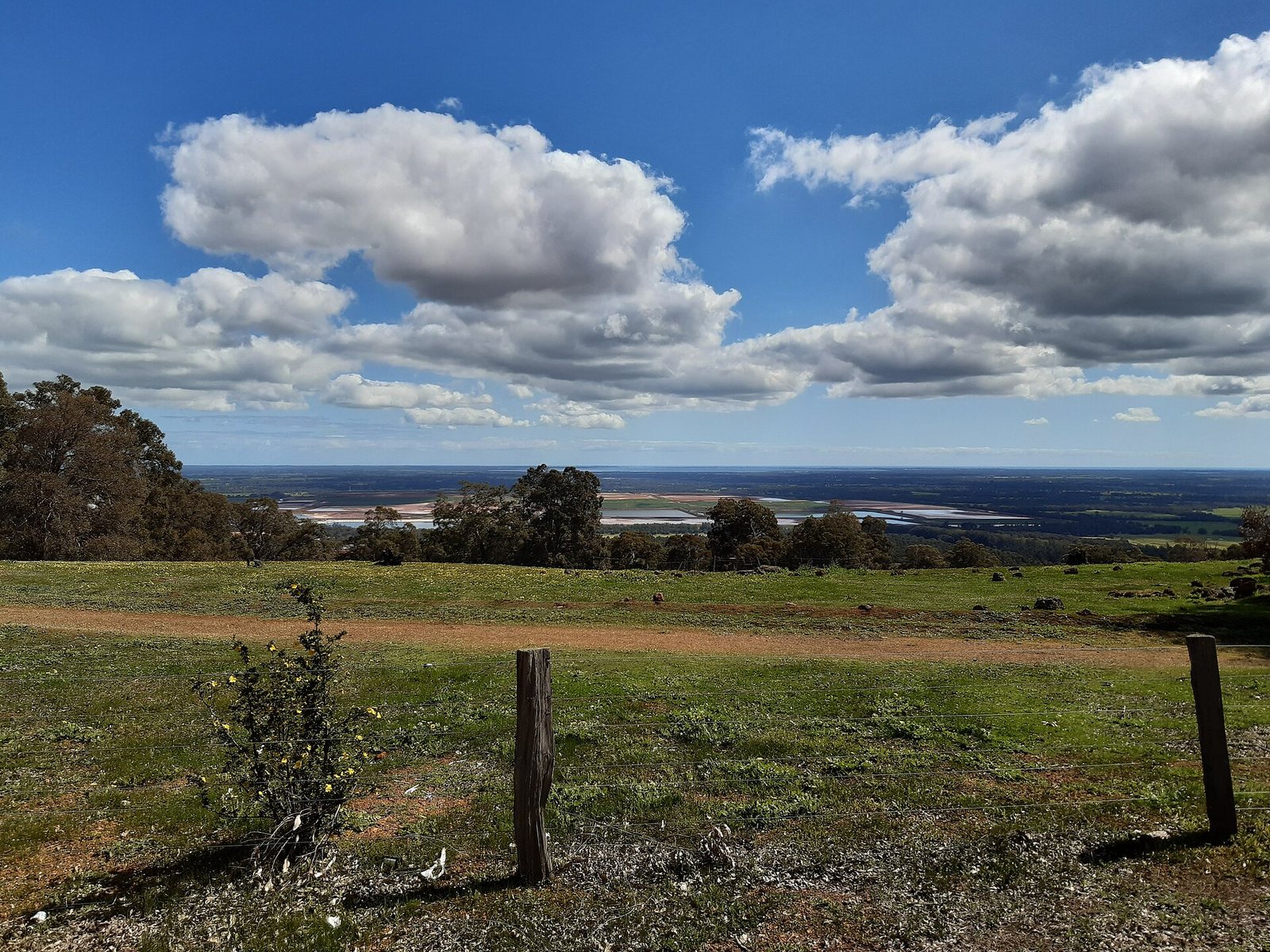
Pinjarra Alumina Refinery, September 2020 01 · Calistemon · CC BY-SA 4.0 · Wikimedia Commons

Что это такое?

A fine white powder of aluminium oxide, the halfway product between bauxite rock and aluminium metal.

Почему это важно?

Alumina refining is where most of the bauxite chain's cost, energy and red-mud waste sits.

Where it is in the Earth

Alumina does not occur as a mineral in its own right in the way that, say, copper sulphides occur in a porphyry deposit. It is instead extracted from bauxite, a sedimentary rock — or more accurately a family of rocks — whose defining characteristic is a high concentration of aluminium hydroxide minerals. The three principal hydroxide minerals are gibbsite, boehmite and diaspore, all of which are forms of aluminium combined with water and oxygen. When bauxite is processed, those hydroxide minerals are the ones worth having; the rest of the rock is largely unwanted iron oxides, silica minerals and titanium oxides.

Bauxite forms through a process called laterisation, which is a type of deep chemical weathering. When warm, wet tropical or subtropical climates act on aluminium-bearing rocks over millions of years, rainfall slowly dissolves and carries away the soluble elements — principally silica, sodium, potassium and calcium — and leaves behind the relatively insoluble aluminium and iron compounds. The result is a residual, rust-red or cream-coloured material that can range from soft and earthy to hard and pisolitic (made of small rounded pellets, like fish roe). Because laterisation requires both long spans of geological time and sustained tropical rainfall, the world's major bauxite provinces sit on ancient cratons — stable, geologically quiet landmasses — in the humid tropics. Australia, Brazil, Guinea and western Africa hold the largest known accumulations for this reason.

The concentration of useful aluminium minerals in bauxite is expressed as the available alumina content, usually written as available Al₂O₃. Not all the aluminium in the rock is accessible to the standard chemical process; some is locked in clay minerals that resist extraction. A deposit's value depends not just on how much aluminium is present in total, but on how much can actually be recovered and at what cost. Deposits rich in gibbsite are generally easier and cheaper to process than those dominated by boehmite or diaspore, which require more severe process conditions.

Getting it out

Because bauxite formed by surface weathering, most deposits sit close to the surface or form the surface itself. Open-pit mining — sometimes called open-cast mining — is therefore the standard method. Overburden, meaning the vegetation, soil and any rock that sits above the bauxite layer, is removed by bulldozers and scrapers, after which the bauxite is broken up by blasting or, where the rock is soft enough, simply scraped or dug directly by excavators and loaded onto trucks. The stripped land is typically rehabilitated progressively as the mine face advances, with topsoil stockpiled and returned.

The ratio of waste moved to product recovered is modest by the standards of many hard-rock mines, partly because the ore body is at or near the surface and partly because bauxite grades are relatively high — the useful material makes up a substantial proportion of what is dug. However, because alumina is a high-volume, lower-value commodity compared with metals like copper or gold, operating costs per tonne matter enormously, and the scale of individual operations is correspondingly large. Distance from port and the cost of transporting bulky ore are major factors in determining which deposits are economic to work.

Most bauxite is shipped to a refinery rather than processed at the mine mouth, though some vertically integrated operations co-locate the two. The ore is typically crushed and dried before export or transport, partly to reduce weight and partly because moisture increases shipping costs and can cause handling problems.

What pulls on it

Alumina has two distinct markets. The much larger one is smelter-grade alumina, which is fed to aluminium smelters where it is dissolved in molten cryolite and electrolysed to produce aluminium metal. Because essentially all primary aluminium begins as alumina, and because the two are linked by a fixed stoichiometric relationship — it takes slightly less than two tonnes of alumina to produce one tonne of aluminium — demand for smelter-grade alumina moves almost in lockstep with demand for primary aluminium. The drivers of aluminium demand — construction, transport, packaging and, increasingly, electrical applications in vehicles and grids — therefore govern the largest part of the alumina market.

The smaller chemical-grade market is genuinely separate. Chemical-grade alumina includes a range of purity and crystal-size specifications suited to uses such as abrasives, technical ceramics, catalyst supports, fire-retardant fillers and specialist refractory materials. These applications are individually small but collectively significant, and they are less tightly coupled to the aluminium metal cycle. Some of them are growing as demand for advanced ceramics in electronics and wear-resistant materials increases.

For demand to shift sharply downward, something significant would have to happen to primary aluminium production — either a large-scale substitution of aluminium by another material in its main end uses, or a step-change in secondary aluminium (recycled metal) supply sufficient to displace a meaningful fraction of smelter demand for primary metal. Neither of those conditions has been met historically, though the growth of aluminium recycling does slow, at the margin, the growth rate of demand for primary metal and therefore for alumina.

Читайте цифры правильно. Gross weight of alumina (Al2O3), roughly half of which is aluminium by mass. Smelter-grade alumina powder; a smaller chemical-grade market serves ceramics and abrasives.

Кто производит

Посмотреть на карте →

Alumina, refinery production

Alumina, refinery productionthousand metric dry tons 2025 (оценочный) Мировой итог 150,000 thousand metric dry tons

USGS Mineral Commodity Summaries 2026 · Gross weight of alumina (Al2O3), roughly half of which is aluminium by mass. · источник ↗

Прокрутите таблицу вправо, чтобы увидеть остальные столбцы.

СтранаПроизводство Доля мирового
China 93,000 62.0%
Australia 17,000 11.3%
Brazil 11,000 7.3%
India 8,200 5.5%
Russia 2,900 1.9%
United Arab Emirates 2,300 1.5%
Saudi Arabia 1,900 1.3%
Ireland 1,700 1.1%
Jamaica 1,500 1.0%
Vietnam 1,500 1.0%
Kazakhstan 1,500 1.0%
Indonesia 1,500 1.0%
Canada 1,500 1.0%
Other countries 1,300 0.9%
Greece 850.0 0.6%
Spain 810.0 0.5%
United States 710.0 0.5%
Germany 460.0 0.3%
Guinea 360.0 0.2%
Turkey 310.0 0.2%
Мировой итог 150,000100%

«Withheld» означает, что USGS скрыл данные во избежание раскрытия сведений об отдельной компании, — это не равнозначно нулю. Суммы по строкам стран не всегда совпадают с мировым итогом, поскольку источник округляет каждый показатель независимо и не всегда выделяет строку «прочие страны» отдельно.

Цена

average unit value of imports, f.a.s., dollars per metric ton

Среднегодовое значениеdollars per metric ton

2021 · 462.0 высокий 590.0 dollars per metric ton 2025 · 590.0

Основание: average unit value of imports, f.a.s., dollars per metric ton. Среднегодовые значения в том виде, в каком опубликованы в USGS Mineral Commodity Summaries 2026 · источник ↗. Приведены справочные годовые средние значения, а не котировки текущего рынка.

Где перерабатывается и рафинируется

ПредприятиеТип СтадияСтранаРоль
Bayer-Process Alumina Refineries, Western Australia Аффинажный заводПереработка AustraliaВыпуск

Проследить через границы

Все маршруты →

Куда фактически направляется партия этого материала — каждая страна, каждый хранитель и что остаётся на каждом этапе.

Guinean bauxite to an aluminium window frame Four tonnes of tropical soil, two tonnes of white powder, one tonne of metal — and the metal is made wherever the power is… от Guinea · Gibbsitic bauxite, roughly 45% alumina, low silica

Материалы

Все материалы Критические минералы Редкоземельные металлы Аккумуляторные материалы Рудные минералы Периодическая таблица Скринер

Недра

Рудники и месторождения Переработка и рафинирование Страны Карты

Экономика

Маршруты партий Цепочки поставок Конечные рынки Технологии Компании Калькулятор материалов

Узнать

УзнатьГлоссарий Спросить данныеИИ-агенты Исследования и данныеОткрытый API Новости★ Сохранено

О нас

О насКонтакты МетодологияИсточники данных Редакционная политика Политика конфиденциальностиУсловия использования Отказ от ответственности