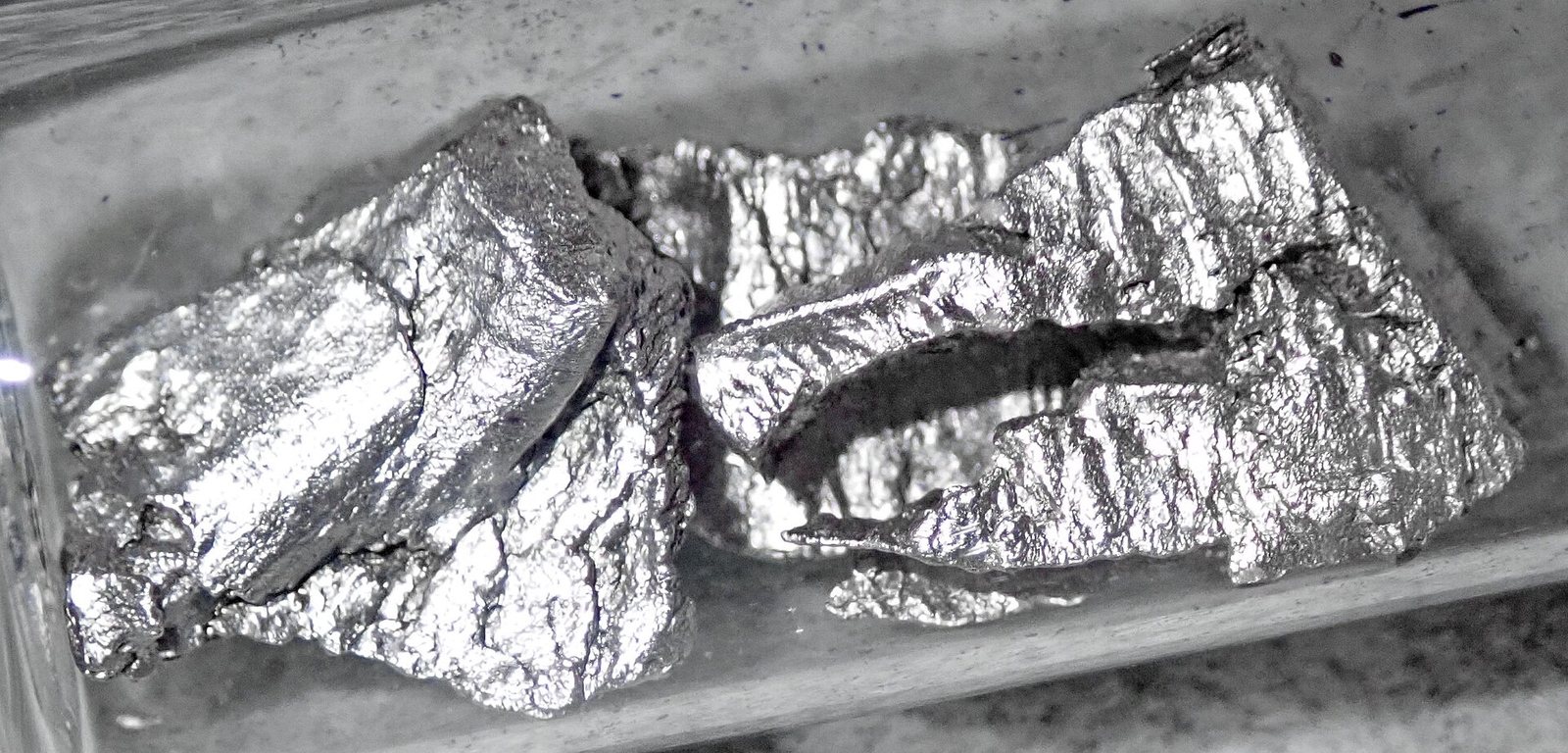
यह क्या है?
The most abundant rare earth — more common in the crust than copper — mostly used as a polishing powder and in catalytic converters.
यह क्यों महत्वपूर्ण है?
Cerium is the surplus problem of the rare-earth industry: it comes up with everything else, and demand for it is far smaller than supply.
Where it is in the Earth
Cerium belongs to the group of elements called the rare earth elements (REEs) — a set of seventeen metals that, despite the name, are not particularly scarce in the Earth's crust. Cerium is in fact the most abundant of them, present at concentrations comparable to copper. The difficulty is not rarity but concentration: these elements are geochemically dispersed, meaning they tend to spread thinly through many rock types rather than gathering into the rich pockets that make mining economic. Two geological processes are mainly responsible for creating deposits rich enough to matter.
The first is carbonatite magmatism. A carbonatite is an unusual igneous rock — a rock that cooled from molten material — in which the dominant mineral is carbonate rather than silicate. This is rare among magmas, and the conditions that produce carbonatites also happen to concentrate rare earth elements at levels far above the crustal average. The principal ore mineral for cerium in these settings is bastnäsite, a fluorocarbonate mineral whose formula reflects the fact that cerium, lanthanum and other rare earths substitute freely for one another in its crystal structure. The Bayan Obo deposit in Inner Mongolia and Mountain Pass in California are both carbonatite-related systems, which is why they dominate world supply.
The second important source is monazite, a phosphate mineral that concentrates cerium alongside lanthanum, neodymium and thorium. Monazite is hard and chemically resistant, so it survives the weathering and erosion of the original igneous or metamorphic rock that contained it and accumulates in river and beach sands — deposits called placers or heavy mineral sands. Because cerium is the most abundant rare earth, it tends to be the largest single constituent of the mixed rare earth fraction in both bastnäsite and monazite, regardless of which deposit type is being worked.
Getting it out
Both of the dominant cerium-bearing deposit types — carbonatite-hosted hard rock and heavy mineral sand placers — are mined by open pit or open-cast methods rather than underground. In hard-rock carbonatite deposits like Mountain Pass and Bayan Obo, the ore body is large, relatively near the surface, and amenable to the same drill-and-blast techniques used in any open pit metal mine. Excavators and large haul trucks move enormous quantities of rock to expose and recover ore. The ore grade — meaning the concentration of the target material in the rock — is low enough that a great deal of waste rock must be moved for each tonne of rare earth oxide recovered, though the exact ratios vary by deposit and the source withholds specific figures for most operations.
In heavy mineral sand operations, the approach is quite different. The unconsolidated sand is often dredged or scraped, then processed through wet gravity and magnetic separation relatively close to the mine face. The physical softness of the material means energy costs per tonne of ore are lower than in hard rock, but rare earth minerals such as monazite are only a fraction of the heavy mineral suite, which also contains titanium and zirconium minerals. Cerium in this context arrives as a by-product of mining aimed at other commodities, a pattern that has significant consequences for how its supply behaves.
Grade matters because it determines how much total material must be handled to yield a given output. A low-grade deposit is not necessarily uneconomic — the scale of operation, the ease of processing, and what other valuable minerals come out alongside the target all affect whether a mine is viable. At Bayan Obo, cerium-bearing minerals are extracted alongside iron ore and niobium, which changes the economics substantially compared with a deposit mined for rare earths alone.
What pulls on it
Cerium reaches the market in a handful of distinct forms, and the uses behind them are quite different in character. As a polishing powder — typically cerium oxide — it is the workhorse abrasive for finishing glass, from optical lenses to the screens of electronic devices. The polishing action depends on both chemical and mechanical interaction between the oxide particles and the glass surface, and cerium oxide has been the standard material for this purpose for decades. As a constituent of catalytic converter washcoats, cerium oxide serves a different function: it stores and releases oxygen, helping the catalyst maintain the right chemical conditions across varying engine operating states. The intensity figure in the table — between 0.02 and 0.1 kg per vehicle — reflects how small this loading is in absolute terms, yet the scale of global vehicle production means the aggregate demand is substantial.
Cerium also finds use in glass decolourising and in specialty ceramics and metallurgical applications. In glass, small additions can neutralise the green or yellow tint caused by iron impurities. These are mature, slow-growing applications where the quantity used per unit of product has not changed dramatically. The picture for catalytic converters is more complex: the shift toward battery electric vehicles, which do not use three-way catalysts, would reduce this demand category over time, while hybrid vehicles continue to use them. Polishing demand is tied to consumer electronics and display production cycles, which fluctuate year to year.
The structural reality of cerium demand is that it has never kept pace with cerium supply. Because cerium is the most abundant rare earth and comes out of every deposit worked for any rare earth element, the industry consistently produces more cerium than it can sell at prices that reflect the cost of extracting it. This mismatch is not driven by any single application failing; it reflects the fact that the applications which consume large quantities of neodymium, praseodymium or dysprosium — such as permanent magnets — do not consume cerium in comparable amounts.
यह चट्टान में कहाँ से आता है
सभी अयस्क खनिज →ये वे खनिज हैं जो वास्तव में वहन करते हैं cerium. कोई निक्षेप अयस्क निकाय तभी बनता है जब उसमें से कोई एक तत्व इतनी मात्रा में संकेंद्रित हो कि उसे खोदकर निकालने का व्यय वसूल हो सके।
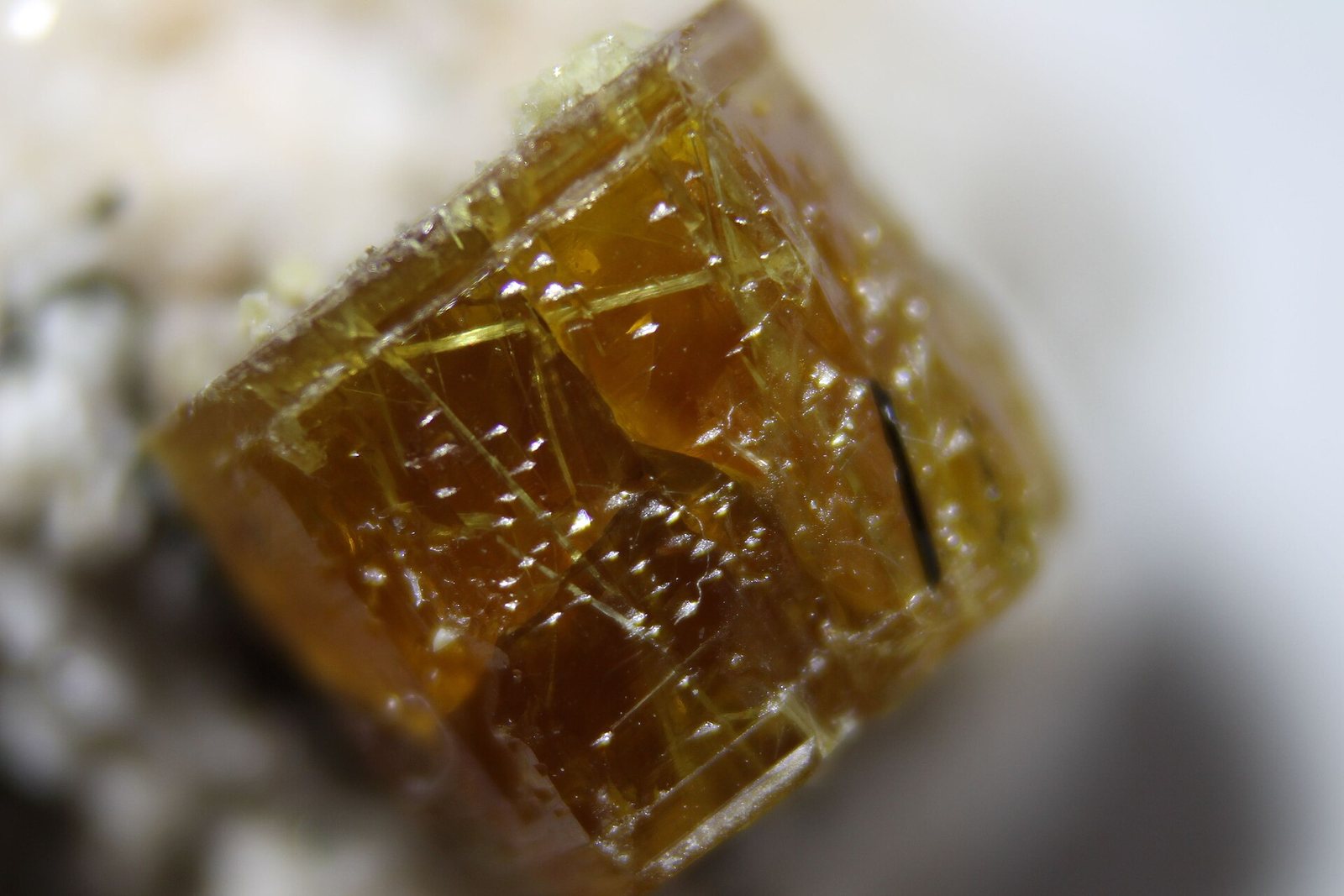
Bastnäsite
The world's principal light rare-earth mineral, mined from carbonatites. Low in thorium, which makes it easier to…
Monazite
A rare-earth phosphate found in heavy mineral sands. Carries thorium, so it is radioactive enough to be regulated.
मूल्य
average, dollars per kilogram: Cerium oxide, 99.5% minimum
वार्षिक औसतdollars per kilogram
आधार: average, dollars per kilogram: Cerium oxide, 99.5% minimum. में प्रकाशित वार्षिक औसत USGS Mineral Commodity Summaries 2026 · स्रोत ↗. ये संदर्भ वार्षिक औसत हैं, लाइव बाज़ार भाव नहीं।
इसे उत्पादित करने वाली खदानें
सभी खानें →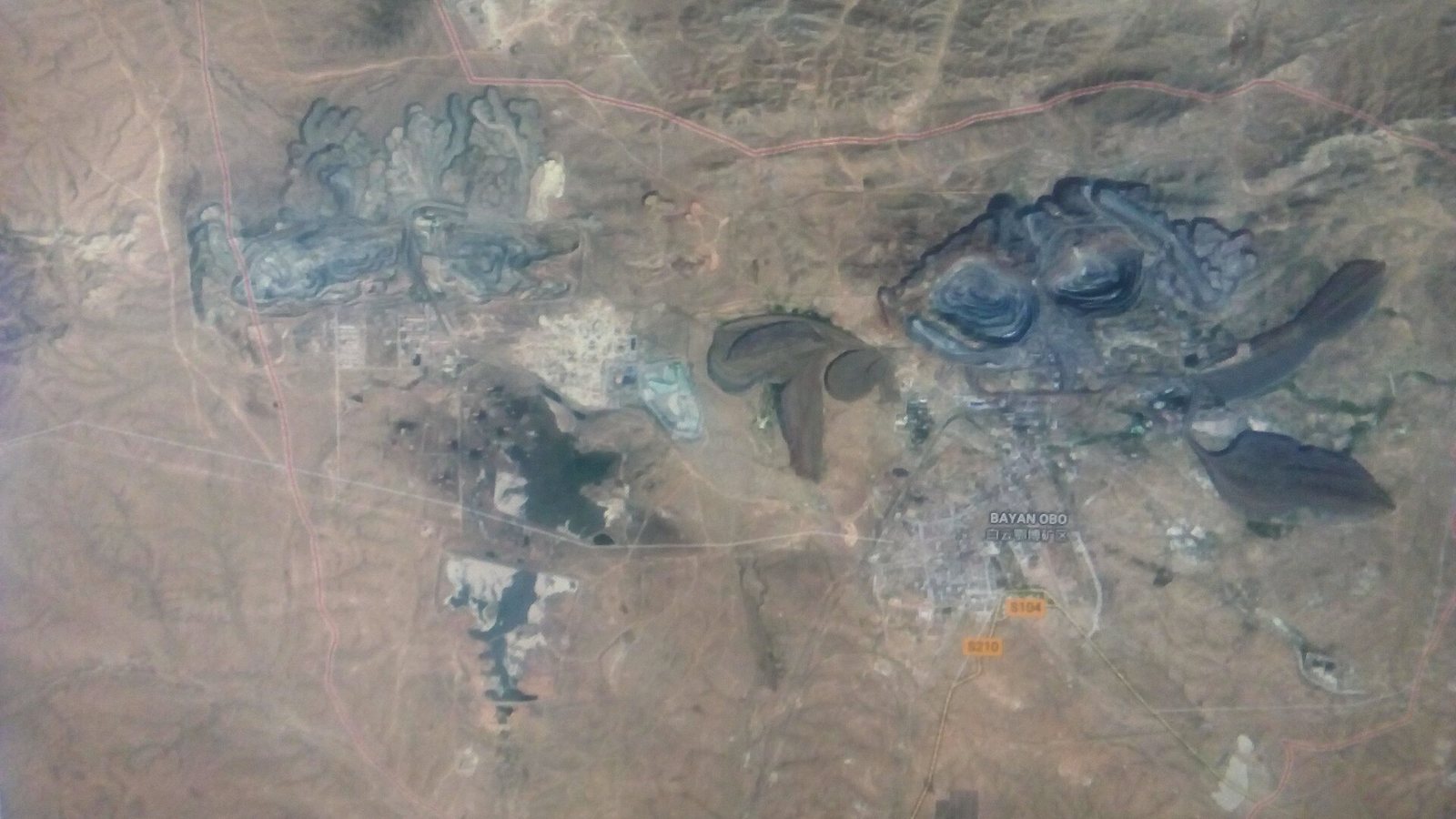
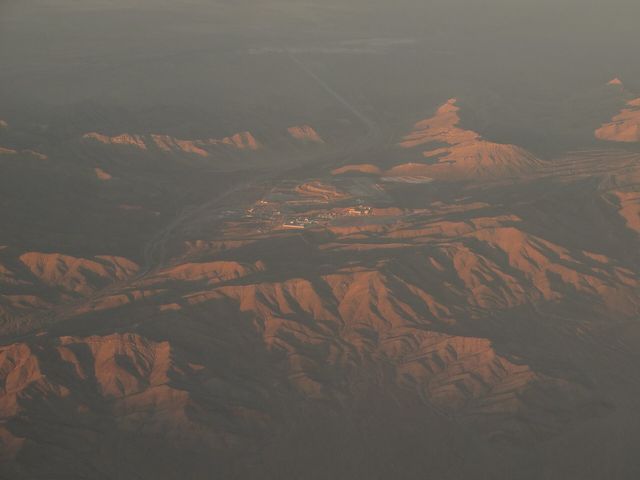
इसे कहाँ प्रसंस्कृत और परिष्कृत किया जाता है
| संयंत्र | प्रकार | चरण | देश | भूमिका |
|---|---|---|---|---|
| Lynas Advanced Materials Plant, Kuantan | पृथक्करण संयंत्र | शोधन | Malaysia | निर्गत |
किसी तकनीक को इसकी कितनी आवश्यकता है
| प्रौद्योगिकी | मात्रा | उद्धृत | आधार |
|---|---|---|---|
| Three-Way Catalytic Converter | 0.02–0.1 kg | per vehicle | Oxygen storage in the washcoat |
Indicative range compiled from published technology studies and chemistry; verify against a manufacturer specification before use. सामग्री कैलकुलेटर में इन संख्याओं को किसी भी पैमाने पर चलाएँ →