鉱石から製品まで、経路を追跡
The Materials Atlas
素材 鉱山・鉱床 処理・精製 管理移転経路 サプライチェーン 企業 ニュース
棚別素材 バッテリー材料 希土類元素 銅・電気 半導体材料 核物質 航空宇宙・防衛 貴金属 鉄鋼・合金金属 工業用鉱物 農業用鉱物 エネルギー原材料 鉱石鉱物 周期表
需要 最終市場 技術 素材計算機 地図 スクリーナー
学習・ツール 学ぶ用語集 データに質問するAIエージェント 調査・データAPI ★ 保存済み
概要 運営について方法論 データソースお問い合わせ 免責事項
表示オプション
🧭 ガイドビュー 鉱石品位、精鉱、精錬、副産物といった用語が初めての方へ。閲覧しながらすべての用語をわかりやすく解説します。同じデータを、解説付きでご覧いただけます。
⚡ 専門家向け解説 業界の知識はお持ちのはず。データのみを——簡潔、迅速、コンパクトに、余分な説明なしで。これがデフォルト表示です。
テーマ
インターフェース言語
深度 素材ページは4段階のレベルで構成されている。任意の素材ページでレベルを選択すると、その設定が記憶される。
★ 保存済み 調査・データ
Cerium

希土類元素 · Light rare earth

Cerium Ce · 58

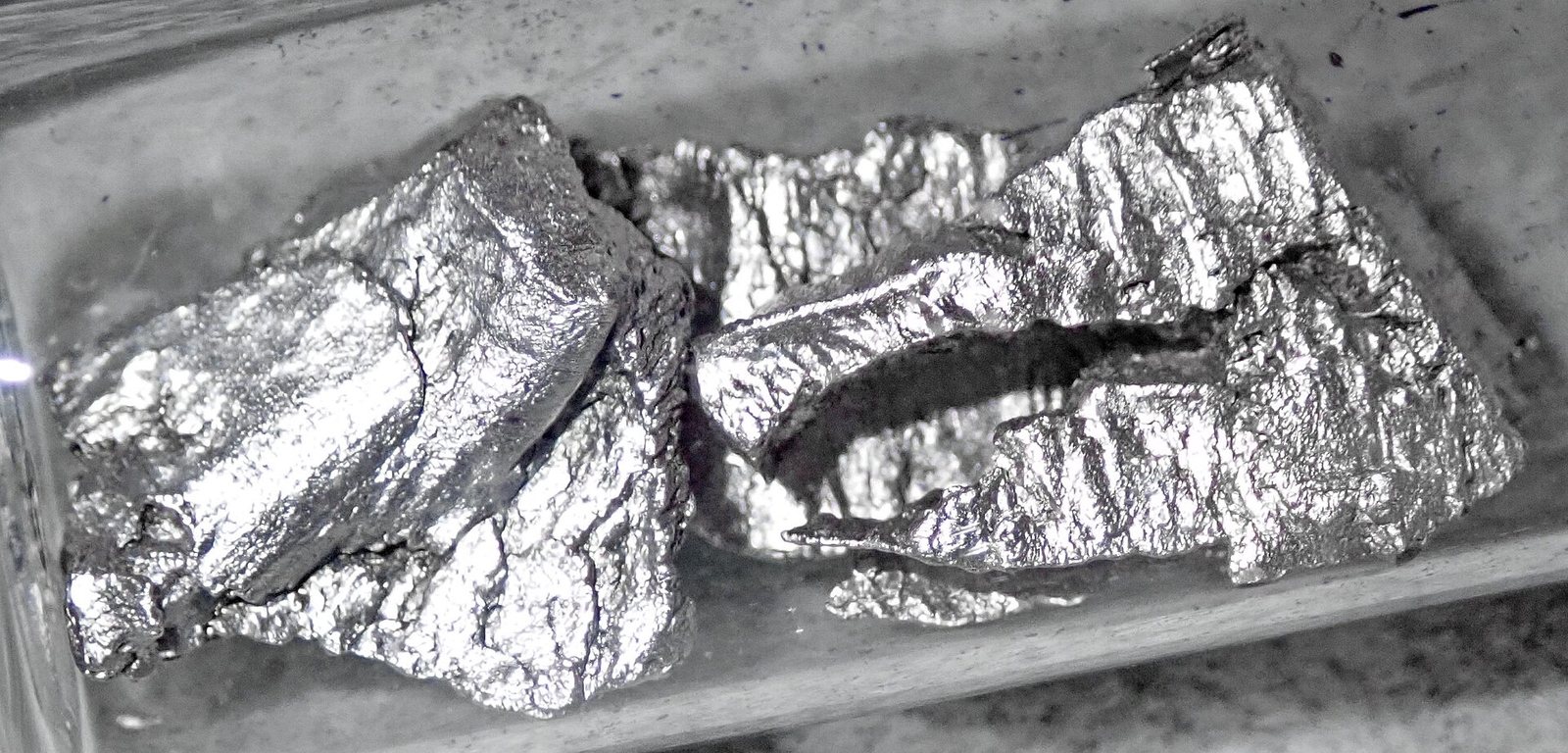
The most abundant rare earth — more common in the crust than copper — mostly used as a polishing powder and in catalytic converters.

Cerium (Element - 58) 2 · James St. John · CC BY 2.0 · Wikimedia Commons

これは何か

The most abundant rare earth — more common in the crust than copper — mostly used as a polishing powder and in catalytic converters.

なぜ重要なのか

Cerium is the surplus problem of the rare-earth industry: it comes up with everything else, and demand for it is far smaller than supply.

Where it is in the Earth

Cerium belongs to the group of elements called the rare earth elements (REEs) — a set of seventeen metals that, despite the name, are not particularly scarce in the Earth's crust. Cerium is in fact the most abundant of them, present at concentrations comparable to copper. The difficulty is not rarity but concentration: these elements are geochemically dispersed, meaning they tend to spread thinly through many rock types rather than gathering into the rich pockets that make mining economic. Two geological processes are mainly responsible for creating deposits rich enough to matter.

The first is carbonatite magmatism. A carbonatite is an unusual igneous rock — a rock that cooled from molten material — in which the dominant mineral is carbonate rather than silicate. This is rare among magmas, and the conditions that produce carbonatites also happen to concentrate rare earth elements at levels far above the crustal average. The principal ore mineral for cerium in these settings is bastnäsite, a fluorocarbonate mineral whose formula reflects the fact that cerium, lanthanum and other rare earths substitute freely for one another in its crystal structure. The Bayan Obo deposit in Inner Mongolia and Mountain Pass in California are both carbonatite-related systems, which is why they dominate world supply.

The second important source is monazite, a phosphate mineral that concentrates cerium alongside lanthanum, neodymium and thorium. Monazite is hard and chemically resistant, so it survives the weathering and erosion of the original igneous or metamorphic rock that contained it and accumulates in river and beach sands — deposits called placers or heavy mineral sands. Because cerium is the most abundant rare earth, it tends to be the largest single constituent of the mixed rare earth fraction in both bastnäsite and monazite, regardless of which deposit type is being worked.

Getting it out

Both of the dominant cerium-bearing deposit types — carbonatite-hosted hard rock and heavy mineral sand placers — are mined by open pit or open-cast methods rather than underground. In hard-rock carbonatite deposits like Mountain Pass and Bayan Obo, the ore body is large, relatively near the surface, and amenable to the same drill-and-blast techniques used in any open pit metal mine. Excavators and large haul trucks move enormous quantities of rock to expose and recover ore. The ore grade — meaning the concentration of the target material in the rock — is low enough that a great deal of waste rock must be moved for each tonne of rare earth oxide recovered, though the exact ratios vary by deposit and the source withholds specific figures for most operations.

In heavy mineral sand operations, the approach is quite different. The unconsolidated sand is often dredged or scraped, then processed through wet gravity and magnetic separation relatively close to the mine face. The physical softness of the material means energy costs per tonne of ore are lower than in hard rock, but rare earth minerals such as monazite are only a fraction of the heavy mineral suite, which also contains titanium and zirconium minerals. Cerium in this context arrives as a by-product of mining aimed at other commodities, a pattern that has significant consequences for how its supply behaves.

Grade matters because it determines how much total material must be handled to yield a given output. A low-grade deposit is not necessarily uneconomic — the scale of operation, the ease of processing, and what other valuable minerals come out alongside the target all affect whether a mine is viable. At Bayan Obo, cerium-bearing minerals are extracted alongside iron ore and niobium, which changes the economics substantially compared with a deposit mined for rare earths alone.

What pulls on it

Cerium reaches the market in a handful of distinct forms, and the uses behind them are quite different in character. As a polishing powder — typically cerium oxide — it is the workhorse abrasive for finishing glass, from optical lenses to the screens of electronic devices. The polishing action depends on both chemical and mechanical interaction between the oxide particles and the glass surface, and cerium oxide has been the standard material for this purpose for decades. As a constituent of catalytic converter washcoats, cerium oxide serves a different function: it stores and releases oxygen, helping the catalyst maintain the right chemical conditions across varying engine operating states. The intensity figure in the table — between 0.02 and 0.1 kg per vehicle — reflects how small this loading is in absolute terms, yet the scale of global vehicle production means the aggregate demand is substantial.

Cerium also finds use in glass decolourising and in specialty ceramics and metallurgical applications. In glass, small additions can neutralise the green or yellow tint caused by iron impurities. These are mature, slow-growing applications where the quantity used per unit of product has not changed dramatically. The picture for catalytic converters is more complex: the shift toward battery electric vehicles, which do not use three-way catalysts, would reduce this demand category over time, while hybrid vehicles continue to use them. Polishing demand is tied to consumer electronics and display production cycles, which fluctuate year to year.

The structural reality of cerium demand is that it has never kept pace with cerium supply. Because cerium is the most abundant rare earth and comes out of every deposit worked for any rare earth element, the industry consistently produces more cerium than it can sell at prices that reflect the cost of extracting it. This mismatch is not driven by any single application failing; it reflects the fact that the applications which consume large quantities of neodymium, praseodymium or dysprosium — such as permanent magnets — do not consume cerium in comparable amounts.

数値の読み方に注意してください。 Reported as cerium oxide (CeO2) equivalent. Oxide polishing powder, glass decolouriser, autocatalyst washcoat.
A carbonatite, in cross-section
weathered cap — the highest grade partly weathered carbonatite fresh carbonatite pipe country rock, altered near the contact surfacedepth
A rare kind of magma made mostly of carbonate rather than silicate rises as a near-vertical pipe from deep in the mantle. It carries rare earths, niobium and phosphate with it. Where the top of the pipe has been weathered, the ore is already concentrated before anyone touches it. Schematic. Pipes are typically 1–5 km across at surface and continue for kilometres down. Original diagram, The Materials Atlas.

岩石中の産出箇所

全鉱石鉱物 →

実際に以下を担う鉱物 cerium. 鉱床が鉱体となるのは、採掘コストを回収できるほど十分な濃度で鉱石が濃集している場合に限られる。
価格

average, dollars per kilogram: Cerium oxide, 99.5% minimum

年間平均dollars per kilogram

2021 · 1.54 高 1.71 dollars per kilogram 2025 · 1.71

基準: average, dollars per kilogram: Cerium oxide, 99.5% minimum. 以下に公表された年間平均値: USGS Mineral Commodity Summaries 2026 · 出典 ↗. これらは参照用の年間平均値であり、リアルタイムの市況相場ではない。

産出鉱山

全鉱山 →
Bayan Obo
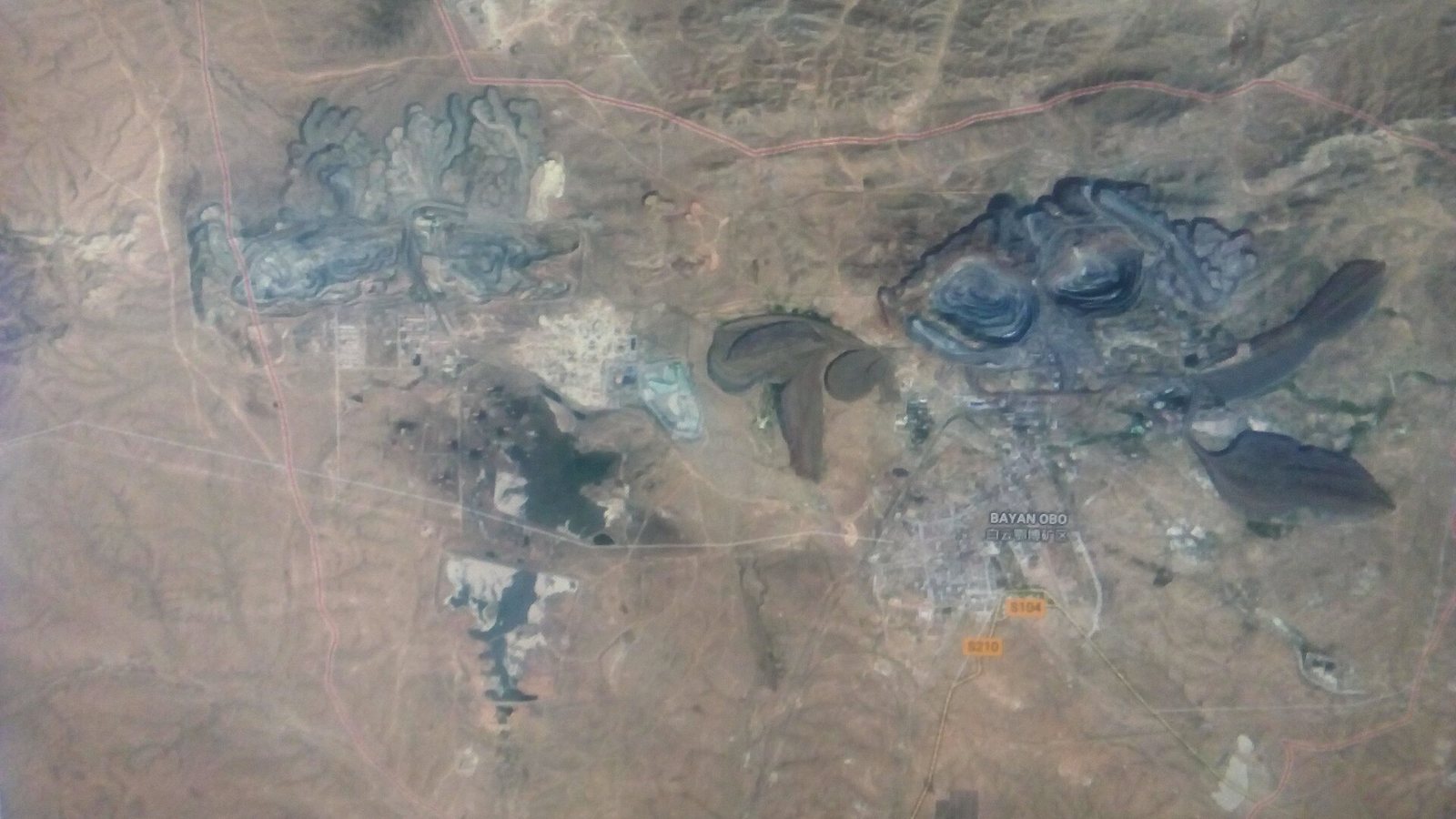
Bayan Obo, China — The largest rare-earth deposit in the world. Bayan Obo, CC BY-SA 4.0 via Wikimedia Commons

Bayan Obo →

処理・精製が行われる場所

プラント種別 ステージ役割
Lynas Advanced Materials Plant, Kuantan 分離プラント精製 Malaysia産出物

技術が必要とする量

「インテンシティ」とは、ある製品1単位に含まれる素材の量を指します。ここに示す値は参考レンジであり、実際の設計はメーカーやモデル年によって異なります。また、エンジニアが使用量を削減する技術を習得するにつれ、いずれの値も低下し続けています。
技術数量 建値基準
Three-Way Catalytic Converter 0.02–0.1 kg per vehicleOxygen storage in the washcoat

Indicative range compiled from published technology studies and chemistry; verify against a manufacturer specification before use. 素材計算機で任意の規模に換算して実行 →

素材

全素材 重要鉱物 レアアース バッテリー材料 鉱石鉱物 周期表 スクリーナー

地下

鉱山・鉱床 処理・精製 地図

経済

管理移転経路 サプライチェーン 最終市場 技術 企業 素材計算機

学ぶ

学ぶ用語集 データに質問するAIエージェント 調査・データオープンAPI ニュース★ 保存済み

運営について

運営についてお問い合わせ 方法論データソース 編集方針 プライバシーポリシー利用規約 免責事項