Madenden ürüne, izlenerek
The Materials Atlas
Materyaller Madenler ve yataklar İşleme ve rafinasyon Velayet güzergâhları Tedarik zincirleri Şirketler Ülkeler Haberler
Rafa göre materyaller Pil Malzemeleri Nadir Toprak Elementleri Bakır ve Elektrik Yarıiletken Malzemeler Nükleer Malzemeler Havacılık ve Savunma Kıymetli Metaller Çelik ve Alaşım Metalleri Endüstriyel Mineraller Tarım Mineralleri Enerji Ham Maddeleri Cevher mineralleri Periyodik tablo
Talep Son pazarlar Teknolojiler Materyal hesaplayıcı Haritalar Tarayıcı
Öğren ve araçlar ÖğrenSözlük Veriye SorYapay zeka ajanları Araştırma ve veriAPI ★ Kaydedildi
Hakkında HakkımızdaMetodoloji Veri kaynaklarıİletişim Sorumluluk reddi
Okuma seçenekleri
🧭 Rehberli Görünüm Cevher tenörü, konsantre, rafinasyon, yan ürün gibi kavramlar size yeni mi? Gezinirken her terimi sade bir dille açıklıyoruz. Aynı veriler, yerleşik yardımla birlikte.
⚡ Uzman Görünümü Sektörü zaten biliyorsunuz. Sadece veri — temiz, hızlı ve özlü, fazladan açıklama yok. Bu varsayılan görünümdür.
Tema
Arayüz dili
Derinlik Materyal sayfaları dört düzeyde hazırlanmıştır. Herhangi bir materyal sayfasında bir düzey seçin; bu tercih kaydedilir.
★ Kaydedildi Araştırma ve veri
Diamond (Industrial)

Endüstriyel Mineraller

Diamond (Industrial)

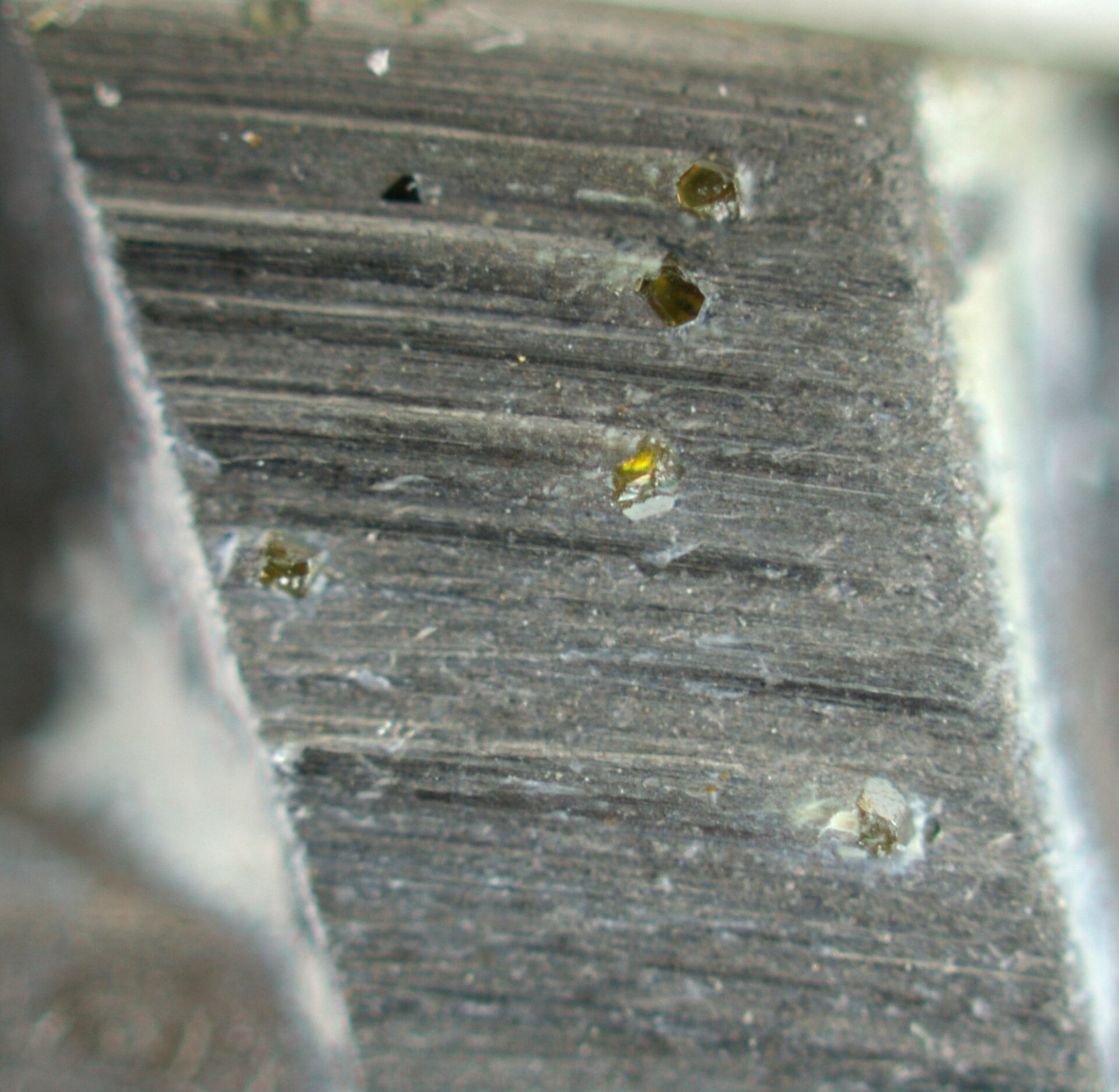
Diamond used not as a gem but as a cutting edge — most of it grown in a press rather than dug out of the ground.

Diamond blade very macro · Hustvedt · CC BY-SA 3.0 · Wikimedia Commons

Bu nedir?

Diamond used not as a gem but as a cutting edge — most of it grown in a press rather than dug out of the ground.

Neden önemli?

Synthetic industrial diamond long ago overtook natural stones. It is also becoming a semiconductor for extreme power electronics.

Where it is in the Earth

Diamond is a form of carbon that crystallises under extreme pressure and temperature — conditions found naturally only deep in the Earth's mantle, at depths broadly exceeding one hundred and fifty kilometres. The carbon atoms arrange themselves into a three-dimensional lattice that is the hardest known natural substance, which is exactly why industry wants it. The pressure required to form diamond cannot be replicated near the surface; the crystals that exist in mineable deposits were created billions of years ago in ancient, stable portions of the continental crust known as cratons, where the mantle beneath is both thick and cold enough to sustain the right conditions.

The mechanism that brings diamond to the surface is a rare and violent one. A type of magma called kimberlite forms deep in the mantle and rises extremely rapidly through cylindrical conduits. Because the ascent is fast — geologically speaking — the diamonds it carries do not have time to revert to graphite, the stable form of carbon at surface pressures. When the eruption reaches the surface and the pressure drops, the magma solidifies into a carrot-shaped body of rock called a kimberlite pipe. A related rock type, lamproite, hosts some deposits by the same general process. These pipes are the primary source of natural mined diamond. Over geological time, erosion can liberate diamonds from a pipe and deposit them in river gravels or coastal sediments, forming what are called alluvial or marine placer deposits, which are also mined.

The geography of diamond deposits follows the geography of ancient cratons. Russia's Siberian craton, the Kaapvaal craton of southern Africa, and the Congo craton together account for the overwhelming majority of known reserves, which is why Russia, Botswana, Congo, Angola, and South Africa dominate the production and reserve tables shown above. The United States has no reported reserves in the dataset. Kimberlite pipes are numerous but most are too small, too deep, or too low in diamond content to be worth mining; only a small fraction of known pipes ever become operating mines.

Getting it out

The method used to extract diamonds from a kimberlite pipe depends largely on how deeply the ore body extends below the surface and how much of the upper portion has already been removed. Early in a mine's life, the top of the pipe is accessible from the open air and the ore is taken by open-pit methods: large benches are cut into the rock in a descending spiral, and the broken rock is hauled out by trucks. Jwaneng in Botswana, one of the largest diamond mines in the world by value, operates as an open pit. As the pit deepens, the economics of hauling waste rock out of an ever-larger hole eventually tip in favour of underground methods, and many older pipes — including Udachny in Russia — have transitioned or are transitioning to underground extraction, typically using block caving or similar mass-mining techniques where the ore is induced to collapse into draw points below.

Alluvial and marine deposits are mined very differently. River gravels may be worked by mechanical excavators and simple washing plants. Marine deposits off the Namibian coast are recovered by purpose-built vessels that use suction or crawler systems on the seabed. These placer operations typically involve enormous volumes of sediment for relatively modest diamond recovery, because the stones, while dense, are scattered through a large body of material.

Grade in diamond mining is expressed in carats per hundred tonnes — a carat being one-fifth of a gram. A rich kimberlite pipe might carry several carats per hundred tonnes, while a poorer one may hold less than one. Even at the richer end, this means that several tens of tonnes of rock must be moved and processed to recover a single carat of diamond. The ratio of waste rock to ore, called the strip ratio in open-pit mines, can be very high by the later stages of a pit's life, which is a significant driver of operating cost and the reason transitions to underground mining become necessary.

What pulls on it

Industrial diamond's defining property is hardness. It is used wherever a material needs to be cut, ground, drilled, or polished and where conventional abrasives — silicon carbide, aluminium oxide — wear too quickly or leave too coarse a finish. The dominant use by volume is as abrasive grit and powder bonded into grinding wheels, cutting discs, drill bits, and wire saws. Stone processing — cutting granite, marble, and concrete — consumes large quantities. So does the machining of hard metals and ceramics, and the sharpening of other cutting tools. Polycrystalline diamond compacts, known as PCD, are made by sintering diamond powder under pressure and are used as cutting inserts for oil and gas drill bits and for machining non-ferrous metals. These applications together account for the great majority of industrial diamond consumption.

A smaller but technically significant demand stream comes from electronics. Diamond has thermal conductivity higher than any other material, a wide electronic band gap (meaning it resists breakdown at high voltages), and the ability to carry current when suitably doped. CVD diamond wafers are used as heat spreaders in high-power electronics and are under active development as a semiconductor substrate for power devices that operate at voltages and temperatures that would destroy silicon or even silicon carbide. This use is currently modest in volume but has attracted substantial research attention because the performance ceiling it could offer is substantially above what silicon-based devices can reach.

Demand for industrial diamond would change most sharply if the industries it serves changed their primary processes. A sustained reduction in construction and infrastructure activity would reduce demand for stone-cutting tools. A shift away from mechanical drilling in oil and gas towards other extraction methods would reduce demand for PCD drill bits. Conversely, broader adoption of diamond semiconductors in power electronics — for electric vehicles, grid inverters, or high-frequency communications — would pull demand toward the higher-purity CVD material rather than abrasive-grade grit. These two segments of the market are largely separate in terms of product specification and supply chain.

Turning ore into product Seviye 3

Once kimberlite ore is brought to surface, it must be broken down and the diamonds separated from the surrounding rock. The first stage is comminution — size reduction — but it requires care: diamond is hard but not tough, and aggressive crushing will shatter larger stones and destroy value. Modern kimberlite processing plants use autogenous milling (where the ore breaks itself) and scrubbing in rotating drums to disaggregate the softer clay-rich matrix without subjecting diamonds to high-impact crushing. The liberated material is then screened to remove fine particles that are too small to contain gem-sized or coarser industrial stones.

Separation of diamonds from the remaining mineral mix exploits two physical properties. First, diamond is denser than most gangue (waste) minerals, allowing a gravity concentration step using dense-media separation, in which the ore is immersed in a liquid of calibrated density so that heavy particles — including diamonds — sink while lighter minerals float. Second, diamond has a distinctive response to X-rays: it fluoresces under X-ray illumination, a property used in X-ray luminescence separators that detect and eject diamond-bearing particles from the stream using air jets. Grease tables, which exploit diamond's affinity for grease rather than water, were historically important but have largely been replaced by X-ray methods. Recovered diamonds are sorted by size, shape, and quality, with gem-quality material separated from industrial-grade and from material that will be crushed deliberately into grit or powder for abrasive use.

Synthetic diamond, which now accounts for the large majority of industrial supply, is produced by two routes. High-pressure, high-temperature synthesis (HPHT) replicates the geological process in a press using a carbon source, a metal solvent-catalyst, and a seed crystal, producing the grit and small stones used in most abrasive applications. Chemical vapour deposition (CVD) grows diamond as a film or thick plate from a carbon-containing gas on a substrate, at much lower pressures than HPHT; this route yields material with properties suited to electronics and precision optics. The reported production and reserve figures in the tables above cover natural mined diamond only; synthetic output is tracked separately and is not shown in those figures.

Substitution and recycling Seviye 3

For most abrasive applications, cubic boron nitride (CBN) is the principal alternative to diamond. CBN is the second hardest known material and is produced synthetically by the same HPHT presses used for diamond synthesis. It has one practical advantage over diamond in certain applications: diamond reacts chemically with iron at elevated temperatures, which limits its use in grinding ferrous metals, whereas CBN does not. For grinding hardened steels and cast iron, CBN is therefore often preferred on technical grounds rather than cost grounds. Silicon carbide and aluminium oxide remain in wide use for less demanding abrasive tasks, where their lower cost outweighs their shorter working life compared with diamond. The performance penalty of substituting a conventional abrasive for diamond is real and measurable — in tool life, surface finish, and cycle time — so substitution tends to happen only where the cost difference is large enough to justify it.

In the electronics application, the substitutes are the materials that current power semiconductor technology is built on: silicon, silicon carbide, and gallium nitride. Each occupies a different part of the performance space. Silicon is mature and inexpensive but limited in voltage handling and operating temperature. Silicon carbide and gallium nitride have extended the performance envelope considerably and are already in commercial production at scale. Diamond would extend it further still, but CVD diamond wafers at device-relevant quality and size remain expensive and the manufacturing ecosystem is not yet established. The question is not whether diamond is technically superior in this role — it is — but whether the cost of producing the material and building the device fabrication infrastructure around it can be brought down to a level where it competes with SiC and GaN on value, not merely on peak performance.

Recycling of industrial diamond is limited in scale. Diamond grit bonded into a grinding wheel or drill bit is consumed in use — worn away particle by particle — and is not recoverable in any practical sense. PCD tool inserts can in principle be reclaimed and reprocessed when the tool body is replaced, and some specialist recyclers do recover diamond from worn PCD and from diamond-bearing scrap, but the volumes are small relative to total supply. The practical barrier is not thermodynamics but economics: synthetic diamond grit is produced at sufficient scale and low enough cost that the collection, sorting, and reprocessing of used abrasive material rarely competes on price with new synthesis.

Where the chain is fragile Seviye 4

The production and reserve data show a pronounced geographic concentration in natural diamond supply. Russia holds the largest share of both production and reserves by a considerable margin, and Alrosa — the principal Russian producer — is a state-controlled company. Sanctions applied to Russia following its 2022 invasion of Ukraine created direct disruption to the trade in Russian diamonds, including import restrictions by the G7 group of countries introduced in stages from 2024. The traceability question is complicated by the fact that rough diamonds from multiple origins are mixed and polished in common processing centres, particularly in India. The Kimberley Process Certification Scheme exists to exclude conflict diamonds from legitimate trade, but it was not designed to address sanctions compliance, and distinguishing Russian stones from others at the polished or industrial grit stage is technically and administratively difficult.

For most industrial applications, however, the relevant supply chain does not run through natural mined diamond at all. Synthetic diamond produced by HPHT synthesis now dominates the industrial market by volume, and production is geographically concentrated in China, which hosts the majority of global HPHT press capacity. This means the apparent diversification implied by looking at natural diamond production figures is somewhat misleading when assessing supply risk for abrasive applications: the real chokepoint is Chinese synthetic production, for which detailed figures are not reported in the dataset above. Any disruption to that capacity — whether from energy costs, equipment constraints, or trade policy — would be felt across the stonecutting, machining, and drilling industries far more directly than fluctuations in kimberlite mine output.

For CVD diamond used in electronics, the supply picture is structurally different again. Production is distributed across a larger number of countries, including the United States, the United Kingdom, Germany, Japan, and others, but total volumes are small and the technology is still maturing. The reported unit import values in the price series above — ranging from $6.7 to $14.2 per carat across the years shown — reflect the blended industrial market, which is dominated by low-cost synthetic grit; CVD material for electronics commands prices orders of magnitude higher and is effectively a separate market. Reporting conventions that aggregate all industrial diamond into a single carat-based figure obscure the divergence between these two segments and make the published statistics a poor guide to either the electronics supply chain or the abrasives supply chain in isolation. The United States reports no domestic production, meaning it is entirely import-dependent for natural diamond and reliant on domestic and allied-country CVD capacity for the semiconductor-relevant material.

Sayıları doğru okuyun. Reported in carats; natural and synthetic are separate lines. Grit, powder, PCD cutters, CVD wafers.

Kim üretiyor

Haritada gör →

Mine production

Mine productionmillion carats 2025 (tahmini) Dünya toplamı 38.00 million carats

USGS Mineral Commodity Summaries 2026 · Reported in carats; natural and synthetic are separate lines. · kaynak ↗

Kalan sütunlar için tabloyu yatay kaydırın.

ÜlkeÜretim Dünya payı
Russia 16.00 42.1%
Congo (Kinshasa) 7.00 18.4%
Botswana 5.00 13.2%
Zimbabwe 5.00 13.2%
South Africa 3.00 7.9%
Other countries 1.00 2.6%
Angola 1.00 2.6%
United States Zero
Dünya toplamı 38.00100%

"Gizli tutulmuş", USGS'nin tek bir şirketin verisini ifşa etmekten kaçınmak amacıyla rakamı yayımlamadığı anlamına gelir; sıfır anlamına gelmez. Kaynak her rakamı bağımsız olarak yuvarladığı ve her zaman "diğer ülkeler" satırını ayrıştırmadığı için ülke satırları her zaman dünya toplamına eşit olmayabilir.

Rezervleri kim elinde bulunduruyor

"Rezervler" kesin bir terimdir. Bugünkü fiyatlar ve bugünkü teknoloji ile şu anda ekonomik olarak çıkarılabilecek bilinen bir yatağın bölümünü ifade eder; yeraltındaki her şeyi değil. Rezervler, fiyatlar yükseldiğinde veya yeni bir proses geliştirildiğinde artar; düştüklerinde ise azalır.

Reserves

Reservesmillion carats 2025

USGS Mineral Commodity Summaries 2026 · kaynak ↗

ÜlkeRezervlerDünya payı
Russia 750.0 44.1%
Other countries 250.0 14.7%
Botswana 250.0 14.7%
Congo (Kinshasa) 150.0 8.8%
Angola 150.0 8.8%
South Africa 87.00 5.1%
Zimbabwe 56.00 3.3%
United States Not applicable
Dünya toplamı 1,700100%

Fiyat

unit value of imports, dollars per carat

Yıllık ortalamadollars per carat

2021 · 13.00 yüksek 14.20 dollars per carat 2025 · 6.70

Dayanak: unit value of imports, dollars per carat. Şurada yayımlanan yıllık ortalamalar: USGS Mineral Commodity Summaries 2026 · kaynak ↗. Bunlar referans yıllık ortalamalar olup canlı piyasa fiyatı değildir.

Bu materyali üreten madenler

Tüm madenler →
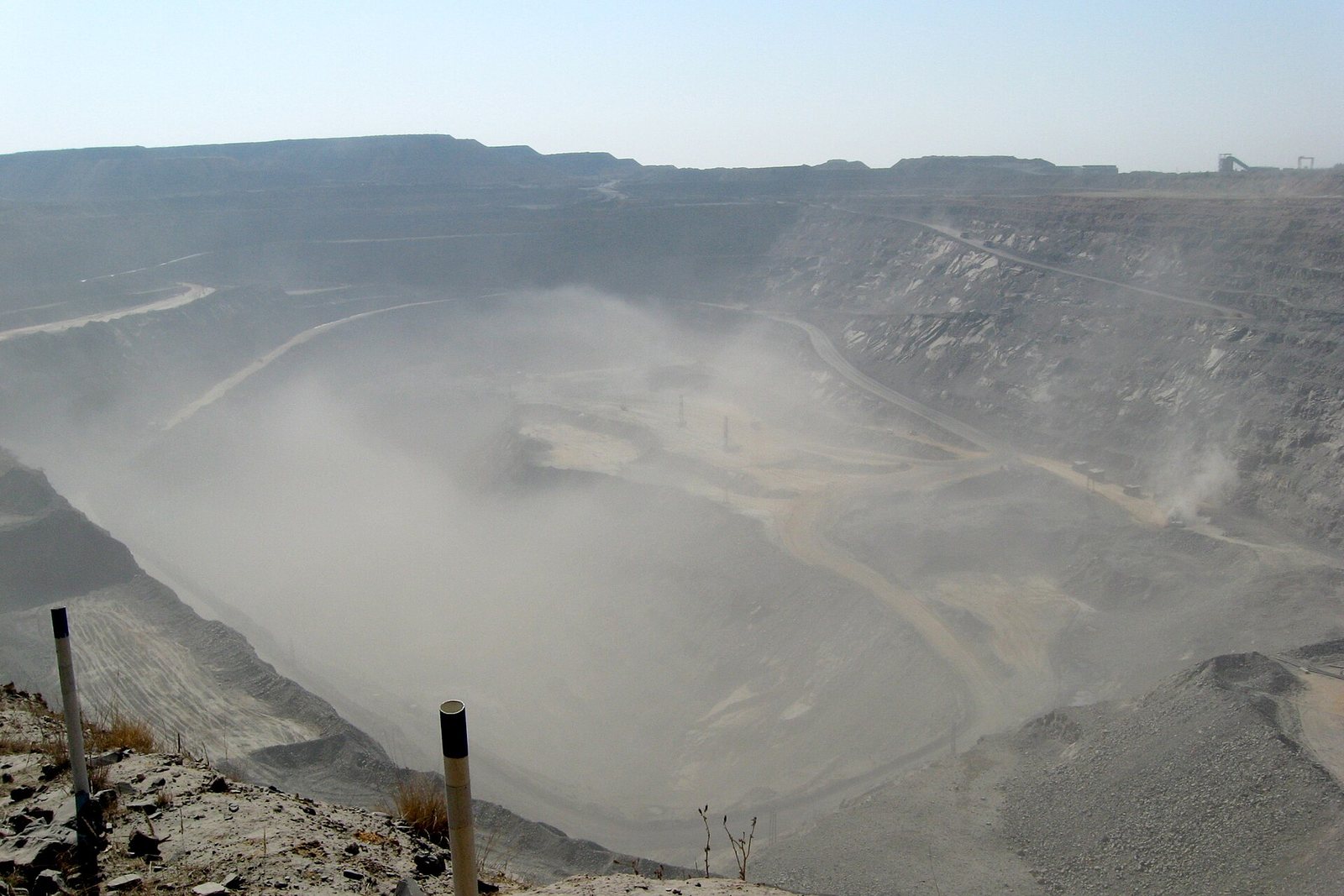
Jwaneng
Jwaneng, Botswana — The richest diamond mine in the world by value. Jwaneng Open Mine, Public domain via Wikimedia Commons

Jwaneng →

İhracat kontrolleri

ÜlkeKontrolUygulandığı kapsam
BotswanaExport ban Raw diamonds (2025).
ChinaExport licensing requirement for materials and technologies Antimony (2024), bismuth (2025), synthesized diamond (2025), gallium (2023), germanium (2023), graphite (2023), indium (2025), magnesium materials (2024), molybdenum (2025), rare earths (2025), silver (2026), tellurium (2025), tungsten (2025), and items related to lithium batteries and artificial graphite anode materials (2025).

USGS Mineral Commodity Summaries 2026, table 4 — controls in effect as of January 2026, excluding controls since lifted.

Materyaller

Tüm malzemeler Kritik mineraller Nadir toprak elementleri Pil malzemeleri Cevher mineralleri Periyodik tablo Tarayıcı

Zemin

Madenler ve yataklar İşleme ve rafinasyon Ülkeler Haritalar

Ekonomi

Velayet güzergâhları Tedarik zincirleri Son pazarlar Teknolojiler Şirketler Materyal hesaplayıcı

Öğren

ÖğrenSözlük Veriye SorYapay zeka ajanları Araştırma ve veriAçık API Haberler★ Kaydedildi

Hakkımızda

Hakkımızdaİletişim MetodolojiVeri kaynakları Editoryal politika Gizlilik politikasıKullanım koşulları Sorumluluk reddi