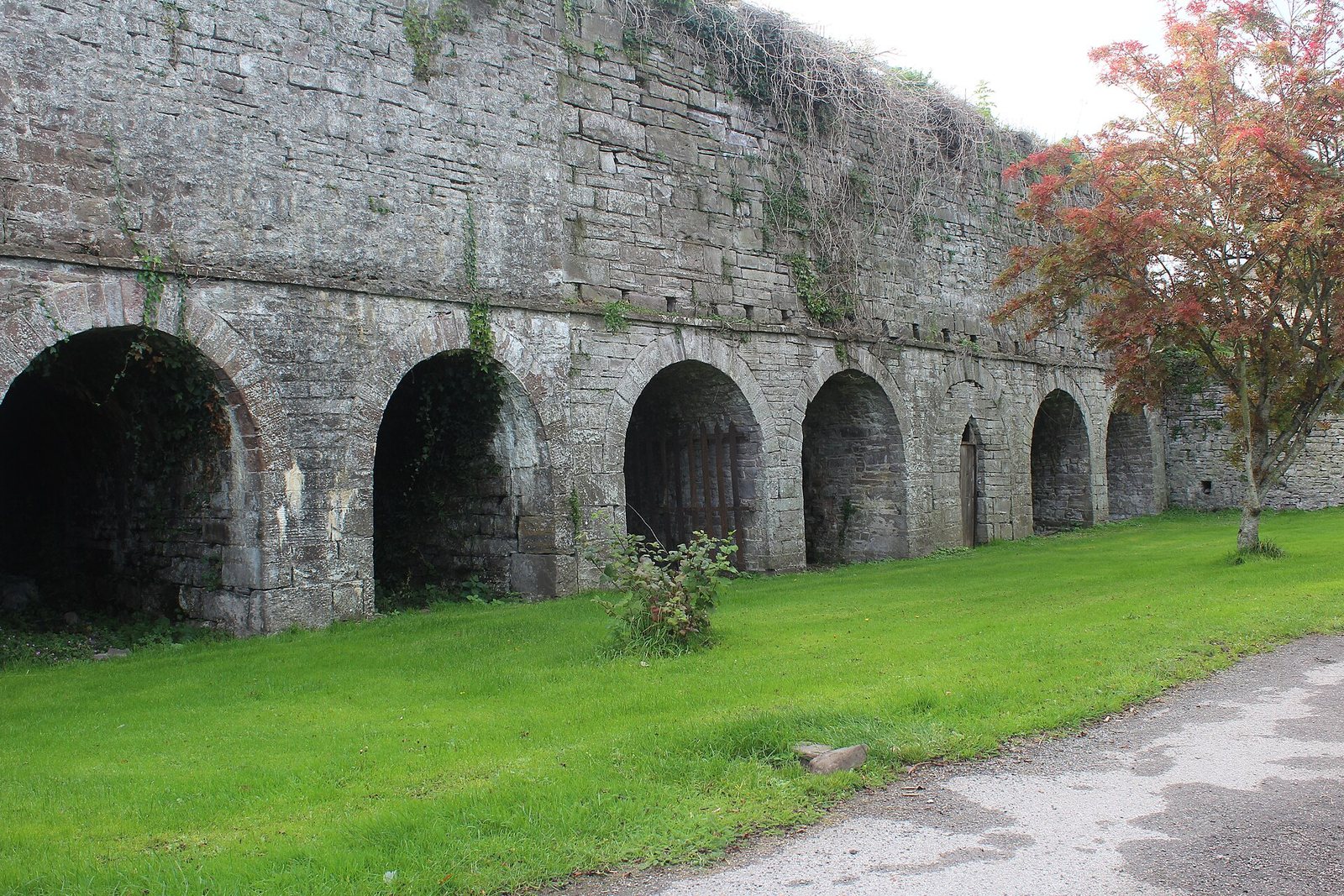
Qu'est-ce que c'est ?
Limestone burned until it becomes quicklime — a chemical used to purify steel, treat water and neutralise acid.
Pourquoi est-ce important ?
Steelmaking is the single largest consumer of lime; every tonne of steel needs some.
Where it is in the Earth
Lime does not occur naturally in the ground — it is made by heating limestone, a sedimentary rock composed mainly of calcium carbonate. Understanding where lime comes from therefore begins with understanding where limestone forms and why it is so abundant. Limestone accumulates in shallow, warm, marine environments where organisms — corals, shellfish, foraminifera — build calcium carbonate skeletons. When they die, those shells and fragments settle on the seabed and, over millions of years, compact and cement into rock. Because shallow seas have covered enormous areas of every continent at various points in geological history, workable limestone deposits are found on virtually every landmass on Earth.
The quality that matters most for lime production is chemical purity: the proportion of calcium carbonate in the rock, with magnesium carbonate, silica, clay and iron oxides counting as impurities. Deposits that contain a significant fraction of magnesium carbonate alongside calcium carbonate are called dolomitic limestone, and they yield dolomitic lime when burned — a chemically distinct product used in some steelmaking furnace linings and agricultural applications. The distinction between high-calcium and dolomitic sources runs through the entire supply chain, because the two cannot always substitute for one another in use.
Because limestone is geologically widespread and physically massive, the industry is not constrained by deposit rarity in the way that metallic mineral industries often are. What determines where lime is produced is less the availability of stone than the proximity of that stone to large industrial consumers — chiefly steel mills — and the availability of fuel for the kilns. A deposit must be thick enough, pure enough and close enough to a market to justify building and running a kiln; those practical filters, rather than geological scarcity, explain the distribution of production seen in the country table.
Getting it out
Limestone for lime production is quarried — that is, mined in open pits — almost universally. The rock is close to the surface, often exposed in hillsides or bluffs, and occurs in beds thick enough that removing it in bulk is straightforward. Drilling and blasting break the rock into fragments, which are then loaded by excavators into haulage trucks and carried to a crusher at the edge of the quarry or at the kiln site. Because limestone is the raw material rather than a concentrate of something rare, very large volumes of rock move for each tonne of finished lime, and the economics of the operation depend heavily on how efficiently that rock can be extracted and transported.
Grade, in the limestone context, means chemical purity rather than the concentration of a trace metal. A high-calcium limestone might carry upwards of ninety-five percent calcium carbonate, with the balance being magnesium and silica compounds. Operators selectively quarry to blend feed to the kiln within the purity specification their customers require, avoiding lenses of impure or dolomitic material where possible. Waste rock — overburden stripped before the limestone is reached, or rock too impure for the kiln — is stockpiled on site. Because limestone is a bulk commodity rather than a rare mineral, the ratio of waste to saleable product is generally lower than in metallic mining, though it varies considerably with local geology and the depth of cover above the usable stone.
The quarry and the kiln are almost always owned and operated together, often as a single integrated plant. Unlike metallic ores, which may travel long distances from mine to smelter, limestone is rarely economic to ship far before burning — its bulk makes transport costly relative to its value. Quicklime, once made, is caustic and reactive and degrades if exposed to moisture, so the finished product also has limited shelf life and is typically delivered to customers within a fairly short radius of the kiln.
What pulls on it
Steel production is the dominant end use for lime by a considerable margin. In the basic oxygen furnace steelmaking process, quicklime is charged into the vessel to react with silica, phosphorus and sulfur impurities in the molten iron, drawing them out as a slag that can be removed. Without this flux, the steel would retain impurities that weaken it and make it brittle. Because every tonne of steel made by this route consumes lime, global demand for lime tracks global steel output very closely — which in turn tracks construction activity, automotive production and infrastructure spending. China's dominance in the production table reflects its dominance in steelmaking; the two tables are, in effect, the same story.
Beyond steel, lime is used in water treatment — both municipal drinking water and industrial effluent — where its alkalinity neutralises acidity and precipitates dissolved metals and phosphorus. In agriculture it corrects soil pH, allowing crops to access nutrients that would otherwise be chemically locked up. Flue-gas desulfurisation, the process of removing sulfur dioxide from power station exhaust, is another significant use: lime reacts with the gas to form calcium sulfate. Each of these markets has a different character: water treatment demand is relatively stable and tied to population, agricultural demand is seasonal and linked to soil chemistry, and flue-gas scrubbing depends on the mix of fuel used in power generation and the strictness of air-quality regulation.
For demand to change sharply, the most plausible mechanism is a shift in steelmaking technology. Electric arc furnaces, which melt recycled scrap rather than reducing iron ore, consume less lime per tonne of steel than basic oxygen furnaces. If the global fleet of steelmaking capacity shifts substantially toward electric arc routes — as it might under climate pressure — lime consumption per tonne of steel output would fall. That effect would take decades to materialise fully and would be partially offset by demand from other growing uses, such as lithium processing and carbon capture mineralisation, but the directional dependence on basic oxygen steelmaking is the central structural fact for anyone reading the demand data.
Turning ore into product Niveau 3
The conversion of limestone to lime is a thermal decomposition reaction called calcination. Crushed limestone is fed into a kiln and heated to temperatures at which calcium carbonate breaks down into calcium oxide — quicklime — and carbon dioxide, which exits as a gas. The reaction is endothermic, meaning it requires a sustained heat input, and fuel cost therefore dominates the operating cost of a lime plant. Rotary kilns, vertical shaft kilns and parallel-flow regenerative kilns each handle the calcination differently, with different trade-offs between fuel efficiency, product quality and capital cost. Kiln selection is driven partly by the grain size of the feed stone, since vertical shaft kilns require lump stone while rotary kilns can handle fines.
Quicklime — calcium oxide — is the primary product. It is highly reactive with water, and if water is added deliberately in controlled proportions, it slakes to form calcium hydroxide, known as hydrated lime or slaked lime. Hydration is a secondary processing step that adds handling cost but produces a powder that is easier to store, safer to transport and directly applicable in water treatment and flue-gas scrubbing. The choice between selling quicklime or hydrated lime is partly a market decision and partly an operational one: steel mills generally prefer quicklime because they want the concentrated alkalinity, while municipal water systems typically prefer the more stable hydrated form.
Losses in the process occur at two points. Fine particles generated during crushing and screening — called fines — may not be suitable for certain kiln types and can either be processed separately, sold at a discount, or disposed of. Over-burned lime, produced when material is held at temperature too long, is less reactive than correctly calcined product and commands a lower price or must be rejected. The carbon dioxide released during calcination is intrinsic to the chemistry and represents a fixed emission per tonne of lime produced that cannot be eliminated by switching fuels, only captured downstream — a point that matters as lime producers engage with industrial decarbonisation discussions.
Substitution and recycling Niveau 3
In steelmaking, lime's function — fluxing acidic impurities out of molten metal — can in principle be performed by other alkaline materials, but in practice no substitute matches quicklime's combination of reactivity, purity and cost for the basic oxygen furnace. Dolomitic lime, made from magnesium-rich limestone, is used alongside high-calcium lime in some furnace practices partly to protect the magnesite-based refractory lining from excessive erosion, so in that sense the two grades complement rather than substitute for each other. Synthetic alternatives to natural limestone do not exist at scale for this purpose; the industry uses what geology provides.
In water treatment, caustic soda (sodium hydroxide) can substitute for hydrated lime to raise pH and precipitate metals, and it is sometimes preferred where space is limited or where sodium in the treated water is not a concern. However, caustic soda is considerably more expensive per unit of alkalinity than lime, so lime retains the position as default reagent wherever the volumes are large and the sodium constraint does not apply. In flue-gas desulfurisation, sodium bicarbonate and ammonia-based reagents can replace lime, but again cost and logistics favour lime where a kiln is accessible.
Recycling is not applicable to lime in the conventional sense: once it has reacted — forming slag in a steel furnace, precipitating phosphate in a sewage works, or neutralising acid in a mine drainage treatment plant — the calcium is dispersed in a solid residue and is not recovered for re-use as lime. Steel slag, which contains significant calcium compounds, is used as a construction material and road base, which represents a form of value recovery, but it does not return calcium to the lime supply chain. The absence of a recycled secondary supply means lime demand is met entirely from primary production, with no buffer from scrap flows.
Where the chain is fragile Niveau 4
The geographic concentration evident in the production table is extreme even by the standards of industrial minerals: China accounts for roughly 310,000 thousand metric tons of a 420,000 thousand metric ton world total, a share that has no close parallel among bulk industrial materials. Because lime is heavy and reactive, it travels poorly and is rarely traded internationally in volume — each market is served by local production, and Chinese output is consumed domestically rather than exported. This means the concentration does not directly expose other countries to a Chinese supply disruption in the way that, say, rare earth concentration does. The risk it creates is instead indirect: methodological, because data quality and reporting conventions in the Chinese industry vary, and analytical, because any model of global lime demand that does not accurately represent Chinese steel output is unreliable from the outset.
For countries outside China, the fragility in the lime supply chain sits not in raw material availability — limestone is abundant nearly everywhere — but in the kiln infrastructure and the fuel supply that sustains it. Lime kilns are capital-intensive, long-lived assets with lead times from investment decision to commissioning that run to several years. A steel mill that loses its lime supplier faces limited alternatives at short notice because there is seldom a nearby idle kiln that can be brought up quickly. The spatial coupling between kiln and customer — enforced by lime's bulk and reactivity — means that local supply disruptions, even in regions with ample limestone, are not easily remedied by imports.
The carbon dioxide released during calcination is a structural feature of the chemistry, not an artefact of process inefficiency. Published emission inventories treat this process CO₂ separately from combustion CO₂, and the two are sometimes conflated in secondary sources, creating apparent disagreements in reported footprints. For researchers attempting to use life-cycle data or to model the impact of carbon pricing on lime costs, distinguishing process emissions — which cannot be reduced by fuel switching — from combustion emissions — which can — is essential. Neither the USGS nor most national geological surveys separately report this split in their lime statistics, so it must be sourced from process engineering literature or industry association data, each of which uses its own system boundaries and conversion factors.
Qui le produit
Voir sur une carte →Production
Productionthousand metric tons 2025 (estimé) Total mondial 420,000 thousand metric tons
USGS Mineral Commodity Summaries 2026 · Quicklime and hydrated lime, gross weight. · source ↗
Faire défiler le tableau latéralement pour afficher les colonnes restantes.
| Pays | Production | Part mondiale |
|---|---|---|
| China | 310,000 | 73.8% |
| India | 17,000 | 4.0% |
| Other countries | 16,000 | 3.8% |
| United States | 15,000 | 3.6% |
| Brazil | 8,200 | 2.0% |
| Korea, Republic of | 5,000 | 1.2% |
| Germany | 4,800 | 1.1% |
| Iran | 4,000 | 1.0% |
| Turkey | 4,000 | 1.0% |
| France | 3,500 | 0.8% |
| Italy | 2,500 | 0.6% |
| Australia | 1,900 | 0.5% |
| Spain | 1,700 | 0.4% |
| Canada | 1,600 | 0.4% |
| Malaysia | 1,400 | 0.3% |
| Bulgaria | 1,300 | 0.3% |
| United Kingdom | 1,300 | 0.3% |
| Belgium | 1,100 | 0.3% |
| Ukraine | 1,100 | 0.3% |
| South Africa | 1,000 | 0.2% |
| Total mondial | 420,000 | 100% |
Production: hydrated and quicklime
Production: hydrated and quicklimethousand metric tons 2025 (estimé)
USGS Mineral Commodity Summaries 2026 · Quicklime and hydrated lime, gross weight. · source ↗
Faire défiler le tableau latéralement pour afficher les colonnes restantes.
| Pays | Production | Part mondiale |
|---|---|---|
| Poland | 1,300 | — |
Production: industrial and construction
Production: industrial and constructionthousand metric tons 2025 (estimé)
USGS Mineral Commodity Summaries 2026 · Quicklime and hydrated lime, gross weight. · source ↗
Faire défiler le tableau latéralement pour afficher les colonnes restantes.
| Pays | Production | Part mondiale |
|---|---|---|
| Russia | 12,000 | — |
Production: quicklime only
Production: quicklime onlythousand metric tons 2025 (estimé)
USGS Mineral Commodity Summaries 2026 · Quicklime and hydrated lime, gross weight. · source ↗
Faire défiler le tableau latéralement pour afficher les colonnes restantes.
| Pays | Production | Part mondiale |
|---|---|---|
| Japan | 5,900 | — |
« Withheld » signifie que l'USGS a supprimé le chiffre afin de ne pas divulguer les données d'une entreprise individuelle — cela ne signifie pas zéro. La somme des lignes par pays ne correspond pas toujours au total mondial, car la source arrondit chaque chiffre de manière indépendante et ne détaille pas toujours une ligne « autres pays ».
Prix
average value, dollars per metric ton at plant: Hydrated
Moyenne annuelledollars per metric ton
Base: average value, dollars per metric ton at plant: Hydrated. Moyennes annuelles telles que publiées dans USGS Mineral Commodity Summaries 2026 · source ↗. Il s'agit de moyennes annuelles de référence, et non de cotations de marché en temps réel.
average value, dollars per metric ton at plant: Quicklime
Moyenne annuelledollars per metric ton
Base: average value, dollars per metric ton at plant: Quicklime. Moyennes annuelles telles que publiées dans USGS Mineral Commodity Summaries 2026 · source ↗. Il s'agit de moyennes annuelles de référence, et non de cotations de marché en temps réel.
À quoi cela sert
Tous les marchés finaux →| Marché final | Ce qu'il fait là-bas | Importance |
|---|---|---|
| Construction & Steel | Steel refining and soil stabilisation | Important |
| Agriculture & Food | Soil pH correction | Important |