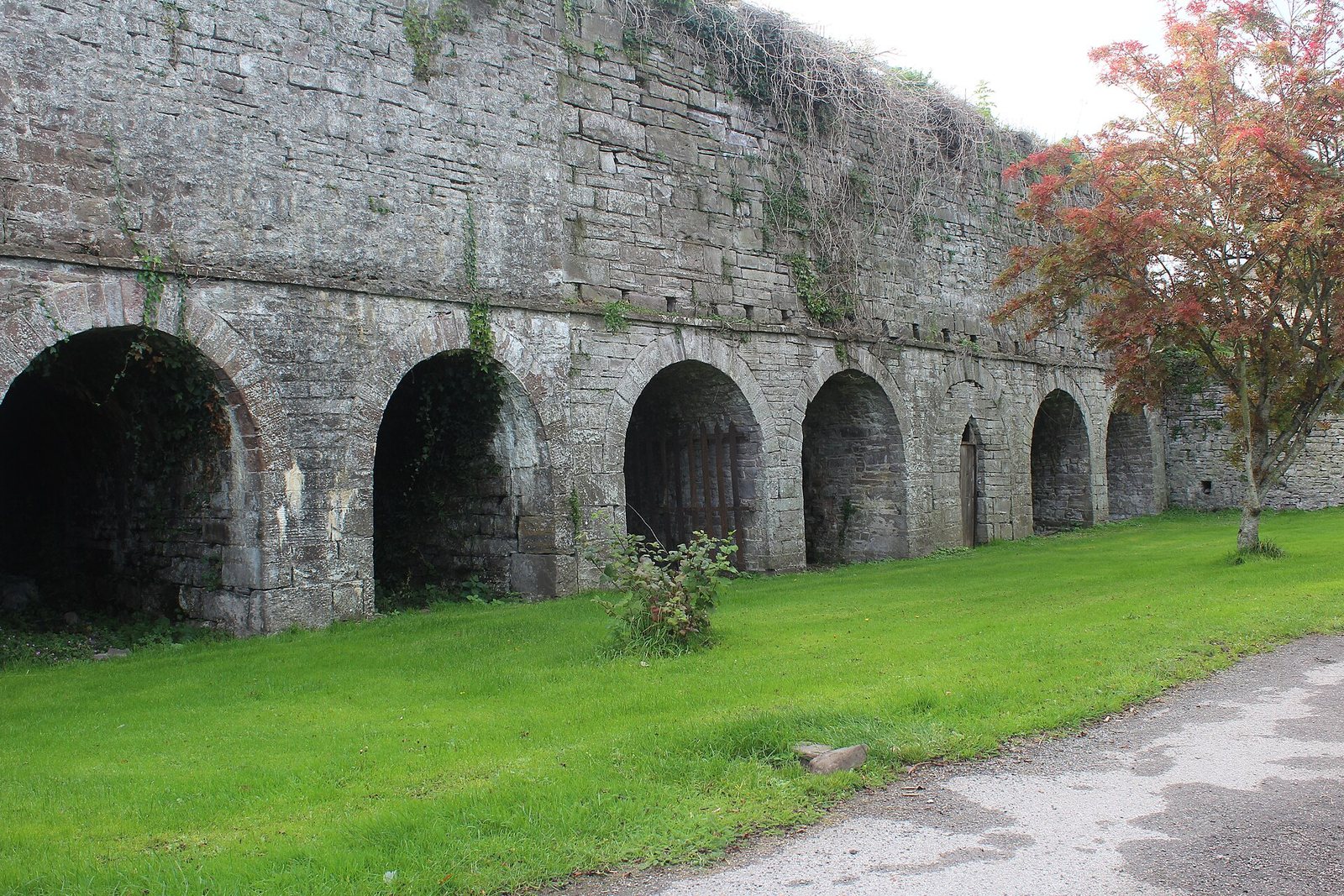
Apa ini?
Limestone burned until it becomes quicklime — a chemical used to purify steel, treat water and neutralise acid.
Mengapa ini penting?
Steelmaking is the single largest consumer of lime; every tonne of steel needs some.
Where it is in the Earth
Lime does not occur naturally in the ground — it is made by heating limestone, a sedimentary rock composed mainly of calcium carbonate. Understanding where lime comes from therefore begins with understanding where limestone forms and why it is so abundant. Limestone accumulates in shallow, warm, marine environments where organisms — corals, shellfish, foraminifera — build calcium carbonate skeletons. When they die, those shells and fragments settle on the seabed and, over millions of years, compact and cement into rock. Because shallow seas have covered enormous areas of every continent at various points in geological history, workable limestone deposits are found on virtually every landmass on Earth.
The quality that matters most for lime production is chemical purity: the proportion of calcium carbonate in the rock, with magnesium carbonate, silica, clay and iron oxides counting as impurities. Deposits that contain a significant fraction of magnesium carbonate alongside calcium carbonate are called dolomitic limestone, and they yield dolomitic lime when burned — a chemically distinct product used in some steelmaking furnace linings and agricultural applications. The distinction between high-calcium and dolomitic sources runs through the entire supply chain, because the two cannot always substitute for one another in use.
Because limestone is geologically widespread and physically massive, the industry is not constrained by deposit rarity in the way that metallic mineral industries often are. What determines where lime is produced is less the availability of stone than the proximity of that stone to large industrial consumers — chiefly steel mills — and the availability of fuel for the kilns. A deposit must be thick enough, pure enough and close enough to a market to justify building and running a kiln; those practical filters, rather than geological scarcity, explain the distribution of production seen in the country table.
Getting it out
Limestone for lime production is quarried — that is, mined in open pits — almost universally. The rock is close to the surface, often exposed in hillsides or bluffs, and occurs in beds thick enough that removing it in bulk is straightforward. Drilling and blasting break the rock into fragments, which are then loaded by excavators into haulage trucks and carried to a crusher at the edge of the quarry or at the kiln site. Because limestone is the raw material rather than a concentrate of something rare, very large volumes of rock move for each tonne of finished lime, and the economics of the operation depend heavily on how efficiently that rock can be extracted and transported.
Grade, in the limestone context, means chemical purity rather than the concentration of a trace metal. A high-calcium limestone might carry upwards of ninety-five percent calcium carbonate, with the balance being magnesium and silica compounds. Operators selectively quarry to blend feed to the kiln within the purity specification their customers require, avoiding lenses of impure or dolomitic material where possible. Waste rock — overburden stripped before the limestone is reached, or rock too impure for the kiln — is stockpiled on site. Because limestone is a bulk commodity rather than a rare mineral, the ratio of waste to saleable product is generally lower than in metallic mining, though it varies considerably with local geology and the depth of cover above the usable stone.
The quarry and the kiln are almost always owned and operated together, often as a single integrated plant. Unlike metallic ores, which may travel long distances from mine to smelter, limestone is rarely economic to ship far before burning — its bulk makes transport costly relative to its value. Quicklime, once made, is caustic and reactive and degrades if exposed to moisture, so the finished product also has limited shelf life and is typically delivered to customers within a fairly short radius of the kiln.
What pulls on it
Steel production is the dominant end use for lime by a considerable margin. In the basic oxygen furnace steelmaking process, quicklime is charged into the vessel to react with silica, phosphorus and sulfur impurities in the molten iron, drawing them out as a slag that can be removed. Without this flux, the steel would retain impurities that weaken it and make it brittle. Because every tonne of steel made by this route consumes lime, global demand for lime tracks global steel output very closely — which in turn tracks construction activity, automotive production and infrastructure spending. China's dominance in the production table reflects its dominance in steelmaking; the two tables are, in effect, the same story.
Beyond steel, lime is used in water treatment — both municipal drinking water and industrial effluent — where its alkalinity neutralises acidity and precipitates dissolved metals and phosphorus. In agriculture it corrects soil pH, allowing crops to access nutrients that would otherwise be chemically locked up. Flue-gas desulfurisation, the process of removing sulfur dioxide from power station exhaust, is another significant use: lime reacts with the gas to form calcium sulfate. Each of these markets has a different character: water treatment demand is relatively stable and tied to population, agricultural demand is seasonal and linked to soil chemistry, and flue-gas scrubbing depends on the mix of fuel used in power generation and the strictness of air-quality regulation.
For demand to change sharply, the most plausible mechanism is a shift in steelmaking technology. Electric arc furnaces, which melt recycled scrap rather than reducing iron ore, consume less lime per tonne of steel than basic oxygen furnaces. If the global fleet of steelmaking capacity shifts substantially toward electric arc routes — as it might under climate pressure — lime consumption per tonne of steel output would fall. That effect would take decades to materialise fully and would be partially offset by demand from other growing uses, such as lithium processing and carbon capture mineralisation, but the directional dependence on basic oxygen steelmaking is the central structural fact for anyone reading the demand data.
Siapa yang memproduksinya
Lihat di peta →Production
Productionthousand metric tons 2025 (estimasi) Total dunia 420,000 thousand metric tons
USGS Mineral Commodity Summaries 2026 · Quicklime and hydrated lime, gross weight. · sumber ↗
Gulir tabel ke samping untuk melihat kolom-kolom yang tersisa.
| Negara | Produksi | Pangsa dunia |
|---|---|---|
| China | 310,000 | 73.8% |
| India | 17,000 | 4.0% |
| Other countries | 16,000 | 3.8% |
| United States | 15,000 | 3.6% |
| Brazil | 8,200 | 2.0% |
| Korea, Republic of | 5,000 | 1.2% |
| Germany | 4,800 | 1.1% |
| Iran | 4,000 | 1.0% |
| Turkey | 4,000 | 1.0% |
| France | 3,500 | 0.8% |
| Italy | 2,500 | 0.6% |
| Australia | 1,900 | 0.5% |
| Spain | 1,700 | 0.4% |
| Canada | 1,600 | 0.4% |
| Malaysia | 1,400 | 0.3% |
| Bulgaria | 1,300 | 0.3% |
| United Kingdom | 1,300 | 0.3% |
| Belgium | 1,100 | 0.3% |
| Ukraine | 1,100 | 0.3% |
| South Africa | 1,000 | 0.2% |
| Total dunia | 420,000 | 100% |
Production: hydrated and quicklime
Production: hydrated and quicklimethousand metric tons 2025 (estimasi)
USGS Mineral Commodity Summaries 2026 · Quicklime and hydrated lime, gross weight. · sumber ↗
Gulir tabel ke samping untuk melihat kolom-kolom yang tersisa.
| Negara | Produksi | Pangsa dunia |
|---|---|---|
| Poland | 1,300 | — |
Production: industrial and construction
Production: industrial and constructionthousand metric tons 2025 (estimasi)
USGS Mineral Commodity Summaries 2026 · Quicklime and hydrated lime, gross weight. · sumber ↗
Gulir tabel ke samping untuk melihat kolom-kolom yang tersisa.
| Negara | Produksi | Pangsa dunia |
|---|---|---|
| Russia | 12,000 | — |
Production: quicklime only
Production: quicklime onlythousand metric tons 2025 (estimasi)
USGS Mineral Commodity Summaries 2026 · Quicklime and hydrated lime, gross weight. · sumber ↗
Gulir tabel ke samping untuk melihat kolom-kolom yang tersisa.
| Negara | Produksi | Pangsa dunia |
|---|---|---|
| Japan | 5,900 | — |
"Ditahan" berarti USGS menyembunyikan angka tersebut untuk menghindari pengungkapan data perusahaan tertentu — bukan berarti nol. Baris per negara tidak selalu berjumlah sama dengan total dunia karena sumber membulatkan setiap angka secara independen dan tidak selalu merinci baris "negara lain".
Harga
average value, dollars per metric ton at plant: Hydrated
Rata-rata tahunandollars per metric ton
Dasar: average value, dollars per metric ton at plant: Hydrated. Rata-rata tahunan sebagaimana diterbitkan dalam USGS Mineral Commodity Summaries 2026 · sumber ↗. Ini adalah rata-rata tahunan referensi, bukan kuotasi pasar secara langsung.
average value, dollars per metric ton at plant: Quicklime
Rata-rata tahunandollars per metric ton
Dasar: average value, dollars per metric ton at plant: Quicklime. Rata-rata tahunan sebagaimana diterbitkan dalam USGS Mineral Commodity Summaries 2026 · sumber ↗. Ini adalah rata-rata tahunan referensi, bukan kuotasi pasar secara langsung.
Untuk apa digunakan
Semua pasar akhir →| Pasar akhir | Apa yang dilakukannya di sana | Kepentingan |
|---|---|---|
| Construction & Steel | Steel refining and soil stabilisation | Penting |
| Agriculture & Food | Soil pH correction | Penting |