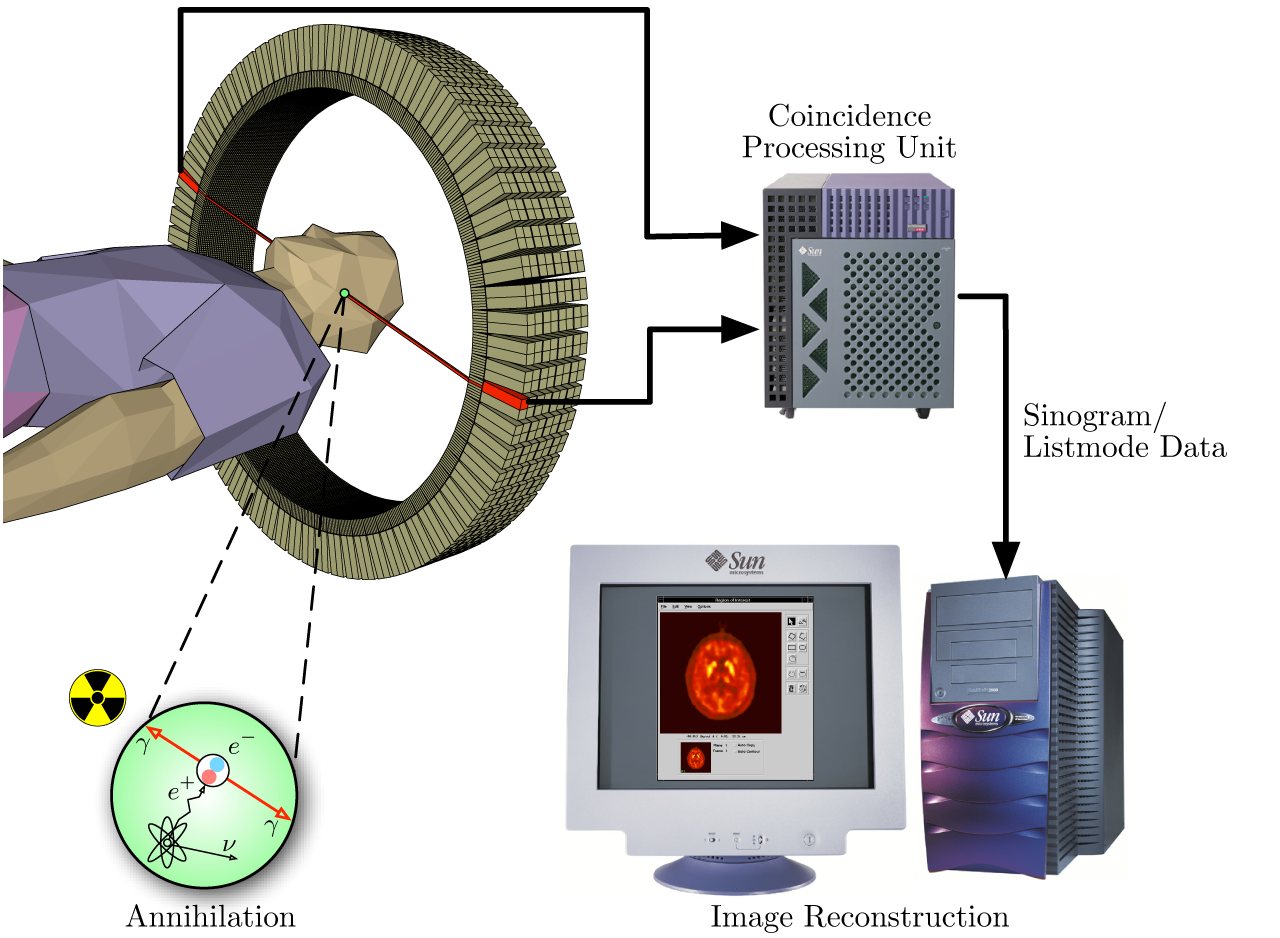
O que é?
The last and densest rare earth, used in the crystals that detect gamma rays inside a PET scanner.
Por que razão é importante?
Lutetium-177 is also a targeted cancer therapy — a rare earth delivered directly to a tumour.
Where it is in the Earth
Lutetium belongs to the group of elements called the rare earth elements (REEs), a set of seventeen metals that share similar chemistry and nearly always occur together in nature. Despite the name, rare earths are not especially scarce in the Earth's crust — the difficulty is that they rarely become concentrated enough in one place to be worth mining. Lutetium is the last and heaviest of the lanthanide series, and its size and charge mean it behaves slightly differently from its lighter cousins, a distinction that shapes where it ends up in rocks.
The principal mineral that carries lutetium in economic quantities is xenotime, a yttrium phosphate in which the heavier rare earths — including lutetium — substitute for yttrium in the crystal structure. Xenotime concentrates in granites and pegmatites (coarse-grained igneous rocks formed from the last, volatile-rich dregs of a cooling magma), and it is durable enough to survive weathering and accumulate in river sands and beach placers. A second and increasingly important source is the ion-adsorption clay deposit, found chiefly across southern China. In these deposits, tropical weathering over long timescales has broken down rare-earth-bearing granite, and the released REE ions have been adsorbed — loosely attached by electrical charge — onto clay minerals such as kaolinite rather than locked into a hard crystal. The heavy rare earths, lutetium among them, are relatively enriched in these clays compared with the hard-rock phosphate minerals, which tend to favour lighter elements such as cerium and lanthanum. This geological accident makes the southern Chinese clay deposits the world's dominant source of lutetium and the other heavy rare earths.
There is no single geological event that created these deposits. The granites formed during ancient episodes of continental collision and magmatic activity; the clay profiles developed where those granites sat under warm, wet climates for millions of years. The result is that heavy-rare-earth resources are geographically narrow, tied to specific weathering histories that are not replicated widely across the globe.
Getting it out
The two source types — xenotime-bearing placers or hard rocks, and ion-adsorption clays — are mined in quite different ways, and lutetium arrives at the processing plant as a minor constituent of whichever host is being worked, not as a target mineral in its own right. In hard-rock or placer operations, conventional open-pit excavation or dredging recovers the ore, which is then sent through physical separation circuits. The ore grade for lutetium specifically is extremely low even within a rare-earth deposit, because lutetium makes up only a small fraction of the total rare-earth content of any given rock.
Ion-adsorption clay deposits present a different picture. Because the REE ions are held loosely on clay surfaces rather than locked into a mineral lattice, they can be released without crushing or high-temperature treatment. The historical practice involved heap leaching — piling excavated clay and washing it with a salt solution — but in-situ leaching has become more common: the leaching solution is injected into the undisturbed clay body through drilled wells, and the REE-bearing solution is pumped back to the surface. This avoids moving large volumes of overburden but makes land rehabilitation more complicated, since the subsurface is disturbed without being visibly excavated. Either way, the ratio of material disturbed to lutetium ultimately recovered is very large: lutetium is a trace constituent of a deposit that is itself described in terms of total rare earth oxide content, and the heavy rare earths as a group are a minority fraction of that total.
Because lutetium is recovered as part of a mixed rare-earth stream, the economics of mining it are inseparable from the economics of the deposit as a whole. A mine does not open for lutetium; lutetium becomes available when a deposit rich enough in heavy rare earths is worked for the broader suite of elements it contains.
What pulls on it
Lutetium is consumed in two quite separate contexts, and they have little in common beyond the element itself. The first is the manufacture of scintillator crystals — materials that convert gamma-ray photons into flashes of visible light — for use in positron emission tomography (PET) scanners. The crystals most widely used in modern PET detectors are lutetium oxyorthosilicate (LSO) and lutetium-yttrium oxyorthosilicate (LYSO). These replaced earlier scintillator materials because they are faster to respond and denser, which means they stop more of the gamma rays that would otherwise pass straight through. As PET scanning has grown as a diagnostic tool — particularly in oncology, where it is used to locate and stage tumours — demand for LSO and LYSO crystals has grown with it. The installed base of PET scanners continues to expand in both established and emerging medical markets, and each scanner requires a significant volume of crystal.
The second demand stream is lutetium-177 as a targeted radionuclide therapy. In this application, a lutetium-177 atom is attached to a molecule that seeks out specific receptors on cancer cells. Once bound, the isotope irradiates the tumour from within. This approach has received regulatory approval for certain cancers and is in clinical trials for others. The volume of lutetium metal consumed per patient is small, but if the therapy is approved for additional indications, the aggregate demand could grow substantially relative to current production. Unlike the crystal application, which uses stable natural lutetium, the therapy uses a specific radioactive isotope produced in reactors, so demand growth here pulls on reactor capacity and radiopharmaceutical manufacturing infrastructure as much as on mining output.
A sharp change in demand in either direction would require either a clinical setback affecting the therapeutic approvals or a competing scanner technology that did not rely on lutetium-based crystals. Neither appears imminent, but lutetium's market is small enough that even modest changes in adoption rates for the therapy can move total demand meaningfully.
Turning ore into product Nível 3
The route from ore to usable lutetium oxide passes through several distinct stages, and the losses and costs are distributed unevenly across them. For ion-adsorption clays, the leach solution — typically an ammonium sulfate or magnesium sulfate brine — extracts a mixed rare-earth carbonate or hydroxide precipitate after neutralisation. This precipitate contains all the rare earths present in the clay in roughly the proportions they were adsorbed, meaning lutetium arrives in a mixed concentrate alongside yttrium, erbium, ytterbium, and the other heavy lanthanides. Xenotime-sourced material goes through physical concentration first — gravity separation, magnetic separation, and flotation to produce a xenotime mineral concentrate — before acid digestion breaks open the phosphate structure and puts the rare earths into solution.
Separating individual rare earths from a mixed solution is the most technically demanding and capital-intensive step. The standard industrial method is solvent extraction (SX), sometimes called liquid–liquid extraction: the dissolved rare earths are contacted with an organic solvent containing a selective extractant molecule, and the slight differences in how each lanthanide partitions between the aqueous and organic phases are exploited through hundreds of repeated contact stages in banks of mixer-settler units. Because lutetium's chemistry is so similar to that of its neighbours, achieving high-purity separation requires long SX trains with careful control of pH, temperature, and extractant concentration. The oxide traded at 99.99% minimum purity — the basis of the price series on this page — represents the output of a demanding separation and then a precipitation, filtration, and calcination (high-temperature oxidation) sequence. Yield losses occur at every liquid–solid transfer, and the cost of reagents and the capital tied up in the SX plant are substantial relative to the small quantities of lutetium ultimately produced.
A further processing step applies to the medical end use. Lutetium-177, the therapeutic isotope, is not separated from natural lutetium by chemistry but produced by neutron irradiation of a lutetium-176 target in a nuclear reactor. The isotope production chain therefore adds a neutron-capture step and a radiochemical handling infrastructure on top of the standard oxide supply chain, making the medical isotope a distinct product with its own production geography and lead-time constraints.
Substitution and recycling Nível 3
In the scintillator application, the choice of crystal is constrained by a specific combination of physical properties: density, light yield, decay time, and ease of manufacture. Earlier PET detectors used bismuth germanate (BGO) or sodium iodide, which contain no rare earths. LSO and LYSO displaced them because their performance characteristics suit the timing requirements of modern scanner designs. Reverting to BGO is technically possible and some scanner designs still use it, but it involves an engineering trade-off in detector performance. No drop-in substitute exists that matches LSO or LYSO without some cost in performance. Yttrium-based scintillators that reduce lutetium content are a subject of ongoing research, but any new crystal chemistry requires a long qualification process before it enters commercial production.
In the therapeutic application, lutetium-177 competes with other radionuclides — yttrium-90 is the most established alternative — but each isotope has different physical properties (energy, range of radiation in tissue, half-life) that suit different clinical situations. They are not freely interchangeable; the choice is made on clinical grounds rather than material-availability grounds, and a shortage of lutetium-177 would not simply redirect patients to yttrium-90. Other isotopes are in earlier stages of clinical development.
Recycling of lutetium from end-of-life products is negligible in practice. PET scanner crystals are embedded in complex detector assemblies, and the volumes involved, combined with the difficulty of recovering and re-purifying the rare earth from a mixed solid, make collection and processing uneconomic at current scales. Lutetium-177 used in therapy is dispersed at the patient level and is, in any case, radioactive with a short half-life. Secondary supply therefore contributes essentially nothing to the market, and the entire supply chain rests on primary production from mining.
Where the chain is fragile Nível 4
The supply chain for lutetium is narrow at almost every point, and the sources of fragility compound one another. Primary production statistics are not broken out separately in the data available to this publication — the world production and reserves fields carry no figures — which itself reflects how the material is reported: lutetium is subsumed within broader heavy rare earth oxide totals, and national-level disaggregation is either not published or is withheld by producing-country statistical authorities. This opacity makes independent assessment of supply adequacy difficult. What is broadly understood from geological and trade data is that heavy rare earth supply, and therefore lutetium supply, depends heavily on southern Chinese ion-adsorption clay deposits, a concentration of source geography that has no near-term parallel from alternative producing regions.
Lutetium's status as a co-product rather than a primary product introduces a structural lag into any supply response. If demand for lutetium oxide increases faster than demand for the other heavy rare earths in the same deposit, the production of lutetium cannot simply be accelerated without also producing the full suite of co-products, some of which may have weaker markets. Conversely, if a new heavy-rare-earth mine opens for other reasons, lutetium supply increases whether there is specific demand or not. This by-product logic means that price signals transmit to production volumes only indirectly and slowly, and the lead times for new hard-rock rare-earth projects — from discovery through permitting, financing, and construction to first production — are measured in years to decades.
Downstream processing is a separate bottleneck. The solvent extraction capacity needed to isolate high-purity lutetium oxide at 99.99% is concentrated in China, with limited equivalent capacity elsewhere. Efforts to build separation facilities outside China are underway in various jurisdictions, but separation plants for heavy rare earths are technically demanding to design and qualify, and their output must be validated by end users before it enters the supply chain for medical-grade applications. The price series on this page — stable within a relatively narrow band across 2021 to 2025 — may reflect the thinness of the traded market rather than a well-functioning price-discovery process: lutetium oxide is transacted in small quantities, and averages derived from thin markets carry wider uncertainty than commodity price series based on high-volume exchange trading.
De onde vem na rocha
Todos os minerais de minério →Estes são os minerais que efetivamente transportam lutetium. Um depósito só é um corpo de minério se um deles estiver concentrado o suficiente para justificar o custo de sua extração.
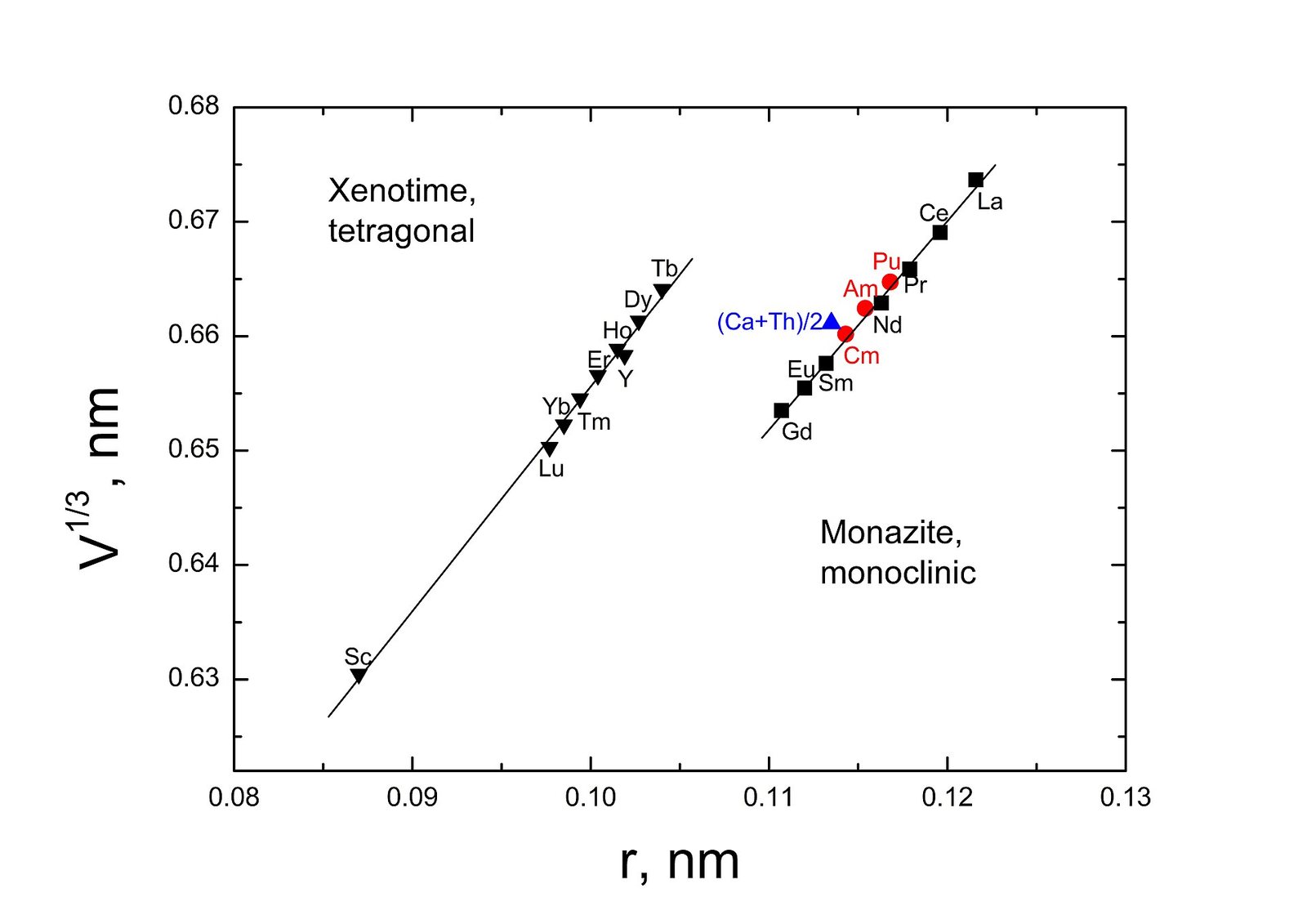
Xenotime
A yttrium phosphate that also carries the heavy rare earths — dysprosium, terbium, erbium — that magnets need.
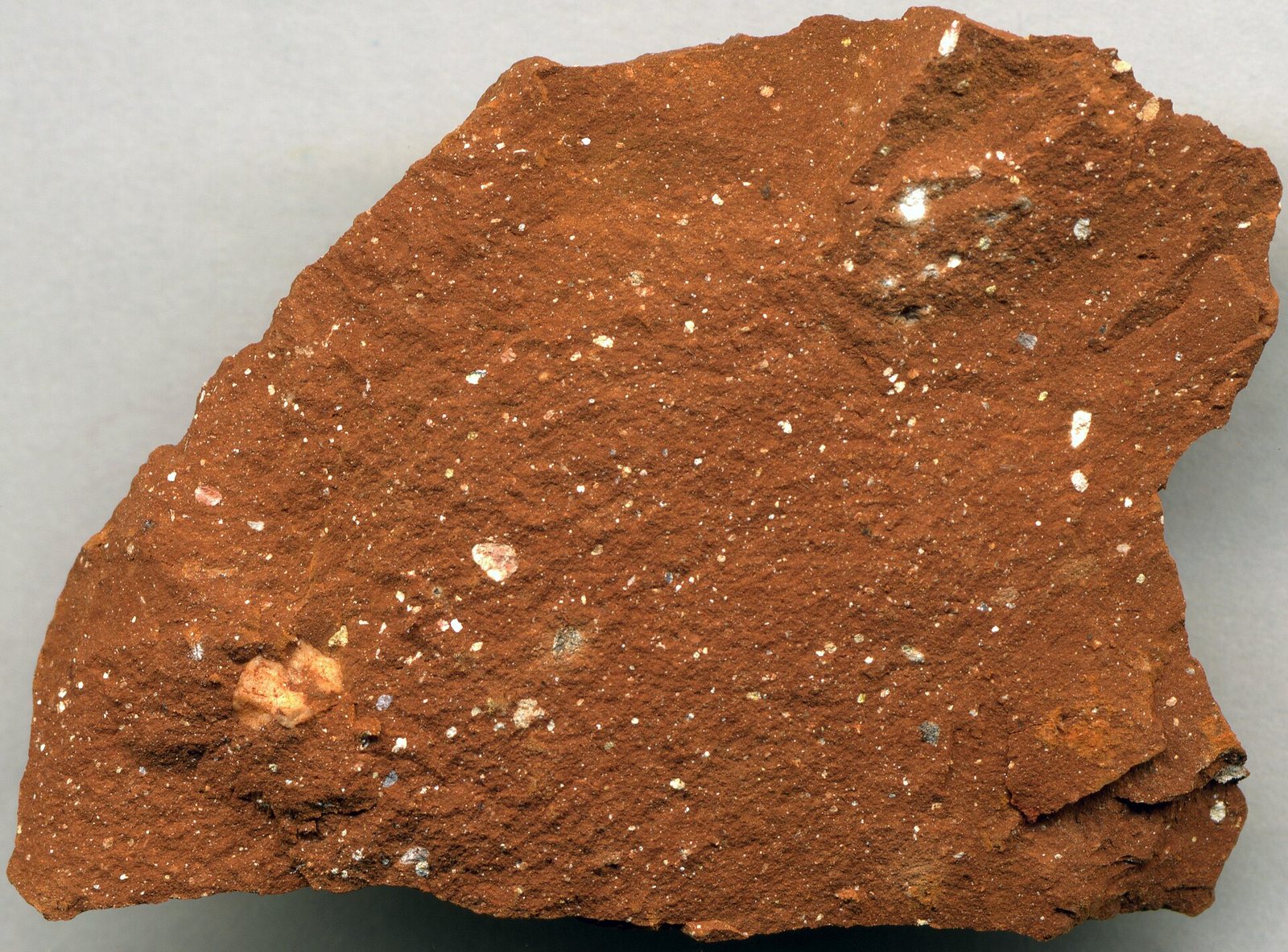
Ion-Adsorption Clay
Weathered granite where rare-earth ions cling loosely to clay surfaces. Grades are very low but the metal washes out…
Preço
average, dollars per kilogram: Lutetium oxide, 99.99% minimum
Média anualdollars per kilogram
Base: average, dollars per kilogram: Lutetium oxide, 99.99% minimum. Médias anuais conforme publicadas em USGS Mineral Commodity Summaries 2026 · fonte ↗. Estas são médias anuais de referência, não uma cotação de mercado em tempo real.
Para que é utilizado
Todos os mercados finais →| Mercado final | O que faz ali | Importância |
|---|---|---|
| Medicine & Health | PET scanner crystals and cancer therapy | Importante |