从矿石到产品,全程溯源
The Materials Atlas
材料 矿山与矿床 加工与精炼 溯源记录 供应链 企业 国家/地区 资讯
按货架浏览材料 电池材料 稀土元素 铜与电气 半导体材料 核材料 航空航天与国防 贵金属 钢铁与合金金属 工业矿物 农业矿物 能源原材料 矿石矿物 元素周期表
需求 终端市场 技术 材料计算器 地图 筛选器
学习与工具 了解术语表 数据问答AI智能体 研究与数据API ★ 已保存
关于 关于我们方法论 数据来源联系我们 免责声明
阅读选项
🧭 引导视图 初次接触矿石品位、精矿、精炼、副产品等概念?我们在您浏览时对每个术语进行解释,语言浅显易懂,数据相同,帮助内置其中。
⚡ 专家视角 您已熟悉这一行业,直接看数据即可——简洁、快速、紧凑,无附加说明。此为默认视图。
主题
界面语言
深度 材料页面分四个级别撰写。在任意材料页面选择后,系统将记住您的选择。
★ 已保存 研究与数据
Lutetium

稀土元素 · Heavy rare earth

Lutetium Lu · 71

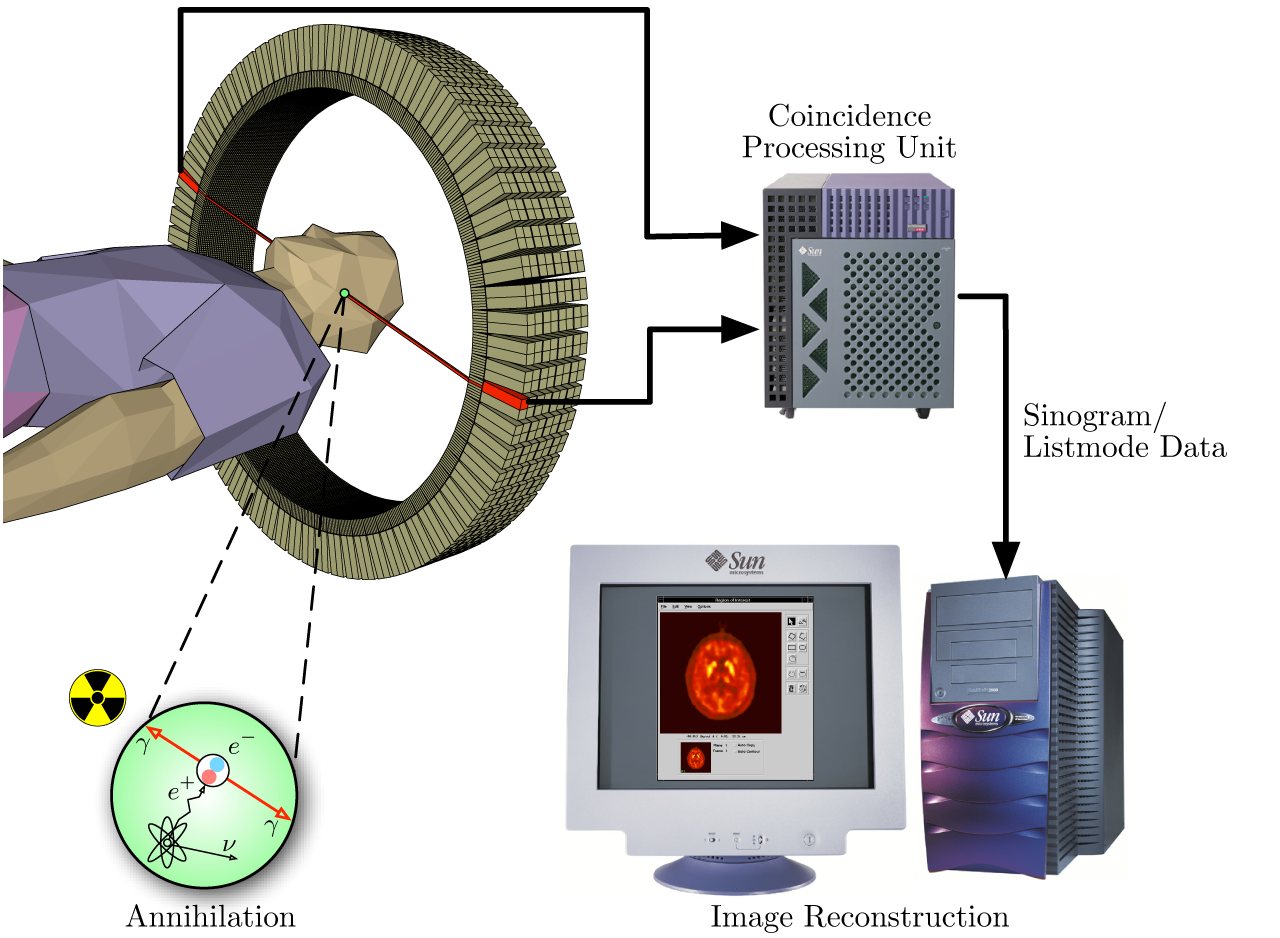
The last and densest rare earth, used in the crystals that detect gamma rays inside a PET scanner.

PET-schema.png · Jens Maus ( https://jens-maus.de/ ) · Public domain · Wikimedia Commons

这是什么?

The last and densest rare earth, used in the crystals that detect gamma rays inside a PET scanner.

为何重要?

Lutetium-177 is also a targeted cancer therapy — a rare earth delivered directly to a tumour.

Where it is in the Earth

Lutetium belongs to the group of elements called the rare earth elements (REEs), a set of seventeen metals that share similar chemistry and nearly always occur together in nature. Despite the name, rare earths are not especially scarce in the Earth's crust — the difficulty is that they rarely become concentrated enough in one place to be worth mining. Lutetium is the last and heaviest of the lanthanide series, and its size and charge mean it behaves slightly differently from its lighter cousins, a distinction that shapes where it ends up in rocks.

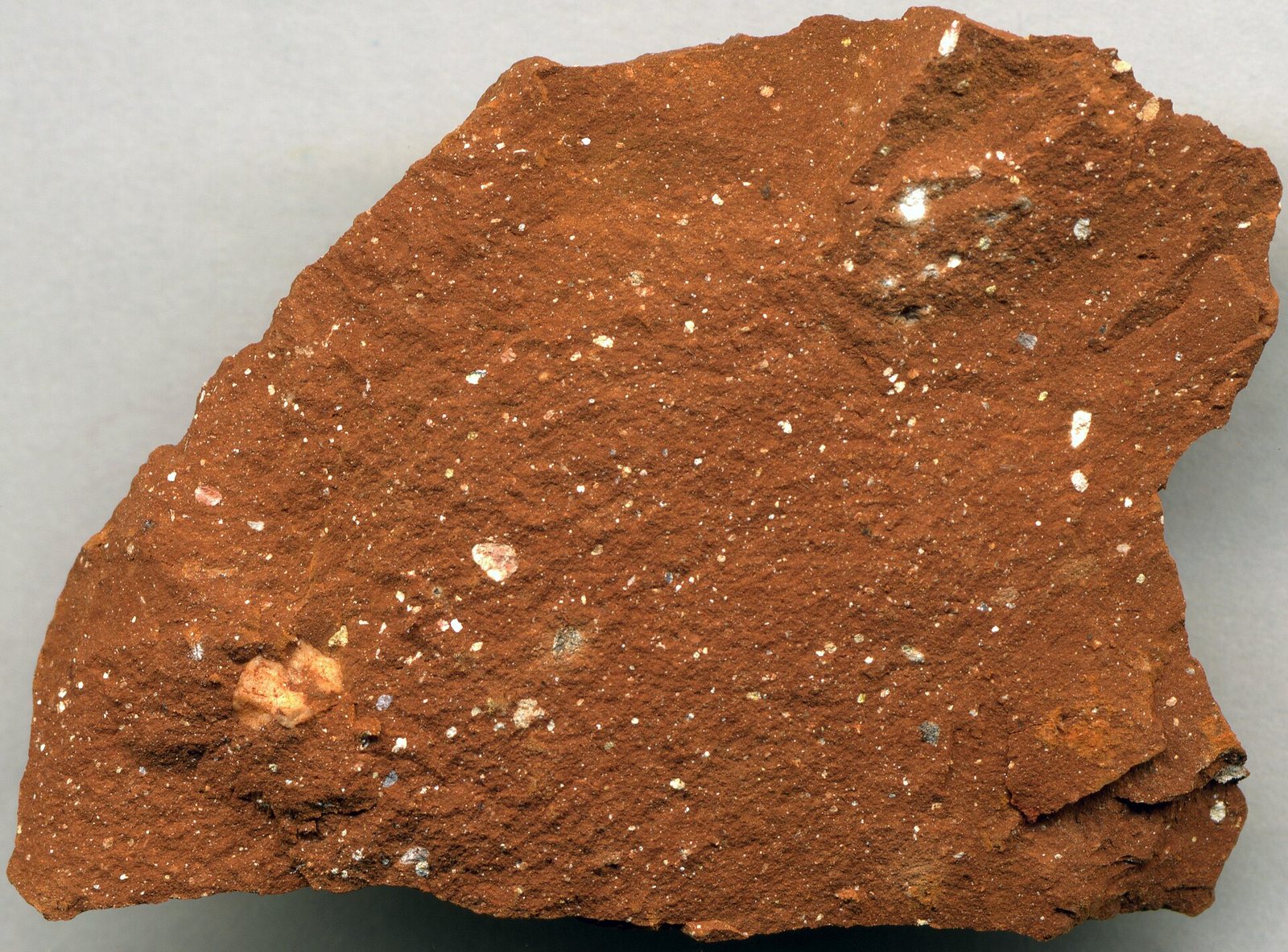
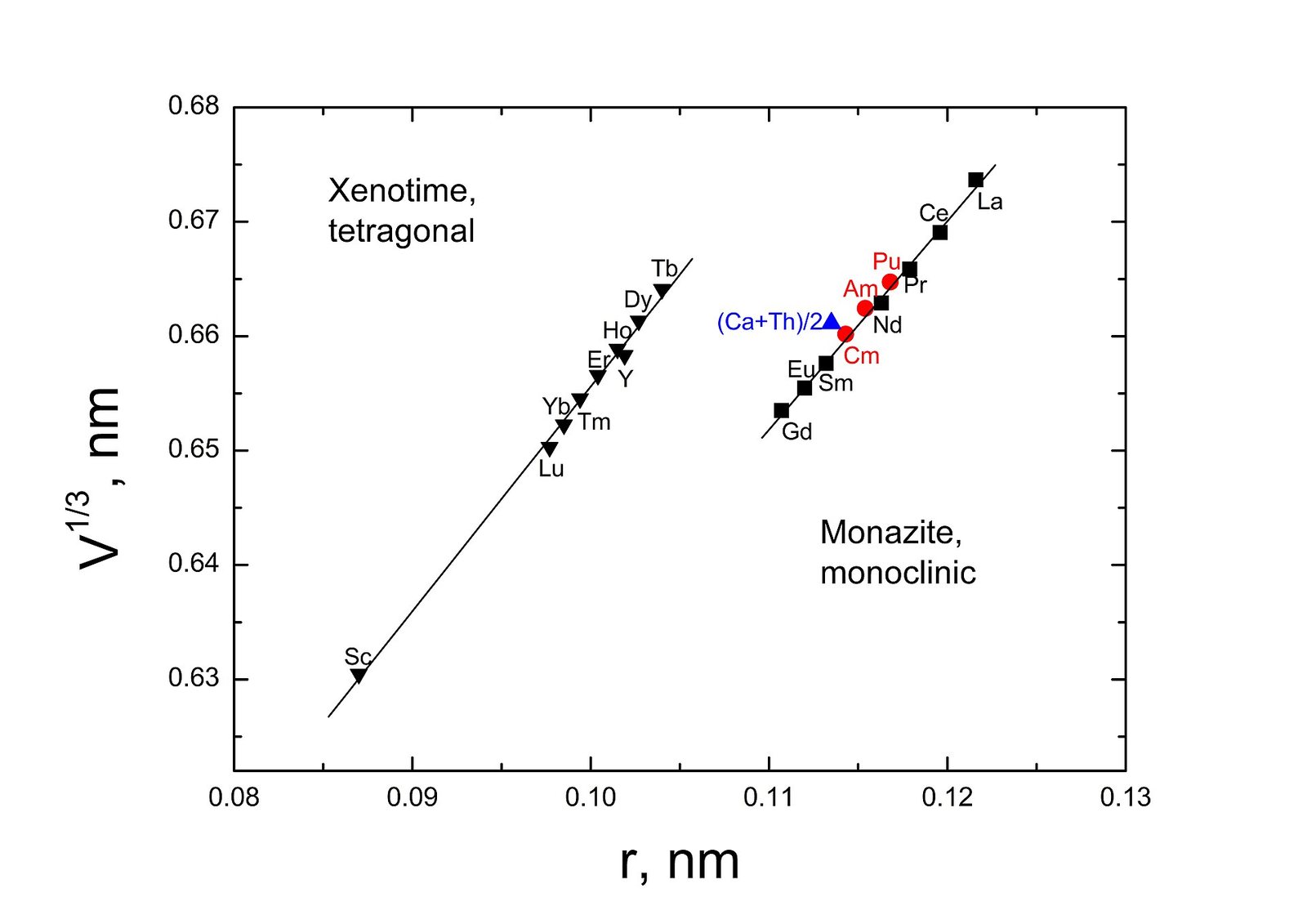
The principal mineral that carries lutetium in economic quantities is xenotime, a yttrium phosphate in which the heavier rare earths — including lutetium — substitute for yttrium in the crystal structure. Xenotime concentrates in granites and pegmatites (coarse-grained igneous rocks formed from the last, volatile-rich dregs of a cooling magma), and it is durable enough to survive weathering and accumulate in river sands and beach placers. A second and increasingly important source is the ion-adsorption clay deposit, found chiefly across southern China. In these deposits, tropical weathering over long timescales has broken down rare-earth-bearing granite, and the released REE ions have been adsorbed — loosely attached by electrical charge — onto clay minerals such as kaolinite rather than locked into a hard crystal. The heavy rare earths, lutetium among them, are relatively enriched in these clays compared with the hard-rock phosphate minerals, which tend to favour lighter elements such as cerium and lanthanum. This geological accident makes the southern Chinese clay deposits the world's dominant source of lutetium and the other heavy rare earths.

There is no single geological event that created these deposits. The granites formed during ancient episodes of continental collision and magmatic activity; the clay profiles developed where those granites sat under warm, wet climates for millions of years. The result is that heavy-rare-earth resources are geographically narrow, tied to specific weathering histories that are not replicated widely across the globe.

Getting it out

The two source types — xenotime-bearing placers or hard rocks, and ion-adsorption clays — are mined in quite different ways, and lutetium arrives at the processing plant as a minor constituent of whichever host is being worked, not as a target mineral in its own right. In hard-rock or placer operations, conventional open-pit excavation or dredging recovers the ore, which is then sent through physical separation circuits. The ore grade for lutetium specifically is extremely low even within a rare-earth deposit, because lutetium makes up only a small fraction of the total rare-earth content of any given rock.

Ion-adsorption clay deposits present a different picture. Because the REE ions are held loosely on clay surfaces rather than locked into a mineral lattice, they can be released without crushing or high-temperature treatment. The historical practice involved heap leaching — piling excavated clay and washing it with a salt solution — but in-situ leaching has become more common: the leaching solution is injected into the undisturbed clay body through drilled wells, and the REE-bearing solution is pumped back to the surface. This avoids moving large volumes of overburden but makes land rehabilitation more complicated, since the subsurface is disturbed without being visibly excavated. Either way, the ratio of material disturbed to lutetium ultimately recovered is very large: lutetium is a trace constituent of a deposit that is itself described in terms of total rare earth oxide content, and the heavy rare earths as a group are a minority fraction of that total.

Because lutetium is recovered as part of a mixed rare-earth stream, the economics of mining it are inseparable from the economics of the deposit as a whole. A mine does not open for lutetium; lutetium becomes available when a deposit rich enough in heavy rare earths is worked for the broader suite of elements it contains.

What pulls on it

Lutetium is consumed in two quite separate contexts, and they have little in common beyond the element itself. The first is the manufacture of scintillator crystals — materials that convert gamma-ray photons into flashes of visible light — for use in positron emission tomography (PET) scanners. The crystals most widely used in modern PET detectors are lutetium oxyorthosilicate (LSO) and lutetium-yttrium oxyorthosilicate (LYSO). These replaced earlier scintillator materials because they are faster to respond and denser, which means they stop more of the gamma rays that would otherwise pass straight through. As PET scanning has grown as a diagnostic tool — particularly in oncology, where it is used to locate and stage tumours — demand for LSO and LYSO crystals has grown with it. The installed base of PET scanners continues to expand in both established and emerging medical markets, and each scanner requires a significant volume of crystal.

The second demand stream is lutetium-177 as a targeted radionuclide therapy. In this application, a lutetium-177 atom is attached to a molecule that seeks out specific receptors on cancer cells. Once bound, the isotope irradiates the tumour from within. This approach has received regulatory approval for certain cancers and is in clinical trials for others. The volume of lutetium metal consumed per patient is small, but if the therapy is approved for additional indications, the aggregate demand could grow substantially relative to current production. Unlike the crystal application, which uses stable natural lutetium, the therapy uses a specific radioactive isotope produced in reactors, so demand growth here pulls on reactor capacity and radiopharmaceutical manufacturing infrastructure as much as on mining output.

A sharp change in demand in either direction would require either a clinical setback affecting the therapeutic approvals or a competing scanner technology that did not rely on lutetium-based crystals. Neither appears imminent, but lutetium's market is small enough that even modest changes in adoption rates for the therapy can move total demand meaningfully.

正确读取数据。 Reported as lutetium oxide (Lu2O3) equivalent. Oxide, LSO/LYSO scintillator crystals, medical isotopes.

其在岩石中的来源

所有含矿矿物 →

实际承载以下内容的矿物: lutetium. 只有其中某种物质的富集程度足以覆盖开采成本,矿床才能成为矿体。
价格

average, dollars per kilogram: Lutetium oxide, 99.99% minimum

年度平均值dollars per kilogram

2021 · 811.0 高 888.0 dollars per kilogram 2025 · 888.0

基准: average, dollars per kilogram: Lutetium oxide, 99.99% minimum. 年度平均值,来源: USGS Mineral Commodity Summaries 2026 · 来源 ↗. 以下为参考年度均价,非实时市场报价。

终端市场其在彼处的用途重要性
Medicine & Health PET scanner crystals and cancer therapy 重要

新闻动态

更多 →

Bruce Power gets go-ahead for isotope processing

World Nuclear News20 Aug 2026

材料

所有材料 关键矿产 稀土 电池材料 矿石矿物 元素周期表 筛选器

地层

矿山与矿床 加工与精炼 国家/地区 地图

经济体

溯源记录 供应链 终端市场 技术 企业 材料计算器

了解

了解术语表 数据问答AI智能体 研究与数据开放 API 资讯★ 已保存

关于我们

关于我们联系我们 方法论数据来源 编辑方针 隐私政策使用条款 免责声明