Bu nedir?
A dense metal whose oxide layer stores charge extremely reliably, which is why it is in the capacitors of anything that must not fail.
Neden önemli?
Tantalum is also one of the '3TG' conflict minerals, so its supply chain carries formal due-diligence obligations in the US and EU.
Where it is in the Earth
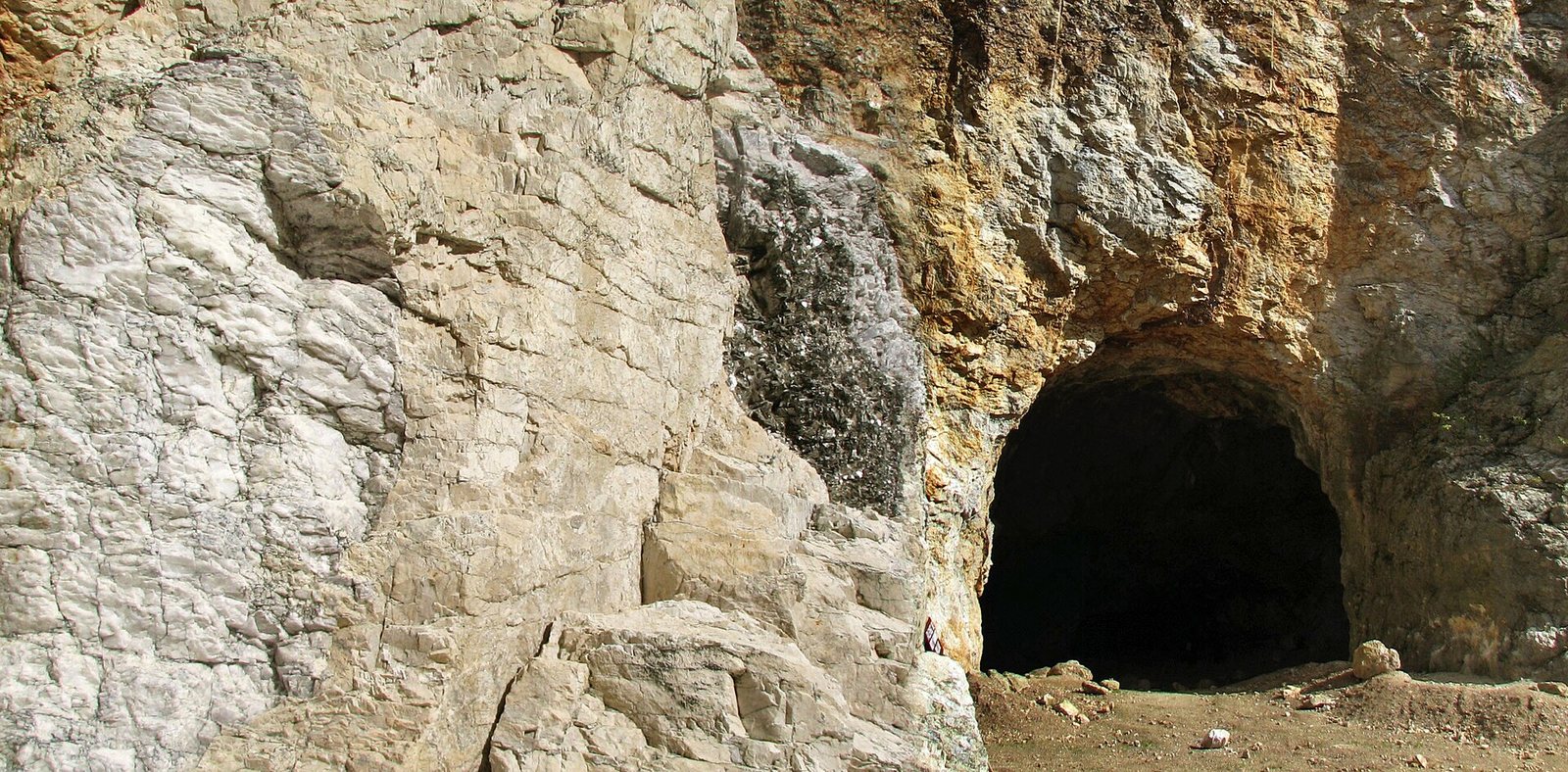
Tantalum does not form its own rock. It is a minor constituent that became concentrated through the same igneous processes that built some of the world's most unusual granites. The relevant process is called magmatic differentiation: as a body of silica-rich magma cools slowly deep in the crust, the common elements crystallise out first, leaving the residual melt progressively enriched in elements that do not fit easily into ordinary minerals. Tantalum, together with niobium, is one of those elements. In the final, water- and volatile-rich fraction of the melt, conditions allow the growth of a rock type called a pegmatite — a coarse-grained granite in which individual crystals can reach extraordinary sizes and in which rare elements reach economically interesting concentrations.
The mineral that carries tantalum in these pegmatites is columbite-tantalite, familiarly abbreviated to coltan. It belongs to the oxide mineral group and accommodates both tantalum and niobium in variable proportions within the same crystal structure; when the tantalum content predominates the mineral is called tantalite, when niobium predominates it is columbite, and the real world offers every mixture between. Pegmatites that carry significant coltan belong to a geochemically distinct family known as LCT pegmatites — a shorthand for lithium, caesium and tantalum — reflecting the suite of rare elements that tend to travel together in this particular kind of residual melt. These bodies are typically tabular or lens-shaped, a few metres to tens of metres wide, cutting through older metamorphic or igneous host rocks.
The geographic distribution of tantalum deposits reflects where ancient, stable continental cores — called cratons — preserve the deep-crustal environments in which pegmatites were emplaced and then exhumed by billions of years of erosion. Central and West Africa sit on one of the world's oldest cratons, which is why the Democratic Republic of Congo, Rwanda, Nigeria and neighbouring countries host so much of the world's current production. Australia's long-stable Yilgarn and Pilbara cratons carry major hard-rock resources; Brazil's Amazonian craton is similarly endowed. The corollary of long erosion is that tantalum also accumulates in alluvial and eluvial placers — river gravels and weathered soils — where coltan grains, being dense and chemically resistant, survive transport and settling. Much of Central Africa's artisanal production comes from exactly these secondary placer deposits rather than from primary hard rock.
Getting it out
Because coltan occurs both in hard-rock pegmatites and in loose alluvial sediments, tantalum is extracted by two quite different methods. The hard-rock deposits in Australia are mined as open pits: the overlying soil and rock (called overburden) is removed by blasting and excavation to expose the pegmatite body below. This is capital-intensive and requires heavy machinery, but it is well-controlled and produces a consistent feed to the processing plant. The mine-to-product waste ratio in open-pit pegmatite mining is relatively high, because the ore mineral is a minor component of a rock that is itself mostly feldspar, quartz and other common silicates; large volumes of crushed rock must be processed to recover a small amount of coltan.
In Central Africa and parts of Brazil, a large share of production comes from artisanal and small-scale mining, usually of placer deposits. Miners dig or sluice river gravels and use the density difference between coltan (which is dense, at 16.65 grams per cubic centimetre for pure tantalum metal) and ordinary sand and clay (much lighter) to concentrate the heavy mineral by hand or with simple water-driven equipment. The technique is low in capital cost but is labour-intensive and difficult to monitor, which is directly relevant to the conflict-mineral due-diligence obligations that the tables on this page describe. Because the ore is already partially sorted by river transport, grades in alluvial concentrates can be surprisingly good, though they vary widely from site to site.
A distinct mode of supply is recovery as a by-product, most notably from the processing of tin ore (cassiterite). In parts of Nigeria and Central Africa, tin smelters have long recovered coltan from their feed material, and this by-product relationship means that tantalum output from some operations is tied to the economics of tin rather than to tantalum demand or price alone. The practical implication is that mine supply cannot always respond smoothly to changes in tantalum demand; a producer whose primary revenue comes from tin may continue or curtail tantalum output for reasons entirely unrelated to tantalum markets.
What pulls on it
Tantalum's dominant use is in capacitors — specifically tantalum electrolytic capacitors, which store and release electrical charge in electronic circuits. A capacitor made with tantalum is not simply a component choice of convenience; it is chosen because tantalum's oxide layer (tantalum pentoxide, Ta2O5) is exceptionally stable, has a high dielectric constant (meaning it stores a large amount of charge for its physical size), and does not degrade in the way that other capacitor chemistries can. This matters most where failure is unacceptable or where space is severely constrained: medical implants, military electronics, aerospace control systems and the power-management circuitry in smartphones and similar devices. Consumer electronics has historically been the single largest end market, driven by the number of capacitors packed into each device.
Data centres have become a growing source of demand, because the power-delivery circuits of server motherboards and networking equipment rely on many of the same tantalum capacitor designs used in consumer devices. The rapid expansion of computing infrastructure for machine learning and related workloads has added to this draw. Aerospace and defence demand is smaller in volume but notably price-insensitive — the specifications for military-grade tantalum capacitors are often written directly into procurement standards, which makes substitution slow even when it is technically feasible. The semiconductor segment, where tantalum is deposited as a very thin diffusion barrier in advanced chip manufacturing, is smaller still but growing as transistor geometries shrink and the number of metal layers in a chip increases.
For demand to change sharply in either direction, something structural would have to shift. A sustained move away from tantalum capacitors toward multi-layer ceramic capacitors (MLCCs) — which use no tantalum — is already visible in consumer electronics, where designers choose ceramics where reliability and size requirements permit. Expansion of data-centre build-out, of defence spending, or of advanced chip production would pull the other way. The two forces have roughly offset each other in recent years, keeping aggregate demand relatively stable, though the composition of that demand has been shifting away from consumer electronics and toward industrial and defence applications.
Kayada nereden gelir
Tüm cevher mineralleri →Bunlar gerçekten taşıyan mineraller tantalum. Bir yatak, ancak içindeki minerallerden biri çıkarma maliyetini karşılayacak kadar yüksek tenörde olduğunda cevher kütlesi sayılır.
Kim üretiyor
Haritada gör →Mine production
Mine productionmetric tons 2025 (tahmini) Dünya toplamı 2,500 metric tons
USGS Mineral Commodity Summaries 2026 · Mine production of contained tantalum; much comes from artisanal sources. · kaynak ↗
Kalan sütunlar için tabloyu yatay kaydırın.
| Ülke | Üretim | Dünya payı |
|---|---|---|
| Congo (Kinshasa) | 1,300 | 52.0% |
| Rwanda | 400.0 | 16.0% |
| Nigeria | 390.0 | 15.6% |
| Brazil | 190.0 | 7.6% |
| China | 80.00 | 3.2% |
| Australia | 50.00 | 2.0% |
| Ethiopia | 40.00 | 1.6% |
| Russia | 30.00 | 1.2% |
| Burundi | 2.00 | 0.1% |
| Bolivia | 2.00 | 0.1% |
| Mozambique | 1.00 | 0.0% |
| United States | Zero | — |
| Dünya toplamı | 2,500 | 100% |
"Gizli tutulmuş", USGS'nin tek bir şirketin verisini ifşa etmekten kaçınmak amacıyla rakamı yayımlamadığı anlamına gelir; sıfır anlamına gelmez. Kaynak her rakamı bağımsız olarak yuvarladığı ve her zaman "diğer ülkeler" satırını ayrıştırmadığı için ülke satırları her zaman dünya toplamına eşit olmayabilir.
Rezervleri kim elinde bulunduruyor
Reserves
Reservesmetric tons 2025
USGS Mineral Commodity Summaries 2026 · kaynak ↗
| Ülke | Rezervler | Dünya payı |
|---|---|---|
| China | 240,000 | — |
| Australia | 120,000 | — |
| Brazil | 40,000 | — |
| Russia | 150.0 | — |
| Ethiopia | Not applicable | — |
| Mozambique | Not applicable | — |
| Nigeria | Not applicable | — |
| Rwanda | Not applicable | — |
| United States | Zero | — |
| Bolivia | Not applicable | — |
| Burundi | Not applicable | — |
| Congo (Kinshasa) | Not applicable | — |
| Dünya toplamı | Not applicable | 100% |
Fiyat
tantalite, annual average, dollars per kilogram of tantalum oxide (Ta2O5) content
Yıllık ortalamadollars per kilogram
Dayanak: tantalite, annual average, dollars per kilogram of tantalum oxide (Ta2O5) content. Şurada yayımlanan yıllık ortalamalar: USGS Mineral Commodity Summaries 2026 · kaynak ↗. Bunlar referans yıllık ortalamalar olup canlı piyasa fiyatı değildir.
Bu materyali üreten madenler
Tüm madenler →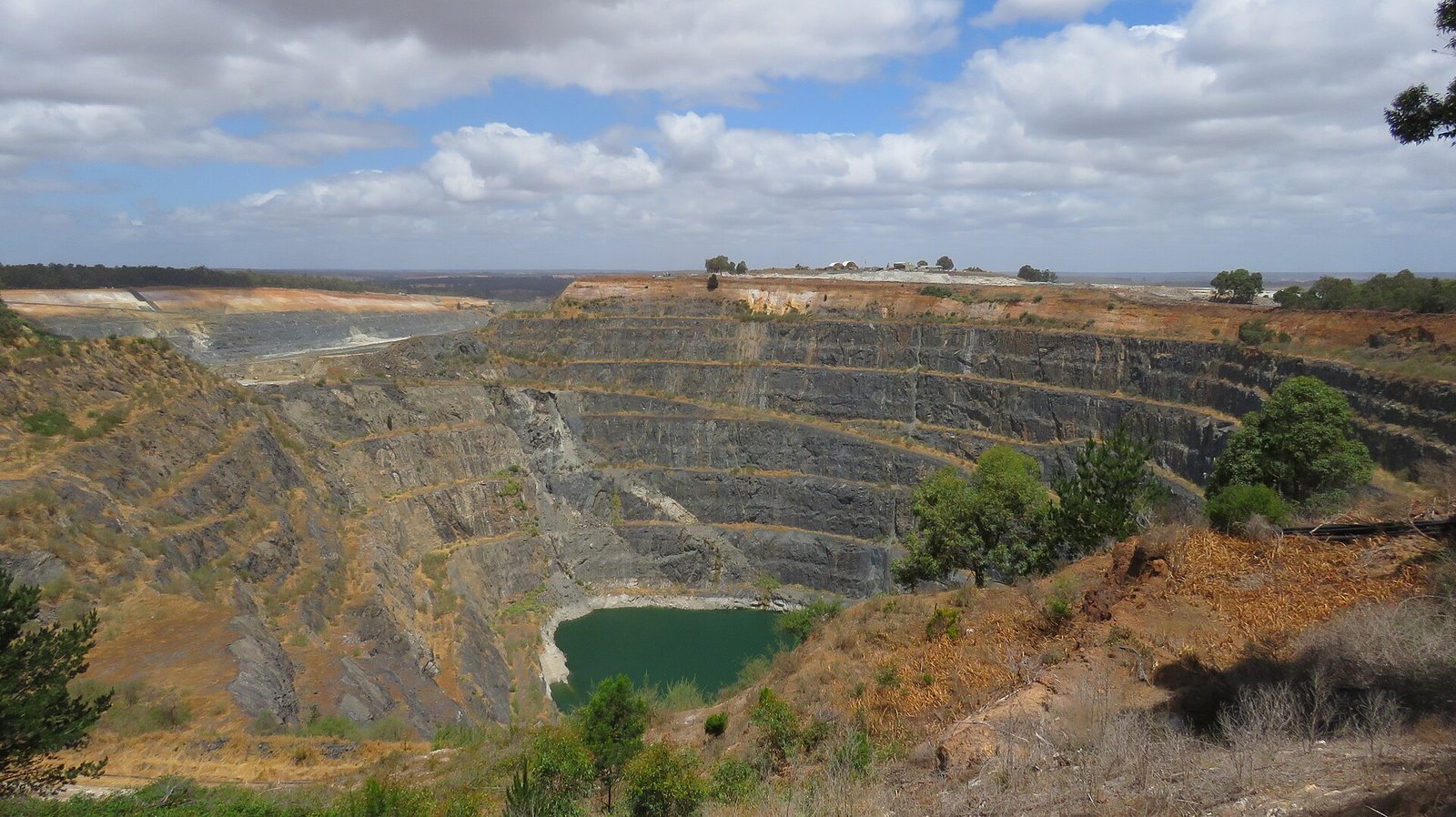
Nerede işlenir ve rafine edilir
| Tesis | Tür | Aşama | Ülke | Rol |
|---|---|---|---|---|
| Aero-Engine Turbine Plant, Derby | Üretim tesisi | Ürün | United Kingdom | Girdi |
Ne için kullanılır
Tüm son kullanım piyasaları →| Son pazar | Orada ne işe yarar | Önem |
|---|---|---|
| Consumer Electronics | Capacitors | Tanımlama |
| Data Centres & AI | Capacitors on power delivery | Önemli |
| Aerospace & Defence | Superalloy and capacitors | Önemli |
| Semiconductors | Diffusion barrier and capacitors | Önemli |
Bir teknolojinin ne kadar ihtiyaç duyduğu
| Teknoloji | Miktar | Kote edilen | Dayanak |
|---|---|---|---|
| Single-Crystal Turbine Blade | iz | per blade set | Solid-solution strengthening |
Indicative range compiled from published technology studies and chemistry; verify against a manufacturer specification before use. Bu rakamları malzeme hesaplayıcısında istediğiniz ölçekte çalıştırın →